Commercial Interiors
Museum Interior Design: Showcasing Art Through Space
Museum interior design is the art of creating spaces that serve the exhibits rather than compete with them. Every material decision, from flooring texture to wall finish, influences how visitors perceive and engage with the collection. In Singapore’s thriving cultural landscape, museums and galleries must balance conservation requirements, visitor comfort, and architectural ambition.
Design Principles for Museum Spaces
Effective museum interior design is guided by the principle that the architecture should support the art, not overshadow it. The best museum interiors feel almost invisible, directing attention towards the exhibits while providing a comfortable, intuitive visitor experience.
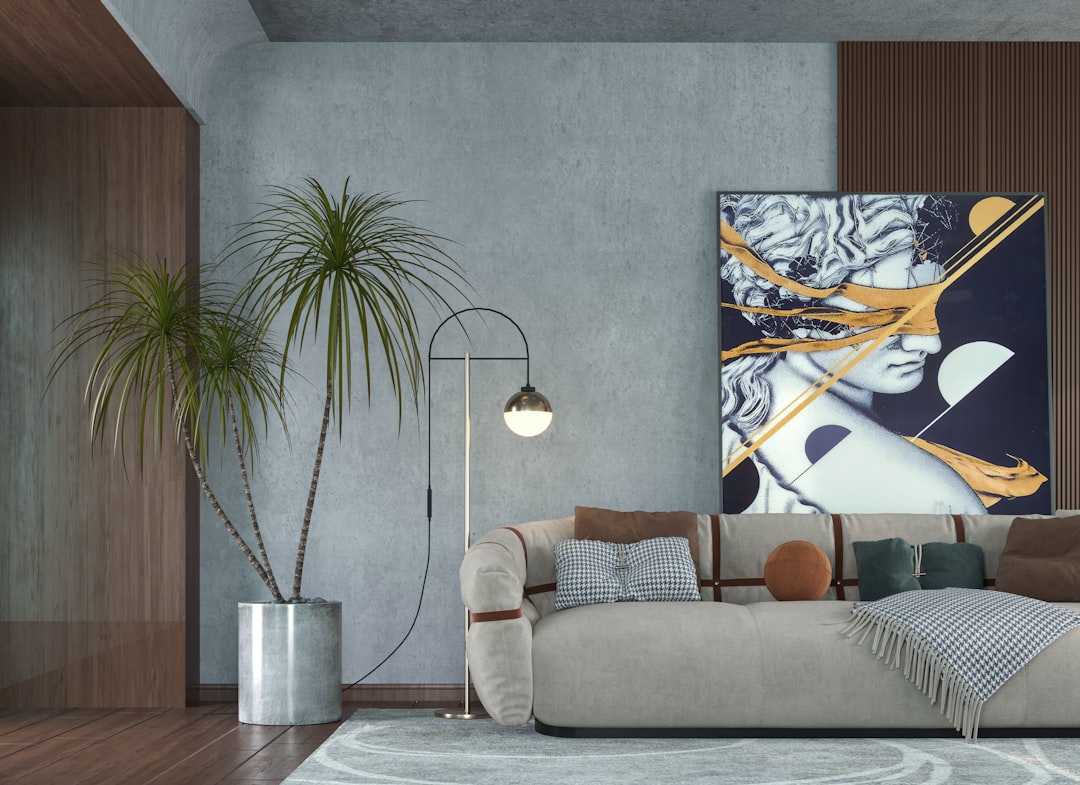
Neutrality is foundational. Walls, floors, and ceilings should serve as a calm backdrop. This does not mean every surface must be white; warm greys, natural timbers, and muted tones can create atmosphere without visual noise.
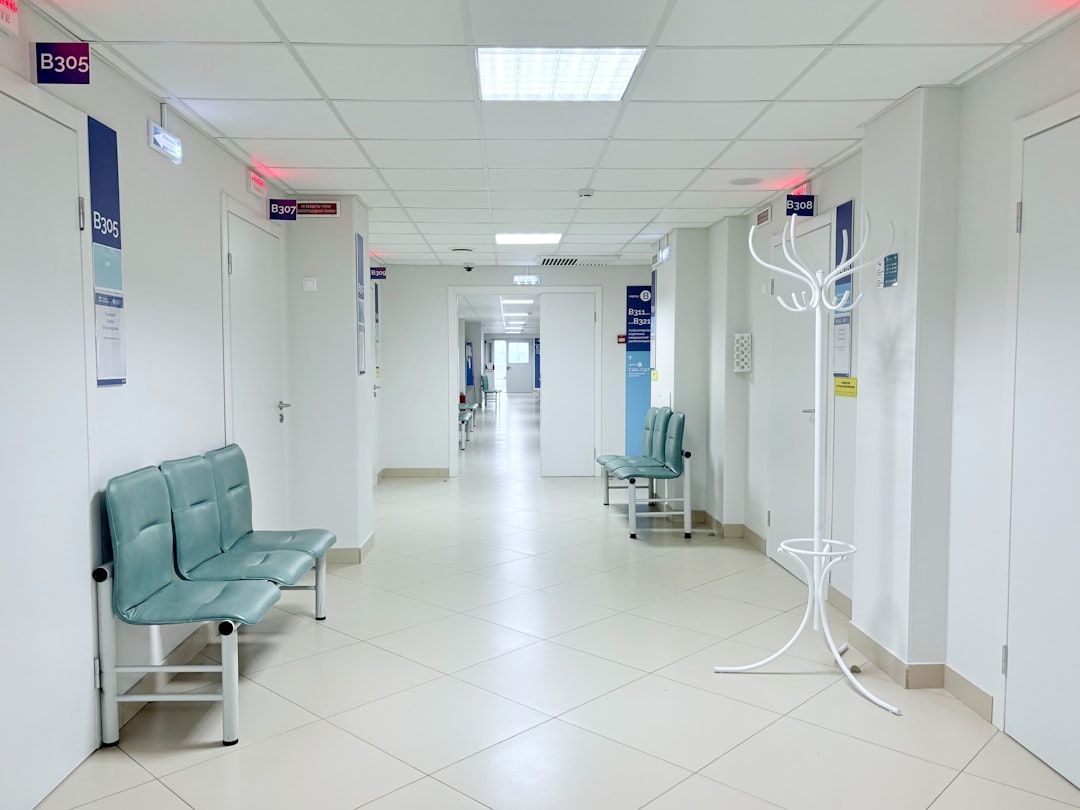
Circulation clarity is equally important. Visitors should understand intuitively how to move through the space. Flooring transitions, sightlines, and spatial proportions all contribute to wayfinding without the need for excessive signage.
Flexibility allows museums to evolve their exhibitions without costly renovations. Modular wall systems, adjustable lighting tracks, and versatile flooring enable curators to reconfigure galleries for different shows.
Flooring for Galleries and Exhibition Halls
Museum flooring must accommodate thousands of visitors weekly while maintaining a refined appearance. It must also be acoustically considerate, as hard, reverberant floors create noise that degrades the visitor experience in quiet contemplative galleries.
Commercial-grade flooring options commonly specified for museum environments include:
- Polished concrete for industrial-aesthetic galleries, though it requires acoustic mitigation through other surfaces
- Luxury vinyl tile in timber or stone effects for warmth and acoustic comfort
- Carpet tiles for textile galleries and quiet viewing rooms where sound absorption is critical
- Natural stone or terrazzo for grand entrance foyers and circulation areas
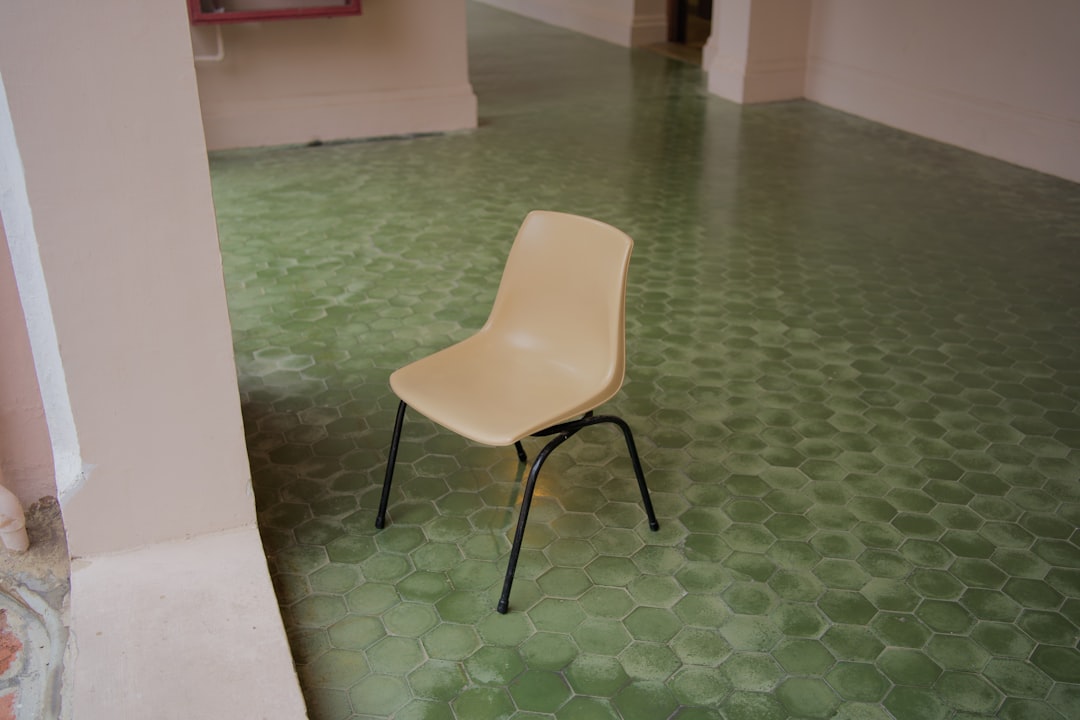
In Singapore’s climate, where visitors move between air-conditioned interiors and humid outdoor environments, flooring must handle moisture from tracked-in rain and condensation on footwear. Vinyl and stone flooring cope well with these conditions; natural timber does not.
Acoustic Performance
Footstep noise is a significant concern in museum design. Hard floors amplify the sound of hundreds of visitors walking simultaneously, creating a distracting background hum. Carpet tiles and cushioned vinyl dramatically reduce impact noise, making them excellent choices for galleries where quiet contemplation is valued.
Wall Systems and Exhibition Surfaces
Gallery walls must be paintable, patchable, and reconfigurable. Most museums use plasterboard wall systems that can be repainted between exhibitions. The wall finish itself should be smooth and free of texture that might compete visually with artwork.
For permanent circulation areas, lobbies, and retail spaces, durable wallcoverings provide a more robust finish than paint. Commercial wallcoverings in subtle textures add visual warmth to these high-traffic zones while resisting the scuffing and marking that painted walls accumulate quickly.
Conservation requirements also influence wall material choices. Galleries displaying sensitive works on paper or textile must control off-gassing from wall finishes. Low-VOC paints and wallcoverings with minimal chemical emissions help maintain the stable environment these collections demand.
Lighting and Material Interaction
Lighting design in museums is a discipline in itself, but material selection directly influences lighting effectiveness. Flooring reflectance affects ambient light levels: dark floors absorb light and may require higher-powered fixtures, while overly reflective floors create glare that distracts from wall-mounted exhibits.
A matte or satin-finish floor in a mid-tone colour typically provides the best balance. It reflects enough light to contribute to overall brightness without creating reflections that compete with the art.
Wall colours and finishes must also be coordinated with the lighting design. Warm-toned walls pair naturally with warm-white lighting (3000K), while cooler grey walls complement neutral-white sources (4000K). Consistency between material tone and light temperature creates a harmonious visual environment.
Visitor Amenities and Support Spaces
Beyond the galleries themselves, museums include cafes, retail shops, education rooms, auditoriums, and back-of-house areas. Each has distinct interior design requirements.
| Space | Priority Requirements | Recommended Finishes |
|---|---|---|
| Museum cafe | Durability, easy cleaning, acoustic comfort | Vinyl flooring, washable wallcovering, performance upholstery |
| Retail shop | Visual appeal, flexibility, brand alignment | LVT flooring, feature wallcovering, accent carpet |
| Education room | Durability, flexibility, acoustics | Carpet tiles, writable wall surfaces |
| Auditorium | Acoustics, comfort, fire safety | Carpet, upholstered seating, acoustic wall panels |
These support spaces see heavier daily wear than the galleries and require materials specified for commercial-grade durability. Carpet tiles are particularly effective in education rooms and auditoriums, where they provide acoustic control and can be replaced in sections as wear patterns develop.
Final Thoughts
Museum interior design demands a disciplined approach where every material serves the visitor experience and the collection. Thoughtful flooring selection, appropriate wall finishes, and careful coordination with lighting create galleries that elevate the exhibits and welcome the public.
Book an appointment with our design consultants to discuss flooring and wallcovering solutions for your museum or gallery project.