Healthcare Interiors
Nursing Home Interior Design: Safety Meets Warmth
Nursing home interior design must reconcile two priorities that can feel contradictory: the clinical rigour required for resident safety and the domestic warmth that makes a facility feel like home. In Singapore, where the ageing population is growing rapidly and demand for quality eldercare is intensifying, operators who invest in thoughtful interior design attract residents and families, retain staff, and enhance care outcomes.
Understanding the Design Context
Singapore’s nursing home sector includes government-funded facilities, voluntary welfare organisations, and private operators. Regardless of funding model, all must comply with the Ministry of Health (MOH) licensing requirements, which cover spatial standards, fire safety, infection control, and accessibility.
Residents in nursing homes typically have reduced mobility, cognitive impairment, or chronic health conditions. The interior must accommodate wheelchairs, walking frames, hospital beds, and hoisting equipment while maintaining clear circulation paths and minimising fall risks.
At the same time, this is a place where people live. Residents deserve surroundings that offer dignity, comfort, and sensory stimulation. The best nursing home interiors achieve this balance through careful material selection, considered colour palettes, and spatial planning that respects both care requirements and personal autonomy.
Flooring for Safety and Comfort
Falls are the leading cause of injury in nursing homes. Flooring selection is therefore one of the most consequential design decisions, directly affecting resident safety outcomes.
Key Flooring Requirements
- Slip resistance when both dry and wet, with a minimum R10 rating and ideally R11 for wet areas
- Impact absorption to reduce injury severity if a fall does occur
- Smooth, seamless surfaces that do not impede wheelchair and walker movement
- Easy cleaning and compatibility with hospital-grade disinfectants
- Visual clarity with no busy patterns that residents with dementia might misinterpret as obstacles or holes
Commercial vinyl flooring with a cushioned backing addresses most of these requirements. Sheet vinyl with heat-welded seams creates a hygienic, jointless surface that is easy to clean and resistant to bacterial harbourage.
Colour and Contrast on Floors
Floor colour plays a functional role in nursing home design. Residents with vision impairment rely on tonal contrast to distinguish the floor from walls and furniture. A floor that contrasts clearly with skirting boards and door frames helps residents navigate safely.
Avoid dark thresholds or sudden colour changes between rooms, as residents with dementia may perceive these as steps or voids and refuse to cross them. Gradual colour transitions between zones are safer and less disorienting.
Wall Finishes That Support Wellbeing
Nursing home walls must withstand regular contact from wheelchairs, trolleys, and medical equipment. Standard paint deteriorates quickly under these conditions, requiring frequent maintenance.
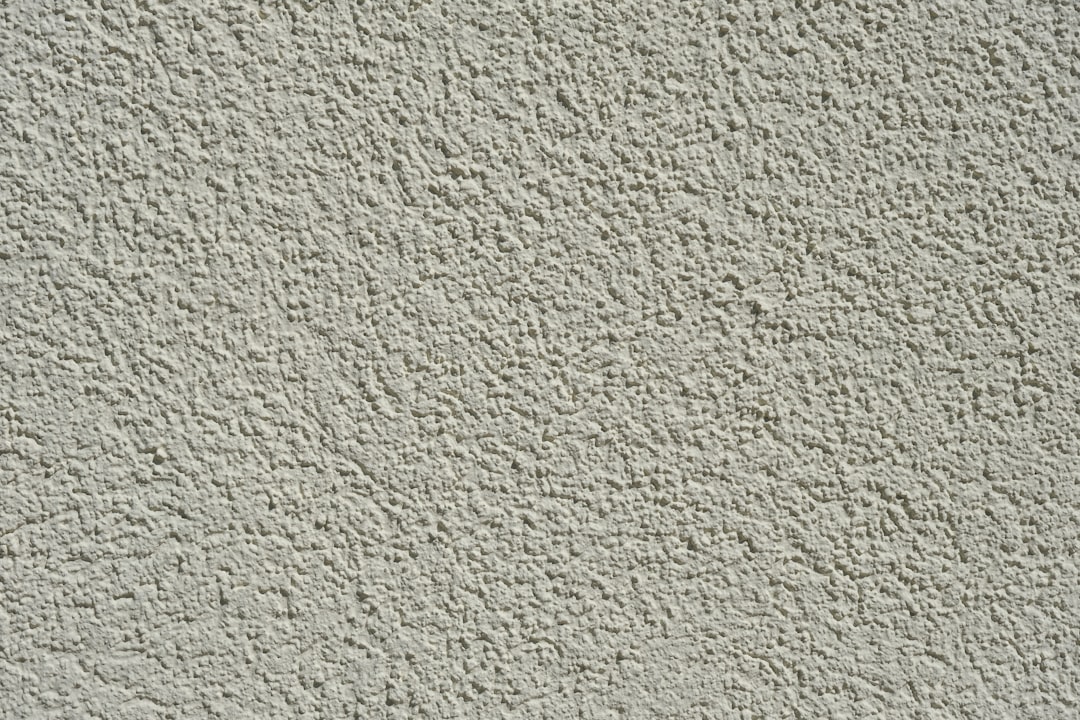
Healthcare-grade vinyl wallcoverings provide a durable, scrubbable surface that handles daily cleaning with clinical disinfectants. They are available in a wide range of colours and textures, allowing designers to create warm, residential atmospheres rather than institutional corridors.
Handrails along corridors are essential for resident safety and should contrast visually with the wall finish. The wall surface behind and below handrails takes particular punishment and benefits from impact-resistant wallcovering or dedicated wall protection systems.
Colour for Dementia Care
For residents with dementia, colour is a critical wayfinding and orientation tool. Distinct colour schemes for different floors or wings help residents recognise where they are. Bedroom doors in individual colours assist residents in identifying their own room.
Research supports the use of warm, saturated colours in communal areas to stimulate engagement, with softer, calmer tones in bedrooms and rest areas to promote sleep. Avoid large expanses of white, which can appear glaring under artificial light and create a disorienting, featureless environment.
Communal Spaces and Activity Areas
Dining rooms, lounges, and activity areas are the social heart of a nursing home. Their design directly influences resident engagement and quality of life.
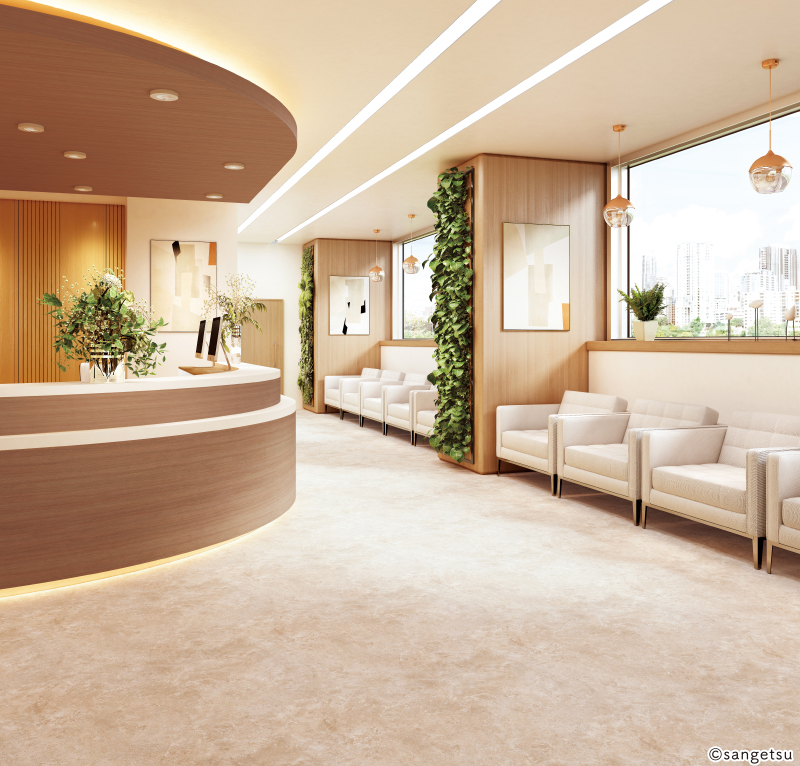
Dining areas benefit from residential-style design cues: warm-toned flooring, coordinating wallcoverings, and furniture that resembles a home dining setting rather than a hospital canteen. Round or oval tables encourage conversation and accommodate wheelchairs more easily than rectangular alternatives.
Activity rooms need durable, easy-clean surfaces for art therapy, cooking activities, and exercise programmes. Carpet tiles in lounge areas add warmth and acoustic comfort, while vinyl flooring in activity zones handles spills and cleaning requirements.
Outdoor or semi-outdoor spaces, even small balconies or covered courtyards, provide valuable sensory stimulation and a connection to nature. Where these exist, slip-resistant outdoor flooring and shaded seating areas extend the living environment beyond the building interior.
Bedroom and Bathroom Design
Bedrooms are the resident’s personal territory and should feel as homelike as possible within safety constraints. Individual temperature control, personal lighting options, and space for a few personal belongings all contribute to a sense of ownership.
Flooring in bedrooms should be consistent with the corridor flooring to eliminate trip-hazard thresholds. Bedside areas benefit from slightly warmer-toned flooring or a change in visual texture that helps residents orient themselves when getting out of bed.
Bathrooms require fully waterproof, slip-resistant flooring with proper drainage falls. Sheet vinyl with coved skirting provides a seamless, hygienic finish. Colour contrast between the floor, walls, toilet, and grab rails helps residents with impaired vision use the bathroom safely and independently.
Final Thoughts
Nursing home interior design that prioritises both safety and warmth creates facilities where residents feel valued and families feel confident. Durable, hygienic materials need not look institutional. With thoughtful colour selection, quality wallcoverings, and appropriate flooring, eldercare environments can be both clinically sound and genuinely welcoming.
Get a free quote for your project today. Goodrich Global supplies healthcare-grade flooring, wallcovering, and carpet solutions for eldercare facilities across Singapore.