Interior Design
Accent Colour Wall Design Tips for Every Room
Accent colour wall design is one of the simplest ways to add depth and personality to any room without a full renovation. A single statement wall can anchor a space, define zones in an open-plan layout, and showcase your personal style through colour, pattern, or texture.
In Singapore homes where neutral palettes dominate, an accent wall introduces visual energy. Here is how to plan one effectively, room by room.
How to Choose the Right Wall
Not every wall makes a good accent wall. The goal is to draw the eye naturally, so pick a wall that already has architectural significance or serves as a focal point.
In a living room, the wall behind the television console or sofa is usually the strongest candidate. In a bedroom, the wall behind the headboard works best. For dining areas, the wall most visible from the main seating positions creates the greatest impact.
Avoid choosing a wall broken up by multiple doors, windows, or built-in shelving. Too many interruptions fragment the colour and reduce its visual effect. A continuous surface delivers a cleaner, bolder statement.
In open-plan HDB and condo layouts, an accent wall can also serve as a subtle room divider, signalling the transition from living to dining or from kitchen to study nook.
Selecting the Right Colour
Colour choice depends on the mood you want to create and the room’s function. A few guiding principles simplify the decision.
Warm Tones
Terracotta, burnt sienna, ochre, and warm blush create cosy, inviting atmospheres. They work particularly well in living rooms and bedrooms where relaxation is the priority. Warm tones pair naturally with timber furniture and rattan accents popular in Singapore interiors.
Cool Tones
Navy, teal, sage green, and slate blue add sophistication and calm. These shades suit studies, home offices, and master bedrooms. Cool tones also recede visually, making a small room feel slightly more spacious.
Bold and Saturated
Deep emerald, charcoal, or rich burgundy make a dramatic statement in larger rooms with ample natural light. In a compact HDB bedroom, these shades can feel oppressive, so reserve them for landed properties or generously sized condos.
The 60-30-10 Rule
A reliable formula for colour balance: 60 per cent of the room is a dominant neutral, 30 per cent is a secondary colour found in furnishings and fabrics, and 10 per cent is the accent. Your feature wall typically falls within the 30 per cent secondary allocation, so ensure cushions, curtains, or artwork echo its tone.
Wallpaper as an Accent Wall Material
Paint is the most common accent wall treatment, but wallpaper and wallcoverings offer far greater versatility in texture, pattern, and finish.
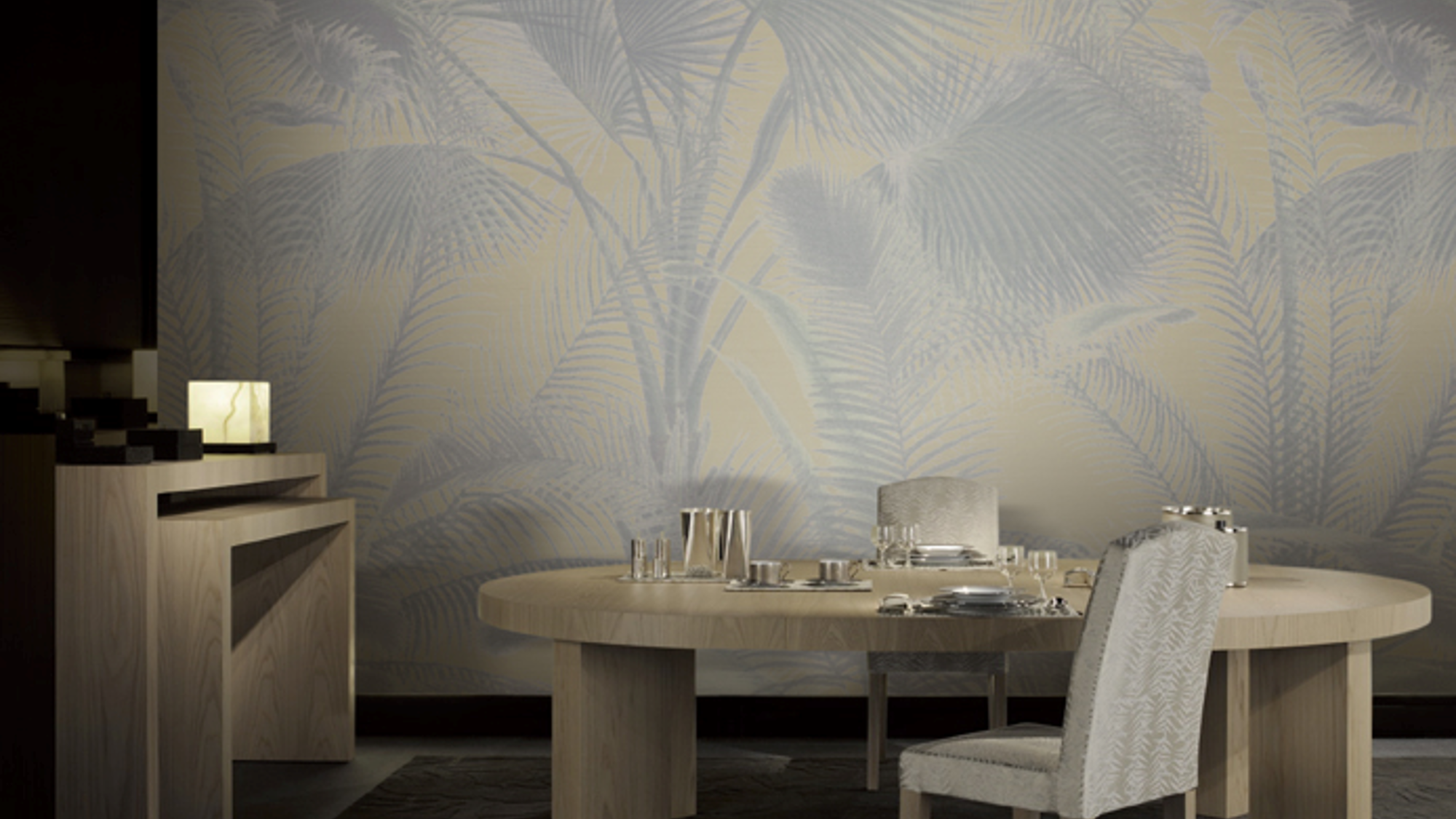
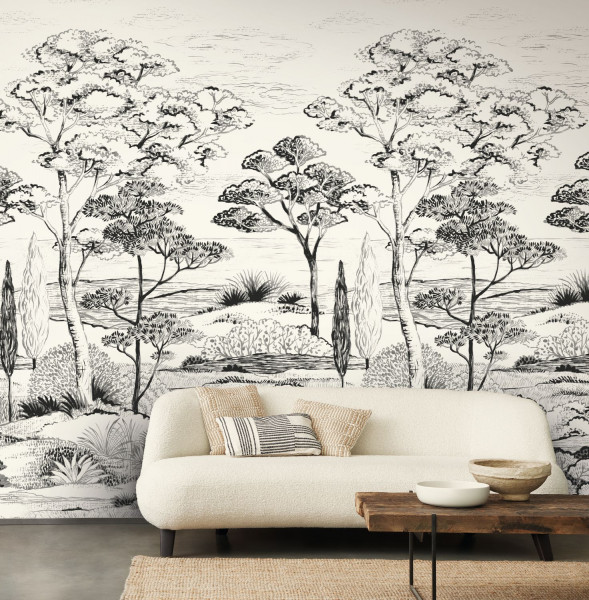
A textured grasscloth wallcovering adds warmth and depth that flat paint cannot replicate. Geometric patterns create a contemporary feel, while florals and botanicals bring organic softness. Metallic-finish wallpapers catch light and add a sense of luxury in dining rooms and entryways.
Vinyl wallcoverings are especially practical in Singapore. They resist humidity, are easy to wipe clean, and hold their colour in sunlit rooms far better than standard paper-based options.
For bedrooms, Japanese-inspired wallpapers with subtle washi textures or minimalist line patterns add sophistication without overwhelming the space. These designs align well with the clean aesthetics favoured in many Singapore homes.
Room-by-Room Accent Wall Ideas
Living Room
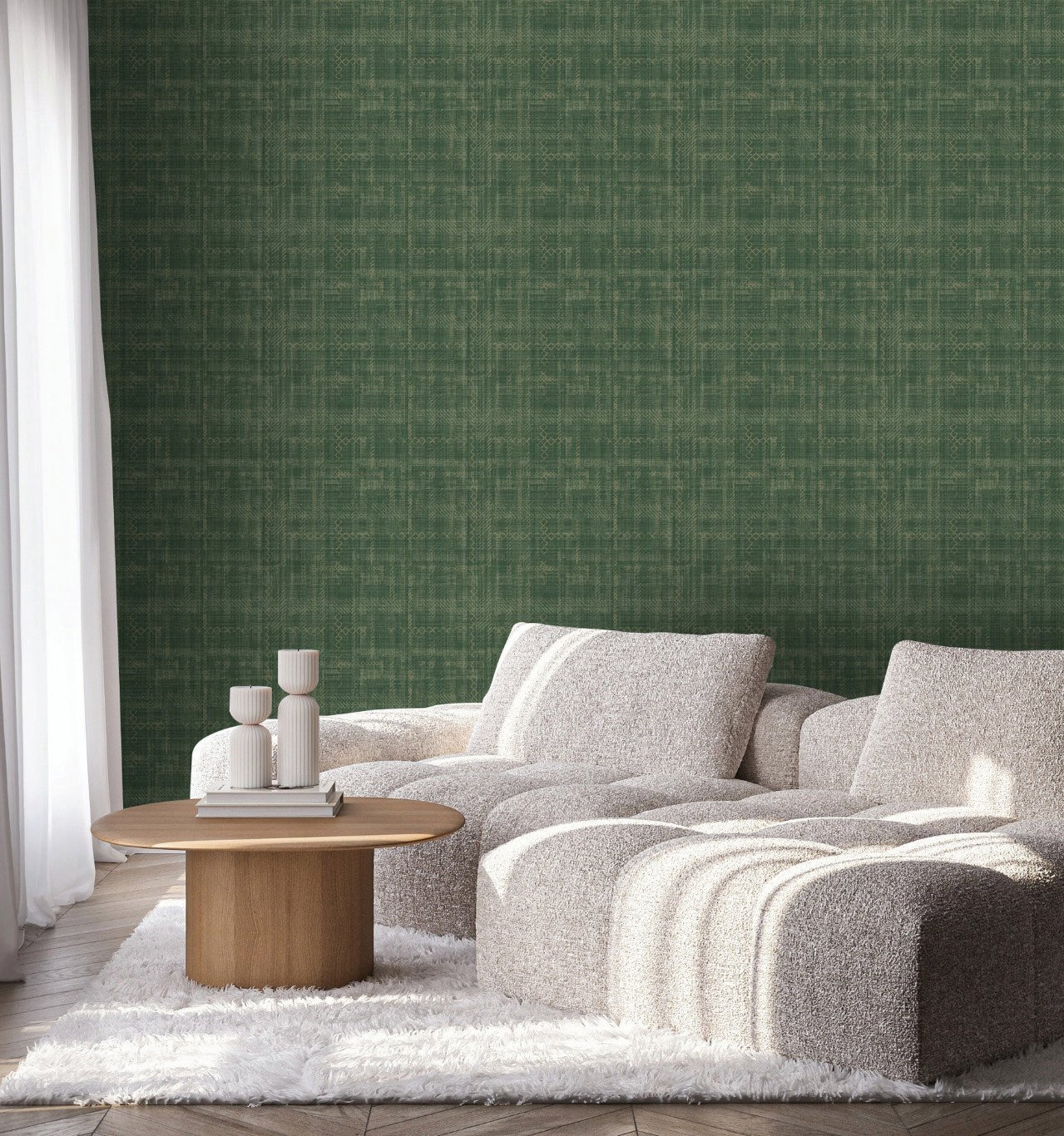
The living room accent wall sets the tone for the entire home. A deep-toned wallcovering behind the sofa creates a grounding backdrop for artwork and shelving. Pair it with lighter adjacent walls in off-white or warm grey to maintain balance.
Bedroom
Behind the headboard is the classic position. Soft, muted tones promote rest, while textured wallcoverings add visual interest you can appreciate from the doorway without stimulating the eye at bedtime.
Dining Area
Bold patterns work well here because dining spaces are used for shorter, more social periods. A damask or large-scale botanical wallpaper adds drama that complements pendant lighting and statement dining furniture.
Home Office or Study
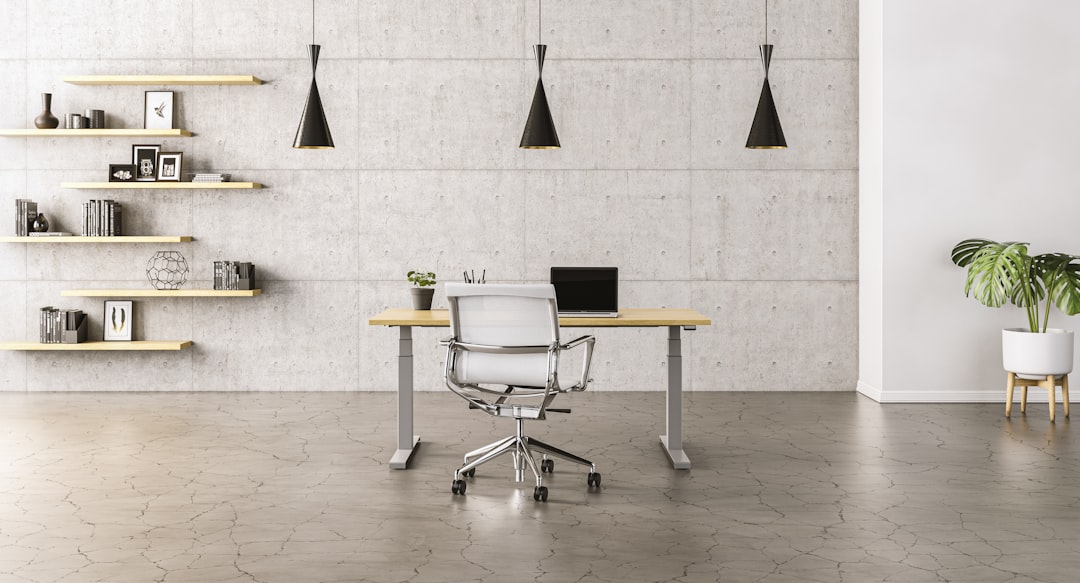
Choose colours that support focus without causing fatigue. Muted greens and blues are backed by research linking them to improved concentration. A linen-textured wallcovering in these shades adds warmth without distraction.
Entryway or Corridor
First impressions count. A patterned accent wall in the entryway signals style immediately. Keep adjacent surfaces simple so the accent reads as intentional rather than busy.
Coordinating Fabrics and Furnishings
An accent wall looks most cohesive when other elements in the room echo its colour or texture. Curtain and drapery fabrics are one of the easiest ways to create this connection.
If your accent wall is a deep teal wallcovering, select curtains in a lighter shade of the same colour family or a complementary warm neutral. Scatter cushions, throws, and upholstered seating can pick up secondary tones from a patterned wallpaper.
Avoid matching everything exactly. A room where every element is the same shade feels flat. Instead, layer two or three tones within the same colour family for depth and visual interest.
Rugs and flooring also play a role. Warm timber-look flooring grounds cool-toned walls, while lighter floors let bold accent colours take centre stage.
Common Mistakes to Avoid
- Too many accent walls: One wall per room is the rule. Two or more competing feature walls cancel each other out and create visual chaos.
- Ignoring lighting: Colours shift dramatically between natural daylight and warm artificial light. Always test samples in the actual room at different times of day.
- Clashing with fixed finishes: Consider existing floor tiles, kitchen countertops, and bathroom fittings before committing to a wall colour. These are expensive to change if they conflict.
- Forgetting the ceiling: In rooms with low ceilings, extending a dark accent colour upward can feel oppressive. Keep ceilings light unless you have generous ceiling height.
Final Thoughts
Accent colour wall design is a versatile, cost-effective way to refresh any room in your Singapore home. The key is choosing the right wall, selecting colours that suit the room’s purpose, and coordinating furnishings to create a unified scheme.
Wallcoverings offer a level of texture and pattern that paint alone cannot achieve, making them an excellent choice for feature walls that truly stand out.
Request free samples from our Singapore showroom to see how different wallcovering colours and textures look in your space.