Interior Design
Transitional Interior Design: Classic Meets Contemporary
Transitional interior design bridges the gap between traditional elegance and contemporary minimalism, borrowing the warmth and refinement of classic styles while embracing the clean lines and uncluttered sensibility of modern design. For Singapore homeowners and designers who find pure traditional too ornate and pure contemporary too stark, transitional design offers a sophisticated middle path that feels timeless rather than trendy.
This guide breaks down the principles, material choices and practical strategies for achieving transitional interiors in Singapore homes and commercial spaces.
Defining Transitional Interior Design
Transitional design is not simply mixing old and new furniture in the same room. It is a deliberate design philosophy that distils the best qualities of both traditional and contemporary styles while discarding their excesses.
From traditional design, transitional interiors inherit rich material palettes, comfortable proportions and a sense of permanence. From contemporary design, they borrow restraint, clean geometry and an emphasis on negative space. The result is rooms that feel both polished and liveable — sophisticated without being stiff, relaxed without being casual.
Key characteristics include:
- Simplified furniture silhouettes: Classic shapes — rolled arms, cabriole legs, wingback profiles — are streamlined and stripped of excessive ornamentation.
- Neutral colour dominance: Warm greys, taupe, cream, soft whites and muted blues form the foundation, with colour introduced through accents rather than wall treatments.
- Textural layering: Instead of pattern, transitional rooms rely on texture for visual interest — nubby upholstery against smooth wood, matte walls beside polished stone.
- Curated restraint: Every piece earns its place. There is no clutter, but neither is there the stark emptiness of hard minimalism.
Why Transitional Design Suits Singapore Homes
Singapore’s residential landscape — from HDB flats to condominiums and landed properties — presents a unique design context where transitional style thrives.
Compact floor plans in HDB and condo units demand the space efficiency of contemporary design, but many homeowners prefer interiors that feel warmer and more layered than a pure minimalist approach allows. Transitional design delivers that warmth through texture and proportion rather than through space-consuming ornamental furniture.
Singapore’s multicultural context also favours transitional design. Peranakan antiques, Chinese calligraphy scrolls, Malay woodcraft and colonial-era furniture all integrate naturally into transitional schemes because the style is inherently about harmonising diverse elements rather than adhering to a single period aesthetic.
For resale value, transitional interiors appeal broadly. They neither date as quickly as trend-driven contemporary spaces nor limit the buyer pool the way strongly themed traditional interiors might.
Material Choices for Transitional Interiors
Flooring
Timber or timber-look flooring is the foundation of most transitional schemes. Warm oak, walnut or teak tones in medium-width planks strike the balance between the parquet formality of traditional design and the wide-plank casualness of contemporary style. Quality vinyl plank flooring replicates these looks with the moisture resistance Singapore’s climate demands.
Wall Treatments
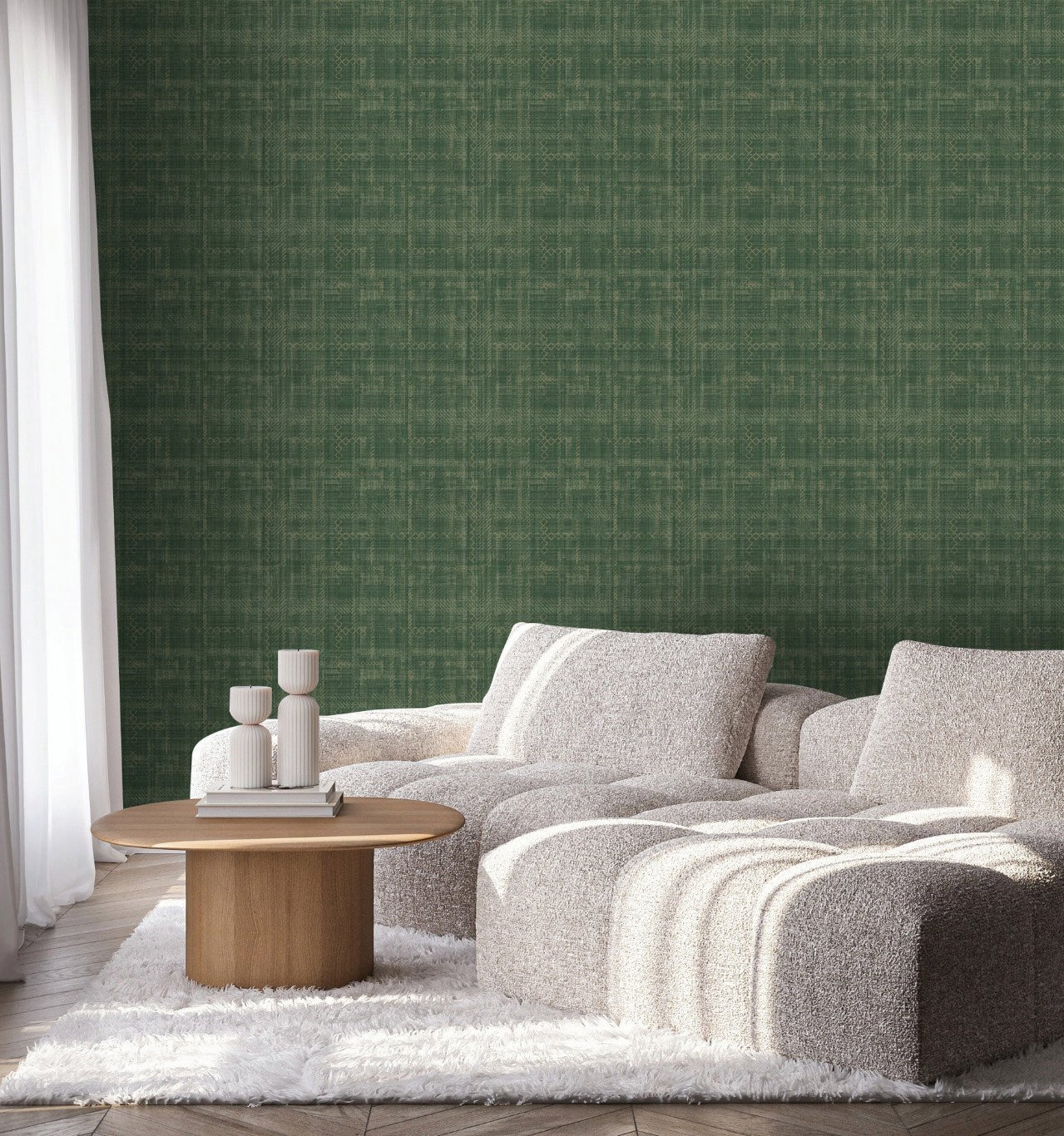
Transitional walls favour subtlety. Textured wallcoverings — linen weaves, subtle strie patterns, tone-on-tone geometrics — add depth without the visual weight of bold patterns. Wallpaper and wallcovering in warm neutrals with tactile texture is ideal for feature walls, while remaining walls stay in complementary paint tones.
Upholstery and Drapery
Fabric plays a central role in transitional interiors. Upholstery tends towards solid colours or subtle textures — herringbone, bouclé, brushed cotton — rather than bold prints. Curtains hang in gentle folds without the swags or pelmets of traditional design, using quality drapery fabric in medium-weight fabrics that drape gracefully.
Metals and Hardware
Transitional interiors favour warm metals — brushed brass, antique bronze, satin gold — over the chrome and stainless steel of purely contemporary spaces. These finishes appear in light fittings, furniture legs, cabinet handles and curtain rods, adding warmth and a sense of permanence.
Room-by-Room Transitional Design Ideas
Living Room
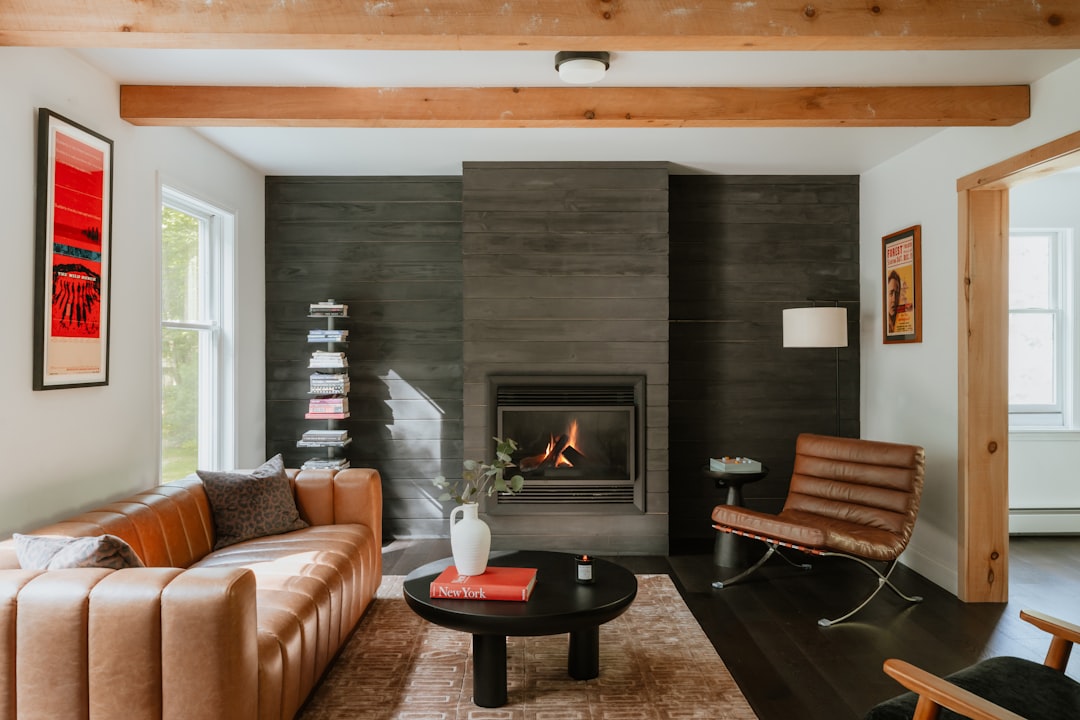
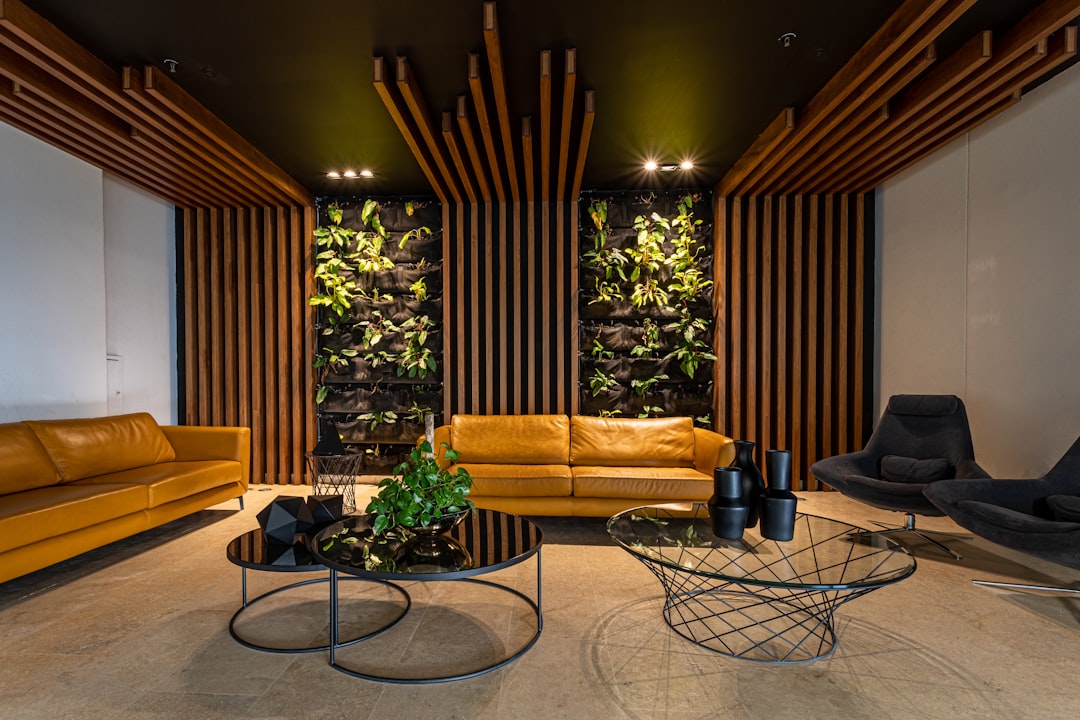
A transitional living room centres on a generously proportioned sofa in a neutral upholstery — taupe, warm grey or off-white — with clean lines but comfortable depth. Pair with an upholstered accent chair in a subtle texture, a timber coffee table with simple turned legs, and a textured area rug. Curtains in a soft dimout fabric frame the windows without fuss.
Bedroom
The transitional bedroom layers comfort without excess. An upholstered headboard in a neutral fabric anchors the bed. Bedside tables blend clean contemporary lines with traditional materials — timber with brass pulls, for instance. A textured wallcovering behind the bed adds a feature-wall moment without the drama of a bold pattern.
Dining Room
A timber dining table with contemporary proportions but crafted details — tapered legs, a bevelled edge — seats upholstered chairs in a durable neutral fabric. A pendant light in brass and glass bridges traditional chandelier elegance with modern simplicity. A textured wallpaper on one wall adds substance to the space.
Home Office
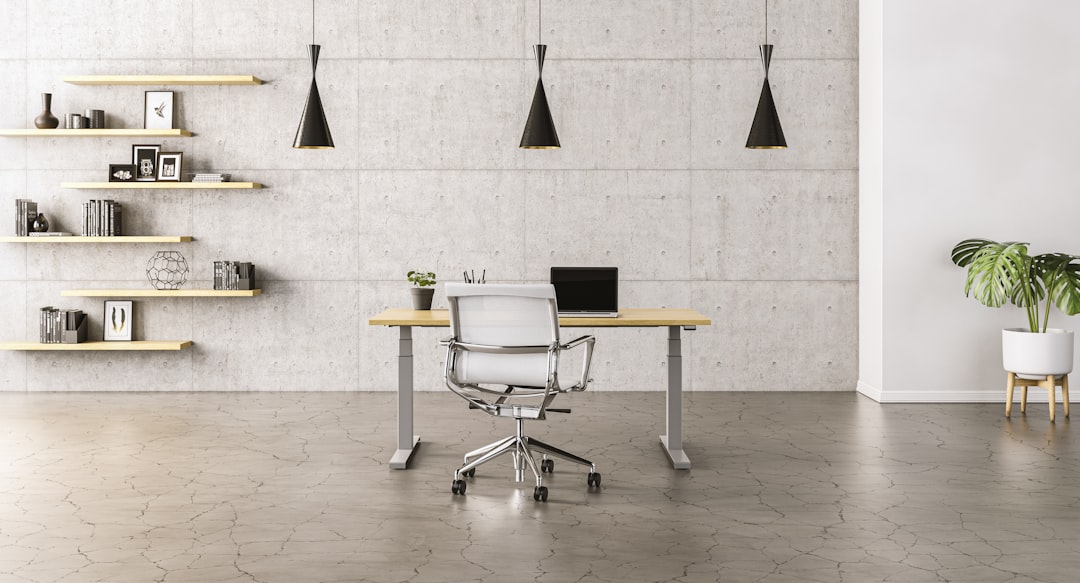
Transitional home offices pair a solid timber desk with a modern ergonomic chair, balancing function with warmth. Built-in shelving with clean lines but timber or lacquered finishes provides storage without the bulk of traditional cabinetry. A wool or sisal rug softens the floor.
Common Mistakes to Avoid
Transitional design requires a measured hand. These missteps can undermine the balanced aesthetic:
- Over-accessorising: Transitional rooms thrive on restraint. Too many decorative objects tip the balance towards traditional clutter.
- Mismatched formality: A formal dining table paired with ultra-casual beanbag seating is not transitional — it is simply mismatched. Maintain a consistent level of refinement across pieces.
- Ignoring texture: Without pattern to create visual interest, transitional rooms depend on texture. An all-smooth, all-matte room reads as unfinished rather than minimalist.
- Going too neutral: The neutral palette needs depth — layer warm whites, stone, linen, camel and charcoal rather than relying on a single beige throughout.
- Forgetting comfort: Transitional furniture should be as comfortable as it looks. Form follows comfort, not the other way around.
Final Thoughts
Transitional interior design endures because it refuses to choose between elegance and ease, tradition and modernity. It is a style built on balance — and in Singapore’s diverse, design-conscious homes, that balance resonates deeply.
Focus on quality materials, textural variety and restrained proportions. Let the interplay between classic warmth and contemporary clarity define the space, and the result will feel as relevant in ten years as it does today.
Book an appointment with our design consultants to explore wallcovering and fabric options for your transitional interior project.