Interior Design
Dark Academia Interior Design: Scholarly Elegance at Home
Dark academia interior design draws from the visual world of old universities, private libraries and European literary culture — think oak-panelled studies, leather-bound books, brass desk lamps and moody colour palettes. Originally an online aesthetic movement, dark academia has matured into a legitimate interior design style that resonates with homeowners seeking depth, warmth and intellectual character in their living spaces.
For Singapore homes where personality and atmosphere take priority over following mainstream trends, dark academia offers a distinctive, richly layered approach to interior design.
What Defines Dark Academia Interiors
Dark academia interiors are characterised by a specific material and colour vocabulary that evokes scholarly tradition:
- Colour palette: Deep browns, forest greens, burgundy, navy, charcoal, burnt sienna and antique gold. Walls, furniture and textiles all draw from this warm, dark spectrum.
- Natural materials: Dark-stained timber, leather, stone, brass, aged metals and natural fibre textiles dominate. Synthetic materials and high-gloss finishes are minimised.
- Books as decor: Bookshelves are not just storage — they are the room’s centrepiece. Floor-to-ceiling shelving, stacked volumes on tables and open bookcases define the space.
- Layered lighting: Warm, low lighting from table lamps, desk lamps and wall sconces creates pools of light rather than uniform brightness. The interplay of light and shadow is essential to the mood.
- Classical references: Framed maps, botanical prints, plaster busts, antique globes and architectural drawings reference academic tradition without being literal reproductions.
Adapting Dark Academia for Singapore
Dark academia originated in temperate, northern contexts — English colleges, Ivy League campuses, Parisian apartments. Translating it to tropical Singapore requires thoughtful adaptation to work with the climate and local housing conditions.
Managing Dark Colours in Compact Spaces
Singapore apartments are generally smaller than the stately libraries that inspire dark academia. Dark walls in a 3-room HDB flat risk feeling oppressive rather than atmospheric. The solution is strategic placement:
- Apply dark colours to one or two walls rather than all four. A single dark feature wall — deep green or rich brown — creates the mood without closing in the room.
- Use dark academia colours on lower wall portions (below a dado rail or picture rail) with lighter tones above to maintain ceiling height.
- Concentrate the darkest elements in rooms with adequate lighting — studies, reading nooks, bedrooms — where the cocooning effect is desirable.
Choosing Climate-Appropriate Materials
Heavy wool blankets and thick velvet curtains are dark academia staples but can feel oppressive in Singapore’s heat. Opt for lighter-weight alternatives that capture the aesthetic without the thermal discomfort:
- Cotton velvet instead of silk velvet — lighter and more breathable while maintaining the luxurious sheen.
- Linen-blend upholstery in dark tones rather than heavy wool or leather, which can feel sticky without constant air-conditioning.
- Rattan or cane pieces stained dark, merging tropical materiality with the academia colour palette.
Key Design Elements Room by Room
The Study or Home Office
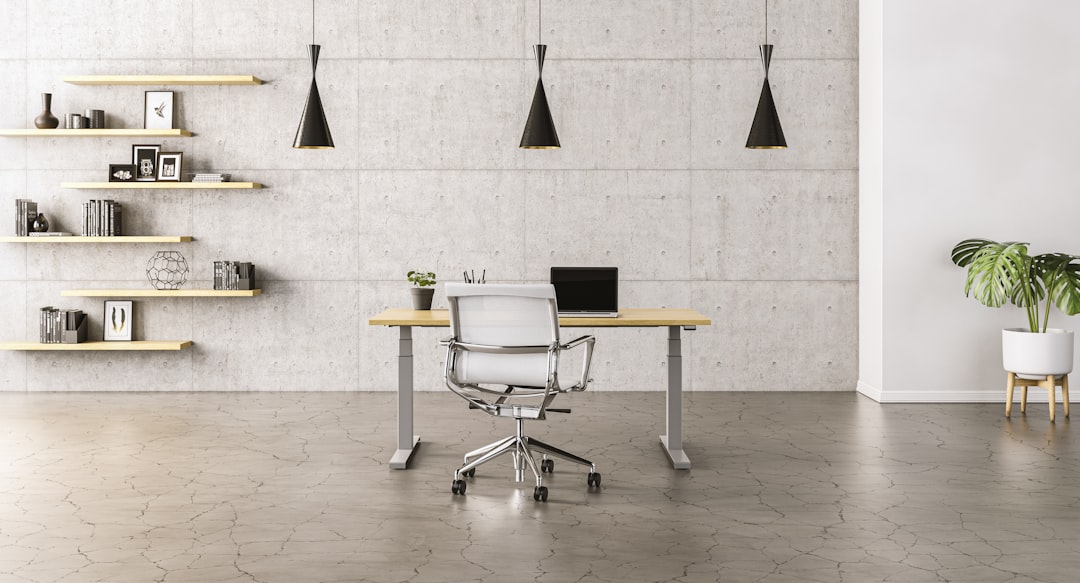
This is dark academia’s natural habitat. A dark-stained timber desk, a leather or tweed-upholstered chair, brass desk lamp and floor-to-ceiling bookshelves form the foundation. Wallpaper in a deep green or burgundy with subtle damask or herringbone texture adds richness to the walls without the commitment of dark paint.
Accessorise with stacked leather-bound journals, a desktop globe, pen holders and framed vintage maps. A small Persian-style rug in warm tones anchors the desk area.
The Bedroom
Dark academia bedrooms feel like retreats. A headboard wall in deep brown or navy wallcovering sets the tone. Layer the bed with linen sheets in cream or ecru, a dark throw and multiple cushions in muted plaids and solids. Bedside tables in dark timber with brass hardware complete the look.
Curtains should be substantial — a heavy dimout fabric in a dark neutral — but lined rather than interlined to manage tropical heat. The goal is a room that feels enclosed and restful without being stifling.
The Living Room
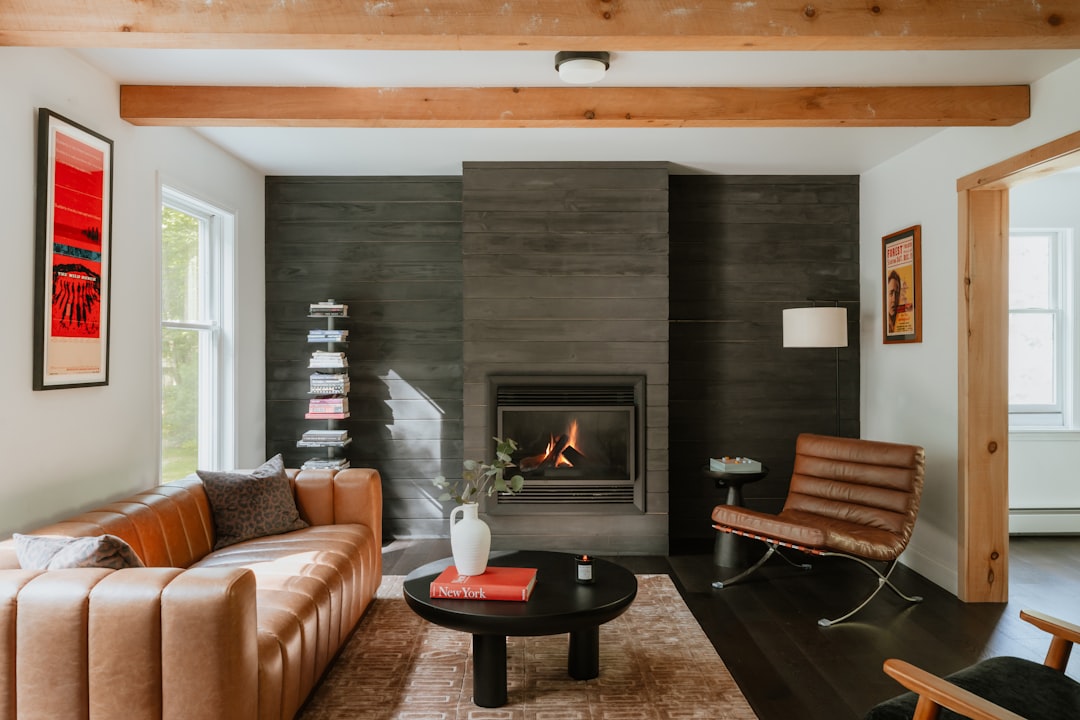
A dark academia living room centres on seating and books. A substantial sofa in dark brown or charcoal, flanked by filled bookshelves, creates the library-lounge atmosphere. Mix seating types — a chesterfield sofa, a leather armchair, a timber-framed reading chair with plaid upholstery — for the collected, lived-in quality the style demands.
Coffee tables should be timber or timber-and-metal, styled with books, candles and a small plant. Avoid glass or high-gloss surfaces that disrupt the warm, matte material palette.
Walls and Wallcovering Choices
Wall treatment is critical for establishing the dark academia atmosphere. Several approaches work well:
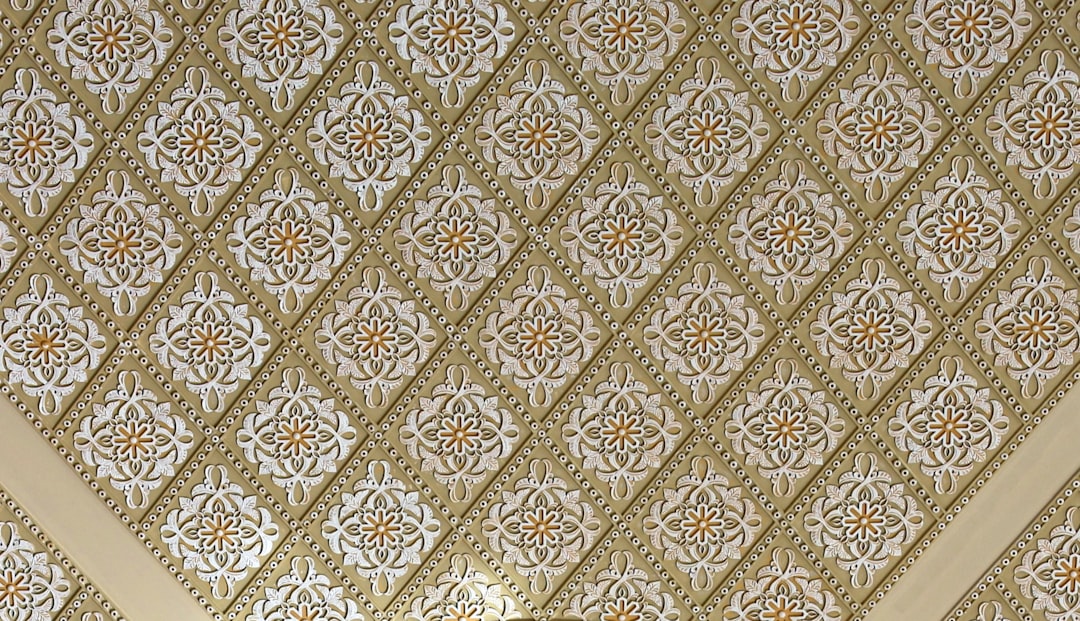
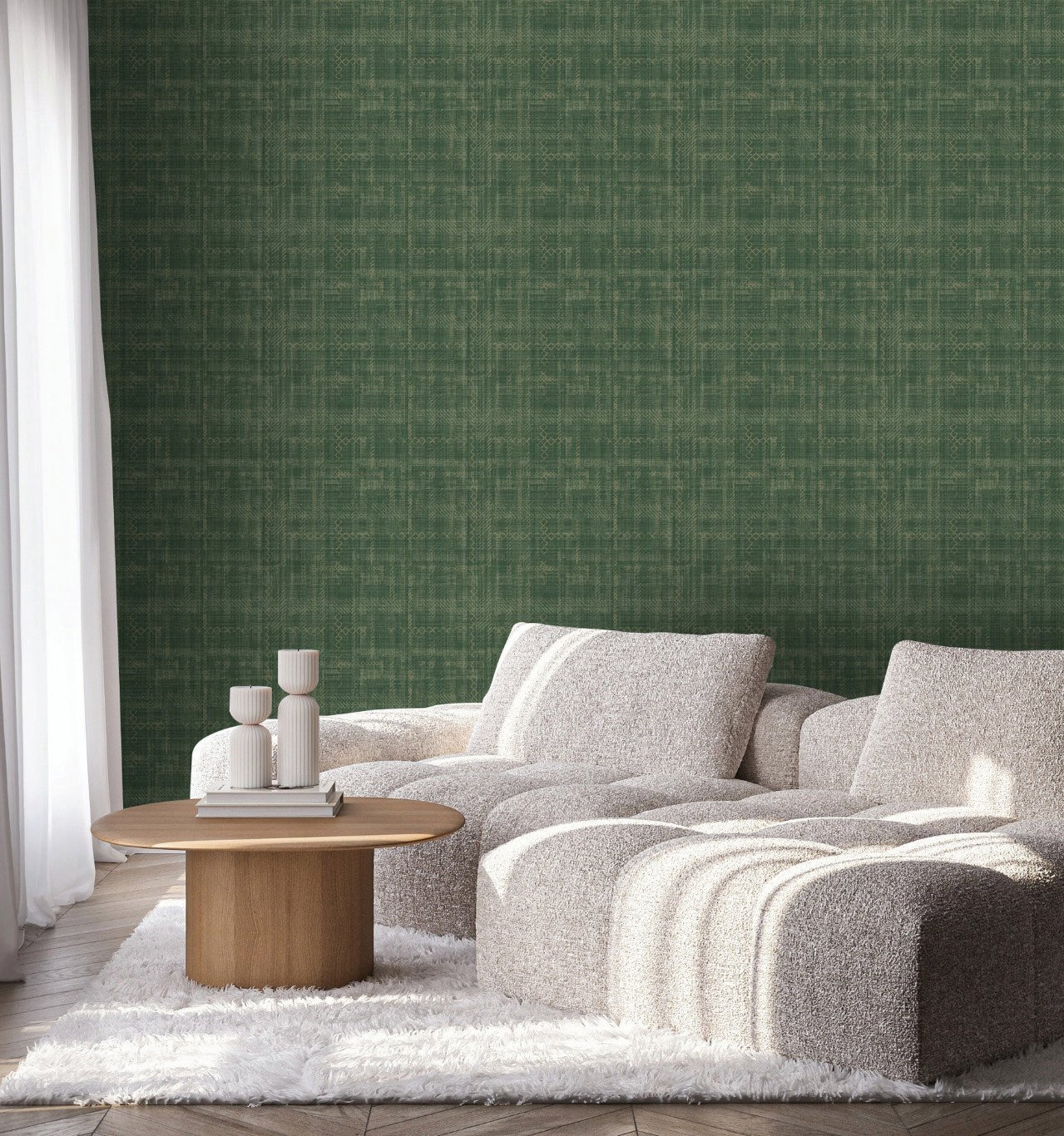
Dark textured wallpaper: Wallcoverings in deep green, brown or navy with linen, grasscloth or damask textures create instant depth. The texture catches light and prevents dark walls from reading as flat or lifeless.
Wood panelling effect: Wallpaper that replicates timber panelling, wainscoting or library shelving achieves the collegiate look without structural work. Some designs are remarkably convincing, particularly those printed on textured substrates.
Mural wallcaper: Vintage map murals, aged document effects or classical painting reproductions serve as dramatic feature walls that embody the intellectual spirit of dark academia.
Two-tone walls: Darker wallpaper below a dado rail with a lighter treatment above opens up the room vertically while maintaining the dark, grounded quality at eye level.
Textiles and Fabric Choices
Textiles bring warmth and tactile richness to dark academia interiors. Key fabric choices include:
- Velvet: For cushions, curtains and upholstery accents. Cotton velvet in forest green, burgundy or navy is the quintessential dark academia textile.
- Tweed and herringbone: For upholstery and cushions, bringing a scholarly, tailored quality to seating.
- Plaid and tartan: Throws and cushions in muted tartans add pattern without disrupting the colour palette.
- Linen: In natural and dark tones, for curtains, table runners and lighter upholstery applications that breathe in Singapore’s climate.
Source quality textiles from established upholstery fabric collections that offer the depth of colour and material quality dark academia requires. Inexpensive fabrics in dark colours tend to look flat and lifeless, undermining the aesthetic.
Final Thoughts
Dark academia interior design rewards investment in quality materials, considered layering and a willingness to embrace colour depth. In Singapore, adapting the style for tropical conditions — lighter-weight fabrics, strategic use of dark walls, climate-appropriate materials — makes it not just achievable but genuinely comfortable to live with.
Start with a single room — a study or bedroom — where the enveloping atmosphere works naturally, and expand from there as confidence grows.
Request free samples of dark-toned wallcoverings and textured fabrics to begin building your dark academia palette.