Interior Design
Executive Office Design Ideas: Authority and Style
Executive office design ideas must reconcile competing demands: projecting authority while remaining approachable, impressing visitors while supporting focused work, and reflecting individual status while aligning with corporate identity. In Singapore’s business landscape, where office design signals company culture and leadership calibre, getting the executive suite right carries weight beyond mere aesthetics.
This guide covers layout strategies, material selections and design details that create executive offices worthy of the title — practical, impressive and suited to Singapore’s commercial context.
Layout and Spatial Planning
The executive office layout must support three distinct modes of work: individual focused tasks, one-on-one discussions and small group meetings. Each requires different spatial conditions, and the best executive offices accommodate all three without feeling cluttered.
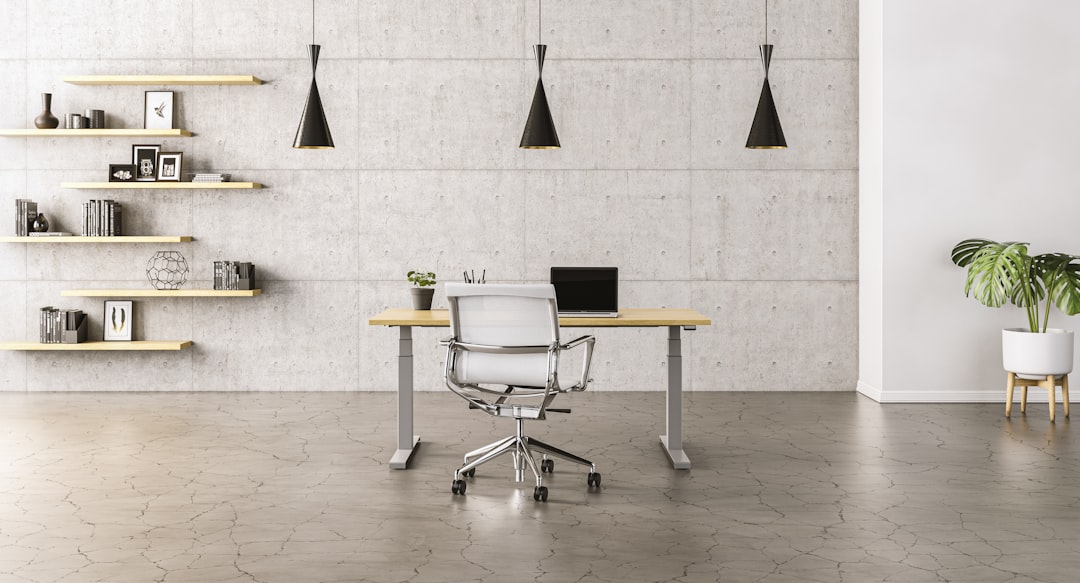
The desk zone: Position the executive desk facing the door — a fundamental principle of office feng shui widely observed in Singapore and supported by practical logic (seeing who enters promotes confidence and reduces startle). The desk should have clear space behind it, ideally with a credenza or low storage unit against the rear wall. Avoid placing the desk directly against a window, which creates glare during video calls and backlights the occupant unfavourably during in-person meetings.
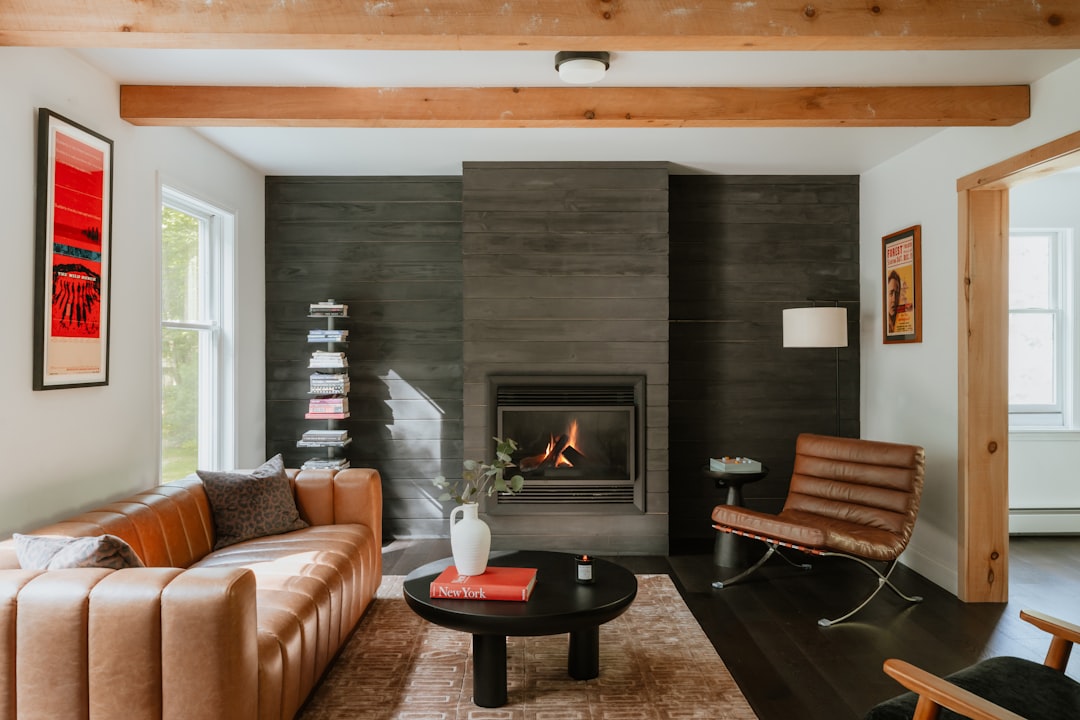
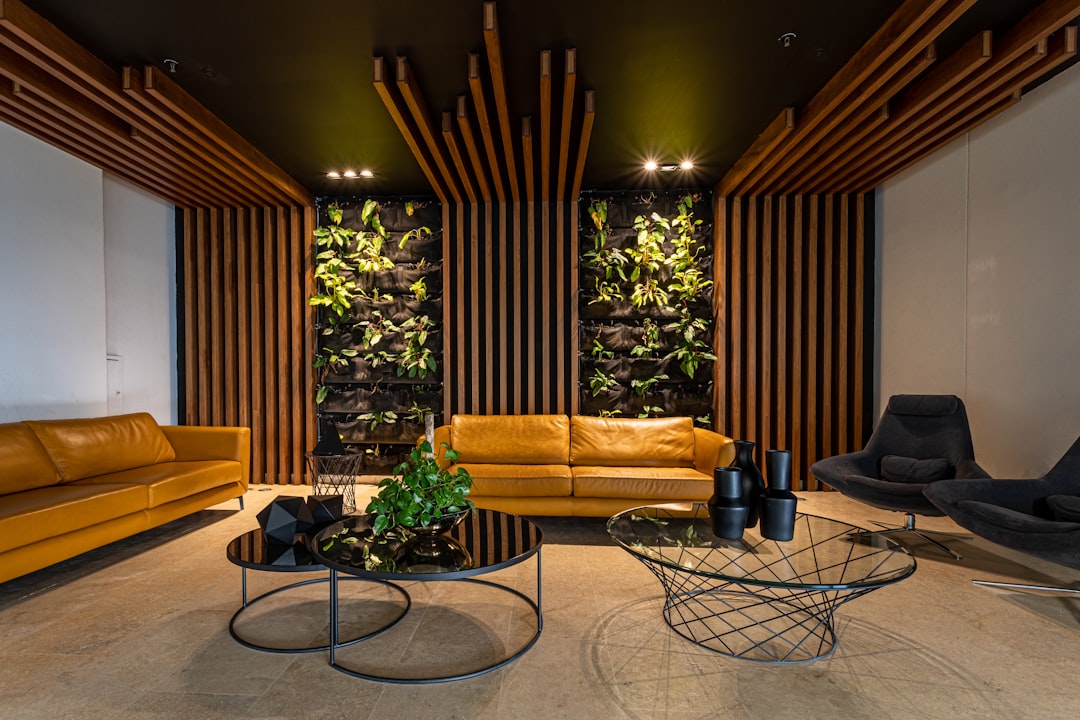
The meeting zone: A small meeting table (4-6 seats) or a sofa-and-armchair arrangement within the office allows private discussions without booking a conference room. This zone should feel distinct from the desk area — a different flooring texture, a rug or a subtle change in lighting helps demarcate it.
The display zone: Executive offices often house awards, credentials, product samples or art. Dedicated shelving or a display wall keeps these visible without cluttering the desk or meeting areas.
Material Selection: Communicating Quality
Materials in an executive office speak before the occupant does. The selection should communicate permanence, quality and understated sophistication:
Flooring
Executive offices typically feature premium flooring that distinguishes the space from the open-plan office beyond. Options include:
- Carpet: Plush cut-pile or dense loop-pile carpet in a rich tone — deep blue, charcoal, dark taupe — dampens sound and adds gravitas. Carpet also softens footfall, contributing to the quieter ambience expected in senior leadership spaces.
- Timber or timber-look planks: High-quality LVT or SPC flooring in dark walnut or oak tones offers the visual warmth of timber with superior dimensional stability in air-conditioned environments. A large area rug over hard flooring defines the meeting zone and adds acoustic benefit.
Wall Treatments
Walls set the room’s tonal foundation. Executive offices benefit from wall treatments with more depth and texture than standard commercial paint:
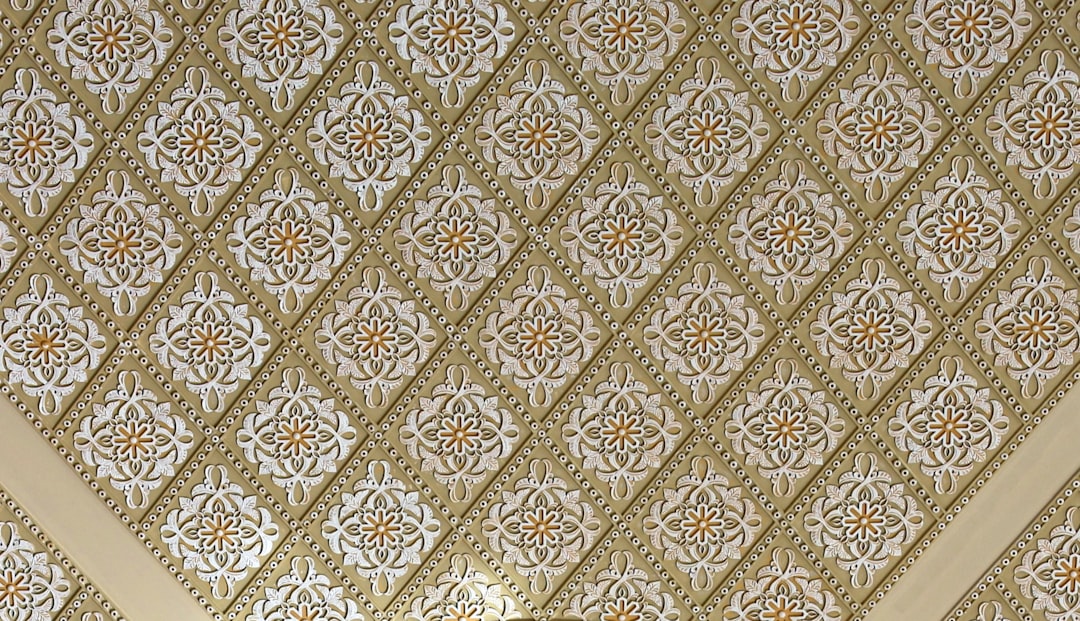
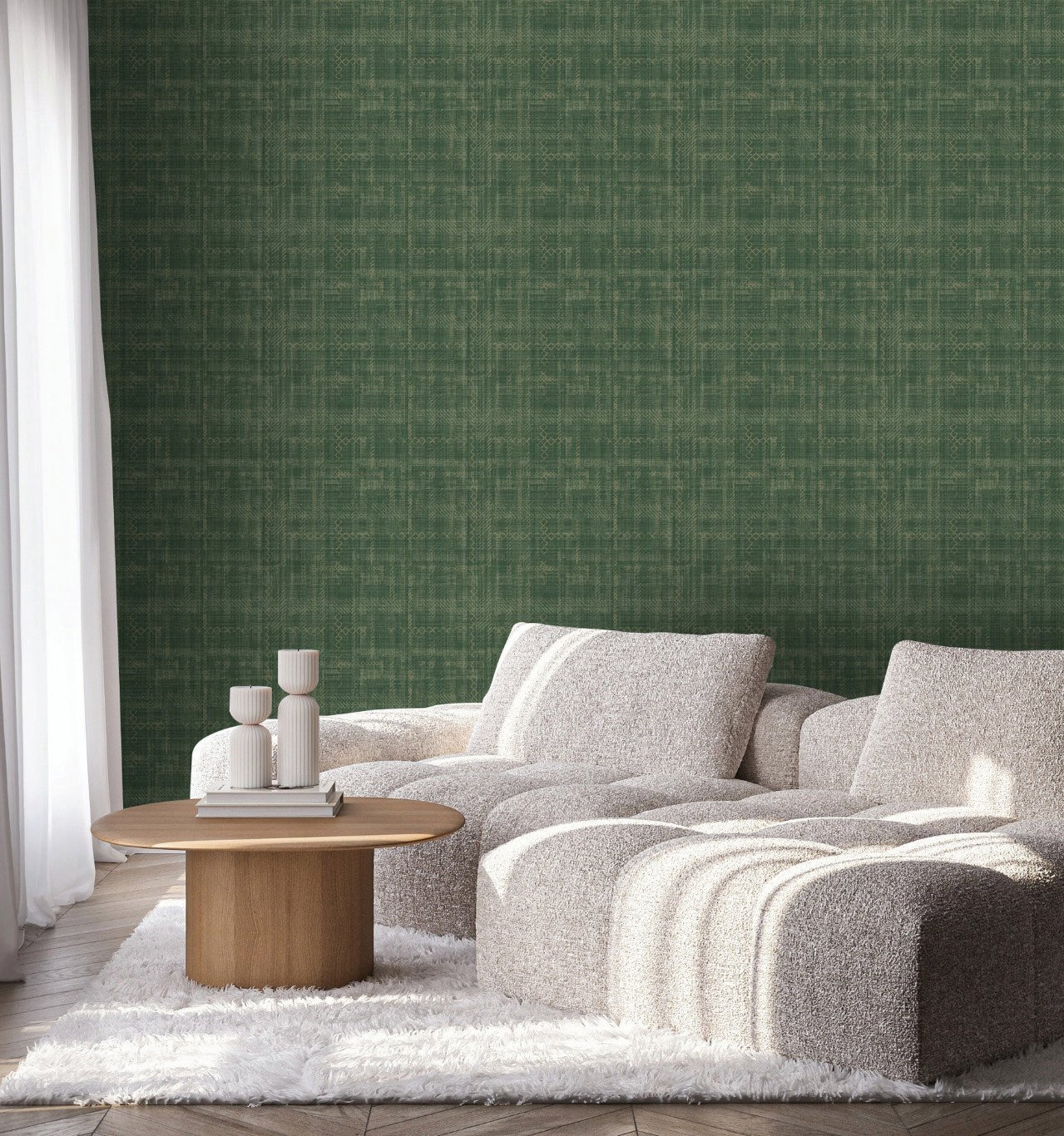
- Textured wallcovering: Linen-effect, grasscloth or subtle geometric wallcoverings in warm neutrals add sophistication without distraction. A full-room wallcovering in a premium wallpaper signals investment and attention to detail.
- Wood panelling: Real timber veneer panels or convincing wallcovering alternatives create a boardroom atmosphere. Half-height panelling with wallcovering above is a classic executive treatment.
- Accent walls: A feature wall behind the desk — in a darker tone, richer texture or contrasting material — frames the occupant and provides a professional backdrop for video conferencing.
Upholstery
The executive chair, guest seating and sofa upholstery should use premium materials: full-grain leather, quality wool blends, or performance fabrics that look and feel luxurious while resisting wear. Avoid synthetic fabrics that look corporate-generic — the executive office is the place for distinctive, high-touch textiles.
Lighting Design
Executive office lighting requires more nuance than the standard overhead fluorescent approach of open-plan floors:
Ambient lighting: Recessed downlights or a refined pendant fixture provides general illumination without the harshness of panel lights. Warm-white colour temperature (3000K) creates a welcoming atmosphere.
Task lighting: A high-quality desk lamp — brass, leather or brushed metal — provides focused light for reading and writing. It also serves as a design object in its own right.
Accent lighting: Recessed shelf lights, picture lights for artwork or LED strip lighting behind credenzas add layers that elevate the space from office to executive suite.
Natural light: Maximise it where possible, but control glare with quality window treatments. Dimout curtains or motorised blinds allow the occupant to adjust light levels for different activities throughout the day.
Acoustic Privacy
Confidential conversations are routine in executive offices. Acoustic privacy is not a luxury — it is a functional requirement:
- Wall construction: Full-height partitions with acoustic insulation outperform glass panels for sound isolation. If glass is desired for transparency, specify acoustic-rated glazing systems.
- Soft finishes: Carpet, upholstered furniture, curtains and fabric-wrapped acoustic panels all absorb sound, reducing echo within the office and minimising sound transmission.
- Door specification: A solid-core door with perimeter seals provides significantly better acoustic isolation than a hollow-core or glass door.
- Sound masking: White noise or sound masking systems can supplement physical acoustic measures, particularly in buildings with lightweight partition systems.
Design Details That Elevate the Space
The difference between a standard private office and an executive suite lies in details:
- Hardware: Door handles, cabinet pulls and curtain rods in brass, bronze or satin nickel convey quality. Cheap plastic or flimsy chrome hardware undermines an otherwise sophisticated fitout.
- Art and objects: Original artwork, sculptures, well-chosen books and meaningful objects personalise the space and prompt conversation. Avoid mass-produced corporate art that signals indifference.
- Plants: A large statement plant — a fiddle leaf fig, a monstera, a well-maintained palm — introduces life and improves air quality. Position away from direct air-conditioning vents.
- Technology integration: Cables should be invisible. Charging stations, video conferencing cameras and screens should be integrated into the furniture or architecture rather than sitting on surfaces.
- Personal climate control: A dedicated thermostat or supplementary air-conditioning unit allows the executive to maintain preferred temperature independently of the building system.
Final Thoughts
Executive office design ideas succeed when they create a space that impresses without intimidating, supports work without distraction, and reflects leadership quality through material choices and spatial intelligence. In Singapore’s competitive corporate environment, the executive office is both a workspace and a statement — and every element should serve both purposes.
Invest in quality materials that age gracefully, prioritise acoustic privacy for confidential work, and let the details communicate the calibre you expect.
Get a free quote for premium wallcovering, carpet and fabric for your executive office fitout.