Interior Design
Reception Area Design: Making Strong First Impressions
Reception area design determines a visitor’s first impression of your business — often within seconds of walking through the door. In Singapore’s competitive commercial landscape, where companies invest heavily in brand image, the reception area is more than a waiting space. It is a statement of values, professionalism and attention to detail that sets expectations for every interaction that follows.
This guide covers the design principles, material choices and practical considerations that create reception areas worthy of the businesses they represent.
The Role of Reception Design in Business
Research consistently shows that people form judgements about organisations within the first seven seconds of entering their premises. The reception area is the primary environment shaping those snap assessments.
A well-designed reception communicates:
- Professionalism: Quality materials, clean lines and considered lighting signal competence and reliability.
- Brand identity: Colour palette, material choices and design language should align with the company’s brand positioning — creative agencies look different from law firms, and both differ from medical practices.
- Respect for visitors: Comfortable seating, clear wayfinding and a welcoming atmosphere show that the organisation values the people who walk through its doors.
- Company culture: The reception reveals whether a company is formal or casual, traditional or innovative, corporate or creative.
In Singapore, where face-to-face business meetings remain important despite digital communication, the physical reception area continues to play a significant commercial role.
Layout Essentials
Effective reception area design follows a logical spatial sequence from entry to seating to service:
Entry and transition zone: The first few metres inside the door should provide a moment of orientation. Visitors need to see the reception desk immediately upon entering — if it is hidden around a corner or behind a partition, confusion replaces confidence. Entrance matting protects interior flooring from tracked-in dirt and moisture, particularly during Singapore’s frequent rain showers.
Reception desk: The desk is the focal point and should be positioned facing the entrance. It should be high enough for privacy (staff screens not visible to approaching visitors) but low enough for accessible interaction. A section at wheelchair height ensures compliance with Singapore’s Building and Construction Authority accessibility guidelines.
Waiting area: Position seating where visitors can see the reception desk and be seen by the receptionist. This mutual visibility reassures visitors that they have not been forgotten. Allow a minimum of 1.5 square metres per seated person for comfort.
Circulation space: Maintain clear pathways between the entrance, desk and seating. In busy reception areas, crossing traffic patterns create confusion. Separate the visitor flow from staff movement where possible.
Wall Treatments and Feature Walls
The wall behind the reception desk is the most important vertical surface in the entire office. It frames the first interaction and serves as the backdrop for the company logo or brand element. Options for this critical wall include:
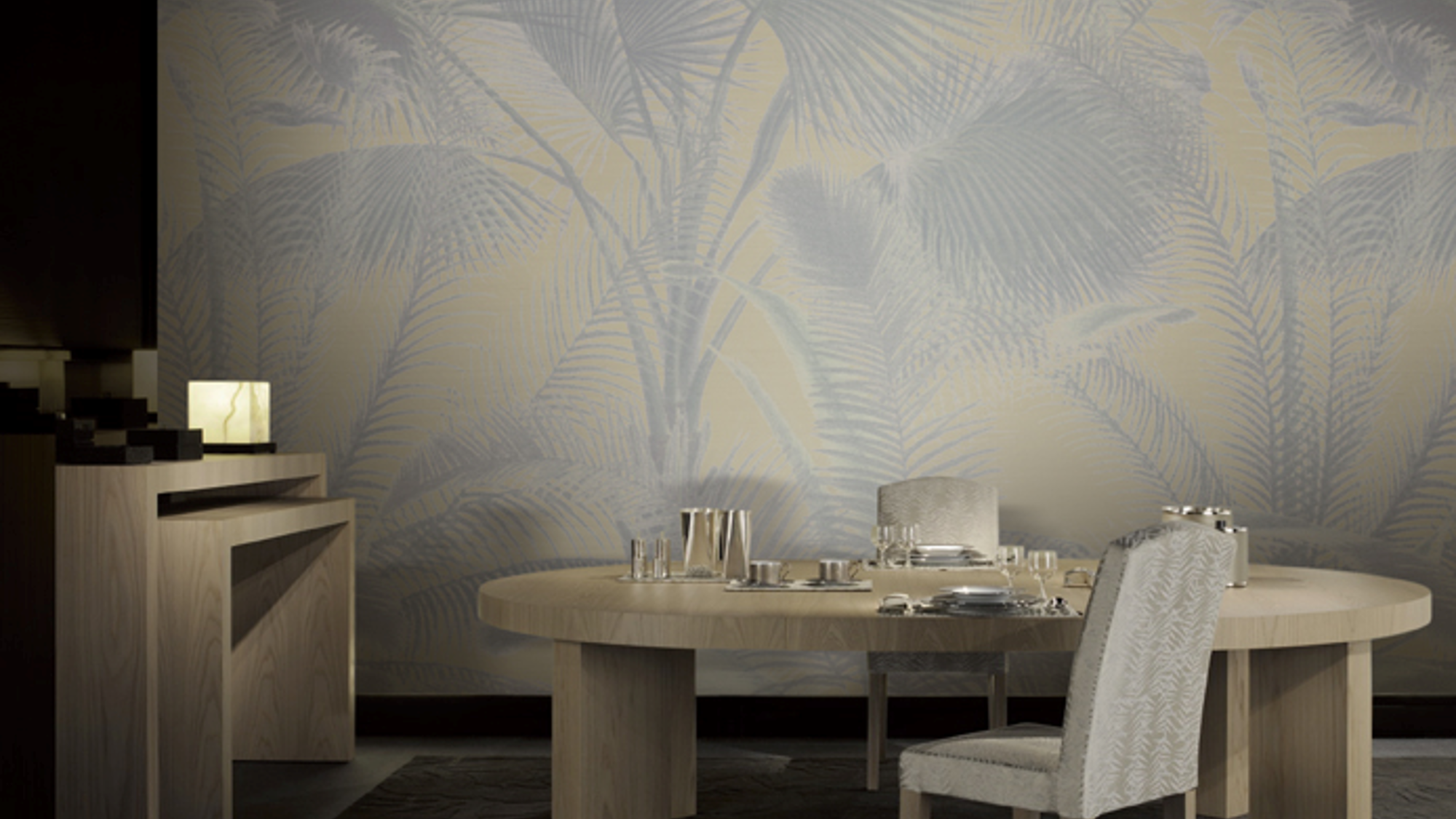
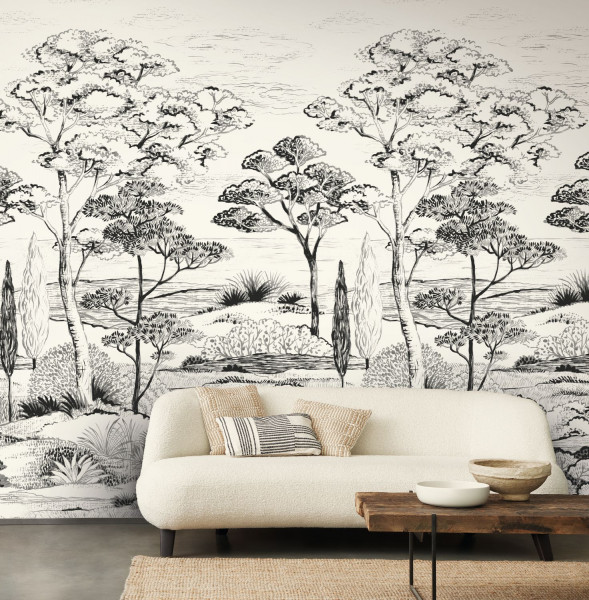
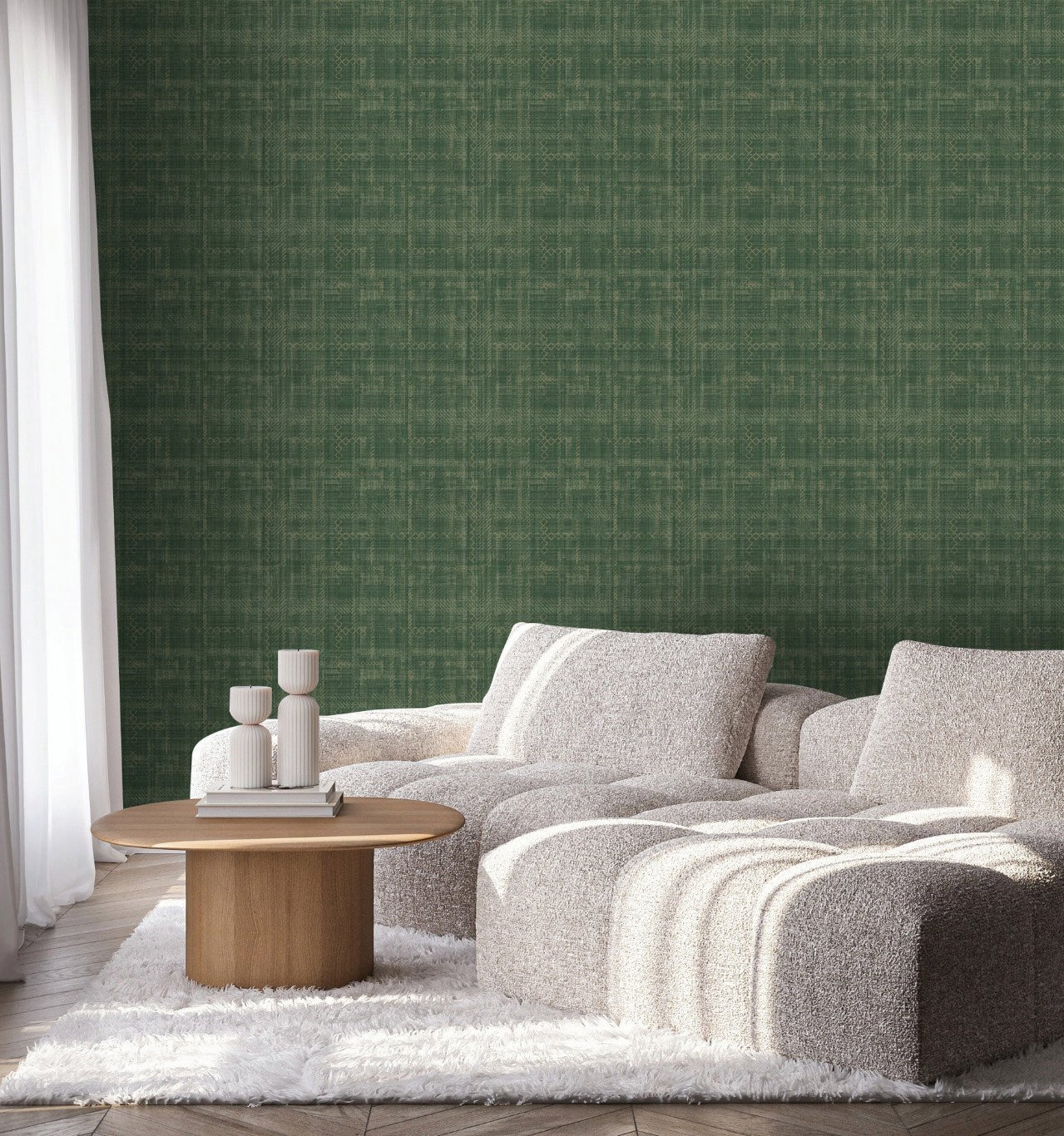
- Premium wallcovering: Textured wallpaper and wallcovering in a rich, brand-aligned colour creates a sophisticated backdrop. Grasscloth, linen-effect and metallic-thread wallcoverings add tactile depth that paint alone cannot achieve.
- Timber or stone veneer: Natural material feature walls project permanence and quality. These can be real veneer or high-quality wallcovering alternatives that replicate the look with less weight and cost.
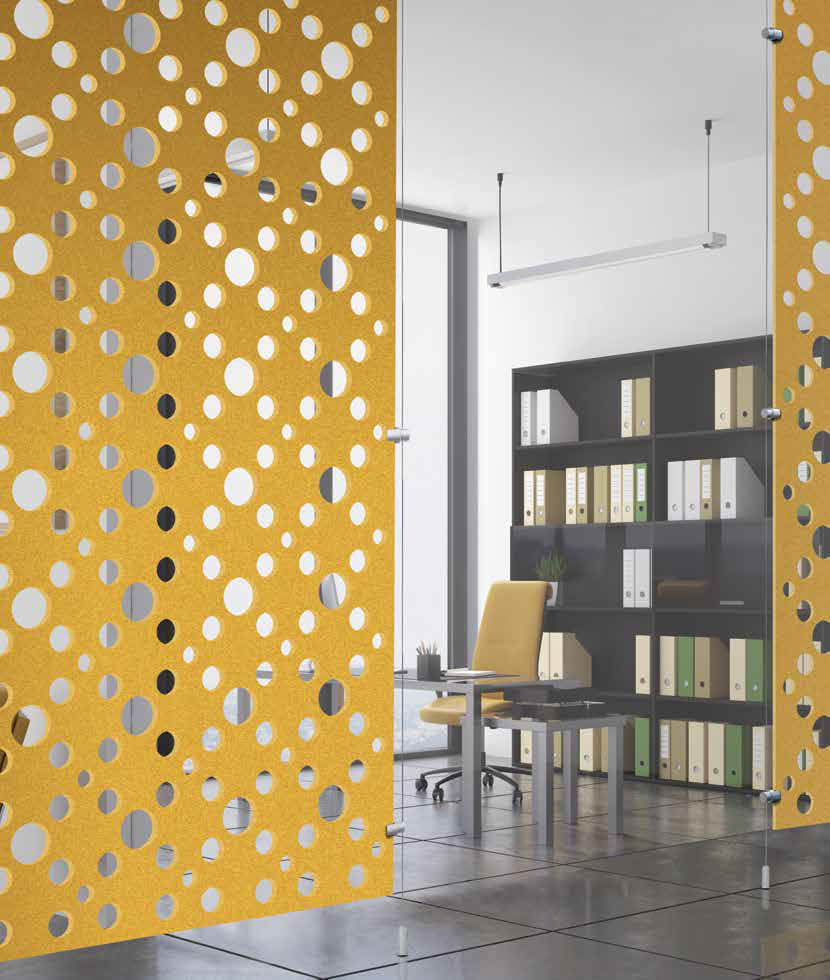
- Backlit panels: Translucent materials with integrated lighting create a luminous feature wall that draws the eye and adds a contemporary edge.
Remaining reception walls should complement the feature wall without competing. Neutral tones, subtle textures and restrained treatment keep the focus on the desk wall and the brand elements it carries.
Flooring Choices
Reception flooring must balance aesthetics with the realities of high foot traffic, tracked-in moisture and rolling luggage or delivery trolleys:
| Flooring Type | Advantages | Considerations |
|---|---|---|
| Large-format porcelain tile | Durable, elegant, easy to maintain | Hard underfoot, acoustically reflective |
| Luxury vinyl tile (LVT) | Warm, quiet, wide design range | Suits all but the most premium lobbies |
| Carpet tile | Acoustic benefit, warm, replaceable | Requires regular cleaning in high-traffic areas |
| Natural stone | Maximum prestige, unique patterning | High cost, requires sealing, cold underfoot |
| Combination | Zones different areas effectively | Requires careful transition detailing |
Many Singapore reception areas combine hard flooring in the circulation zone with carpet in the waiting area. This creates a subtle shift that guides visitors from arrival to seating while managing acoustics and maintenance differently in each zone.
Seating and Comfort
Reception seating communicates care and culture. The selection depends on the average wait time, visitor profile and desired formality level:
Formal corporate receptions: Upholstered armchairs or lounge chairs in leather or quality fabric project seriousness and comfort. Arrange in pairs or small groups rather than rows — this is a reception, not a waiting room.
Creative and tech companies: More relaxed seating — contemporary sofas, modular seating systems or a mix of seating types — reflects an open, innovative culture. Interesting upholstery textures and colours reinforce the brand personality.
Healthcare and professional services: Clean-lined, comfortable chairs with antimicrobial upholstery in calming colours reduce visitor anxiety. Adequate spacing between seats provides personal space.
Regardless of style, ensure seating is comfortable for waits of up to 15 minutes, stable enough for elderly visitors, and at a height that allows easy standing. Provide a side table within reach for bags, devices and refreshments.
Lighting, Acoustics and Finishing Details
Lighting: Layer ambient, task and accent lighting. Ambient light should be warm (3000-3500K) and even, avoiding harsh shadows on visitors’ faces. Accent lighting on the feature wall and reception desk draws focus. Task lighting at the desk ensures the receptionist can work effectively.
Acoustics: Hard surfaces in reception areas create echo and noise buildup that makes the space feel chaotic. Acoustic solutions — ceiling panels, fabric-wrapped wall panels, carpet and upholstered furniture — absorb sound and create a calmer arrival experience.
Scent: A subtle, consistent fragrance in the reception reinforces brand identity through another sense. Many Singapore hotels and premium offices use discreet scent diffusion systems.
Greenery: A well-maintained plant — whether a statement tree in a planter or a living wall installation — adds life, colour and air quality benefits. It also softens the corporate environment and makes visitors feel more at ease.
Signage and wayfinding: Clear, well-designed signage in materials consistent with the interior (brushed metal, etched glass, quality acrylic) helps visitors navigate without asking. Directional signage to lifts, meeting rooms and amenities reduces reception desk enquiries.
Final Thoughts
Reception area design is an investment in every first impression your business makes. The space should communicate your brand, comfort your visitors and function efficiently for both guests and staff. In Singapore’s quality-conscious business environment, the details matter — from the texture of the wallcovering to the comfort of the seating and the warmth of the lighting.
Design for the impression you want to create, build with materials that sustain it, and maintain the space as diligently as you would any other client-facing asset.
Book an appointment with our design consultants to explore wallcovering, carpet and fabric options for your reception area project.