Interior Design
Fluted Panel Ideas for Every Room in Your Home
Fluted panel interior design has become a defining feature of contemporary Singapore homes, adding rhythm, texture and architectural interest to otherwise flat surfaces. From headboard walls to kitchen islands, fluted panels introduce a sense of craftsmanship that elevates any room. Here is how to use them effectively throughout your home.
What Are Fluted Panels?
Fluted panels feature a series of evenly spaced, rounded vertical grooves carved or moulded into a flat surface. The design draws from classical architecture, where fluting adorned columns in Greek and Roman buildings. In modern interiors, this same principle is applied to wall panels, cabinetry, furniture fronts and decorative screens.
The appeal lies in the interplay of light and shadow. As light moves across the grooved surface, it creates a subtle, shifting pattern that adds depth and dimension to walls and furnishings. The effect is elegant without being ornate, making fluted panels equally at home in minimalist apartments and more traditional settings.
Popular Materials for Fluted Panels
The material you choose determines the overall look, durability and cost of your fluted panels. Here are the most common options available in Singapore:
| Material | Look and Feel | Best For |
|---|---|---|
| Solid timber | Warm, natural grain visible | Feature walls, headboards |
| MDF (painted) | Smooth, uniform finish | Cabinetry, kitchen islands |
| Plywood veneer | Wood look, lighter weight | Large wall panels, room dividers |
| PVC or WPC | Moisture-resistant, uniform | Bathrooms, high-humidity areas |
| Concrete or plaster | Industrial, sculptural | Accent walls, commercial spaces |
For most residential applications in Singapore, MDF with a lacquer or laminate finish offers the best balance of aesthetics, affordability and humidity resistance.
Fluted Panel Ideas by Room
Living Room
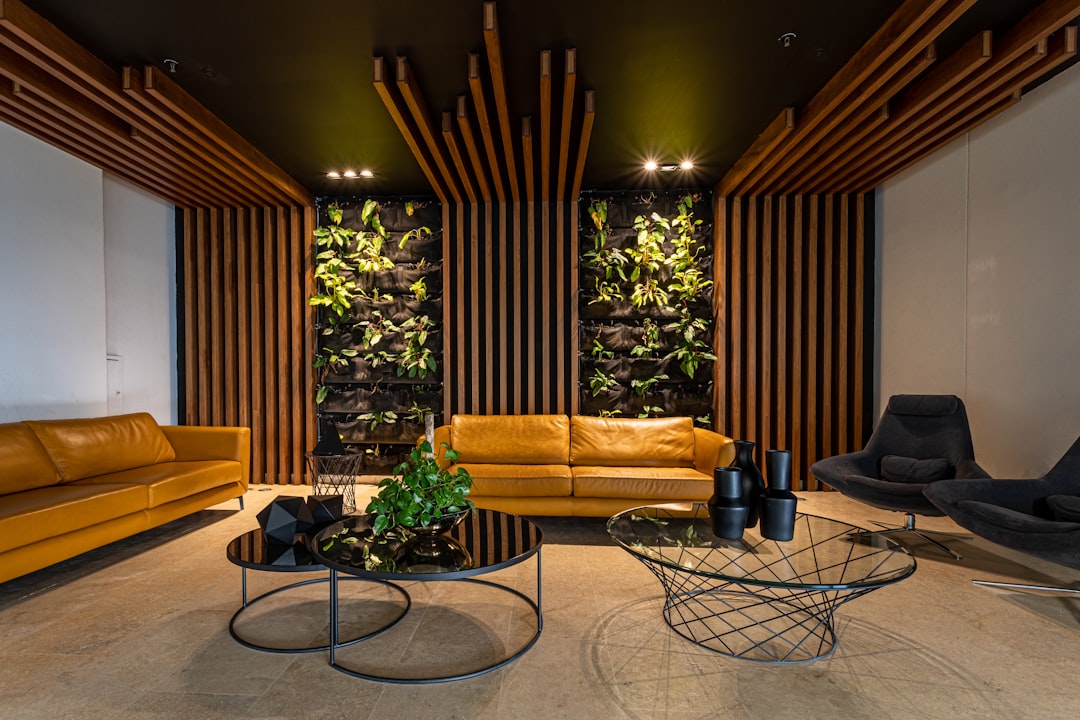
The living room is the most popular location for fluted panels in Singapore homes. A full-height fluted wall behind the television console creates a striking focal point that adds texture without competing with screen content. Choose a warm timber finish or a matte white panel to suit your existing palette.
For open-plan layouts, a freestanding fluted screen can serve as a room divider between the living and dining zones. This approach is particularly effective in larger condos and landed properties where you want visual separation without sacrificing light flow.
Bedroom
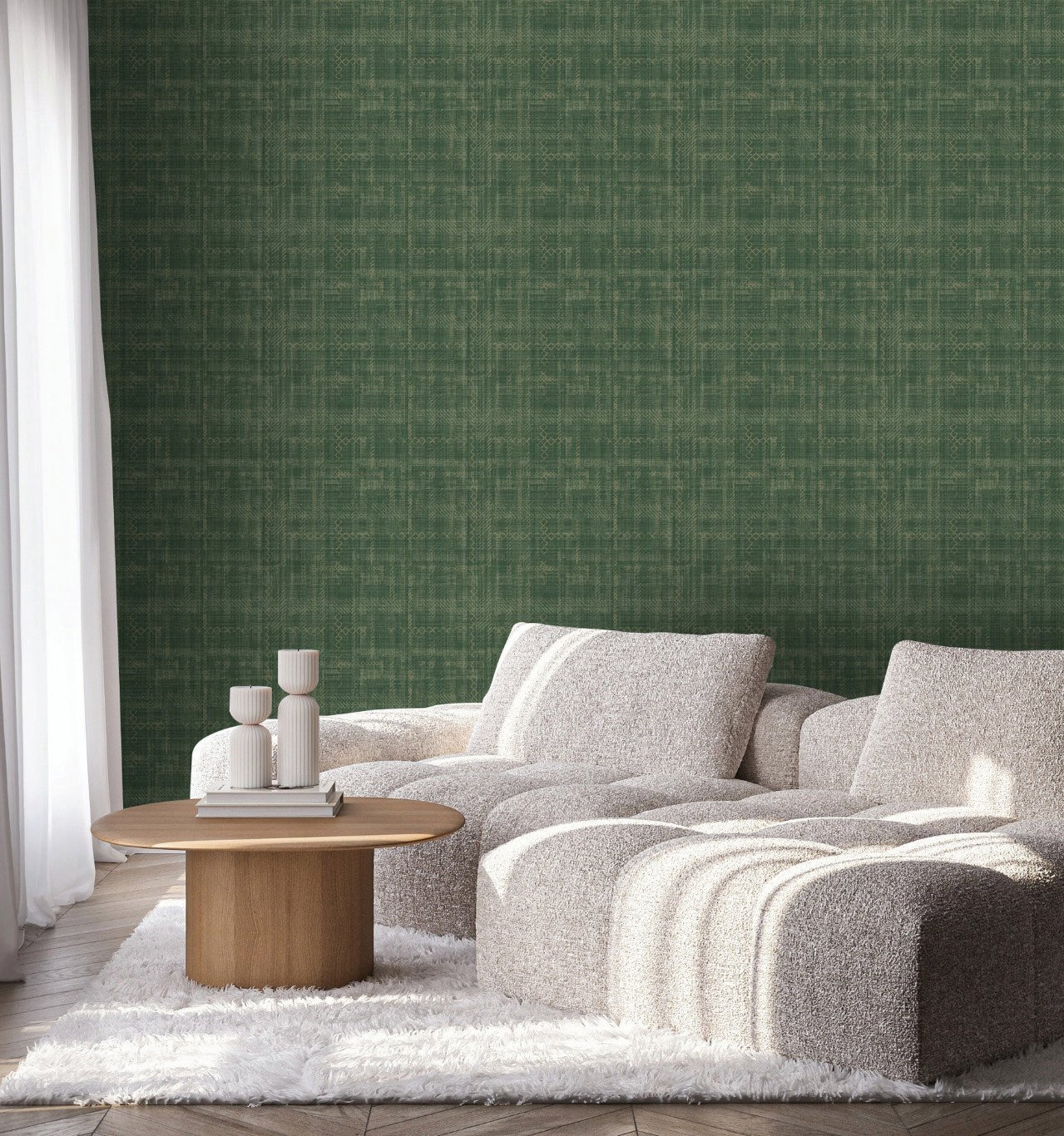
A fluted headboard wall is one of the most impactful ways to use this design element. The vertical lines draw the eye upward, making the ceiling feel higher, which is a valuable trick in standard-height HDB bedrooms. Pair with soft, textured residential wallcoverings on the adjacent walls to balance the structured fluting with organic softness.
Fluted wardrobe doors are another elegant application. They transform plain built-in wardrobes into a design feature, adding character without requiring additional floor space.
Kitchen and Dining
Fluted panels on a kitchen island front add a designer touch that sets the space apart. In HDB and BTO kitchens where the island often doubles as a breakfast bar, this detail creates a more refined look. Similarly, fluted cabinetry panels on upper or lower kitchen units introduce subtle texture to an otherwise utilitarian space.
In the dining area, consider a fluted wall treatment as a backdrop for a sideboard or display shelf. The rhythmic grooves frame the furniture beautifully and create a sense of occasion around mealtimes.
Bathroom
Moisture-resistant WPC or PVC fluted panels work well in bathrooms, particularly on vanity fronts or as a feature wall behind the mirror. The vertical lines complement the typically clean, linear aesthetic of bathroom fittings and tiles. Ensure the material is rated for wet environments and that joints are properly sealed.
Entryway and Corridor
First impressions matter. A fluted panel treatment in the entryway, whether as a shoe cabinet front, a feature wall or a partial wainscot, signals attention to detail the moment guests step through the door. In narrow HDB corridors, vertical fluting can make the space feel taller and more intentional.
Design Tips for Fluted Panels
Getting the most out of fluted panels requires thoughtful planning. Keep these guidelines in mind:
- Scale matters: Wider flutes (15-25 mm) suit large walls and open spaces. Narrower flutes (8-12 mm) work better on smaller surfaces like cabinet doors and compact feature walls.
- Lighting is essential: Fluted panels look best when lit from the side or above. Recessed downlights or LED strip lighting along the top edge will accentuate the shadow play that makes fluting so appealing.
- Limit the application: One fluted feature per room is usually sufficient. Overusing fluted panels throughout a home can dilute their impact and make the space feel repetitive.
- Consider maintenance: The grooves collect dust over time. A quick wipe with a microfibre cloth or soft brush keeps them looking sharp. Avoid high-gloss finishes that show fingerprints easily.
- Coordinate with other textures: Fluted panels pair beautifully with smooth plaster walls, natural stone surfaces and soft fabric furnishings. The contrast between the structured fluting and softer textures creates a layered, curated interior.
Colour Choices for Fluted Panels
The colour of your fluted panel sets the tone for the entire room. Here are some popular directions:
Natural timber tones: Oak, walnut and ash finishes bring warmth and an organic quality. They work particularly well in Scandinavian, Japandi and mid-century modern interiors.
Matte white or off-white: A white fluted panel adds architectural detail without introducing colour. It is ideal for small spaces where you want texture but need to keep things light and airy.
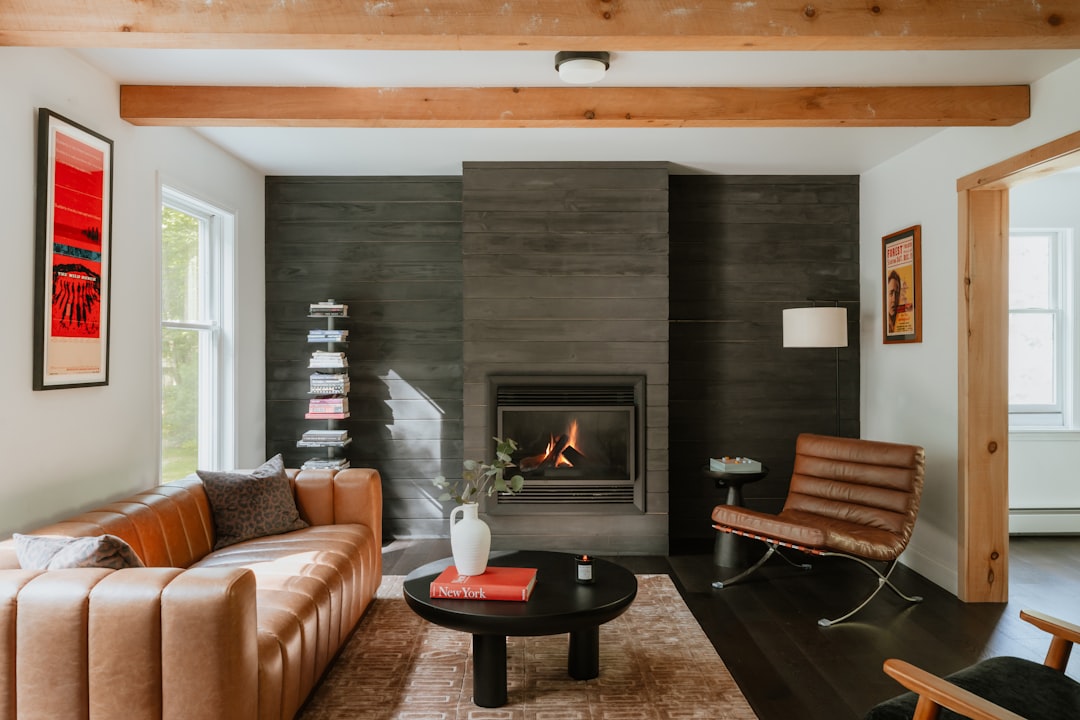
Dark finishes: Charcoal, espresso or black fluted panels create drama and sophistication. Use them sparingly, typically on a single wall, and balance with lighter surroundings to avoid an overly heavy feel.
Painted to match walls: For a seamless, tonal look, paint the fluted panel the same colour as the surrounding wall. This approach lets the texture speak for itself without colour contrast.
Installation Considerations in Singapore
Before committing to fluted panels, consider a few practical factors specific to the local context:
- HDB regulations: If you are hacking or modifying walls in an HDB flat, check whether the wall is load-bearing. Fluted panels are typically surface-mounted, which avoids structural issues, but always confirm with your contractor or ID firm.
- Humidity: Singapore’s climate means moisture is a constant concern. Choose materials rated for high humidity, especially in bathrooms and kitchens. MDF panels should be sealed on all edges to prevent moisture ingress.
- Professional installation: Fluted panels need to be perfectly level and aligned. Even slight misalignment is immediately visible because of the repetitive pattern. Professional installation is strongly recommended.
Final Thoughts
Fluted panel interior design offers a simple yet highly effective way to add architectural character to any room. Whether you choose a full-height timber feature wall or a subtle fluted cabinet detail, the result is a space that feels considered, textured and unmistakably contemporary.
Visit the Goodrich Gallery to see our full collection of wallcoverings, fabrics and materials that complement fluted panel designs beautifully. Book an appointment with our design consultants to start planning your project.