Interior Design
HDB Toilet Renovation Guide: What You Need to Know
An HDB toilet renovation is one of the first projects most flat owners tackle, whether they are moving into a new BTO unit or refreshing a decades-old resale flat. Getting it right involves more than picking tiles and fixtures; you need to navigate HDB regulations, plan around compact dimensions and choose materials that withstand Singapore’s humidity. This guide covers everything you need to know.
HDB Renovation Rules for Toilets
Before any work begins, it is essential to understand what HDB permits and what it restricts. The following rules apply to toilet renovations in HDB flats:
- Hacking is permitted for floor tiles, wall tiles and screed. However, you must not hack into the structural floor slab.
- Waterproofing is mandatory after hacking. HDB requires a new waterproofing membrane to be applied and tested before tiling can proceed.
- Relocating the toilet bowl is generally not recommended because the waste pipe connects to the main soil stack at a fixed point. While some contractors can extend the pipe run, this increases the risk of chokes and may require raising the floor level.
- Window modifications to toilet windows are restricted. You cannot enlarge, reduce or relocate the window opening.
- Permit requirements: Renovation works must be carried out by an HDB-registered contractor. A renovation permit is required, and works are subject to HDB’s renovation guidelines, including permitted hours and noise limits.
Always confirm current regulations with HDB or your appointed contractor before finalising your renovation plan, as rules are updated periodically.
BTO vs Resale: Different Starting Points
BTO Flats
New BTO units come with basic toilet finishes, typically plain white tiles and standard fixtures. Most homeowners choose to overlay or hack and redo these finishes entirely. Overlaying (installing new tiles on top of existing ones) avoids the cost of hacking but raises the floor level slightly, which may affect the door clearance.
Resale Flats
Older resale flats often require a full overhaul. The waterproofing membrane may have degraded after 15 to 20 years, pipes may be corroded and fixtures are likely outdated. A complete hack-and-redo is usually the best approach for resale flat toilets, as it allows the contractor to inspect and address hidden issues behind the tiles.
Choosing Materials for HDB Toilets
Floor Tiles
Non-slip porcelain or ceramic tiles are the standard choice for HDB toilet floors. Look for tiles with a slip resistance rating of R10 or higher. Popular finishes include stone-look, terrazzo-look and matte concrete. Large-format tiles (300 x 600 mm or 600 x 600 mm) reduce grout lines and make the compact space feel more open.
Wall Tiles and Finishes
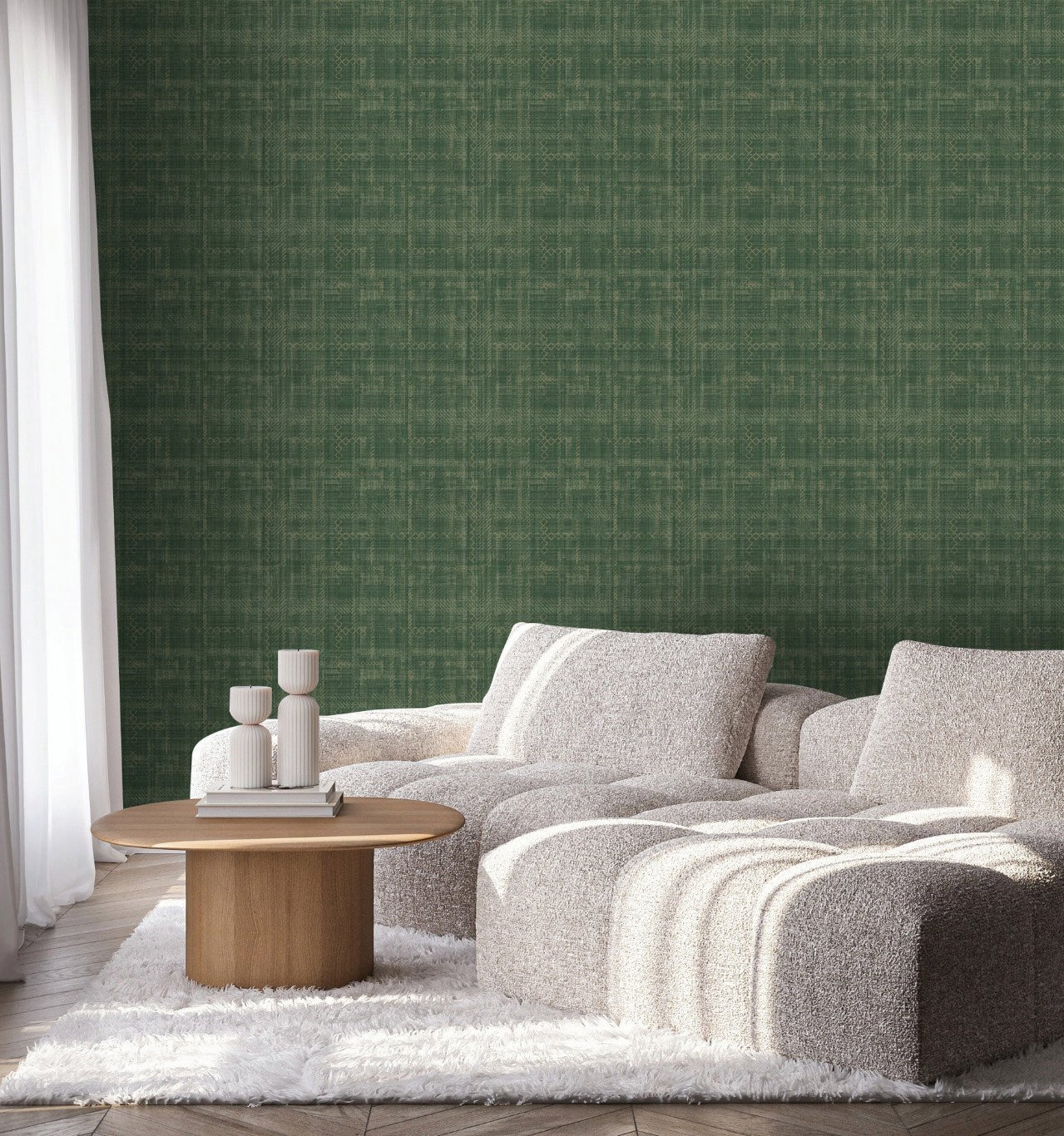
Full-height tiling is common in the wet zone around the shower. For the dry zone, you can use a combination of tiles and other finishes. Moisture-resistant wallcoverings in the dry area can add colour and pattern, creating a more designed look compared to plain tiles throughout.
Flooring Alternatives
Waterproof luxury vinyl tiles are an emerging option for HDB toilets, particularly in the dry area. They are comfortable underfoot, warmer than ceramic and available in realistic stone and wood patterns. However, the wet zone around the shower still benefits from traditional tiles with proper slope and drainage.
Layout and Space Planning
HDB toilets are typically compact, ranging from about 3.5 to 5.5 square metres depending on the flat type and era. Maximising this space requires smart planning:
- Wall-hung toilets: These free up floor area and make cleaning easier. The concealed cistern is housed within a false wall, which also creates a useful ledge above.
- Shower screens over shower curtains: A fixed or sliding glass panel keeps water contained more effectively and looks cleaner. Frameless panels create a more open visual.
- Recessed niches: Built into the shower wall during tiling, niches provide storage for toiletries without protruding into the limited space.
- Slim vanities: A wall-mounted vanity with integrated basin saves floor space and provides essential storage underneath.
- Mirror cabinets: Combining a mirror with concealed storage behind it is an efficient use of wall space above the basin.
Waterproofing: The Most Critical Step
Waterproofing cannot be overstated. A failed membrane leads to water seeping through the floor slab, causing damp patches, mould and damage to the ceiling of the unit below. Here is what a proper waterproofing process involves:
- The hacked floor and lower walls are cleaned and any cracks are repaired.
- A waterproofing membrane (typically a cementitious or liquid-applied system) is applied in multiple coats.
- The membrane is extended at least 150 mm up the walls, and higher in the shower zone (usually up to 1,800 mm).
- A ponding test is conducted: the floor is flooded with water and left for 24 to 48 hours to check for leaks.
- Only after a successful ponding test can tiling proceed.
Ensure your contractor uses quality waterproofing products and conducts the ponding test in your presence. This is the single most important step in any HDB toilet renovation.
Cost Breakdown for HDB Toilet Renovation
| Work Item | Estimated Cost (SGD) |
|---|---|
| Hacking (floor and wall tiles) | $600 – $1,200 |
| Debris disposal | $200 – $400 |
| Waterproofing (with ponding test) | $400 – $800 |
| Tiling (supply and installation) | $1,200 – $3,500 |
| Plumbing works | $400 – $1,000 |
| Sanitary fittings (toilet, basin, shower) | $800 – $2,500 |
| Vanity and mirror cabinet | $400 – $1,500 |
| Electrical (lighting, exhaust fan) | $200 – $600 |
| Total per toilet | $4,200 – $11,500 |
Many HDB flats have two toilets. Renovating both simultaneously is more cost-effective because hacking, waterproofing and tiling can be done in one mobilisation.
Design Ideas for HDB Toilets
A compact toilet does not have to feel plain. Consider these design ideas to make the most of the space:
- Feature floor: Use a patterned tile on the floor with plain walls for visual interest without overwhelming the small space.
- Accent wall: A single tiled accent wall in a contrasting colour or pattern behind the vanity adds personality.
- Continuous colour: Using the same tile on both floor and walls creates a seamless, spa-like feel that makes the room appear larger.
- Warm timber tones: Wood-look tiles or vinyl add warmth to an otherwise cold, hard-surfaced room.
Final Thoughts
An HDB toilet renovation is a significant but rewarding project. By understanding HDB’s rules, prioritising waterproofing, choosing durable materials and planning the layout carefully, you can transform even the most basic flat toilet into a functional, attractive space that adds value to your home.
For flooring and wall finishing materials suited to bathroom environments, request free samples from our Singapore showroom and start planning your renovation with confidence.