Interior Design
Limewash in Interior Design: The Organic Texture Trend
Limewash interior design has surged in popularity as homeowners seek surfaces with character, depth and an unmistakably artisanal quality. Rooted in centuries-old building traditions, the limewash aesthetic celebrates imperfection, creating walls that feel alive with subtle tonal variation rather than flat and uniform. For Singapore homes craving warmth and texture, it is a trend well worth exploring.
Understanding the Limewash Look
Traditional limewash is a mineral-based finish made from slaked limestone and natural pigments. When applied to a wall, it creates a chalky, matte surface with gentle colour variation that shifts with the light throughout the day. No two sections look identical, which is precisely the appeal.
The effect is soft, almost cloud-like, with areas of deeper saturation alongside lighter patches. It evokes the weathered walls of Mediterranean villas, Scandinavian farmhouses and Japanese wabi-sabi interiors, all traditions that value the beauty of natural ageing and organic texture.
Why Limewash Appeals in Modern Interiors
After years of pristine, Instagram-perfect spaces, many homeowners are moving toward interiors that feel more human and less manufactured. Limewash satisfies this desire by introducing visual warmth and softness that standard paint cannot achieve.
The trend also aligns with the broader movement toward natural materials and sustainable choices. Its earthy, muted colour palette, spanning warm whites, soft pinks, terracotta, sage and stone, complements contemporary furniture and minimalist design without feeling cold or sterile.
Limewash and Natural Light
One of the most captivating qualities of a limewash surface is how it interacts with light. In Singapore, where natural light is abundant, limewash walls shift in appearance from morning to evening. A wall that reads as warm blush at midday may appear closer to dusty rose as the sun sets. This dynamic quality gives rooms a living, breathing character.
Achieving the Limewash Look in Singapore
Applying authentic limewash in Singapore presents challenges. The high humidity can affect drying times and adhesion, and the technique requires skilled application to avoid a patchy, uneven result. Fortunately, there are practical alternatives that capture the same aesthetic with far less hassle.
Limewash-Effect Wallcoverings
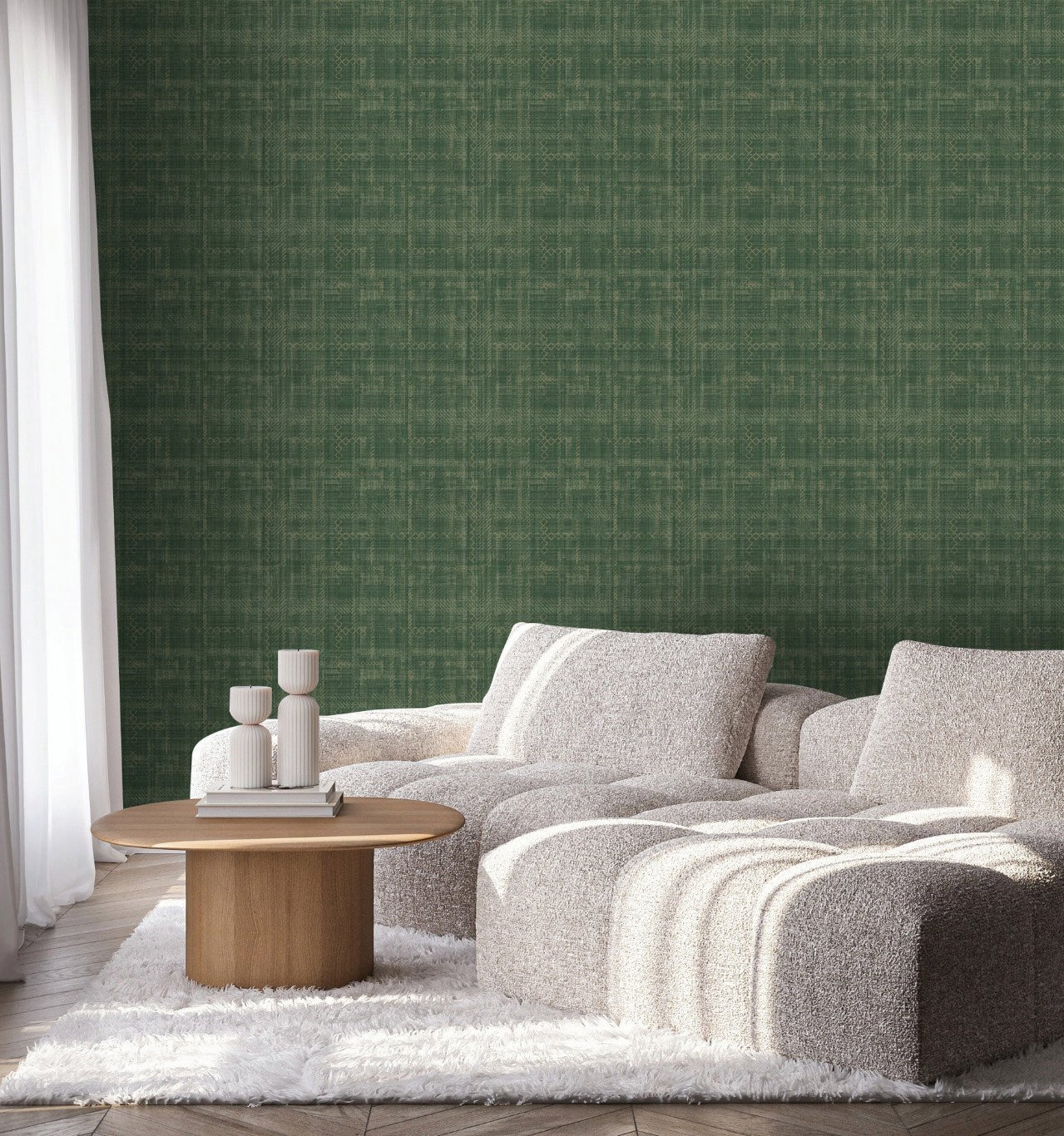
Modern wallpaper and wallcoverings now replicate the limewash look with remarkable accuracy. High-quality limewash-effect wallpapers reproduce the tonal variation, chalky texture and depth of real limewash without any of the application difficulties. They are also far more consistent in humid climates and can be replaced or updated without the mess of stripping a mineral finish.
These wallcoverings come in a range of colourways, from barely-there ivory to deeper terracotta and olive tones. Many feature embossed or textured surfaces that catch the light in the same way as a true limewash wall.
Limewash-Effect Paint
Several paint brands now offer limewash-effect formulations designed for interior walls. These are typically applied in thin, overlapping layers with a brush or sponge to build up the characteristic uneven finish. While more accessible than traditional limewash, they still require careful technique and are best suited to feature walls rather than entire rooms.
Best Rooms for Limewash
Living Room
A limewash feature wall behind the sofa or entertainment unit becomes an instant focal point. The textured surface adds visual interest to otherwise minimal spaces and provides a beautiful backdrop for artwork and open shelving. Pair with natural linen curtains and warm timber furniture to complete the organic look.
Bedroom
The soft, enveloping quality of limewash makes it ideal for bedrooms. A limewash headboard wall in a muted pink or warm white creates a cocoon-like atmosphere that promotes relaxation. Layer with drapery fabrics in complementary earth tones for a cohesive, calming retreat.
Dining Area
In open-plan HDB and condo layouts, a limewash wall can visually delineate the dining zone from the living area without physical partitions. The textured surface adds warmth to a space that often centres around hard materials like a dining table and chairs.
Entryway and Corridors
Narrow hallways and entryways benefit from limewash because the tonal variation draws the eye along the wall, making the space feel less like a pass-through and more like an intentional design moment.
Choosing the Right Colour Palette
The limewash palette tends toward muted, earthy tones that feel grounded and natural. Here are some popular options and the moods they create:
| Colour | Mood | Best Paired With |
|---|---|---|
| Warm white | Airy, serene | Natural timber, linen, rattan |
| Soft blush | Romantic, gentle | Brass accents, ivory fabrics |
| Terracotta | Earthy, grounding | Dark wood, olive green textiles |
| Sage green | Fresh, calming | Warm stone, cream upholstery |
| Warm grey | Modern, understated | Black metal, charcoal accents |
Styling Tips for a Limewash Interior
A limewash wall is a statement in itself, so the surrounding decor should support rather than compete with it. Keep these principles in mind:
- Embrace simplicity: Let the wall be the hero. Avoid overcrowding the space with too many accessories or competing patterns.
- Layer natural textures: Linen, wool, jute and raw timber all complement the organic quality of limewash.
- Choose matte finishes: High-gloss furniture and shiny fabrics can feel incongruous next to a chalky limewash surface. Opt for matte, satin or brushed finishes instead.
- Use warm lighting: Warm-toned bulbs enhance the depth and variation in a limewash wall, while cool white light can flatten the effect.
- Limit bold patterns: If using patterned textiles, keep them subtle. Stripes, simple geometrics or tone-on-tone prints work best alongside the organic texture.
Limewash Compared to Other Textured Finishes
Limewash is not the only textured wall treatment available. Understanding how it compares helps determine whether it is the right choice for your space.
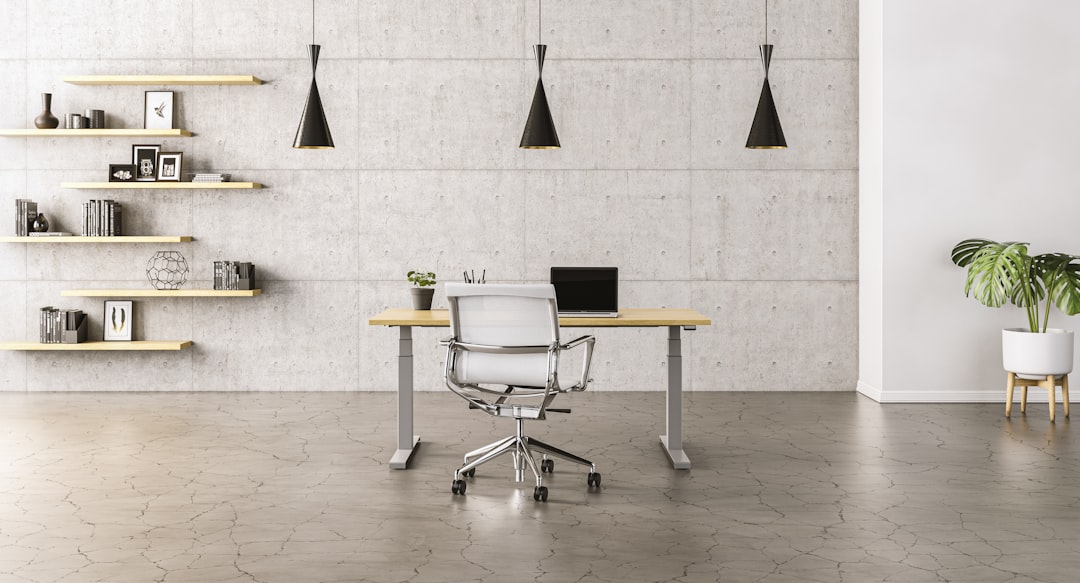
Venetian plaster offers a smoother, more polished look with a slight sheen. It leans luxurious and formal, whereas limewash feels relaxed and rustic. Concrete effect finishes deliver an industrial edge that suits loft-style or minimalist spaces but lacks the warmth of limewash. Grasscloth wallcovering provides natural texture in a different way, with visible fibres creating a woven, tactile surface rather than a painted one.
Each finish has its strengths, but limewash stands out for its ability to add warmth, movement and depth simultaneously.
Final Thoughts
Limewash interior design brings an organic, handcrafted quality to Singapore homes that no flat paint or simple wallpaper can match. Whether achieved through traditional application or through carefully chosen limewash-effect wallcoverings, the result is a space that feels authentically textured and effortlessly elegant.
Browse our e-catalogue for the latest designs in textured wallcoverings that capture the beauty of limewash and other artisanal finishes.