Interior Design
Landed Property Renovation in Singapore: What to Know
A landed house renovation in Singapore presents opportunities and complexities that apartment living simply does not. With more space to work with, fewer shared walls and the freedom to modify external facades, landed property renovations can achieve transformations that are impossible in HDB flats or condominiums. However, the regulatory framework, costs and project management demands are also more substantial.
Whether you own a terrace house, semi-detached home or bungalow, this guide covers the essential considerations for planning a successful renovation.
Regulatory Requirements for Landed Renovations
Landed property renovations in Singapore are governed by the Urban Redevelopment Authority (URA) and the Building and Construction Authority (BCA). The level of approval required depends on the scope of work.
When You Need Approval
- Minor interior works: Repainting, replacing finishes, installing built-in furniture and updating fixtures generally do not require planning permission.
- Structural alterations: Removing or adding walls, changing floor levels and modifying the roof structure require a qualified Professional Engineer (PE) and BCA approval.
- Additions and extensions: Building an additional storey, extending the rear of the house or adding a car porch requires URA planning permission. Plot ratio and site coverage limits apply.
- Facade changes: Altering the external appearance of the house, including window sizes and positions, may require URA approval, especially in conservation areas.
For terraced houses, party wall agreements with adjoining neighbours are necessary when work affects shared walls. This legal process ensures both parties are protected during and after construction.
Renovation Costs for Landed Properties
Landed house renovation costs in Singapore vary enormously based on property size, age and scope. Interior-only renovations for a typical intermediate terrace house start from around S$100,000 for a moderate scope and can exceed S$300,000 for extensive overhauls with premium finishes.
If the renovation includes structural additions such as a rear extension, attic conversion or additional storey, budgets of S$300,000 to S$800,000 or more are not uncommon. These figures include architectural and engineering fees, which can account for 8 to 15 percent of the total construction cost.
Factors That Influence Cost
- Property age and condition of existing structure
- Extent of structural work and additions
- Quality of finishes and fittings
- Complexity of mechanical and electrical systems
- Landscaping and outdoor works
- Professional fees for architects, engineers and interior designers
Interior Design Considerations
Landed homes offer design freedoms that apartment dwellers envy. Higher ceilings, multiple storeys and the ability to configure rooms without strata title restrictions allow for truly personalised interiors.
Flooring Across Multiple Levels
Consistency in flooring material creates visual flow between levels and rooms. Many homeowners select a primary flooring material for the main living areas and bedrooms, with different finishes for wet areas and outdoor spaces.
Quality flooring options designed for residential use, from luxury vinyl to engineered timber, provide the durability needed for high-traffic areas while delivering the aesthetic warmth that landed homes deserve. Consider the practical aspects of each level: ground floors may need more robust, moisture-resistant materials, while upper-storey bedrooms can prioritise comfort and acoustics.
Feature Walls and Grand Spaces
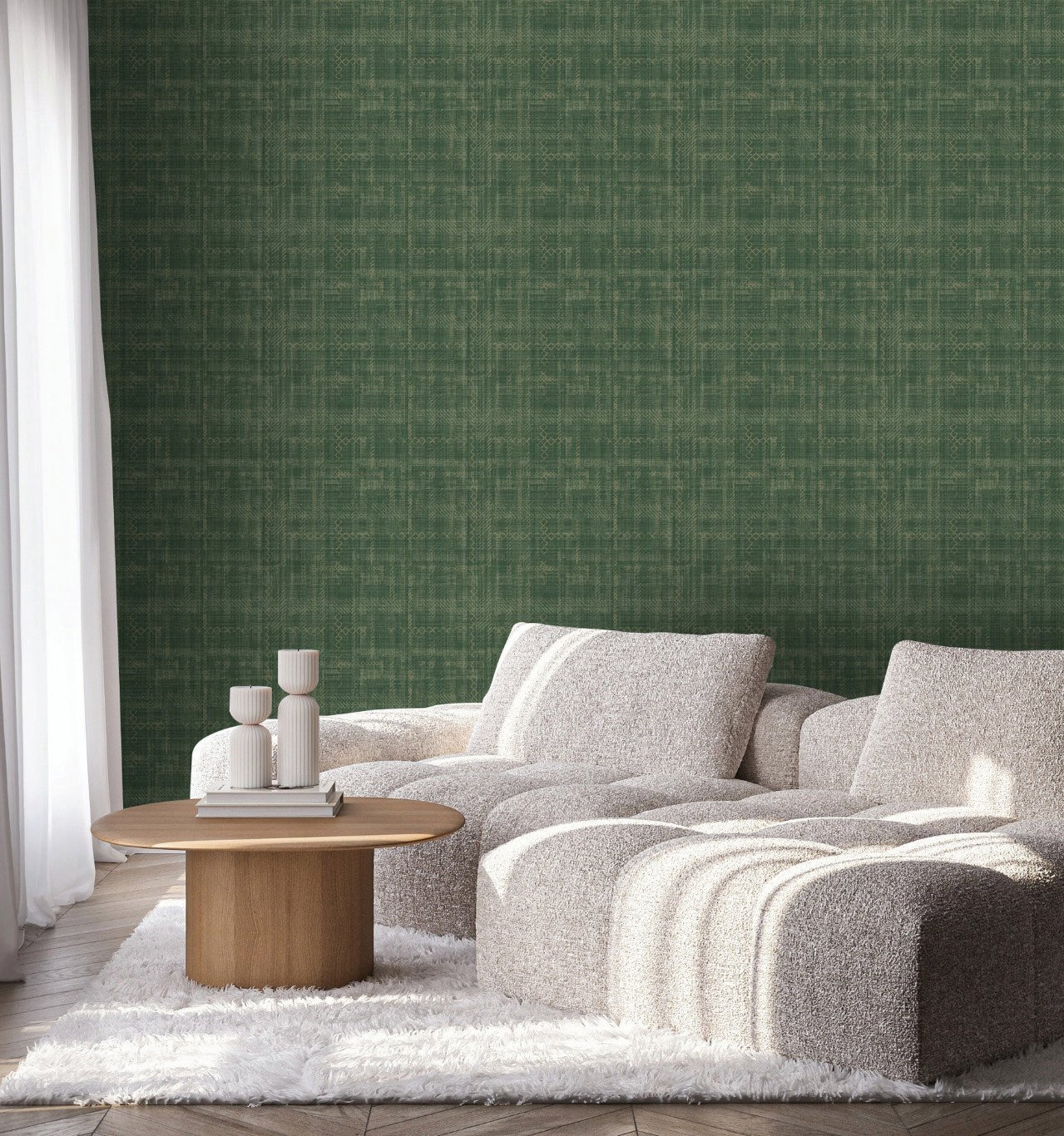
Double-height living rooms, staircase feature walls and expansive dining areas are signature elements of landed house design. These larger canvases call for materials with visual impact. Textured wallcoverings, timber cladding and stone veneer work well at scale. A full-height feature wall in a premium wallcovering can anchor an entire floor of the house.
Indoor-Outdoor Living
Landed properties in Singapore benefit from the ability to create seamless transitions between indoor and outdoor spaces. A patio, garden or pool deck extends the living area and becomes a focal point for entertaining. Outdoor decking materials designed for tropical conditions provide a durable, low-maintenance surface that bridges the interior and exterior aesthetically.
Managing a Landed House Renovation Project
Landed renovations are complex projects involving multiple trades and professionals. Unlike a straightforward HDB renovation managed by a single contractor, a significant landed house project may involve:
- An architect for design and planning submissions
- A Professional Engineer for structural calculations
- A main contractor for construction works
- An interior designer for finishes and furnishings
- Specialist subcontractors for mechanical, electrical and plumbing systems
- A landscape architect or contractor for garden and outdoor works
Clear communication and coordination between these parties is essential. Many homeowners appoint an architect or project manager to oversee the entire process, ensuring quality, timeline and budget are maintained.
Renovation Timeline
Interior-only renovations for a landed house typically take three to six months. Projects involving structural additions or a full rebuild can extend to twelve to eighteen months. Factor in the time for URA and BCA approvals, which can take several weeks to months depending on complexity.
Material Durability in Landed Homes
Landed properties are more exposed to the elements than apartments. Ground-floor rooms may experience higher humidity, and outdoor areas face direct rain and sun. Material choices must account for these conditions.
For outdoor terraces and pool surrounds, composite decking materials resist moisture, UV degradation and insect damage far better than natural timber. Inside, choose wall finishes and fabrics that tolerate humidity fluctuations, particularly in ground-floor rooms and spaces adjacent to gardens or water features.
Upholstery and curtain fabrics in landed homes see intense sunlight, especially through large windows and skylights. Select fabrics with high colourfastness ratings to prevent fading. Performance upholstery fabrics designed for high UV exposure maintain their appearance over years of use.
Final Thoughts
A landed house renovation in Singapore is a significant undertaking that combines architectural ambition with practical problem-solving. The scale of these projects demands experienced professionals, quality materials and realistic timelines. But the reward is a home tailored precisely to your lifestyle, with the space and character that only landed living provides.
Start by clarifying your priorities, engage qualified professionals early and invest in materials that will perform well in Singapore’s demanding climate.