Interior Design
Two-Tone Wall Ideas: Paint, Wallpaper and Panels
A two tone wall design is one of the most effective ways to add visual interest and architectural dimension to a room without structural changes. By dividing a wall into two distinct sections using different colours, materials or finishes, you create a focal point that elevates the entire space. It is a design technique that works equally well in HDB flats, condominiums and landed homes.
This guide explores the most popular two-tone approaches, practical application tips and colour combinations that suit Singapore interiors.
Why Two-Tone Walls Work
Single-colour walls are safe but often lack character. A two-tone treatment introduces contrast and depth, drawing the eye and creating the impression of height, width or architectural detail where none exists.
Two-tone walls also allow you to incorporate bolder colours or patterns in a controlled way. Rather than committing an entire room to a dark or patterned finish, you can confine it to the lower or upper portion of a single wall, keeping the overall space balanced.
From a practical standpoint, two-tone treatments can disguise imperfections. A darker lower section conceals scuffs and marks from furniture and foot traffic, while a lighter upper section maintains a sense of openness.
Paint-Based Two-Tone Techniques
Paint is the most accessible way to achieve a two-tone wall. The division between the two colours can be horizontal, diagonal or even curved, depending on the look you want.
Horizontal Split
The classic approach divides the wall at a specific height. The most common split points are:
- One-third from the floor (approximately 90 cm): Creates a dado effect. A darker lower third grounds the room while a lighter upper section opens it up. This proportion works well in bedrooms and dining areas.
- Two-thirds from the floor (approximately 180 cm): A more dramatic division that gives the darker colour dominance. This works best in rooms with higher ceilings where the lighter section prevents the dark colour from feeling oppressive.
- Mid-height (approximately 120-130 cm): An equal or near-equal split that creates bold visual impact. Best suited to contemporary interiors where symmetry is a design feature.
Clean Lines Versus Organic Edges
For a crisp, architectural look, use high-quality painter’s tape to achieve a razor-sharp line between the two colours. For a more relaxed, contemporary feel, leave the division freehand or use a slightly uneven painted edge. This organic approach has gained popularity in modern interiors and works particularly well with muted, earthy tones.
Colour Combinations for Paint
| Style | Lower Colour | Upper Colour | Effect |
|---|---|---|---|
| Classic | Deep navy | White | Sophisticated and grounding |
| Warm neutral | Taupe | Warm white | Subtle and elegant |
| Earthy modern | Terracotta | Sand | Warm and contemporary |
| Scandinavian | Sage green | Off-white | Calm and organic |
| Bold contrast | Charcoal | Light grey | Dramatic and modern |
Wallpaper and Paint Combinations
Combining wallpaper with paint is where two-tone walls become truly distinctive. The texture and pattern of wallpaper paired with a complementary paint colour creates a richer result than paint alone.
Wallpaper on the Lower Section
A textured or patterned wallpaper on the lower portion of the wall, topped with a coordinating paint colour, mimics traditional wainscoting without the carpentry. This treatment adds depth to living rooms, hallways and dining rooms. Choose a wallpaper with a subtle pattern or texture that does not overwhelm the space.
Wallpaper on the Upper Section
Alternatively, apply wallpaper to the upper two-thirds and paint the lower third in a coordinating solid colour. This approach works well with botanical or geometric wallpapers that benefit from a clean base below.
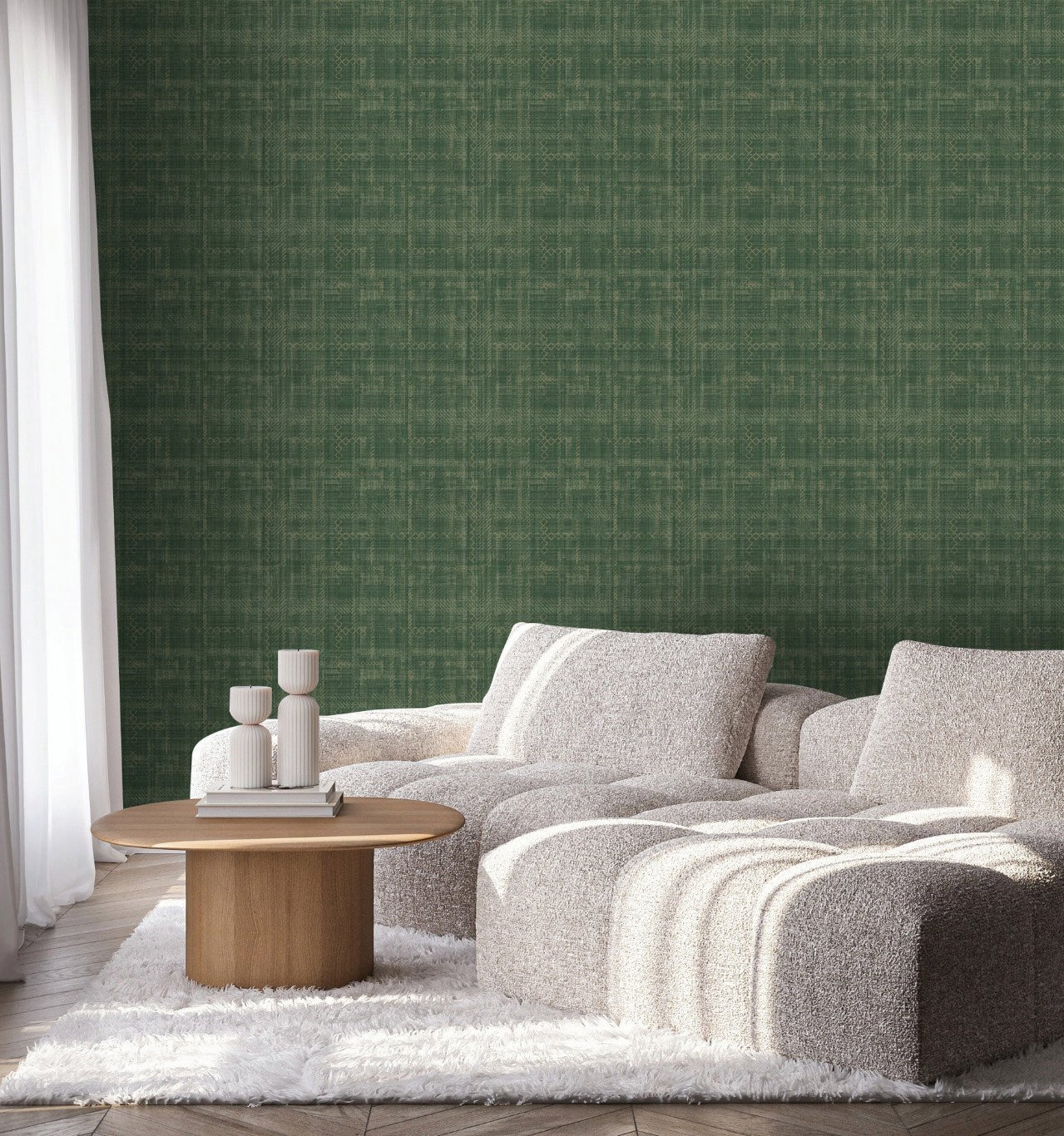
Explore residential wallcovering collections for patterns that pair naturally with painted sections. Look for wallpapers that include your chosen paint colour within their design, as this creates a seamless connection between the two sections.
Defining the Division
The junction between wallpaper and paint can be finished in several ways:
- Timber moulding or chair rail: A slim timber profile creates a traditional, polished transition.
- Flat aluminium strip: A modern, minimal option that provides a clean edge.
- Direct butt joint: Wallpaper edge meets paint directly, relying on a straight line for impact. This works best with thicker, non-woven wallpapers that have a clean-cut edge.
Panel and Moulding Combinations
Timber or MDF wall panelling creates a three-dimensional two-tone effect. The panelled section, typically on the lower half of the wall, can be painted in the same colour as the upper wall for a monochromatic textural effect, or in a contrasting colour for a more dramatic look.
Types of Wall Panelling
- Board and batten: Vertical strips of timber or MDF applied over a flat surface. Casual and contemporary.
- Shaker panels: Simple rectangular frames applied to the wall. Clean-lined and versatile.
- Wainscoting: Traditional raised or recessed panels on the lower wall, topped with a chair rail. Classic and refined.
- Fluted panels: Vertical ribbed panels that add texture and visual rhythm. Modern and tactile.
Panelling painted in the same colour as the wall but in a different sheen, such as matte on the flat wall and satin on the panels, creates a subtle two-tone effect through light reflection rather than colour difference. This is a sophisticated approach for neutral interiors.
Practical Tips for Execution
Achieving a professional-looking two-tone wall requires attention to detail. Keep these tips in mind.
- Use a laser level: A chalk line or laser level ensures your division line is perfectly straight. Even a slight deviation becomes obvious over a long wall.
- Test colours in situ: Paint large swatches on the actual wall and observe them at different times of day. Colours shift significantly under natural versus artificial light, particularly in Singapore where daylight is warm and intense.
- Consider room proportions: In rooms with low ceilings, keep the division line below mid-height to prevent the wall from feeling top-heavy. The lighter colour should dominate the upper section to create a sense of height.
- Align with furniture: Position the colour break in relation to key furniture pieces. A division line just above the sofa backrest, for example, creates an intentional, considered look.
Two-Tone Walls in Different Rooms
Living room: A feature wall behind the television or sofa with a dramatic two-tone treatment anchors the space. Keep other walls simple to avoid competing focal points.
Bedroom: A two-tone headboard wall in soft, muted tones creates a calming backdrop. Wallpaper on the upper section adds pattern without overwhelming the sleeping space.
Hallway: Narrow corridors benefit from a darker lower section that hides wear and a lighter upper section that maintains a sense of width. Durable wallcoverings on the lower section withstand the inevitable bumps and scuffs of high-traffic areas.
Children’s room: A playful two-tone treatment with a curved or wavy division line adds character. Use washable paint on the lower section for easy maintenance.
Final Thoughts
Two tone wall design is an accessible, effective technique that suits any budget and any room. Whether you opt for a simple paint split, a wallpaper and paint combination or a panelled treatment, the result adds dimension and character to your Singapore home.
Start with a single feature wall to test the approach. Once you see the impact, you may find yourself applying two-tone treatments throughout your home.