Interior Design
Decorative Wall Panels for Singapore Interiors
What Makes Decorative Wall Panels Different
Decorative wall panels are pre-fabricated boards or tiles designed to cover wall surfaces with pattern, texture, or dimensional relief. They sit between wallpaper and full wall cladding in terms of visual impact and installation complexity — more substantial than a flat wall covering, but lighter and easier to install than stone or timber cladding.
The appeal for Singapore homeowners is straightforward. Decorative panels transform a plain plastered wall into a feature surface in a matter of hours rather than days. They conceal imperfections in underlying walls, add acoustic dampening in noisy HDB environments, and can be removed or replaced without the extensive remediation that tile or stone removal requires.
For renovation projects with tight timelines — common in Singapore where contractors juggle multiple BTO handovers simultaneously — decorative panels offer a high-impact finish with minimal disruption.
Types of Decorative Wall Panels
The decorative panel market has expanded significantly, offering options across a wide range of materials and aesthetics:
Fluted or ribbed panels: Vertical ridges create a clean, rhythmic pattern. Available in timber, MDF, WPC, and PVC. The linear pattern draws the eye upward and adds a sense of order. This is currently the most requested panel style in Singapore residential interiors. For rooms where panels are combined with soft furnishings, coordinating the panel finish with your fabric choices ensures a unified look.
3D textured panels: Moulded or carved surfaces that project from the wall, creating patterns through light and shadow. Designs range from gentle waves to sharp geometric forms. Made from gypsum, MDF, PVC, or plant-fibre composites.
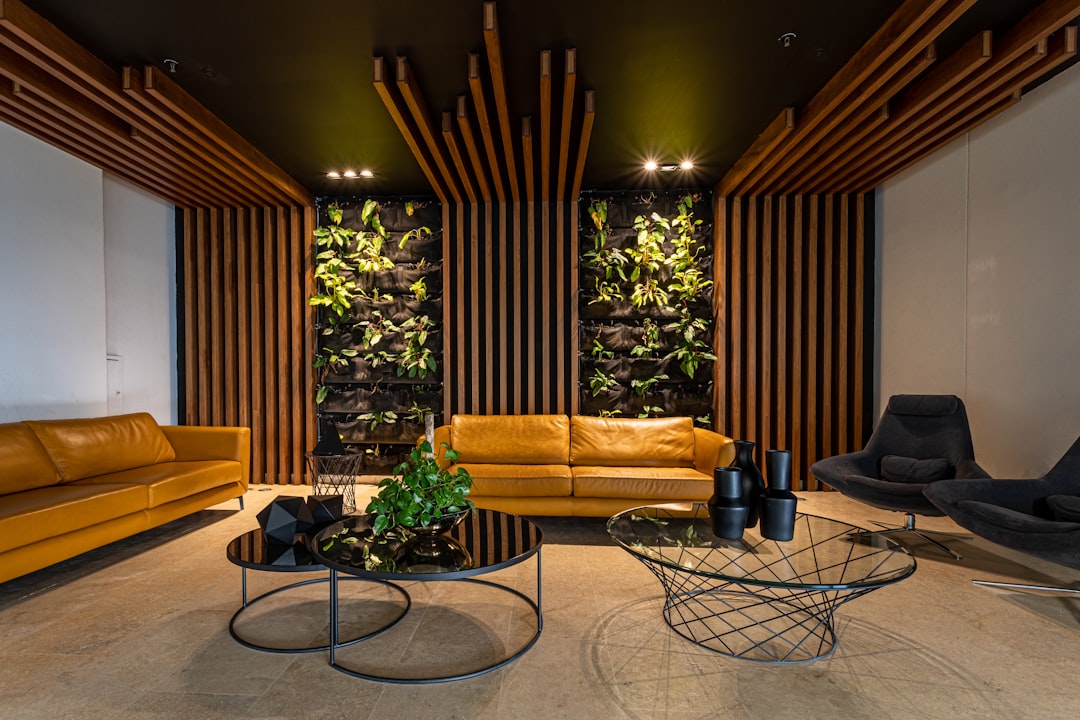
Slatted panels: Individual slats spaced apart on a backing board, creating a grid-like appearance with visible depth between slats. The open construction adds texture while allowing the wall colour behind to show through.
Padded or upholstered panels: Fabric-covered panels with foam backing, creating a soft, cushioned surface. Used primarily in bedrooms as headboard walls and in home cinemas for acoustic treatment. Available in a range of upholstery fabrics.
Stone and brick-effect panels: Lightweight panels moulded to replicate the surface of natural stone, brick, or concrete. They provide the aesthetic of masonry at a fraction of the weight and cost.
| Panel Type | Common Materials | Best Setting | Price Range (per sq m) |
|---|---|---|---|
| Fluted/ribbed | MDF, WPC, PVC | Living rooms, bedrooms, offices | $30–$120 |
| 3D textured | Gypsum, MDF, PVC | Feature walls, reception areas | $25–$90 |
| Slatted | Timber, MDF, composite | Living rooms, dining rooms | $40–$150 |
| Padded/upholstered | Fabric + foam | Bedrooms, home cinemas | $60–$200 |
| Stone/brick-effect | PU foam, PVC, fibreglass | Living rooms, restaurants, cafes | $20–$80 |
Design Ideas for Singapore Homes
Decorative wall panels offer creative flexibility that suits the range of property types in Singapore. Here are approaches that work well in local settings:
HDB living room TV wall: Fluted WPC panels in a warm walnut tone, running floor to ceiling behind the TV console. The vertical lines increase the perceived height of standard 2.6-metre HDB ceilings. Pair with a floating shelf or recessed niche for the media player and accessories.
Condo master bedroom headboard wall: Upholstered panels in a neutral linen fabric extending the full width of the bed wall. The padded surface adds acoustic insulation (helpful in multi-unit buildings), creates a luxurious tactile quality, and eliminates the need for a separate headboard.
BTO entrance foyer: Slatted timber panels with integrated shoe cabinet below. The slatted panels create a warm first impression while the open construction prevents the narrow entrance from feeling closed in.
Landed property staircase wall: 3D textured panels following the staircase angle, painted in the same colour as adjacent walls. The texture adds interest to an otherwise dead wall space without introducing a competing colour.
Commercial reception: Large-format stone-effect panels behind the reception desk, paired with brand-colour accent lighting. Achieves a premium first impression at a fraction of real stone cost.
Material Selection for Singapore’s Climate
Singapore’s humidity is the most important factor in choosing panel materials. Not all decorative panels handle moisture equally:
MDF panels: Medium-density fibreboard is affordable and takes paint and veneer finishes well. However, standard MDF absorbs moisture and swells. In Singapore, use only moisture-resistant (MR) grade MDF, and avoid installation in bathrooms, kitchens, or non-air-conditioned spaces.
WPC panels: Wood-plastic composite combines wood fibre with polymer, creating a material that looks like wood but resists moisture completely. WPC panels do not warp, swell, or support mould growth. They are among the most reliable options for Singapore’s climate and work in any room.
PVC panels: Entirely waterproof and very lightweight. PVC panels are the most practical option for wet areas and high-humidity environments. Modern PVC panels achieve convincing wood, stone, and fabric textures, though they lack the tactile warmth of real materials.
Gypsum 3D panels: Beautiful shadow patterns but moisture-sensitive. Restrict gypsum panels to air-conditioned rooms only. In non-air-conditioned spaces, consider PVC alternatives that replicate 3D gypsum patterns.
Installation and Maintenance
Most decorative wall panels are designed for relatively straightforward installation:
- Adhesive application: Lightweight panels (PVC, thin 3D panels) can be fixed directly to clean, level walls with panel adhesive. Suitable for DIY installation.
- Clip or bracket systems: Many fluted and slatted panels use interlocking clips or concealed brackets. These allow individual panels to be removed and replaced without disturbing adjacent panels.
- Batten framework: For uneven walls or when running cables behind the panels, a timber or aluminium batten grid provides a level surface and service void.
Maintenance is minimal for most panel types. Dust with a soft cloth or vacuum with a brush attachment monthly. For WPC and PVC panels, wipe with a damp cloth as needed. Painted MDF panels can be touched up with matching paint if scratched. Upholstered panels benefit from periodic fabric cleaning — vacuum regularly and spot-clean stains promptly.
Acoustic Benefits of Decorative Panels
Beyond aesthetics, decorative wall panels can meaningfully improve a room’s acoustic performance — a benefit that is often overlooked during selection. In Singapore’s multi-unit housing environment, where sound transfer between rooms and between units is a common complaint, acoustic improvement adds genuine functional value.
Upholstered panels are the most acoustically effective, absorbing mid- and high-frequency sounds that cause echo and harshness. A bedroom wall covered in padded fabric panels noticeably reduces the reverberation that makes voices and media sound sharp in hard-surfaced rooms. For home offices where video calls are frequent, an upholstered panel wall behind your screen improves audio quality for both you and your call participants.
Slatted and fluted panels also provide acoustic benefit, though through a different mechanism. The gaps between slats break up sound waves, reducing flutter echo and standing waves. Installing acoustic felt or foam behind slatted panels — in the air gap between the slats and the wall — significantly enhances absorption without altering the visual design.
Even solid decorative panels — 3D textured, stone-effect, or flat MDF — offer marginal improvement over bare plaster walls simply by adding mass and surface irregularity. The improvement is subtle but contributes to a warmer, less echo-prone room character.
For rooms where acoustic performance is a primary concern — home cinemas, music practice rooms, or bedrooms adjacent to noisy common areas — choose panels specifically rated for sound absorption and pair them with appropriate backing material.
For a coordinated interior, consider how your wall panels interact with your wallpaper and wall coverings on adjacent walls. Browse our e-catalogue for the latest designs, or request free samples to compare materials and finishes in your own space.