Interior Design
Living Room Feature Wall Ideas for Singapore Homes
The Role of a Feature Wall in Singapore Living Rooms
A feature wall serves as the visual anchor of a living room — the surface your eye is drawn to when you enter the space. In Singapore homes, where living rooms often serve as the primary entertaining, relaxing, and sometimes dining area, a well-designed feature wall defines the room’s character without consuming floor space.
For HDB flats, where living rooms typically range from 15 to 25 square metres, a feature wall is one of the most space-efficient design investments you can make. It adds depth, personality, and perceived scale to a compact room. For larger condominium and landed property living rooms, a feature wall prevents expansive wall surfaces from feeling blank or institutional.
The key principle is restraint: one wall, treated distinctively, while the remaining walls stay neutral. Treating multiple walls with bold finishes creates visual competition rather than a focal point.
Wallpaper Feature Walls
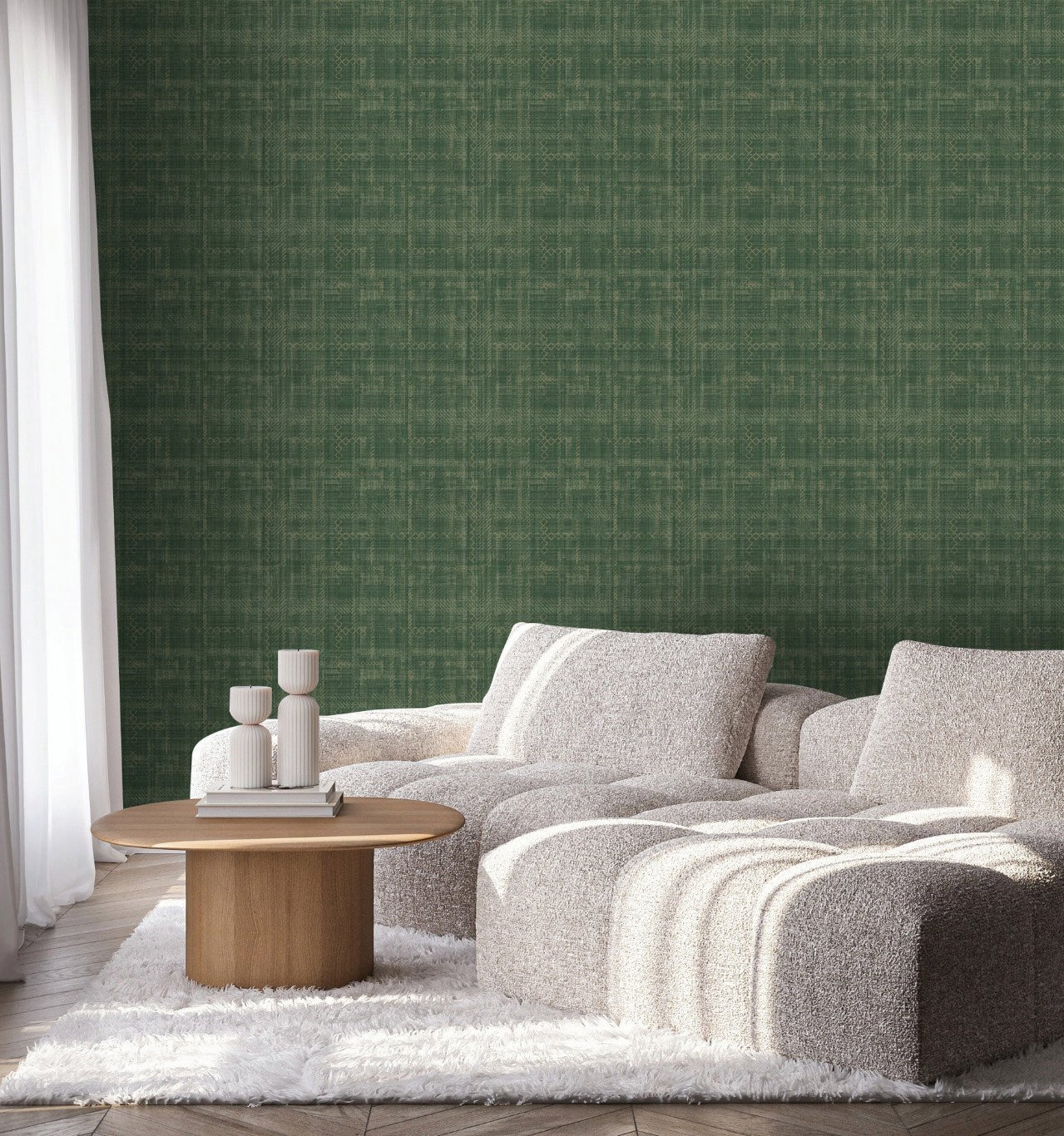
Wallpaper remains the most versatile and accessible feature wall treatment. The range of designs available today extends far beyond the floral prints many associate with the material — think textured stone, geometric patterns, tropical botanicals, abstract art, and metallic accents.
For Singapore living rooms, consider these approaches:
Textured wallpaper in neutral tones adds depth without overwhelming the space. Designs that mimic raw concrete, brushed plaster, or natural stone create a sophisticated backdrop for furniture and artwork. These textures catch light differently throughout the day, creating a dynamic surface.
Botanical or tropical prints connect the interior with Singapore’s lush outdoor environment. Large-scale leaf patterns or palm frond designs in greens and teals work particularly well in living rooms that face greenery — the wallpaper extends the visual connection to nature.
Geometric patterns in muted tones add modern structure. Hexagonal, chevron, or linear designs in grey, navy, or dusty rose provide visual interest without the room feeling busy. The regularity of geometric patterns also helps small rooms feel more ordered.
Browse the residential wallpaper collection to explore the full range of textures, patterns, and colourways suited to Singapore living rooms.
Wood and Panel Feature Walls
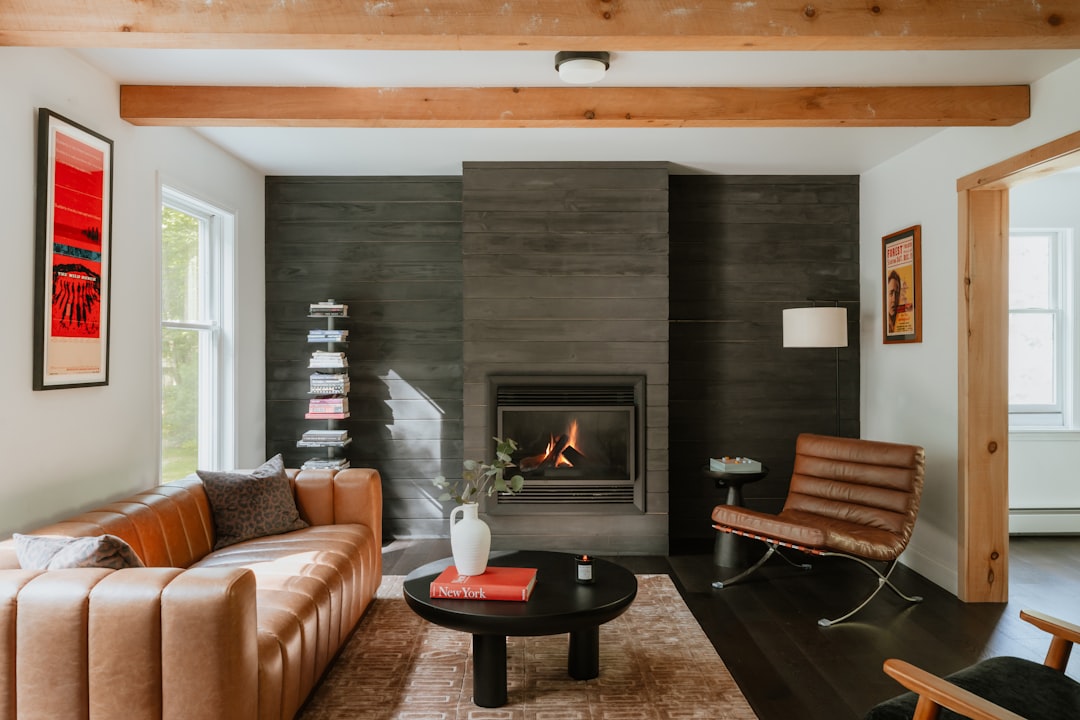
Timber panelling brings organic warmth that wallpaper and paint cannot fully replicate. The tactile quality of wood — visible grain, natural colour variation, and physical texture — creates a feature wall that engages both visually and physically.
Common wood panel configurations for Singapore living rooms include:
- Horizontal slats: Evenly spaced timber slats running horizontally across the wall. This widens the perceived room proportions and works well behind a TV console or sofa.
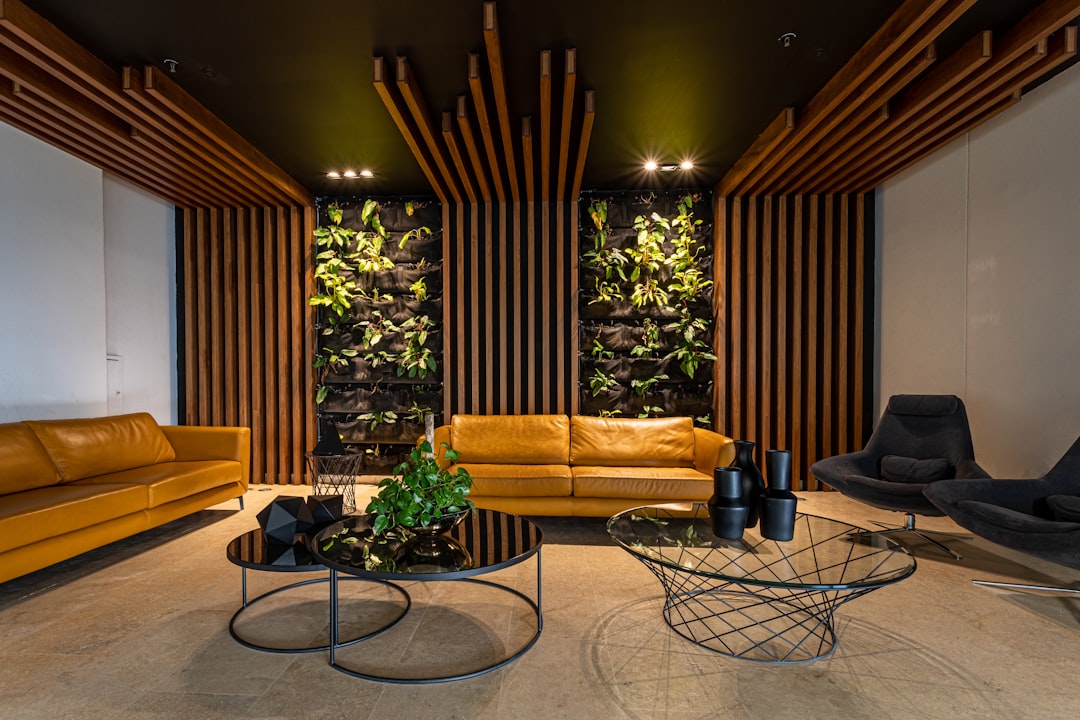
- Vertical fluted panels: Narrow timber or MDF battens fixed vertically, creating a ribbed texture. The vertical lines draw the eye upward, enhancing ceiling height. Particularly effective in HDB flats with standard 2.6-metre ceilings.
- Herringbone or chevron patterns: Timber strips arranged in a V-pattern. More decorative and suited to larger walls where the pattern has room to establish itself.
- Reclaimed wood planks: Irregularly toned and textured timber boards, often salvaged from old structures. Each plank is unique, creating an authentically rustic feature wall.
In Singapore’s humid climate, timber feature walls require moisture management. Engineered wood or composite panels resist warping better than solid hardwood. Ensure there is adequate ventilation behind the panelling to prevent moisture accumulation between the wood and the structural wall.
Textured and 3D Feature Walls
Three-dimensional wall panels create feature walls with physical depth — surfaces that cast shadows and change appearance as light shifts through the day. These panels are typically made from gypsum, MDF, PVC, or plant fibre, and come in interlocking tiles that cover a wall surface.
Popular 3D panel patterns include:
- Wave patterns: Flowing, organic curves that soften a room and create gentle shadow play
- Geometric blocks: Rectangular or diamond shapes that project at different depths, creating a structured, modern texture
- Organic textures: Designs inspired by natural forms — bark, rock strata, coral — that bring biophilic elements into the room
3D panels work best on the wall behind the sofa or the TV wall, where they create a dramatic backdrop without interfering with furniture placement. Keep the colour neutral — white or light grey — and let the shadow pattern do the visual work. Painting 3D panels in dark colours can make the texture disappear, defeating the purpose.
Feature Wall Placement and Proportions
Choosing which wall to feature matters as much as choosing the treatment. In most Singapore living rooms, the feature wall is one of two positions:
The TV wall: The wall where the television is mounted or the media console sits. Since all seating faces this wall, it receives the most visual attention. A feature treatment here frames the entertainment area and prevents the TV from dominating a blank wall.
The sofa wall: The wall behind the main sofa. This is the wall guests face when seated, and a feature treatment here creates a backdrop that frames the seating arrangement. It is also the first wall visible from the entrance in many HDB layouts.
Avoid featuring the wall with the main window — the natural light creates its own visual interest and competes with any surface treatment. Similarly, avoid featuring walls broken up by doors or corridors, as the interruptions fragment the design.
For open-plan living and dining rooms common in newer BTO flats and condominiums, the feature wall can also serve as a visual divider between zones. A wallpaper accent on the dining area wall, for instance, signals a change in function without a physical partition.
Practical Considerations for Singapore Homes
Before committing to a feature wall treatment, consider these practical factors:
Humidity: Singapore’s year-round humidity affects material choice. Vinyl-based wallpapers resist moisture better than paper-based options. Timber panels should be sealed or treated. 3D panels in gypsum are moisture-sensitive and best used in air-conditioned rooms.
Lighting: Feature walls benefit from considered lighting. Recessed downlights, picture lights, or LED strip lighting above or below the wall accentuate texture and depth. A textured wall in a room with only a single central ceiling light loses much of its impact.
Scale: Large patterns and wide panels suit spacious walls. Smaller patterns and finer textures suit compact HDB living rooms. A very large pattern on a small wall can feel overwhelming and make the room appear smaller.
Resale: If you may sell the property within a few years, choose timeless over trendy. Neutral textured wallpapers and timber slats have broader appeal than bold colours or highly specific patterns.
Budget: Feature wall costs vary widely depending on the treatment. Here is a rough guide for a standard HDB living room wall (approximately 3 metres wide by 2.6 metres tall):
| Treatment | Estimated Cost (SGD) |
|---|---|
| Wallpaper (supply and install) | $300–$800 |
| Timber or WPC slat panels | $600–$1,500 |
| 3D textured panels (painted) | $400–$1,000 |
| Stone cladding (natural) | $1,200–$3,000 |
| Combination treatment | $800–$2,500 |
These figures include materials and professional installation. DIY installation can reduce costs by 30% to 40% for treatments that do not require specialist skills, such as peel-and-stick wallpaper or adhesive-mounted lightweight panels.
Get a free quote for your feature wall project. Request a quotation to understand costs for wallpaper, panelling, or combined treatments tailored to your living room dimensions.