Interior Design
Modern Feature Wall Designs: Accent Wall Ideas
Defining the Modern Feature Wall
Modern feature wall design has evolved well beyond a single painted wall in a contrasting colour. Today’s accent walls incorporate texture, dimension, mixed materials, and considered lighting to create surfaces that function as architectural elements rather than decorative afterthoughts.
What distinguishes a modern feature wall from a traditional one is intentionality. Every element — material, colour, scale, and lighting — works together to achieve a specific effect. A fluted timber panel wall with integrated LED strip lighting is modern. A random selection of decorative items stuck to a painted wall is not.
For Singapore homes, modern feature walls serve an additional function: they maximise visual impact within compact floor plans. A thoughtfully designed accent wall in a 20-square-metre HDB living room can deliver the same design authority as a much larger, more lavishly furnished space.
Textured Surfaces: Beyond Flat Finishes
Texture is the foundation of modern feature wall design. Flat, smooth surfaces are giving way to walls that invite touch and create visual depth through light and shadow play.
Micro-cement and limewash finishes create organic, cloud-like textures with subtle colour variation. These hand-applied finishes produce walls that are unique to each application — no two are exactly alike. They work beautifully in living rooms and bedrooms where a sophisticated, understated backdrop is desired.
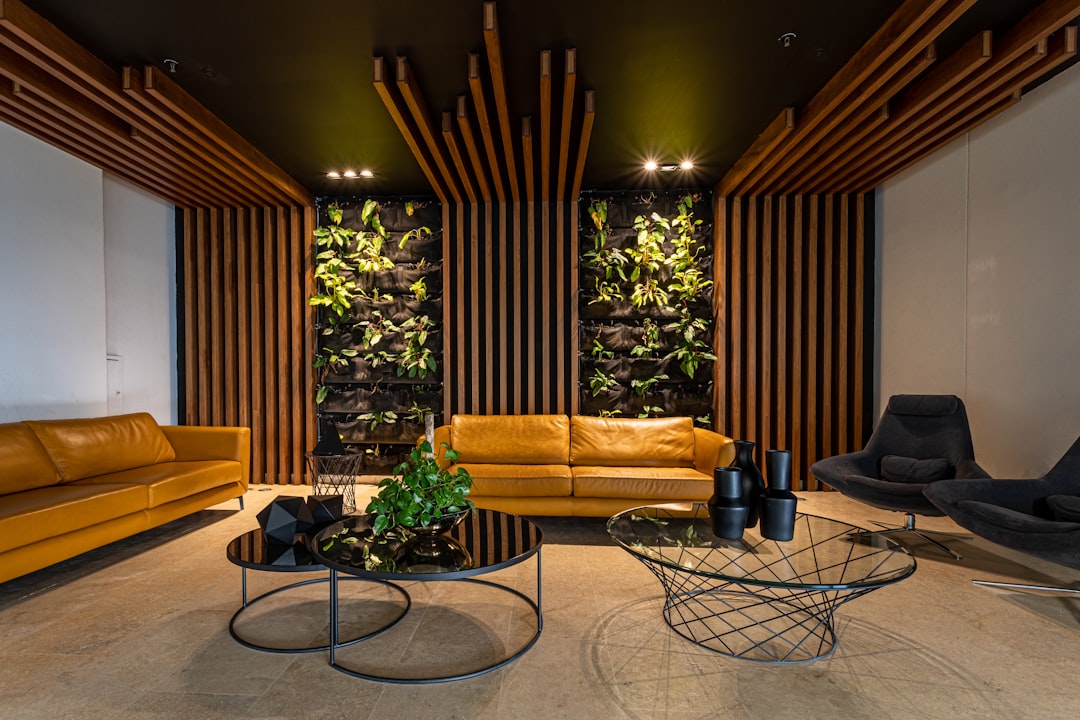
Fluted or ribbed panels are among the most popular modern feature wall treatments in Singapore. Vertical battens in timber, MDF, or composite material create a rhythmic pattern of light and shadow. The fluting adds architectural depth to a flat wall and visually increases ceiling height — a valuable effect in HDB flats.
Stone-effect wallpapers replicate the appearance of marble, travertine, or slate with convincing accuracy. Modern printing technology captures not just the colour but the depth and translucency of natural stone. These wallpapers offer the aesthetic of stone cladding at a fraction of the cost and without the structural weight.
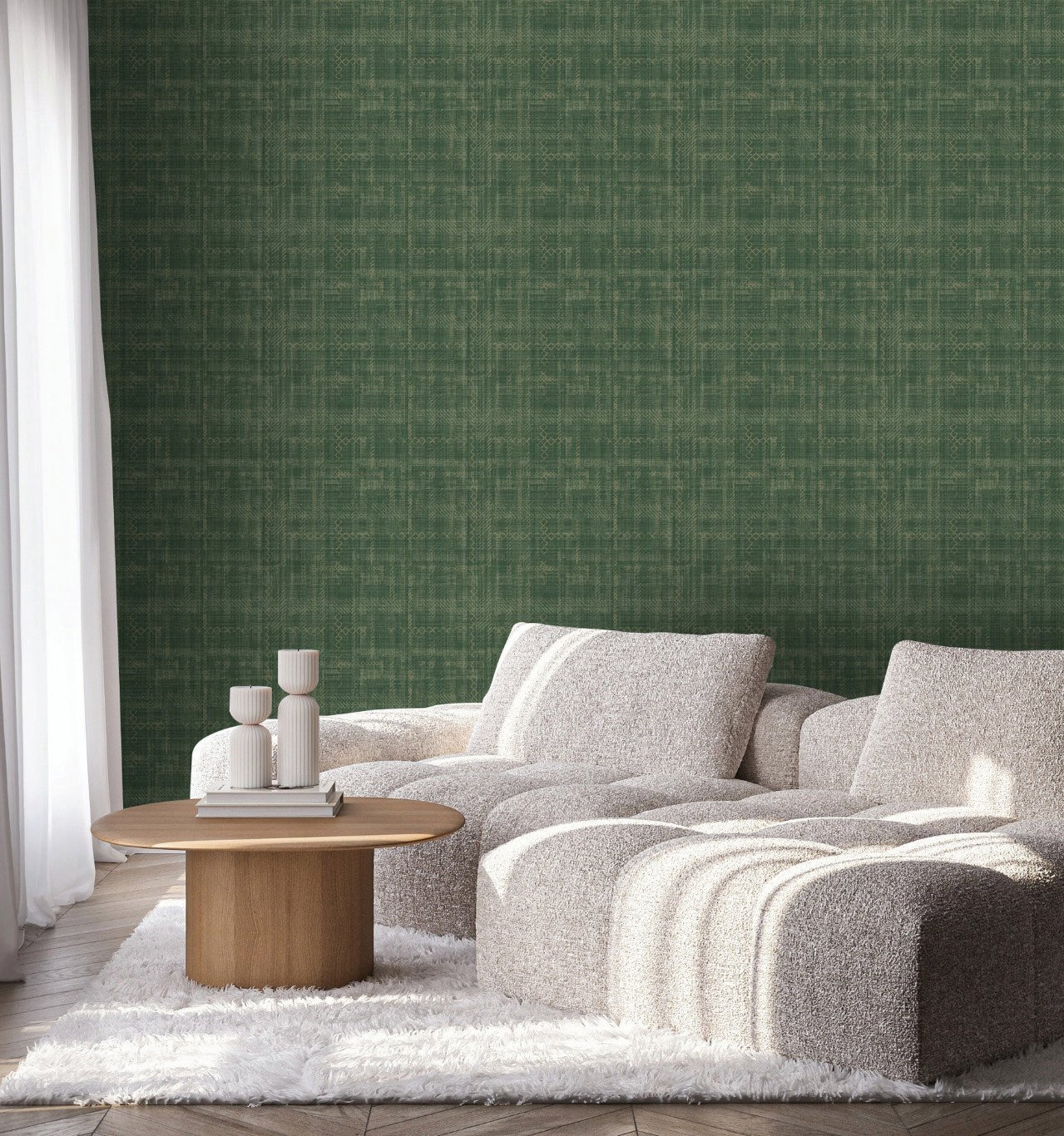
The wallpaper and wall covering collection includes textured designs that suit modern feature wall applications, from subtle plaster effects to bold stone and concrete finishes.
Material Combinations for Visual Interest
Mixing materials on a single feature wall creates layers of visual interest that a single material cannot achieve. Modern design embraces these combinations with confidence:
| Combination | Effect | Application |
|---|---|---|
| Timber slats + painted wall | Warm contrast, partial coverage | TV wall, headboard wall |
| Stone cladding + timber shelf | Organic luxury, layered depth | Living room, dining room |
| 3D panels + flat paint surround | Focused drama, framed texture | Entrance foyer, corridor |
| Wallpaper + mirror panels | Expanded space, light play | Small living rooms, bedrooms |
| Fluted panel + backlit recess | Architectural depth, modern glow | Master bedroom, living room |
The principle is contrast with cohesion. The materials should differ in texture but share a colour family or tonal range. Timber slats against a charcoal wall, for example, creates strong contrast while remaining tonally unified. Timber slats against a bright orange wall creates contrast that feels disjointed.
Colour Strategies for Modern Accent Walls
Modern feature wall colour palettes in Singapore lean towards sophistication over saturation. The days of a single bright red accent wall are well behind us. Current approaches include:
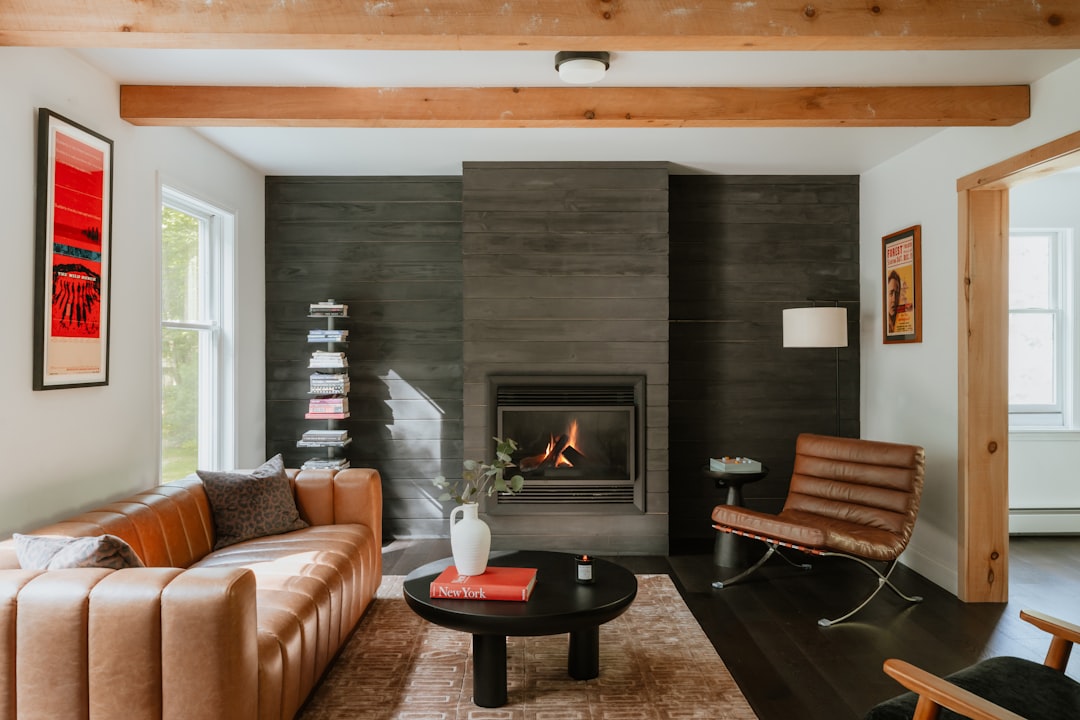
Tonal depth: Using a deeper shade of the room’s main colour on the feature wall. If the room is painted in warm grey, the feature wall might be a rich charcoal. This creates emphasis without colour conflict.
Moody darks: Deep navy, forest green, and charcoal feature walls create dramatic backdrops that make lighter furniture, artwork, and accessories pop. Dark colours absorb light, so they work best on walls with good artificial lighting.
Warm neutrals: Terracotta, warm taupe, and clay tones add colour without intensity. These earthy shades ground a modern space and pair well with natural material textures.
Monochrome texture: Keeping the feature wall the same colour as surrounding walls but adding texture — through 3D panels, fluted battens, or textured wallpaper — creates interest through material rather than colour. This is a particularly safe approach for homeowners who want impact without bold colour commitment.
Lighting Your Feature Wall
Lighting transforms a feature wall from a static surface into a dynamic element. Without proper lighting, textured walls lose their shadow play, and dark colours turn into featureless voids.
Effective lighting techniques for feature walls include:
- Recessed ceiling downlights: Positioned 20 to 30 cm from the wall, these cast a wash of light down the surface, accentuating texture and adding drama. Use warm white (2700K to 3000K) for living rooms and bedrooms.
- Cove lighting: LED strips concealed in a ceiling recess or within a pelmet create a soft, indirect glow across the wall. This produces even illumination without harsh spots.
- Backlit recesses: Niches or gaps behind panels with concealed LED strips create a halo effect. This is particularly striking behind fluted panels, where light bleeds through the gaps between battens.
- Picture lights: Wall-mounted lights that cast a focused beam downward, ideal for highlighting artwork or a specific section of textured wallpaper.
Dimmable lighting is strongly recommended for feature walls. The ability to adjust intensity lets you change the room’s atmosphere from bright and social to warm and intimate without altering anything else.
Design Principles for Singapore Spaces
Modern feature wall design in Singapore must account for the realities of local property types:
HDB flats: Standard wall heights of 2.6 metres mean vertical treatments (fluted panels, vertical wallpaper patterns) are effective for creating the illusion of greater height. Keep feature walls to a single surface — the compact floor plan does not support multiple competing accent walls.
Condominiums: Higher ceilings (2.8 to 3.2 metres) and larger wall surfaces allow for bolder treatments. Full-height stone cladding, large-scale mural wallpapers, and floor-to-ceiling fluted panels all work well. Open-plan layouts benefit from feature walls that subtly delineate living and dining zones.
Landed properties: Double-height void areas, staircases, and expansive walls call for treatments that scale appropriately. Oversized patterns, wide-format stone panels, and multi-storey timber battens create statement features that suit the architectural scale.
Across all property types, ensure the feature wall relates to the room’s furniture arrangement. The feature wall should face or frame the main seating area, creating a visual anchor that the rest of the room’s layout responds to.
Common Mistakes to Avoid
Modern feature wall design is forgiving, but a few common missteps can undermine the result:
Overcomplicating the design. A feature wall with too many materials, colours, and textures competing for attention defeats the purpose. Choose one dominant material and, if combining, let it cover at least 70% of the wall. Secondary elements should support, not compete.
Ignoring the room’s existing palette. A feature wall must connect to the room’s broader colour scheme. A dramatic charcoal fluted panel wall can look stunning — but not if the adjacent walls are beige, the sofa is olive green, and the rug is burgundy. Simplify the surrounding elements to let the feature wall breathe.
Skimping on installation quality. Uneven panel joints, visible adhesive marks, and poorly aligned wallpaper seams are magnified on a feature wall precisely because the surface draws attention. Professional installation costs more but protects your investment. A beautifully designed feature wall with visible flaws is worse than a plain well-painted wall.
Forgetting the ceiling line. Feature walls that stop abruptly at the ceiling without a clean transition look unfinished. A shadow gap — a narrow recess between the top of the wall treatment and the ceiling — provides a clean, deliberate edge. Alternatively, running the treatment into a ceiling recess or pelmet creates a seamless termination.
Browse our e-catalogue for the latest wallpaper and wall covering designs, or book an appointment with our design team to discuss feature wall solutions for your property.