Interior Design
Wabi-Sabi Bedroom Design: Imperfect Beauty at Home
What Wabi-Sabi Means for Bedroom Design
Wabi-sabi is a Japanese aesthetic philosophy centred on finding beauty in imperfection, impermanence, and incompleteness. Applied to bedroom design, it produces spaces that feel calm, unforced, and genuinely restful — qualities that matter enormously in a city as fast-paced as Singapore.
A wabi-sabi bedroom does not aim for showroom perfection. Instead, it values handmade textures over machine-smooth finishes, natural materials over synthetic ones, and muted, earthy palettes over bold statement colours. The slight unevenness of a hand-plastered wall, the visible grain of raw timber, the soft irregularity of a linen bedspread — these are features, not flaws.
For Singapore homeowners tired of the polished, Instagram-ready interiors that dominate local design media, wabi-sabi offers a genuinely different direction. It is less about acquiring things and more about curating fewer, more meaningful elements.
The Wabi-Sabi Colour Palette
Colour in a wabi-sabi bedroom is drawn from nature and kept deliberately restrained. Think of the tones you encounter in a forest or on a shoreline — muted, layered, and harmonious without effort.
The core palette includes:
- Warm whites and off-whites: Not stark, bright white, but soft tones with warmth — cream, ivory, parchment
- Earth tones: Clay, sand, mushroom, stone grey, warm taupe
- Muted greens: Sage, moss, olive — connecting the space to plant life
- Soft browns: From pale driftwood to deep walnut, reflecting natural timber
- Charcoal and slate: Used sparingly for grounding, never as the dominant tone
In Singapore’s bright tropical light, these muted tones avoid the washed-out look they might produce in overcast climates. The strong natural light gives depth to subtle colours, making a room in warm taupe feel rich and enveloping rather than flat.
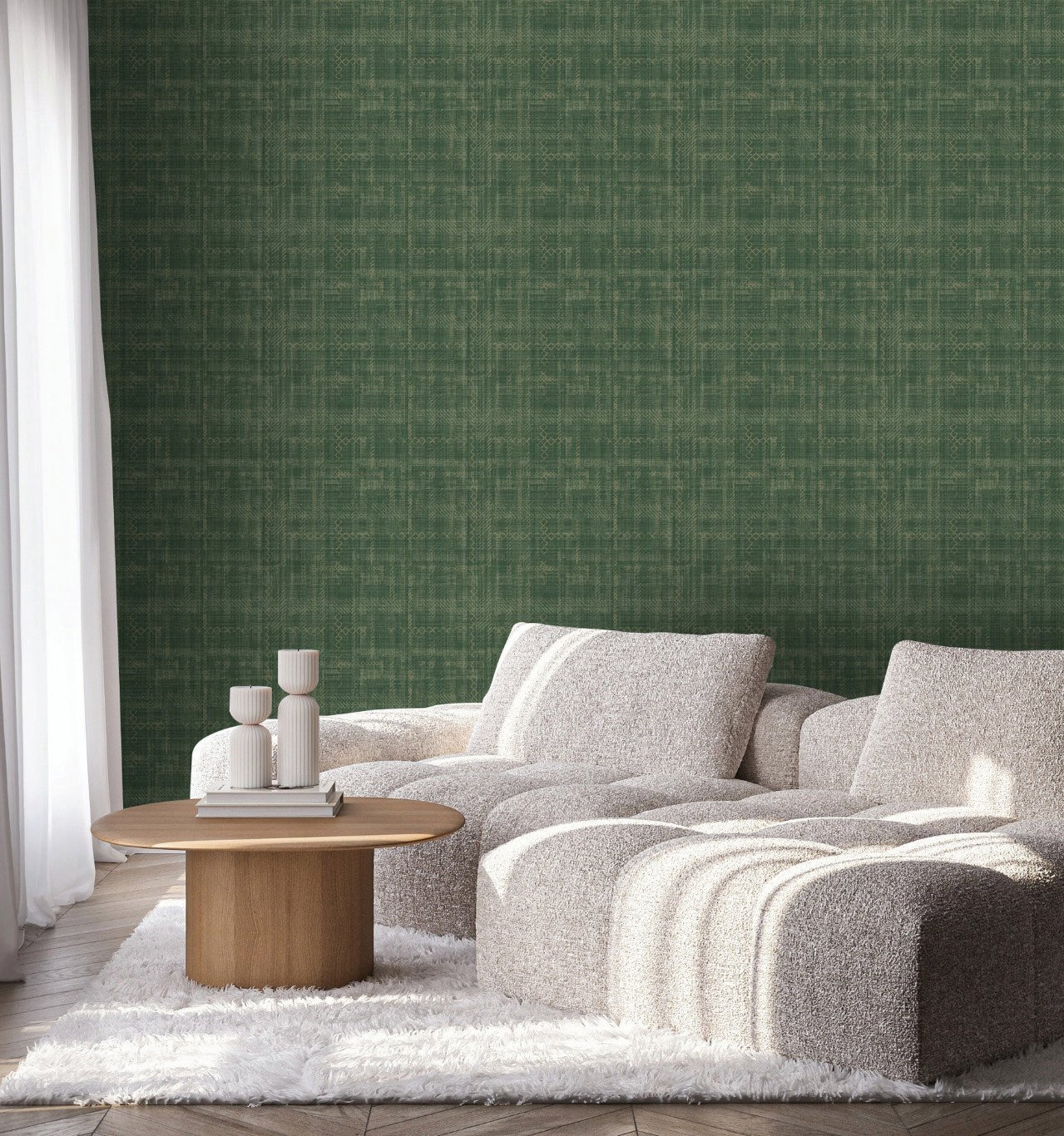
Walls are a natural starting point. A textured wallpaper that mimics raw plaster, washed concrete, or aged paper instantly sets the wabi-sabi tone. These textured finishes catch light unevenly through the day, creating a living surface that changes character from morning to evening.
Materials and Textures That Define the Space
Wabi-sabi bedrooms rely on material honesty — using natural materials and letting their inherent character show rather than concealing it beneath layers of finish.
Linen is the quintessential wabi-sabi textile. Linen bedding, curtains, and cushion covers develop a soft, lived-in quality over time. The natural creases are part of its charm, not a deficiency to be ironed out. In Singapore’s humidity, linen breathes well and feels cool against the skin — a functional advantage alongside the aesthetic one.
Raw or brushed timber — for bed frames, side tables, or floor surfaces — brings organic warmth. Wood with visible grain, natural knots, and slight colour variation embodies the wabi-sabi acceptance of irregularity. Avoid high-gloss lacquered finishes; matte or oiled finishes that let you feel the wood’s texture are more aligned with the philosophy.
Natural stone or concrete accents, whether in a small bedside tray, a lamp base, or a feature wall panel, add weight and groundedness. The cool touch of stone balances the warmth of timber and textiles.
Handmade ceramics for bedside accessories — a water carafe, a small dish for jewellery, a vase — introduce subtle irregularity. The slight wobble of a hand-thrown piece reinforces the human touch that wabi-sabi celebrates.
Window Treatments for a Wabi-Sabi Bedroom
Window treatments in a wabi-sabi bedroom should filter light softly rather than block it harshly. The goal is a gentle, diffused glow that changes throughout the day.
Sheer linen curtains are the natural choice. They soften Singapore’s strong sunlight without eliminating it, casting a warm, ambient light across the room. The fabric’s natural drape — slightly uneven, gently pooling at the floor — suits the aesthetic perfectly.
For bedrooms that require darkness for sleep, layer a blackout roller blind behind the sheer curtain. The blind handles the functional requirement while the curtain provides the visual softness. When the blind is raised during the day, only the sheer curtain is visible.
Avoid blinds with sharp, mechanical lines as the primary window treatment in a wabi-sabi bedroom. Venetian blinds and aluminium rollers, while practical, introduce a precision that works against the organic, imperfect quality the style seeks. If blinds are necessary, honeycomb or cellular types in neutral tones offer a softer profile.
The drapery fabric range includes natural linen, cotton, and linen-blend options that suit wabi-sabi interiors — materials that develop character with age rather than simply wearing out.
Flooring That Grounds the Room
The floor is the largest surface in any bedroom, and in a wabi-sabi space, it sets the foundational tone. Natural or natural-look flooring materials are essential.
Timber flooring with visible grain and tonal variation is ideal. Engineered wood with a brushed or wire-brushed finish enhances the grain texture, creating a surface that feels authentic underfoot. Oak in a light wash, walnut in its natural tone, or reclaimed timber with its inherent patina all work beautifully.
For HDB and condominium bedrooms where solid timber flooring may not be practical, luxury vinyl tiles (LVT) in wood-look finishes offer a convincing alternative. Modern LVT reproduces not just the colour but the surface texture of real wood, including the slight ridges of grain. The material is also warmer and quieter underfoot than genuine timber — a benefit for bedrooms above or below neighbours.
Explore luxury vinyl options that replicate natural wood tones and textures for a wabi-sabi-aligned floor without the maintenance demands of real timber.
Decluttering as Design
A wabi-sabi bedroom is, above all, a space of restraint. Every object earns its place through function or genuine meaning. The bedside table holds only what you use nightly — a lamp, a book, a glass of water. Surfaces are not display shelves for accumulated objects.
This restraint is not minimalism in its stark, austere form. A wabi-sabi room still has warmth, texture, and personality. The difference is that each element carries more weight because there is space around it. A single handmade vase on a timber shelf makes a stronger impression than a shelf crowded with decorative items.
For Singapore’s compact bedrooms — particularly in HDB flats where the master bedroom may be 12 to 15 square metres — this edited approach is also spatially practical. Fewer objects and simpler surfaces make a small room feel larger and more breathable.
Lighting for Wabi-Sabi Bedrooms
Lighting in a wabi-sabi bedroom should feel gentle and layered rather than bright and uniform. The goal is to create pools of warm light that invite rest, not the even, shadowless illumination of a commercial space.
Warm-toned bulbs — in the range of 2200K to 2700K — produce the soft, amber glow that suits the aesthetic. Avoid cool white or daylight bulbs, which create a clinical atmosphere at odds with the philosophy’s emphasis on warmth and naturalness.
Table lamps with textured ceramic or timber bases provide bedside illumination while serving as sculptural objects in their own right. Paper lantern pendants diffuse light beautifully and introduce the lightweight, impermanent quality that wabi-sabi values. Wall-mounted reading lights on articulated arms offer function without cluttering the bedside surface.
Dimmer switches are essential. The ability to lower light levels as bedtime approaches supports both the aesthetic and your sleep quality. A bedroom that transitions from warm ambient light to near-darkness over the course of an evening aligns with the natural rhythms that wabi-sabi design seeks to honour.
Natural light, managed through sheer curtains as described above, does much of the aesthetic work during daytime hours. The way filtered sunlight falls across a textured wall, catches the weave of a linen bedspread, or illuminates the grain of a timber floor — these are the quiet moments that make a wabi-sabi bedroom feel alive.
Start your wabi-sabi bedroom transformation with the surfaces that matter most: walls, floor, and windows. Request free samples from our Singapore showroom to compare textures and tones in your own space before committing to a full scheme.