Interior Design
Wood Feature Walls in Singapore: Types & Design Ideas
The Enduring Appeal of Wood Feature Walls
Wood has an almost universal ability to make interiors feel warmer, more grounded, and more inviting. A wood feature wall harnesses this quality on a large scale, turning a single surface into the room’s defining design element. The natural grain patterns, colour variation, and tactile texture of timber create visual richness that manufactured materials struggle to replicate.
In Singapore’s interior design landscape, wood feature walls have become a staple across property types — from compact HDB living rooms to expansive landed property entertaining areas. The style adapts easily: horizontal planks for a relaxed, coastal feel; vertical slats for contemporary sophistication; herringbone patterns for classic elegance.
The challenge, as always in tropical Singapore, is selecting the right wood type and treatment to ensure the feature wall remains beautiful and stable in high-humidity conditions.
Wood Types Suited to Singapore Interiors
Not all timbers perform equally in Singapore’s climate. Understanding the properties of commonly available wood species helps you make a choice that balances aesthetics with longevity.
| Wood Species | Colour | Grain | Humidity Resistance | Cost |
|---|---|---|---|---|
| Teak | Golden brown, darkens with age | Straight, moderate | Excellent (natural oils) | High |
| Oak | Light to medium brown | Prominent, open | Good (when sealed) | Moderate–high |
| Walnut | Rich dark brown | Flowing, decorative | Moderate | High |
| Pine | Pale, yellowish | Prominent knots | Poor (softwood) | Low |
| Nyatoh | Reddish-brown | Fine, even | Good | Moderate |
| Chengal | Dark brown | Interlocked | Excellent (dense) | Moderate–high |
Teak and chengal are the most naturally suited to Singapore’s humidity — both contain oils and resins that resist moisture absorption. Oak performs well when properly sealed but needs more attention in non-air-conditioned rooms. Pine, while affordable and visually appealing in its rustic way, is a softwood that dents easily and is susceptible to moisture damage without thorough treatment.
For most Singapore homeowners, engineered wood panels — a thin veneer of real wood bonded to a stable plywood or MDF core — offer the best compromise. They provide the authentic look and feel of solid timber with significantly better dimensional stability.
Panel Configurations and Styles
The arrangement of wood on the wall defines the style as much as the wood species itself. Common configurations include:
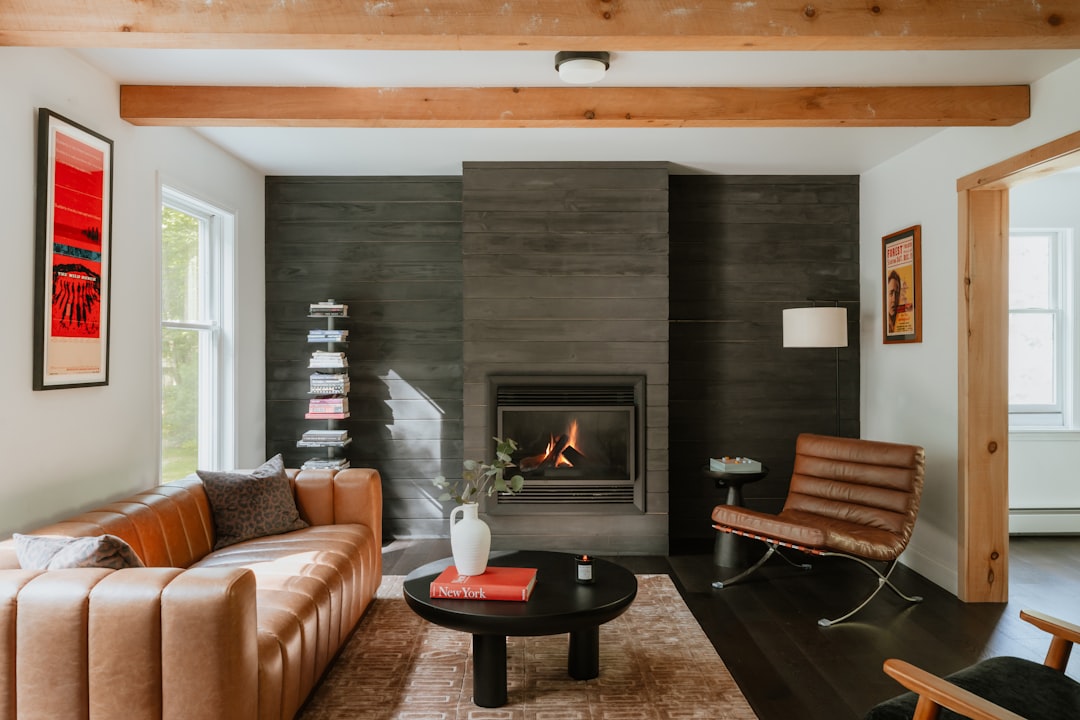
Horizontal planks: Broad timber boards running horizontally. This configuration widens the visual perception of a wall and creates a relaxed, casual atmosphere. It works particularly well behind sofas and bed frames where the horizontal lines echo the furniture’s profile.
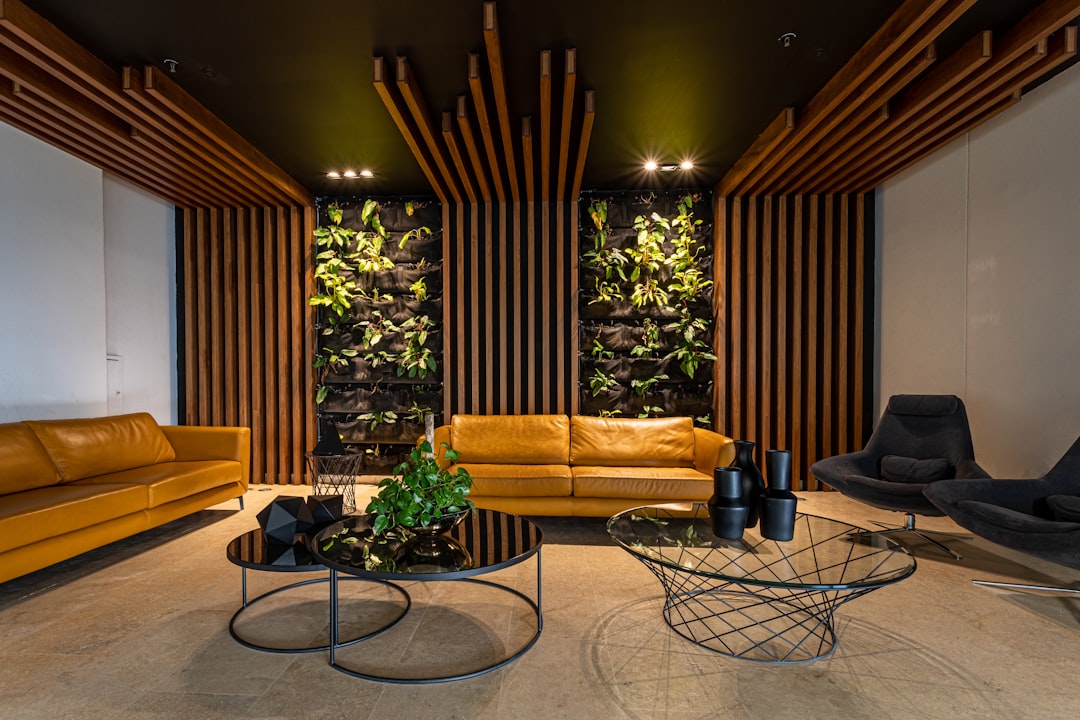
Vertical slats or battens: Narrow timber strips fixed vertically with even spacing. This is the most popular contemporary style in Singapore. The vertical lines draw the eye upward, enhancing ceiling height. Spacing between slats can vary — tight spacing (5 mm) creates a subtle ribbed texture, while wider spacing (20 mm) creates a more open, layered effect.
Herringbone: Timber strips arranged in a V-pattern, similar to herringbone flooring. This pattern is decorative and attention-grabbing, best reserved for a single feature wall where it has room to make an impact. It works particularly well in dining rooms and entrance foyers.
Random-width planks: Boards of varying widths installed together, creating an organic, less uniform look. This suits rustic, industrial, and wabi-sabi inspired interiors where deliberate imperfection is part of the design language.
Geometric patterns: Timber arranged in squares, diamonds, or interlocking shapes. These are statement features — bold and graphic. Best for larger walls in landed properties or commercial spaces where the pattern can be fully appreciated.
Finishes and Treatments
The finish you apply to a wood feature wall affects both its appearance and its resilience. In Singapore’s climate, finishing is not optional — unfinished wood will absorb moisture and deteriorate.
- Natural oil: Penetrates the wood, enhancing grain and colour while providing moisture protection. Matte appearance that feels natural to the touch. Needs reapplication every one to two years.
- Matte lacquer: A thin clear coating that protects the surface while maintaining a natural wood appearance. More durable than oil, requiring less frequent maintenance.
- Stain + sealant: Alters the wood’s colour (lighter, darker, or entirely different tone) while sealing the surface. Allows you to use an affordable species like pine while achieving the look of a more expensive timber.
- Whitewash or liming: A diluted white finish that lightens the wood while allowing grain to show through. Creates a Scandinavian or coastal aesthetic that brightens compact HDB rooms.
- Charred finish (shou sugi ban): The wood surface is lightly charred with a flame, then sealed. This Japanese technique creates a dramatic, darkened texture that is naturally resistant to moisture and insects. Increasingly popular in contemporary Singapore interiors.
Installation in Singapore Properties
Wood feature wall installation follows a general sequence, with specific considerations for different property types:
Wall preparation: The underlying wall must be clean, dry, and level. In older HDB flats, walls may have uneven plaster — a batten framework corrects this and provides a level mounting surface.
Batten framework: Timber or aluminium battens (typically 25 x 50 mm) are fixed to the wall at 400 to 600 mm centres. The battens provide a fixing surface for the wood panels, create an air gap for moisture management, and allow for concealed wiring (useful if you want to integrate lighting or electrical outlets within the feature wall).
Panel installation: Wood panels are fixed to the battens using concealed clips, pin nails, or adhesive. Start from the bottom and work upward, checking level frequently. Leave a 5 to 8 mm expansion gap around the perimeter, concealed by skirting and corner trim.
For HDB flats, check whether the intended wall is a structural wall or a partition wall. Structural walls (concrete) hold fixings well; partition walls may need toggle bolts or specialised anchors for heavy timber panels. In condominiums with plasterboard walls, ensure fixings penetrate the studs behind the board for secure support.
Alternatives to Solid Timber
If solid or engineered wood is outside your scope — whether due to budget, maintenance concerns, or humidity exposure — several alternatives capture the wood aesthetic with fewer compromises:
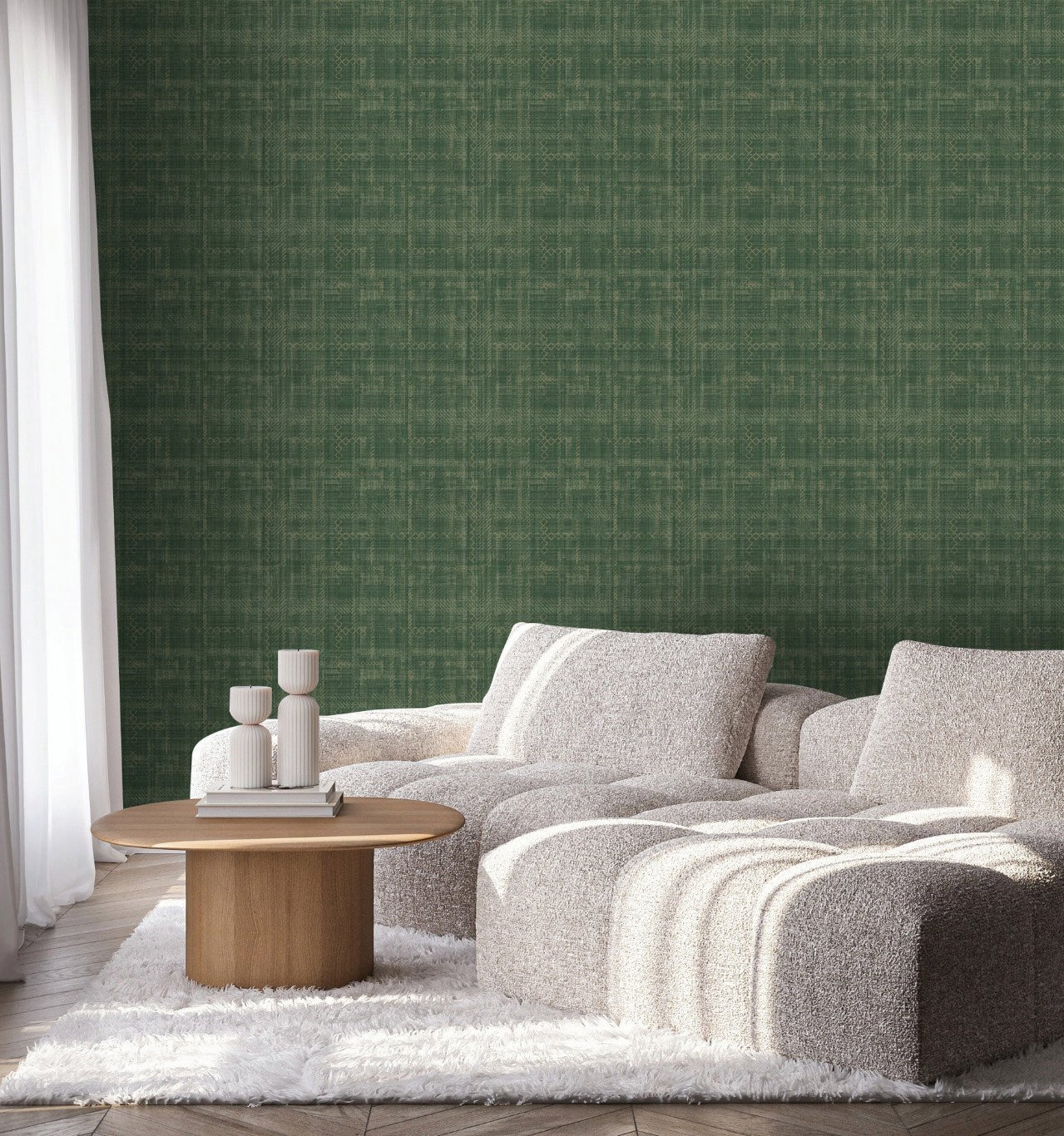
- Wood-effect wallpaper: High-resolution printing on vinyl wallpaper replicates timber plank, slat, and panel patterns convincingly. The residential wallpaper collection includes wood-effect designs suited to this purpose.
- WPC (wood-plastic composite) panels: These combine wood fibre with polymer for a material that looks and feels like timber but is completely moisture-proof. WPC panels do not warp, crack, or support mould growth — ideal for Singapore’s climate.
- Vinyl plank wall application: Luxury vinyl planks designed for flooring can be applied to walls using adhesive, creating a wood-look surface that is waterproof and maintenance-free.
These alternatives are particularly practical for kitchens, bathrooms, and non-air-conditioned rooms where real timber would struggle. They also cost significantly less than solid hardwood, making wood-look feature walls accessible for more modest renovation budgets.
Maintenance and Care
A wood feature wall requires ongoing care to maintain its appearance, though the level of effort depends on the material and finish.
For oiled timber surfaces, dust weekly with a dry microfibre cloth and reapply wood oil every one to two years. The reapplication process is straightforward — wipe on, allow to penetrate, buff off — and takes less than an hour for a standard feature wall. The oil keeps the wood nourished and resistant to moisture absorption.
Lacquered and sealed surfaces need less frequent attention. Dust regularly and wipe with a slightly damp cloth as needed. Avoid harsh chemical cleaners that can strip the lacquer over time. If the finish dulls after several years, a light sanding and fresh coat of lacquer restores the surface without removing or replacing the wood.
Watch for signs of moisture damage: darkening at the base of the wall (where humidity accumulates), warping of individual boards, or a musty smell behind the panelling. Catching these early — typically by running a dehumidifier in the room during particularly wet monsoon periods — prevents damage from spreading.
Get a free quote for your wood feature wall project. Request a quotation to understand costs for your specific wall dimensions and preferred materials.