Interior Design
HDB Living Room Design: Maximising Space and Style
Designing a Living Room That Works for HDB Life
The living room is the heart of every HDB flat. It is where families gather, guests are entertained and, increasingly, where Singaporeans work from home. Yet HDB living rooms come with inherent constraints: fixed dimensions, standard ceiling heights of approximately 2.6 metres, and structural columns or beams that cannot be moved.
Good HDB living room design works within these constraints rather than fighting them. It is about making smart choices with layout, materials and furnishings that make the space feel larger, more functional and more personal than its floor plan might suggest.
Layout Strategies by Flat Type
Each HDB flat type presents different living room proportions and layout challenges. Here is how to approach the most common configurations.
3-Room Flat
Three-room HDB living rooms typically measure around 3.5 by 5 metres. With this footprint, every piece of furniture must earn its place. A two-seater sofa rather than a three-seater preserves circulation space. Wall-mounted TV consoles free up floor area. Avoid placing furniture against every wall, which can make the room feel like a furniture showroom rather than a living space.
4-Room Flat
Four-room flats offer a more generous living room, often with enough space for an L-shaped sofa and a separate dining area. The key challenge is defining zones without physical barriers. Use flooring transitions, rugs or ceiling design to distinguish the living area from the dining space.
5-Room and Executive Flat
Larger HDB living rooms can accommodate more substantial furniture and distinct functional zones. Consider dedicated areas for seating, dining and possibly a reading corner or home workspace. The risk with larger spaces is under-furnishing, which can make the room feel empty and cold.
| Flat Type | Typical Living Room Size | Key Design Focus |
|---|---|---|
| 3-room | ~17 sqm | Space efficiency, minimal furniture |
| 4-room | ~22 sqm | Zone definition, balanced layout |
| 5-room | ~28 sqm | Functional zones, layered design |
| Executive | ~33 sqm | Distinct areas, generous proportions |
Flooring Choices That Set the Foundation
The floor is the largest visible surface in any living room. Your flooring choice affects the room’s perceived size, warmth and maintenance requirements. Selecting the right flooring is one of the most consequential decisions in any HDB renovation, as it forms the backdrop against which every other element is seen.
Vinyl and Luxury Vinyl Tiles
Luxury vinyl tiles (LVT) are the most popular flooring choice for HDB living rooms today. They are waterproof, comfortable underfoot, available in realistic wood and stone effects, and can be installed over existing flooring to save time and cost during renovation.
For HDB living rooms, lighter wood-tone vinyl flooring in oak or ash tones creates a sense of spaciousness. Wider plank formats with fewer join lines make small rooms feel larger.
Laminate Flooring
Laminate offers a similar aesthetic to vinyl at a slightly different price point. It is harder underfoot and more susceptible to moisture damage than vinyl, which is a consideration in Singapore’s climate. However, high-quality laminate flooring has improved significantly in water resistance.
Tiles
Porcelain and ceramic tiles are durable and easy to clean, but they can feel cold and hard. In air-conditioned living rooms, tiles can become uncomfortably cool. They are best suited to homeowners who prefer a cooler underfoot feel or have radiant heating.
Wall Treatments for HDB Living Rooms
Walls are your largest vertical canvas. How you treat them determines the room’s character and perceived dimensions.
Feature Walls
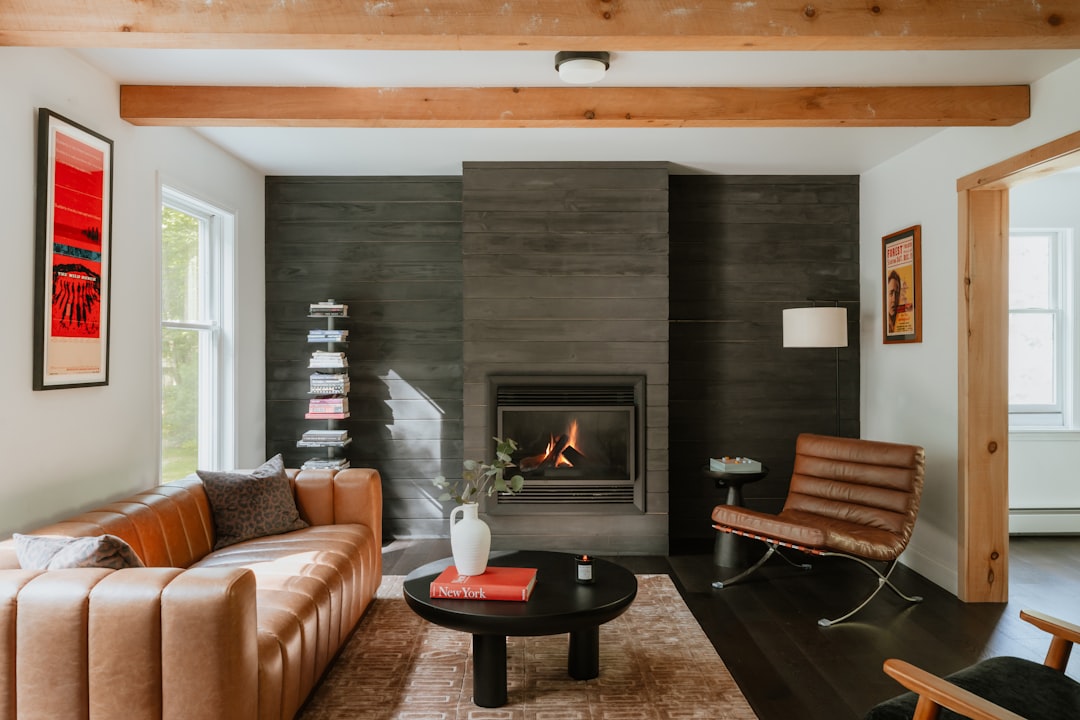
A single feature wall behind the sofa or TV creates a focal point without overwhelming the space. Popular options include wallpaper, laminate panels, fluted wood panels and textured paint. Keep the remaining walls in a complementary neutral tone.
Colour Strategy
In smaller HDB living rooms, lighter wall colours make the space feel more open. White, warm grey, pale beige and soft sage are safe choices. If you want a darker accent wall, limit it to one wall and balance it with lighter surfaces elsewhere.
Wallpaper Accent Walls
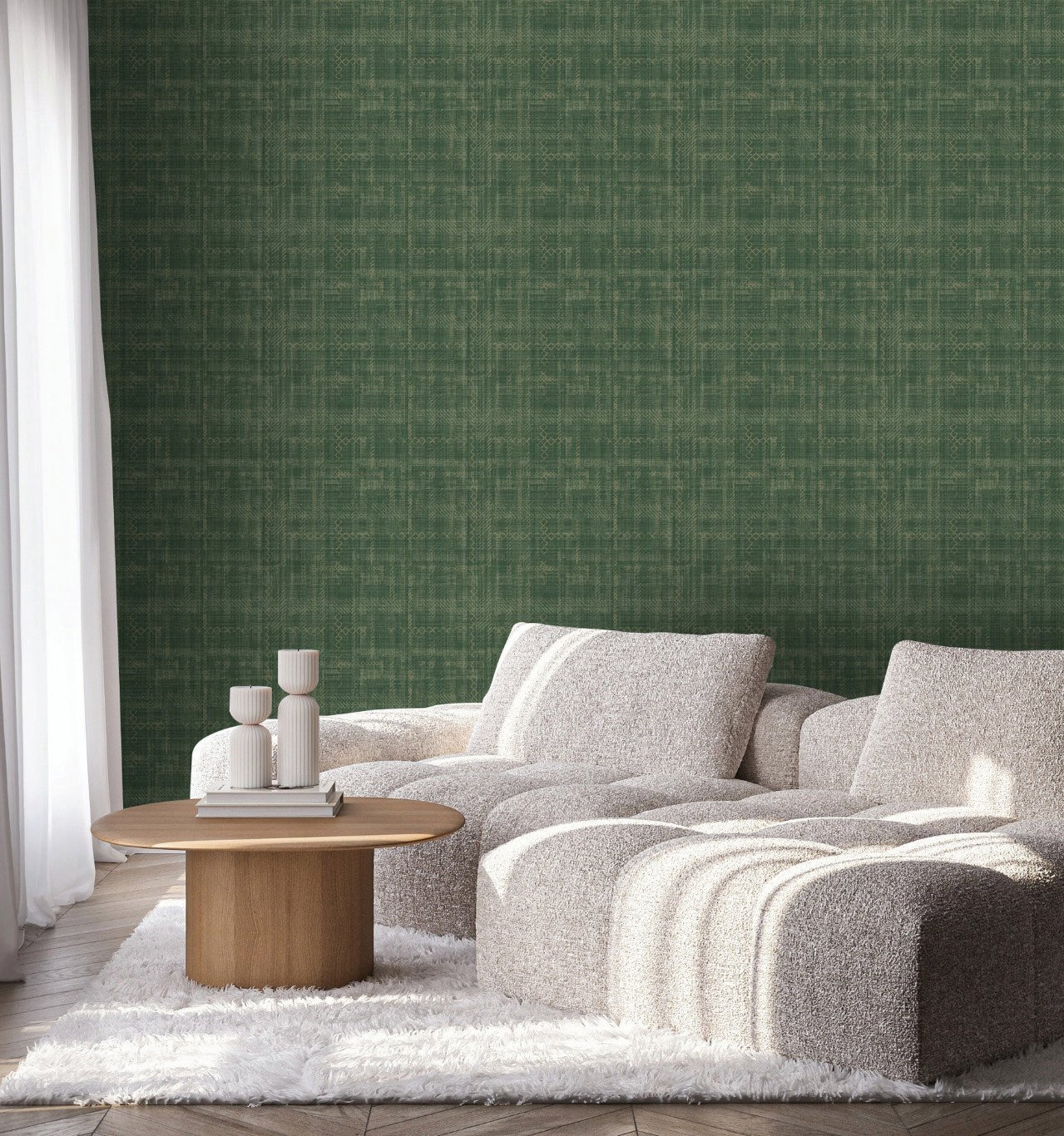
A wallpaper accent wall is one of the most cost-effective ways to add personality to an HDB living room. Textured wallpapers in natural tones add depth without busy patterns. For a bolder statement, geometric or botanical prints create visual interest.
Furniture Selection and Arrangement
Furniture is where many HDB homeowners go wrong. The temptation to buy oversized pieces that look great in a showroom but overwhelm an HDB living room is common.
Scale and Proportion
- Measure your living room carefully before purchasing any furniture. Draw a floor plan and test arrangements on paper first.
- Choose sofas with slim arms and raised legs. Visible floor beneath furniture makes the room feel more spacious.
- Avoid bulky coffee tables. Slim, round or nesting tables offer flexibility without blocking movement.
- Consider the depth of your sofa. Deep sofas are comfortable but consume valuable floor space in smaller rooms.
Multi-Functional Furniture
In three-room and four-room HDB flats, multi-functional furniture is essential. Ottoman storage, extendable dining tables and wall-mounted desks that fold away when not in use make the most of limited space.
Built-In vs Freestanding
Built-in TV consoles, display shelves and storage cabinets maximise wall space and create a clean, integrated look. However, they are a permanent commitment. Freestanding furniture offers flexibility to rearrange and update over time.
Lighting and Finishing Touches
Lighting sets the mood and can dramatically alter how spacious a living room feels.
Layered Lighting
Avoid relying on a single ceiling light. Combine ambient lighting (cove lights, ceiling downlights), task lighting (reading lamps, desk lights) and accent lighting (picture lights, LED strip accents) for a layered scheme that is both functional and atmospheric.
Curtains and Soft Furnishings
Floor-length curtains in light, flowing drapery fabrics make windows appear taller. Sheer curtains behind blockout panels allow natural light during the day while maintaining privacy at night. Coordinate curtain and cushion fabrics for a cohesive look.
Greenery
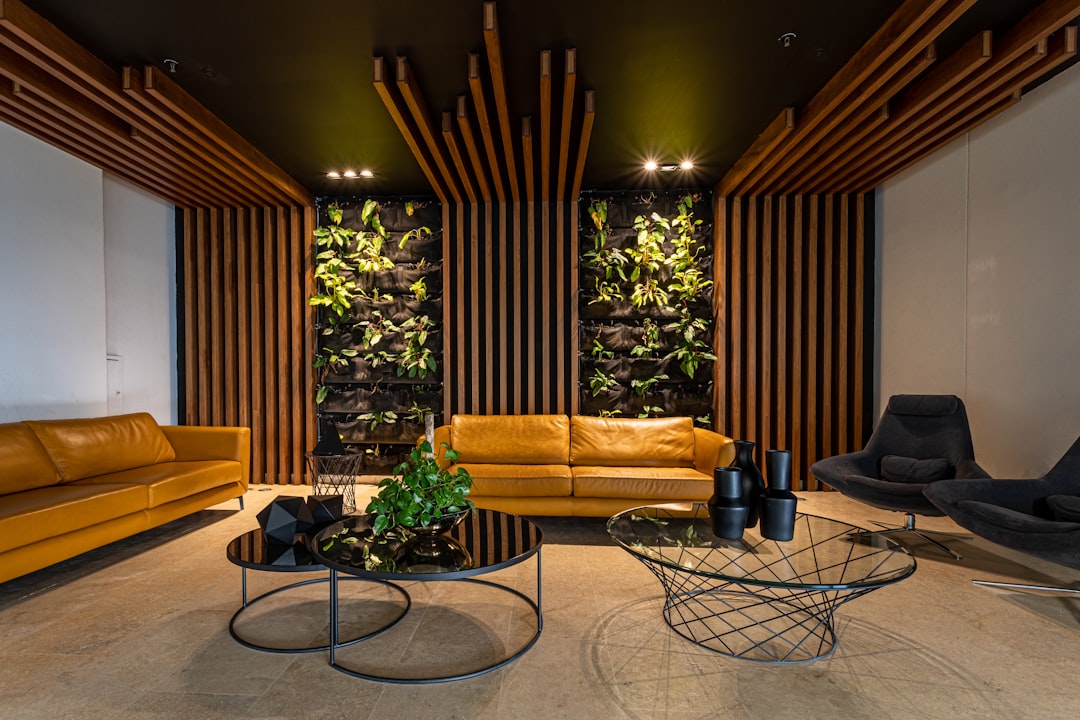
Indoor plants add life and colour to HDB living rooms without requiring permanent changes. They soften hard surfaces and improve perceived air quality. Choose low-maintenance species suited to indoor conditions.
Common HDB Living Room Design Mistakes
- Too much furniture: Over-furnishing is the most common mistake. Leave sufficient circulation space for comfortable movement.
- Ignoring the entrance view: Consider what you see when you first enter the flat. The living room should feel welcoming from the main door.
- Matching everything: A room where every piece matches perfectly can feel flat and showroom-like. Mix textures, materials and eras for a more lived-in, interesting space.
- Neglecting storage: Clutter is the enemy of good design. Plan adequate storage to keep surfaces clear and the room tidy.
- Poor TV placement: Position the TV away from direct sunlight to avoid glare. The viewing distance should be comfortable from your primary seating position.
An HDB living room can be both space-efficient and stylish. The key is making thoughtful choices about materials, layout and furnishings that work with the space you have, not against it.
Visit the Goodrich Gallery to explore flooring, wallcoverings and fabrics for your HDB living room renovation. Find our showroom here.