Interior Design
Japanese Interior Design for Singapore: Zen Simplicity
The Appeal of Japanese Design in Singapore
Japanese interior design has found a natural home in Singapore. The shared emphasis on compact living, respect for materials and appreciation for calm, uncluttered spaces makes Japanese design principles remarkably well-suited to local homes.
Whether you are drawn to the warm minimalism of traditional Japanese interiors, the contemporary fusion of Japandi (Japanese-Scandinavian) style, or simply want to incorporate select Japanese elements into your existing design, the philosophy translates well to HDB flats, condos and landed properties alike.
At its core, Japanese interior design is about creating spaces that feel calm, purposeful and connected to nature. Every element earns its place. Materials are celebrated for their natural qualities. And empty space is treated with the same respect as furnished space.
Key Principles of Japanese Interior Design
Wabi-Sabi: Beauty in Imperfection
Wabi-sabi is the Japanese aesthetic that finds beauty in imperfection, impermanence and incompleteness. In interior design, this translates to valuing natural materials that age gracefully: timber with visible grain, handmade ceramics with slight irregularities, linen that softens with use. It is the opposite of the pristine, showroom-perfect aesthetic.
Ma: The Value of Empty Space
Ma refers to the purposeful use of negative space. In a Japanese-inspired interior, gaps between furniture, empty sections of wall and unadorned surfaces are intentional. They allow the eye to rest and give the room a sense of breathing room that is especially valuable in compact Singapore homes.
Nature Connection
Japanese design maintains a strong connection to the natural world. This shows up in natural materials (wood, stone, bamboo), muted earth tones, indoor plants and views framed as part of the interior composition. In Singapore, where greenery is abundant year-round, this principle is easy to embrace. The tropical climate also means natural light is plentiful, allowing Japanese-inspired interiors to feel bright and airy without relying on artificial lighting during the day.
Functionality Without Fuss
Every object in a Japanese-inspired home serves a purpose. Decorative elements are kept to a minimum. Storage is concealed behind clean surfaces. Furniture is simple in form but well-crafted in execution.
Materials for Japanese-Inspired Interiors
Flooring
Timber flooring is the foundation of Japanese interior design. Light to medium-toned wood in oak, ash or maple creates a warm, natural base. In Singapore, where solid timber can be affected by humidity, luxury vinyl tiles in natural wood effects offer the same aesthetic with superior moisture resistance and dimensional stability.
For an authentic touch, consider wide planks with a matte or brushed finish that emphasises the wood grain. Avoid glossy or heavily lacquered finishes that feel too polished for the wabi-sabi aesthetic.
Walls
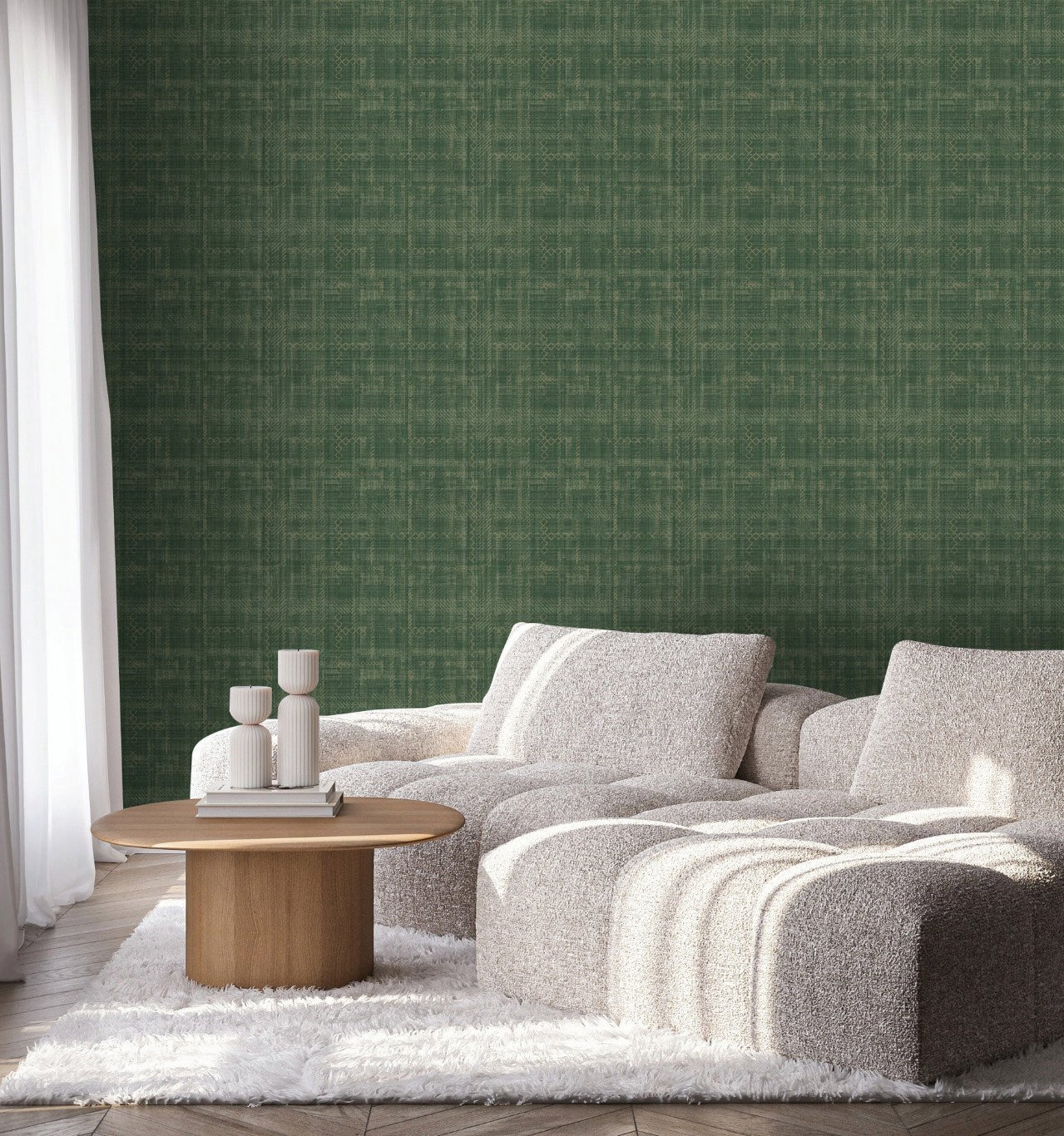
Japanese interiors favour natural, understated wall treatments. Smooth plaster walls in off-white, warm grey or soft beige are the most common backdrop. For feature walls, consider wallpaper with a fine grasscloth or linen texture that adds subtle depth without pattern.
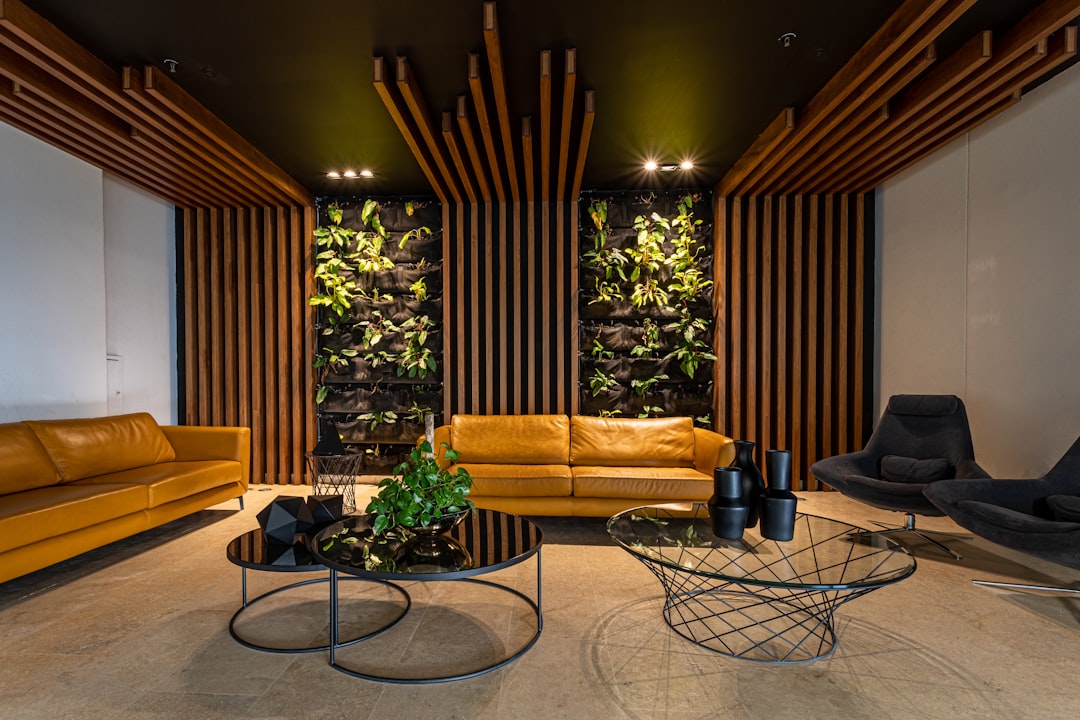
Timber battens or slatted screens applied to walls create a distinctly Japanese architectural element. They filter light, add texture and can serve as room dividers in open-plan layouts.
Fabrics
Natural fabrics dominate Japanese interiors: linen, cotton, raw silk and wool. Curtains should be simple, preferably sheer or lightly textured, in neutral tones. Heavy, ornate window treatments have no place in this aesthetic.
| Material | Japanese Design Application | Singapore-Friendly Alternative |
|---|---|---|
| Solid timber | Flooring, furniture, screens | LVT with wood effect, engineered timber |
| Tatami | Floor covering | Tatami-style rugs or platform areas |
| Shoji paper | Sliding screens, room dividers | Translucent panels, frosted glass |
| Natural stone | Bathroom, garden features | Stone-effect tiles or sintered stone |
| Bamboo | Accents, screens, flooring | Bamboo readily available in Singapore |
Japanese Design in Singapore Home Types
HDB Flats
Japanese design principles are ideally suited to HDB flats. The emphasis on simplicity, efficient use of space and concealed storage directly addresses the challenges of compact HDB living. A three-room or four-room HDB flat designed with Japanese principles feels noticeably more spacious and serene.
Key strategies for HDB flats include built-in storage with handle-less fronts, a consistent light timber floor throughout, minimal furniture in clean forms and a restrained colour palette of whites, warm greys and natural timber tones.
Condominiums
Condo units with floor-to-ceiling windows are natural matches for Japanese design. The abundant natural light, combined with views of greenery common in Singapore condos, provides the connection to nature that Japanese interiors seek. Keep window treatments minimal to maximise this connection.
Landed Properties
Landed homes offer the most scope for Japanese-inspired design. Indoor-outdoor connections through courtyards, timber decking, water features and carefully framed garden views bring the full depth of Japanese design philosophy to life. Consider an engawa-inspired veranda or a Japanese-style bathroom with a deep soaking tub.
The double-height spaces found in some landed homes offer opportunities for dramatic vertical elements. A tall timber screen, a feature wall of natural stone or a vertical garden can serve as a focal point that draws the eye upward. These architectural gestures work best when kept simple, allowing a single material or element to make the statement.
Japandi: The Japanese-Scandinavian Fusion
Japandi has emerged as one of the most popular interior design styles in Singapore. It combines Japanese minimalism and material sensitivity with Scandinavian functionality and hygge (cosiness).
What Makes Japandi Distinct
- Colour palette: Warmer than pure Japanese minimalism, incorporating soft pastels alongside earth tones.
- Furniture: Clean Scandinavian lines in natural timber with Japanese-inspired simplicity.
- Textiles: More prominent than in traditional Japanese interiors. Wool throws, linen cushions and woven rugs add warmth and texture.
- Craft emphasis: Both cultures value handmade objects. Japandi interiors feature artisanal ceramics, woven baskets and hand-turned timber pieces.
Japandi in Practice
A typical Japandi living room might feature a low, timber-framed sofa with linen upholstery, a round oak coffee table, a single large artwork in a simple frame, a linen curtain in a natural tone and one or two carefully chosen plants. The room feels complete with few objects because each one is considered.
Practical Tips for Achieving Japanese Design in Singapore
- Start with decluttering: Japanese design cannot exist in a cluttered environment. Before any renovation work, reduce your possessions to what you genuinely use and value.
- Invest in storage: Concealed storage is non-negotiable. Everything that is not beautiful or in active use should have a home behind a closed door.
- Choose quality over quantity: One excellent piece of furniture has more impact than three mediocre ones. This principle applies to every element in the room.
- Embrace natural light: Maximise daylight by keeping window treatments light and furniture low so it does not block windows.
- Add greenery: Indoor plants are essential in Japanese-inspired interiors. Choose species with architectural forms such as bonsai, snake plants or Japanese maples.
- Layer lighting: Use warm, diffused lighting. Paper lantern-style pendants, indirect cove lighting and low table lamps create the soft, layered glow that characterises Japanese interiors.
Japanese interior design offers Singapore homeowners a path to calmer, more intentional living spaces. It works with the realities of compact urban housing rather than against them, making it one of the most practical and beautiful design philosophies for local homes.
Visit the Goodrich Gallery to explore natural-toned flooring, wallcoverings and fabrics for your Japanese-inspired home. Find our showroom here.