Interior Design
Minimalist Interior Design for Singapore Homes
What Minimalist Design Actually Means
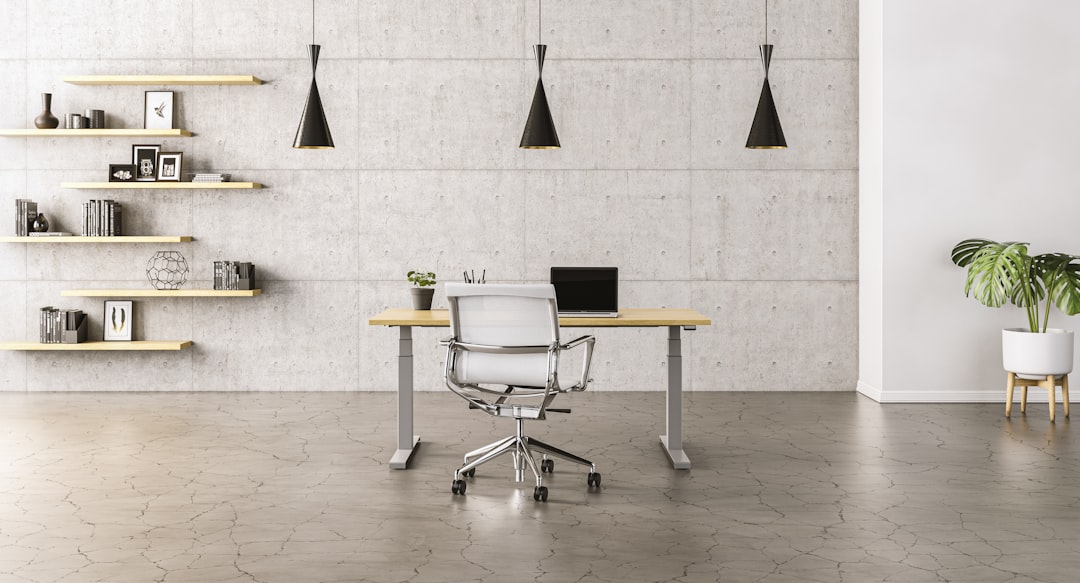
Minimalist interior design is often misunderstood as empty rooms with white walls and no personality. In reality, minimalism is about intentionality. Every element in the room serves a purpose, whether functional or aesthetic. Nothing is there by default or out of habit.
In Singapore, where living spaces are compact by global standards, minimalist design is not just a style preference but a practical approach. An HDB flat that embraces minimalist principles feels more spacious, calmer and easier to maintain than one filled with unnecessary objects and finishes.
This guide covers how to apply minimalist design principles to Singapore homes in a way that feels warm, liveable and distinctly personal rather than cold or clinical.
Core Principles of Minimalist Design
Before choosing materials and furniture, understand the principles that underpin minimalist interiors.
Fewer, Better Things
Minimalism favours quality over quantity. One well-made sofa is better than a living room crammed with seating. A single statement light fixture outperforms a ceiling of recessed downlights. This principle extends to every element in the room, from furniture to accessories. The money saved by buying fewer items can be redirected toward higher-quality pieces that look better, last longer and bring more satisfaction.
Clean Lines and Simple Forms
Minimalist furniture and architecture favour straight lines, gentle curves and simple geometric forms. Ornate mouldings, decorative carvings and fussy details are replaced by smooth surfaces and honest material expression.
Negative Space
Empty space is not wasted space in minimalist design. The areas around and between objects are as important as the objects themselves. Negative space gives the eye a place to rest and makes the room feel calm and uncluttered.
Material Honesty
Minimalist interiors celebrate the natural qualities of materials. Wood grain, stone texture, fabric weave and metal finish are featured rather than hidden. This means choosing high-quality materials that look good in their natural state.
Materials and Finishes for Minimalist Homes
Flooring
Flooring sets the foundation for a minimalist interior. Choose a single flooring material throughout the common areas to create visual continuity and a sense of spaciousness. Luxury vinyl tiles in light oak, pale ash or natural stone effects are excellent choices. Wide planks with minimal joint lines reinforce the clean, uninterrupted aesthetic.
Avoid mixing too many flooring materials. A consistent floor surface running from the entrance through the living room, dining area and bedrooms creates a seamless flow that makes the home feel larger.
Walls
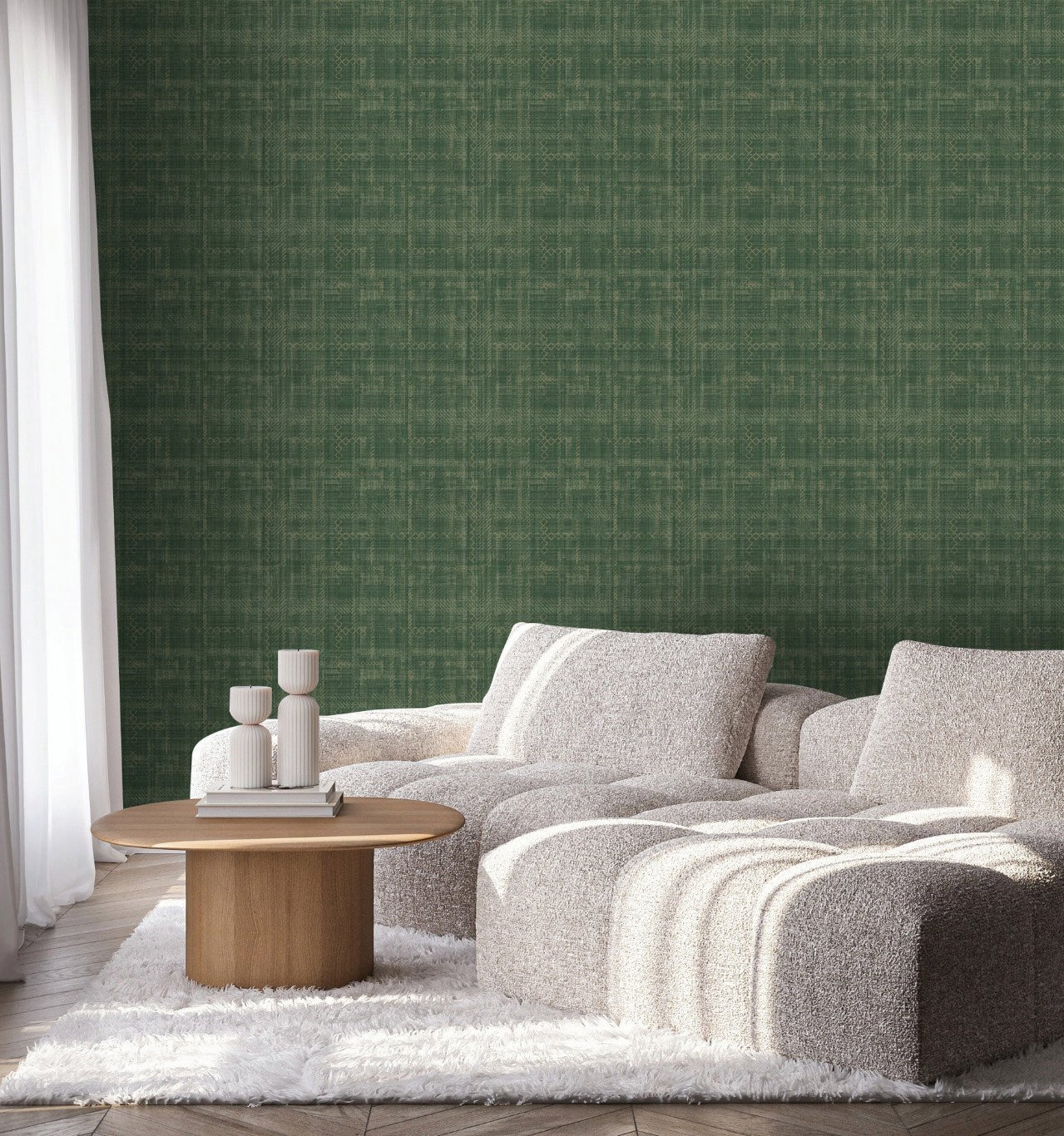
White or off-white walls are the minimalist default, but they are not the only option. Soft warm greys, muted beiges and gentle earth tones create a minimalist palette with more warmth than pure white. If you use a feature wall, keep it restrained. A single wall in a textured wallcovering or a painted accent colour adds interest without disrupting the calm atmosphere.
Curtains and Window Treatments
Minimalist window treatments are simple and functional. S-fold curtains in a plain, neutral drapery fabric create clean lines. Sheer curtains in white or ivory filter light beautifully. Avoid heavy pelmets, swags or layered treatments that add visual complexity.
Ceiling-mounted curtain tracks concealed within a pelmet or false ceiling create the cleanest installation. The curtain appears to emerge from the ceiling itself, with no visible hardware to interrupt the minimal aesthetic. This approach works in both HDB flats and condominiums.
Colour Palette
A minimalist colour palette is typically limited to three to five colours. Start with a neutral base (white, grey, beige) and add one or two accent colours drawn from natural materials. Black or dark charcoal accents in hardware, furniture frames and light fixtures provide contrast and definition.
| Element | Minimalist Approach | Common Mistake |
|---|---|---|
| Flooring | One material throughout | Different flooring in every room |
| Walls | Neutral tones, 1 accent wall max | Multiple accent walls, busy patterns |
| Furniture | Few pieces, high quality | Too many pieces, mismatched styles |
| Accessories | Curated, meaningful objects | Cluttered shelves, random decor |
| Lighting | Clean fixtures, layered light | Ornate chandeliers, too many types |
Minimalist Design for Different Singapore Home Types
HDB Flats
HDB flats are natural candidates for minimalist design because the compact floor plans benefit enormously from a less-is-more approach. Focus on built-in storage that hides clutter behind clean cabinet fronts. Use consistent flooring and wall colours throughout to create a unified, spacious feel.
In open-concept HDB layouts where the kitchen, dining and living areas share one space, minimalist design prevents the combined area from feeling chaotic. Maintain a consistent visual language across all zones.
Condominiums
Condo units often feature floor-to-ceiling windows that flood the interior with natural light, a gift for minimalist design. Let the natural light and the view do the work. Keep window treatments simple and furniture low-profile so the eye travels to the window.
Landed Properties
Minimalism in larger landed homes requires discipline. The temptation to fill space with more furniture and accessories grows with the square footage. Instead, allow rooms to breathe. Statement pieces such as a sculptural staircase, a single large artwork or a beautifully crafted dining table become focal points in an uncluttered space.
Storage: The Foundation of Minimalist Living
You cannot achieve a minimalist interior without adequate storage. The clean, uncluttered surfaces that define minimalism depend on having somewhere to put everything that is not on display.
- Floor-to-ceiling built-in cabinets: Maximise vertical storage. Handle-less doors with push-to-open mechanisms maintain clean lines.
- Hidden storage: Platform beds with under-bed storage, window seats with lift-up seats and TV consoles with enclosed compartments keep belongings out of sight.
- Entryway storage: A well-planned shoe cabinet and coat storage at the entrance prevents clutter from migrating into the living areas.
- Decluttering first: Before designing storage, reduce what you own. No amount of cabinetry can compensate for keeping things you do not use or need.
Avoiding the Cold, Sterile Trap
The biggest risk with minimalist design is creating a space that feels cold and uninviting. Here is how to maintain warmth and personality.
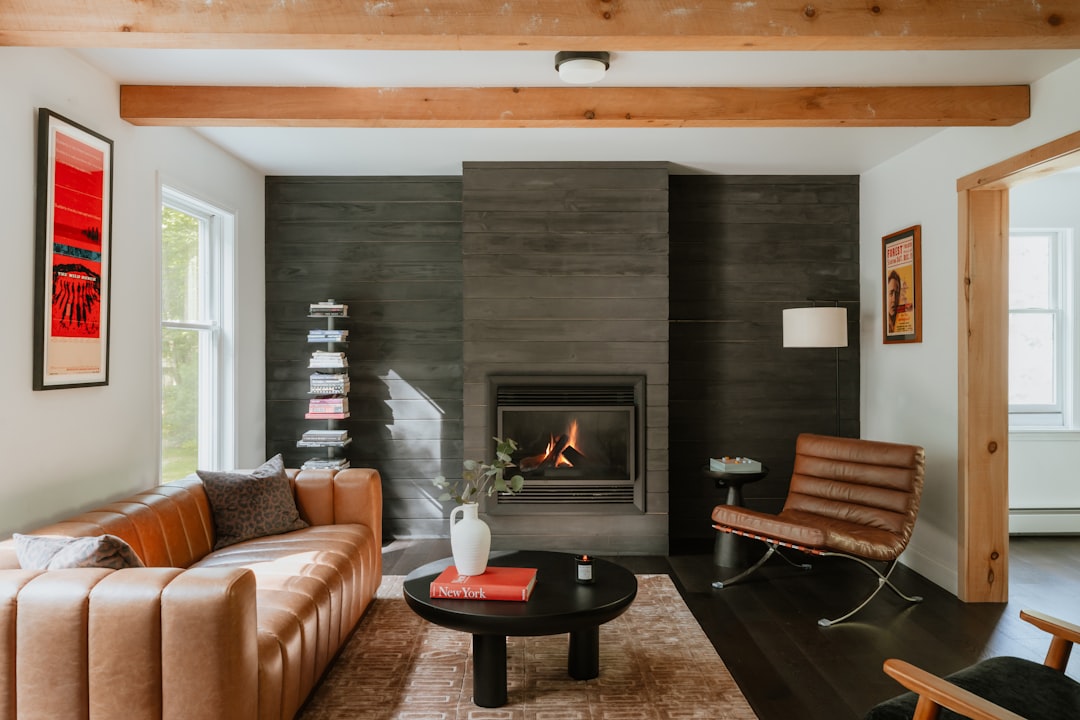
Add warmth through texture. A room does not need colour to feel warm. Timber floors, linen curtains, a wool rug and a textured upholstery fabric on the sofa create tactile richness that makes a minimalist room feel comfortable and inviting.
Include personal objects. Minimalism does not mean impersonal. A curated selection of books, a single piece of meaningful artwork or a handmade ceramic vase adds character without clutter.
Use warm lighting. Avoid cool-white lighting that gives minimalist spaces a clinical feel. Warm-white LED lights in the 2700K to 3000K range create a cosy atmosphere, especially in the evening.
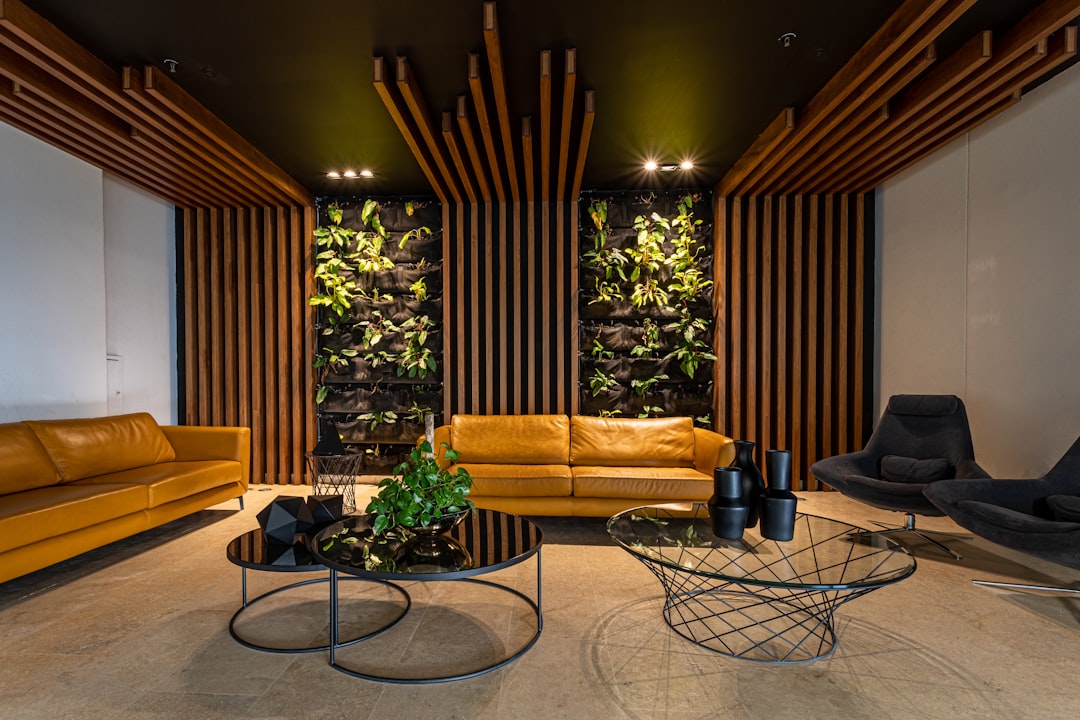
Incorporate greenery. A few well-chosen indoor plants bring life and organic form to minimalist interiors. Choose architectural species like fiddle-leaf figs or snake plants that complement clean lines.
Minimalist interior design is not about deprivation. It is about clarity, quality and creating space for what matters. In Singapore’s compact homes, this approach is both aesthetically rewarding and practically beneficial.
Book an appointment with our design consultants to select materials for your minimalist home. Schedule your visit here.