Interior Design
Bedroom Wall Design Ideas for Singapore Homes
Why Bedroom Walls Deserve More Attention
The bedroom is the most personal space in any Singapore home, yet its walls are often an afterthought — finished in a single coat of white paint and left bare. Well-designed bedroom walls anchor the room’s aesthetic, create focal points and influence the overall mood, from calming and restful to warm and cocooning.
This guide covers practical bedroom wall design ideas that work within the spatial constraints of HDB flats, condominiums and landed homes in Singapore.
Feature Wall Behind the Bed
The wall behind the headboard is the most natural candidate for a feature treatment. It is the first surface you see when entering the room and serves as the visual anchor for the bed.
Wallpaper
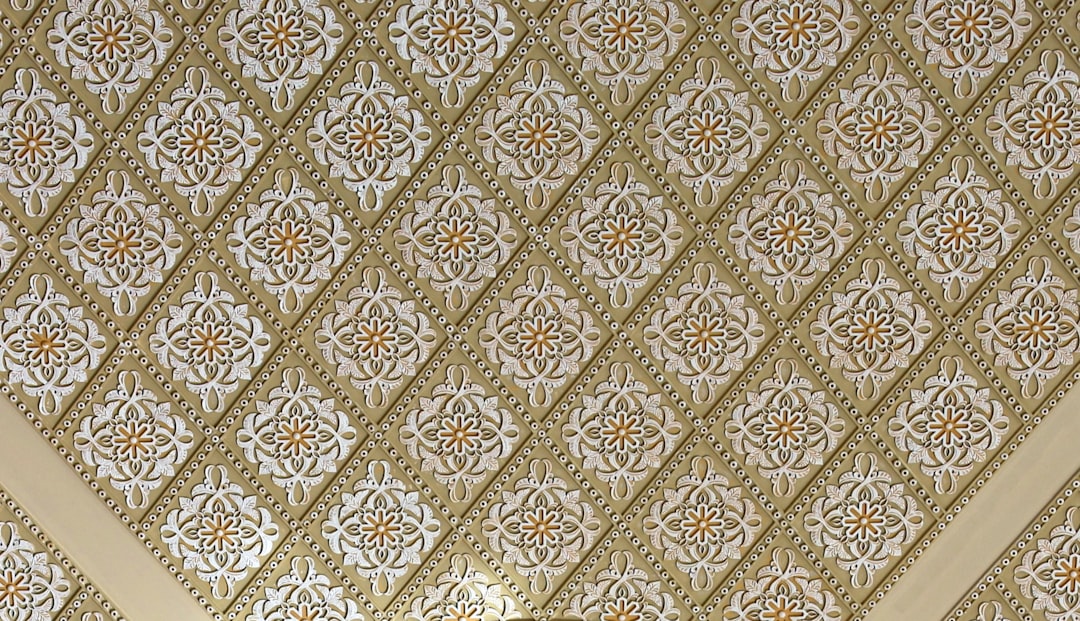
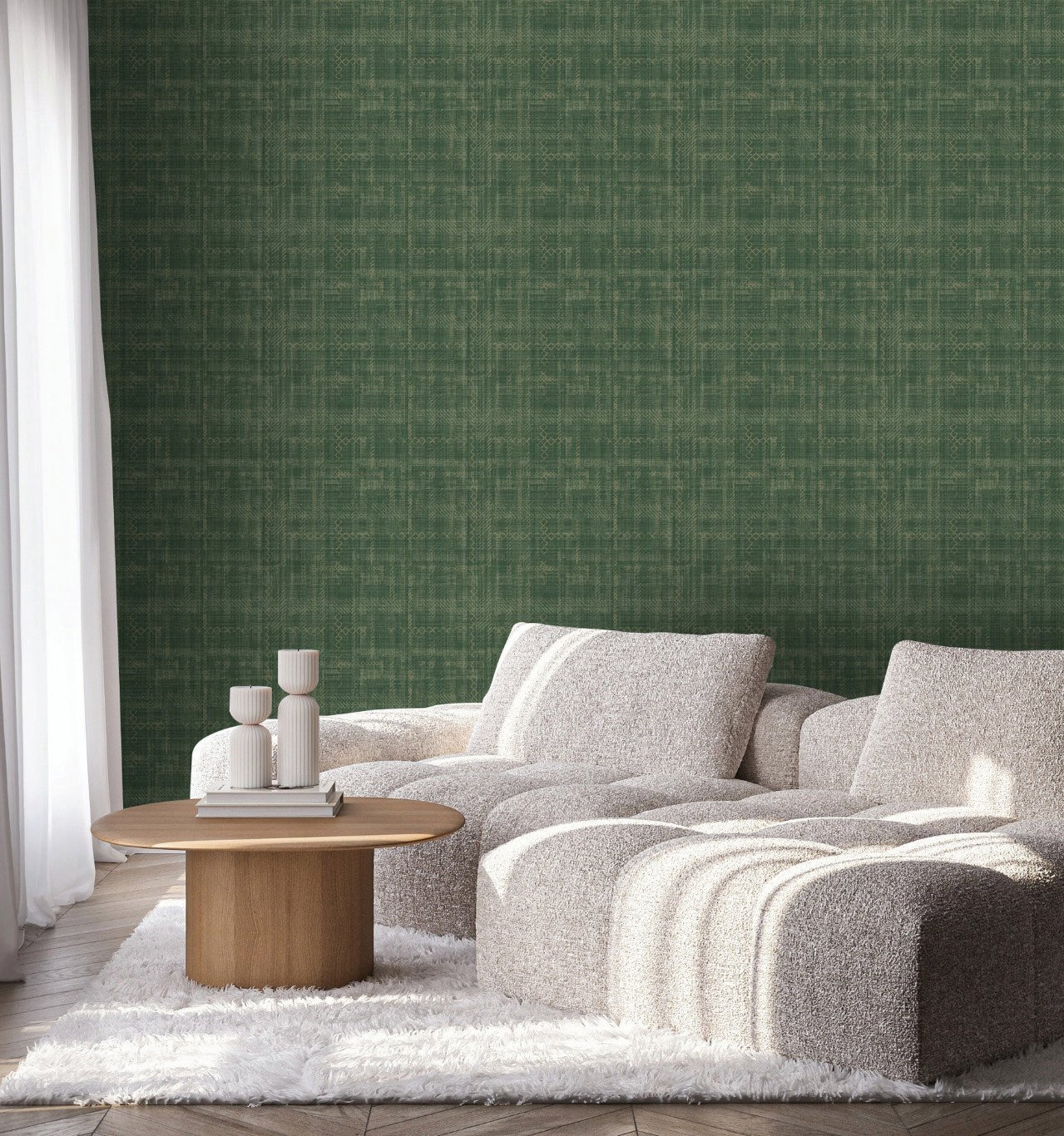
Wallpaper offers the widest range of patterns, textures and colours of any wall finish. A single accent wall in a textured grasscloth, geometric print or botanical pattern can transform a plain bedroom without overwhelming the space. The residential wallcovering range at Goodrich includes options from subtle linen textures to bold contemporary designs.
For Singapore bedrooms, vinyl-backed wallcoverings are the practical choice. They resist humidity, are wipeable and hold up better than pure paper in our tropical climate.
Wood Panelling
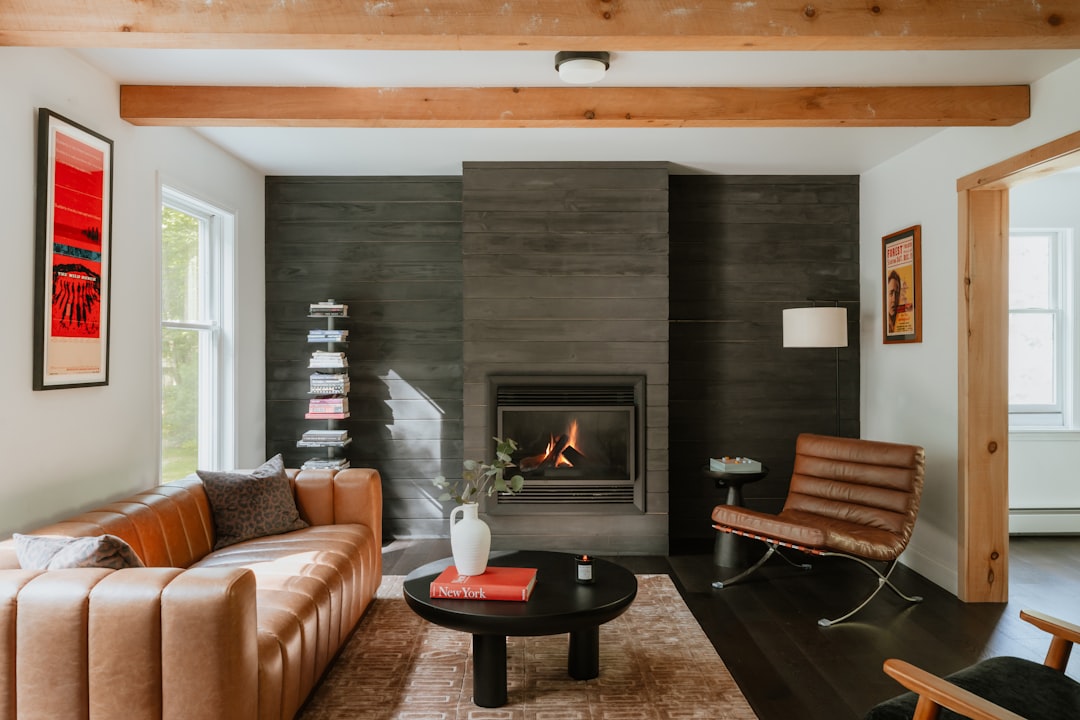
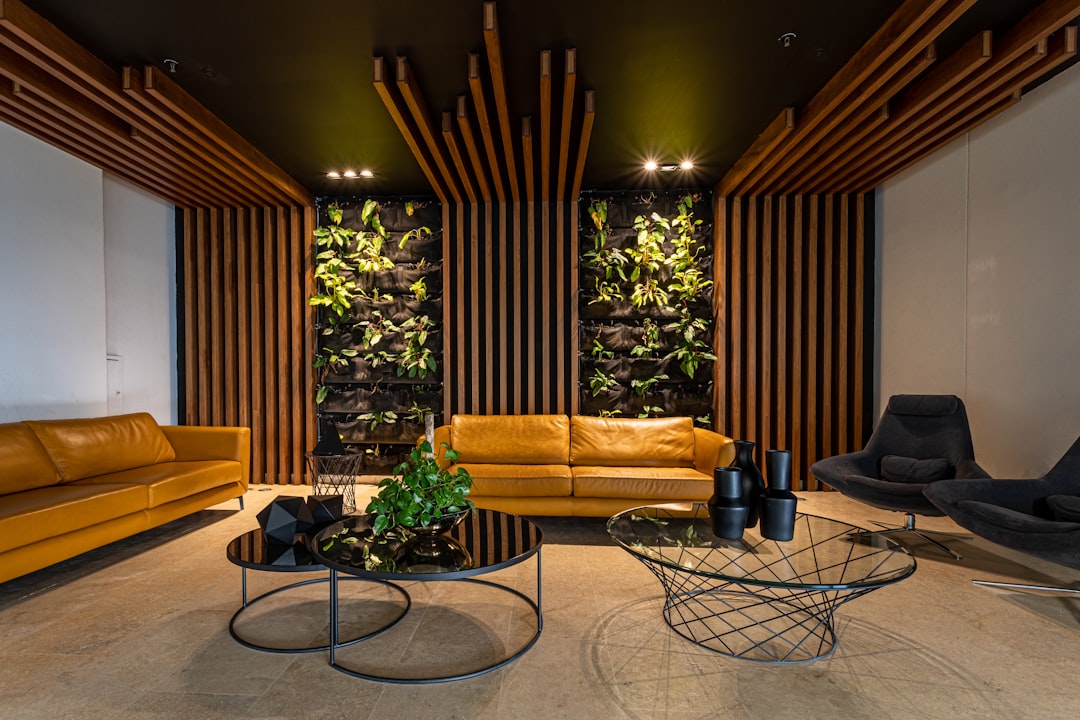
Timber-look panels — whether solid wood, veneer or laminate — add warmth and a natural tactile quality. Vertical slat panels (sometimes called fluted or reeded panels) are particularly popular for their ability to create visual height and subtle shadow play.
Slatted panels work well as a full-height headboard wall in HDB master bedrooms and condo bedrooms alike. They can be stained in natural oak, walnut or painted in muted tones to match the room’s palette.
Paint Techniques
A simple two-tone paint approach — painting the headboard wall in a deeper shade than the remaining three walls — creates a feature effect with minimal cost. Colours like dusty sage, slate blue, warm taupe and deep charcoal are popular choices for Singapore bedrooms.
For a more textured look, limewash paint or microcement finish adds depth and a handcrafted feel that flat paint cannot achieve.
Full-Room Wall Design Approaches
Tonal Layering
Instead of a single feature wall, use varying shades of the same colour across all four walls. For instance, the headboard wall in a deep olive green, the side walls in a lighter sage and the ceiling in a very pale mint. This creates a cocooning effect that suits bedrooms well.
Wainscoting and Dado Rails
Half-wall panelling (wainscoting) divides the wall into two zones: a panel section below and a painted or wallpapered section above. This classic technique adds architectural interest to otherwise flat HDB walls and works in both modern and traditional bedroom styles.
Fabric Wall Panels
Upholstered wall panels — covered in linen, velvet or performance upholstery fabric — create a soft, padded headboard wall that doubles as acoustic insulation. This is especially beneficial in condominiums where sound transfer between units can be an issue.
Design Ideas by Room Type
HDB Master Bedroom
HDB master bedrooms are typically 12 to 15 square metres. In this compact footprint, avoid overly busy patterns on large wall areas — they can make the room feel smaller. Instead, use a single feature wall with a subtle texture (grasscloth, linen-effect wallpaper or fine vertical slats) and keep the remaining walls in a light neutral tone.
HDB Common Bedroom
Common bedrooms are smaller still, often 8 to 10 square metres. A half-wall treatment — wainscoting in the lower half, a soft colour above — adds interest without overwhelming the space. Alternatively, a single strip of wallpaper behind the bed, framed by slim moulding, creates a defined feature within a contained area.
Condo Bedroom
Condo bedrooms generally offer more wall space and higher ceilings, allowing bolder design moves. Full-height wallpaper, floor-to-ceiling wood panels or a combination of materials (stone-effect lower half, wallpaper upper half) all work effectively.
Landed Home Bedroom
Landed properties offer the most flexibility, with larger rooms and often fewer structural constraints. Consider extending the feature wall treatment to wrap around the corner, encompassing both the headboard wall and one side wall for a more immersive effect.
Colour Psychology for Bedroom Walls
Colour choice significantly affects how restful a bedroom feels. Here are some evidence-based guidelines:
- Cool blues and greens — Associated with calm and relaxation. Ideal for master bedrooms where restful sleep is the priority.
- Warm neutrals (beige, taupe, warm grey) — Versatile and soothing without feeling clinical. They pair well with natural timber and linen textures.
- Deep, saturated tones (navy, forest green, charcoal) — Create a cocooning, intimate atmosphere. Best used on one or two walls to avoid a cave-like effect in smaller rooms.
- Pastels (blush pink, lavender, soft peach) — Gentle and calming. Often used in children’s bedrooms or guest rooms.
Material Comparison for Bedroom Walls
| Material | Visual Impact | Durability | Maintenance | Cost Level |
|---|---|---|---|---|
| Wallpaper / wallcovering | High — wide pattern and texture range | Good — vinyl types last 10+ years | Low — wipeable | $$ – $$$ |
| Paint (single colour) | Moderate | Good — repainting needed every 5–7 years | Low | $ |
| Wood / laminate panels | High — natural warmth and texture | Good | Low — dust occasionally | $$ – $$$ |
| Upholstered fabric panels | High — soft, luxurious feel | Moderate — fabric may stain or wear | Moderate — requires cleaning | $$$ |
| Limewash / textured paint | High — handcrafted, organic feel | Good | Low | $$ |
Practical Tips for Singapore Bedrooms
- Humidity matters. Singapore’s average relative humidity exceeds 80 per cent. Choose moisture-resistant materials like vinyl wallcoverings over pure paper wallpaper.
- Coordinate with flooring. The wall finish should complement, not compete with, the floor. If you have warm-toned timber or vinyl flooring, a cool-toned wall creates pleasant contrast. If the floor is a neutral grey SPC plank, warmer wall tones add balance.
- Lighting interaction. Textured walls look best when side-lit. Position bedside wall lights or recessed downlights to graze the wall surface and reveal texture.
- Air-conditioning vents. In HDB and condo bedrooms, the aircon blower is usually mounted on the wall opposite the bed. Avoid placing delicate wallpaper directly in the airflow path, as the condensation from the unit can cause peeling over time.
Window Treatments and Wall Design Interaction
Curtains and blinds occupy a significant visual area of any bedroom wall. Their colour, texture and weight should complement the wall design rather than compete with it.
If the headboard wall features a bold pattern — a geometric wallpaper or a textured wood panel — keep the window treatment simple. Solid-colour drapery in a neutral tone lets the feature wall take centre stage.
Conversely, if the walls are plain and painted, richly textured curtains in linen, velvet or a woven fabric can serve as the room’s primary design accent. Floor-length curtains that puddle slightly on the floor create a luxurious, relaxed feel suited to bedrooms.
In HDB bedrooms where the window wall is directly adjacent to the headboard wall, the transition between the two surfaces matters. A curtain pelmet or ceiling-mounted track that conceals the hardware creates a cleaner junction between the feature wall and the window treatment.
Get Started on Your Bedroom Wall Design
The right wall treatment can redefine a bedroom’s character. Whether you are drawn to the warmth of wood panelling, the pattern range of wallcoverings or the simplicity of a well-chosen paint colour, seeing samples in your actual room — under your own lighting — is the surest way to make a confident choice.
Request free samples from our Singapore showroom to explore textures, colours and patterns for your bedroom walls.