Interior Design
Dining Room Wall Design Ideas for Singapore Homes
The Dining Room Wall as Design Anchor
In many Singapore homes, the dining area sits between the living room and the kitchen — a transitional zone that often lacks its own design identity. The dining table and chairs are chosen with care, but the surrounding walls are left in the same white paint as the rest of the flat.
A well-designed dining room wall changes this dynamic. It defines the dining zone as a distinct space, creates a backdrop for meals and gatherings, and ties the area into the broader interior scheme.
Dining Room Layouts in Singapore Homes
The wall treatment you choose depends partly on how the dining area is configured.
| Layout | Common In | Feature Wall Opportunity |
|---|---|---|
| Combined living-dining | HDB 3/4-room, smaller condos | The wall behind the dining table, separating dining from living |
| Dining next to kitchen | HDB 4/5-room, open-concept layouts | The wall between the dining area and the kitchen or corridor |
| Separate dining room | Landed homes, larger condos | Any wall — typically the longest unbroken surface |
In open-plan HDB flats, the dining wall is often the only solid wall in the combined living-dining space, making it the natural candidate for a feature treatment.
Wallpaper and Wallcovering Ideas
Wallpaper is one of the most effective tools for defining a dining zone. A single wallpapered wall immediately signals that this area is distinct from the adjacent living room.
Subtle Textures
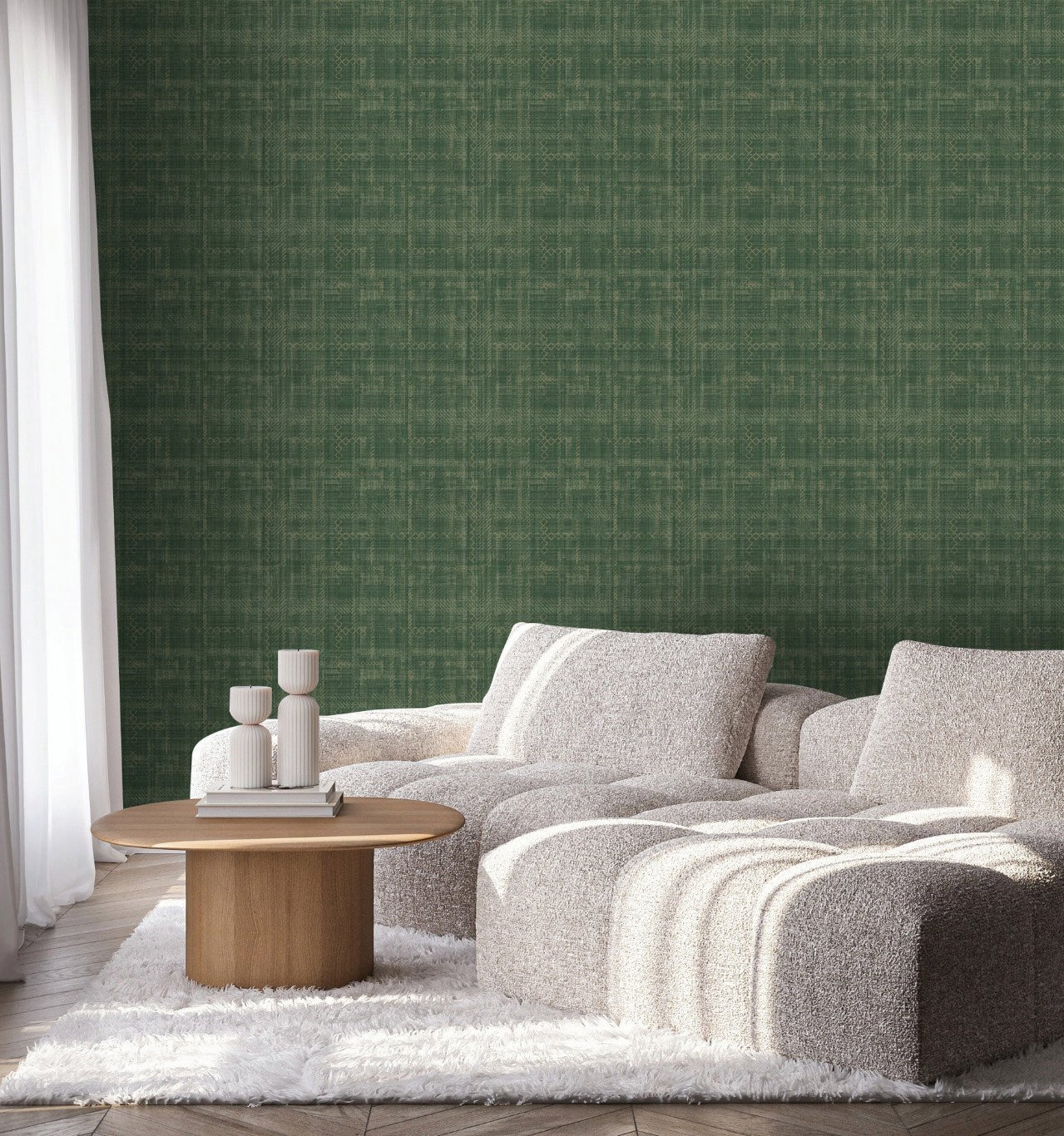
Grasscloth, linen-effect and woven wallcoverings create a warm, tactile backdrop that elevates the dining area without competing with the table setting or artwork. These finishes pair well with timber furniture and natural materials.
Bold Patterns
The dining area is seen during meals — a time when attention is focused inward on the table, not scanning the walls. This makes it a good location for a bolder pattern — a large-scale botanical, an abstract motif or a dramatic geometric — that would feel overwhelming in a bedroom or living room.
Mural Wallpapers
A scenic mural on the dining wall creates an immersive backdrop for meals. Landscape scenes, abstract washes and oversized florals all work well. Choose a mural with colours that complement your tableware and furniture. Browse the residential wallcovering range at Goodrich for pattern and mural options.
Wood Panelling Ideas
Vertical Slat Panels
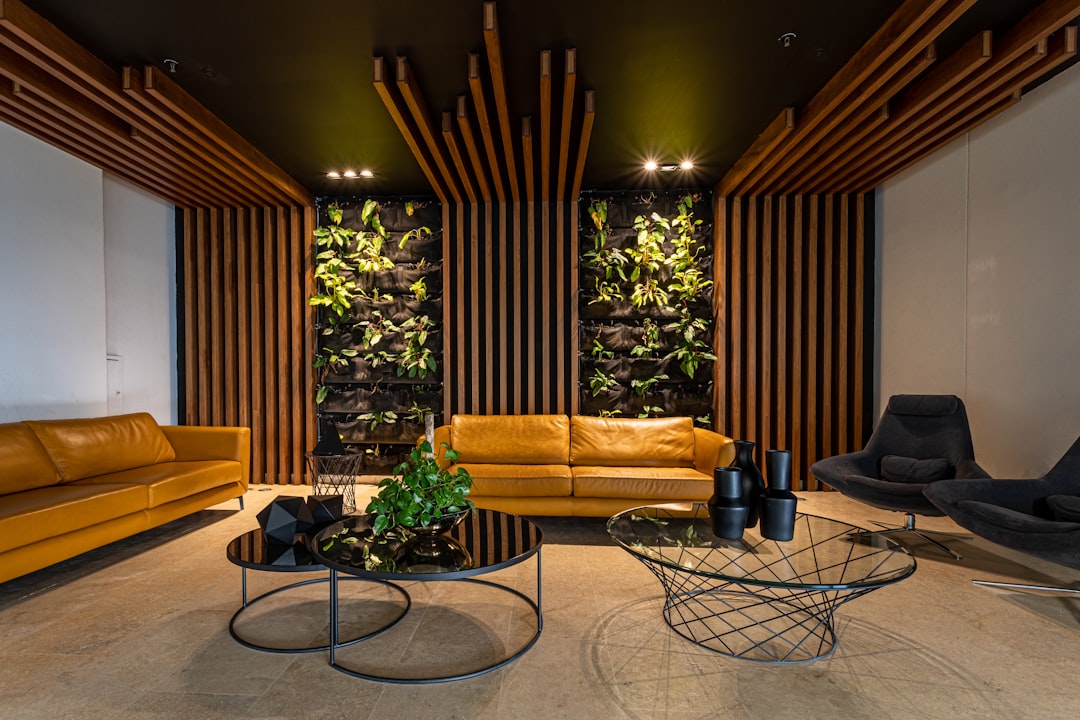
Fluted or reeded panels behind the dining table add warmth and create a defined backdrop. They work well in both modern and transitional interiors. Choose a finish that echoes the dining table material — oak slats with an oak table, walnut panels with a walnut table — for a coordinated look.
Wainscoting
Half-wall panelling (wainscoting) at a height of 900 mm to 1,000 mm adds architectural detail and protects the lower wall from chair scuffs. Paint the wainscoting in the same tone as the dining table legs or in a contrasting shade for visual interest. The upper wall above the panelling can be painted, wallpapered or left in a complementary tone.
Full-Height Timber Feature
A floor-to-ceiling timber veneer or laminate panel creates a warm, enveloping backdrop. In landed dining rooms with higher ceilings, this treatment adds scale and drama.
Paint Techniques
Accent Colour
Painting the dining wall in a deeper or richer tone than the surrounding walls defines the space instantly. Popular choices for dining areas include warm terracotta, olive green, deep blue and burgundy — colours associated with warmth, appetite and conviviality.
Limewash
Limewash paint creates a chalky, organic texture with natural colour variation. Its matte, handcrafted appearance suits dining areas styled with linen tablecloths, stoneware and timber furnishings.
Two-Tone Treatment
A horizontal colour split — darker below, lighter above — at chair-rail height adds structure to the wall and creates the effect of wainscoting without actual panels. Use painter’s tape for a crisp division line.
Mirror and Display Walls
Full-Wall Mirror
A large mirror or a series of panels on the dining wall reflects light, visually doubles the space and creates a sense of occasion. This technique is especially effective in compact HDB dining areas where the wall is narrow and the space feels confined.
Display Shelving
Open shelving or a built-in display cabinet against the dining wall showcases crockery, glassware and decorative objects. Set against a wallpapered or painted backdrop, the shelving becomes an integrated design feature rather than a standalone piece of furniture.
Flooring and Wall Coordination
The dining wall does not exist in isolation — it connects visually with the floor, ceiling and adjacent spaces.
- Warm floor, cool wall: If the dining floor is warm-toned timber or woodgrain vinyl, a cooler wall tone (sage, slate blue, warm grey) provides balanced contrast.
- Neutral floor, bold wall: A grey or beige tile floor gives you freedom to introduce a stronger colour or pattern on the dining wall.
- Continuous flooring: In open-plan HDB layouts where the living and dining share the same floor, the wall treatment becomes the primary way to differentiate the two zones.
Lighting and Wall Interaction
The right lighting enhances the dining wall and the overall ambience of the dining area.
- Pendant lights above the table — Cast a pool of warm light on the table surface and create a defined dining atmosphere.
- Wall washers or recessed downlights — Graze the feature wall to highlight texture, whether it is wallpaper, wood panelling or a paint finish.
- Dimmer switches — Allow you to adjust the mood from bright family meals to softer evening dining.
- Picture lights — Small fixtures above artwork or display shelves create focal points on the dining wall.
Common Mistakes to Avoid
- Feature wall that clashes with the kitchen. In open-plan layouts, the dining wall is visible from the kitchen. Ensure the colours and materials complement rather than conflict.
- Ignoring chair marks. Dining chairs are pushed back and forth daily. Choose a scuff-resistant finish for the lower wall, or install wainscoting to protect it.
- Overloading the wall. A feature wallpaper, a mirror, artwork and display shelves on the same wall create visual clutter. Choose one primary element and let it breathe.
- Forgetting scale. In a small dining area, an oversized pattern can feel oppressive. In a large room, a tiny pattern may disappear. Match the scale of the design to the size of the wall.
Acoustic Considerations
Dining areas in open-plan HDB and condo homes can be acoustically challenging. Hard surfaces — tiled floors, painted walls, glass partitions — reflect sound, making conversations louder and less comfortable during gatherings.
Wall treatments that absorb or dampen sound improve the dining experience significantly. Fabric-backed wallcoverings, upholstered wall panels and thick curtains on adjacent windows all contribute to better acoustics. Even a textured wallcovering absorbs marginally more sound than flat paint, making the dining zone feel calmer during busy meals.
For larger dining rooms in landed homes, consider adding a carpet or rug beneath the dining table. It reduces chair-scraping noise, softens footfall and adds a layer of warmth to the room’s overall ambience.
Design Your Dining Room Wall
A well-treated dining wall transforms the eating area from a functional afterthought into a designed space that enhances every meal. Whether you prefer the warmth of wood, the pattern range of wallcovering or the simplicity of a well-chosen paint colour, the key is seeing materials in person.
Browse our e-catalogue for the latest designs in wallcoverings and finishes for your dining room wall.