Interior Design
Home Library and Reading Nook Design for Singapore
Creating a Dedicated Reading Space
A home library does not require a grand room lined floor-to-ceiling with mahogany shelves. In Singapore, where living space is at a premium, a well-designed reading nook can occupy a single corner of a bedroom, a section of a corridor, or even a reconfigured balcony. What matters is intentional design — a space that invites you to sit down, pick up a book, and stay awhile.
The key elements are consistent across any scale: comfortable seating, good lighting, accessible book storage, and a sense of enclosure that separates the reading space from the activity of the rest of the home.
Where to Create a Reading Nook
Window Bay or Alcove
If your HDB flat or condo has a bay window or alcove, you have a natural reading nook. Add a cushioned seat at window height, install shelves on the flanking walls, and introduce a curtain or screen that can be drawn for privacy. The natural light from the window provides excellent reading illumination during the day.
Under the Staircase
Landed properties and maisonette-style HDB flats often have underutilised space beneath the staircase. This triangular area can be fitted with a built-in bench, low shelving, and a reading lamp to create a charming, enclosed nook.
Bedroom Corner
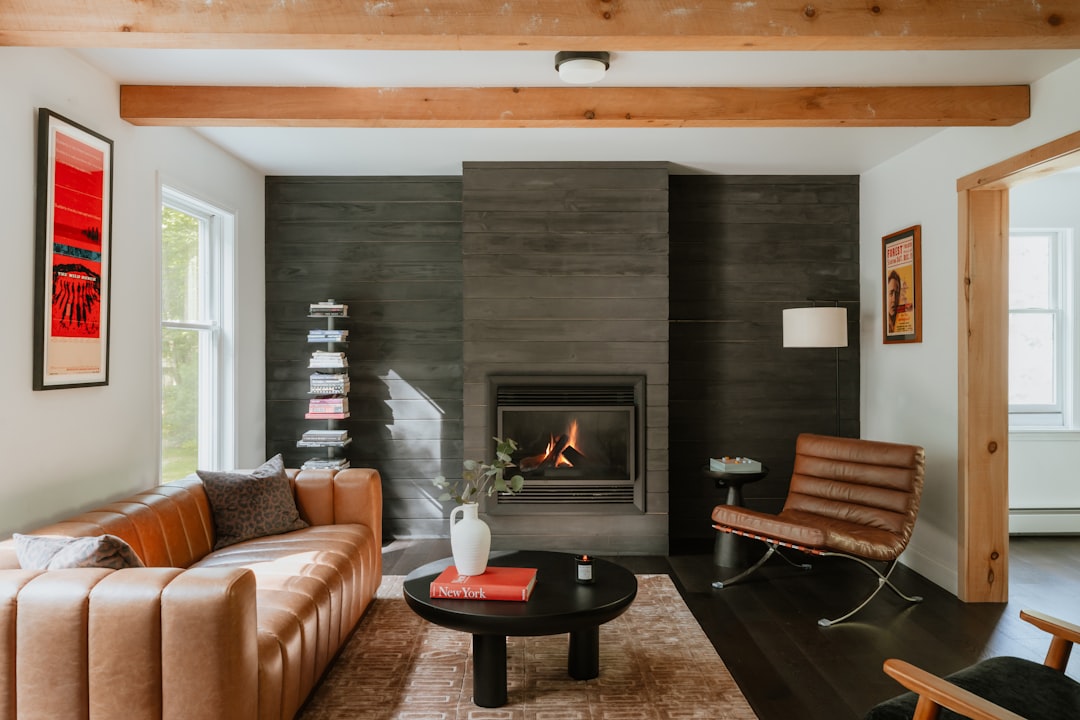
A dedicated corner of the master bedroom or spare room works well for a reading retreat. Position an armchair at an angle to the room, add a side table and floor lamp, and install floating shelves above for immediate book access. This requires as little as 1.5 square metres.
Corridor or Hallway
Long corridors in HDB flats are often wasted space. Line one wall with shallow bookshelves (15 to 20 cm deep is sufficient for most books) and add a small bench or stool at one end. The corridor becomes a curated book gallery.
Balcony
A covered or screened balcony can serve as a reading nook with proper weather protection. Ensure the space is shielded from rain and direct sun, and choose materials that withstand Singapore’s humidity.
Shelving and Book Storage
Built-In Shelving
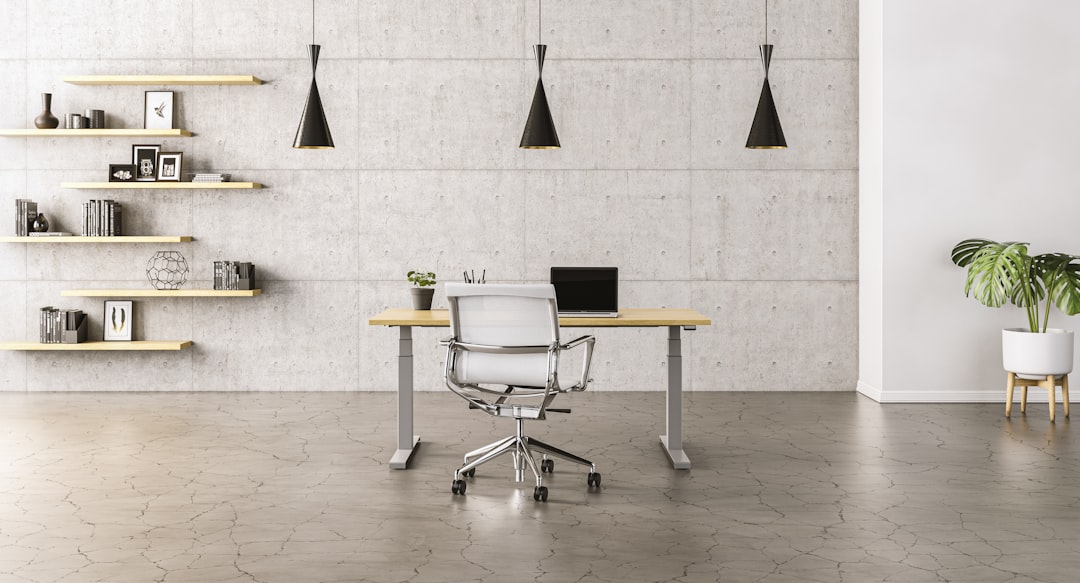
Built-in shelves maximise space and create a permanent architectural feature. Floor-to-ceiling built-ins make the most of vertical space in compact rooms. In HDB flats, built-in shelving along a feature wall transforms a plain room into a library-like space.
Floating Shelves
Floating shelves offer flexibility and a lighter visual footprint. They can be arranged in asymmetric patterns that double as a design feature. Ensure they are anchored to wall studs or use appropriate fixings for concrete walls.
Modular Units
Freestanding modular bookcases can be reconfigured and moved. They suit renters and homeowners who want flexibility. Choose units with a mix of open shelves and closed compartments to balance book display with concealed storage.
Organising Your Collection
- By genre or subject: Practical for readers who browse by category
- By colour: Creates a striking visual effect — the rainbow bookshelf — but makes finding specific titles harder
- By size: Creates clean, uniform shelf lines and maximises space efficiency
- Mixed display: Combine vertical and horizontal stacking, intersperse books with decorative objects
Seating for Comfort
The seat is the centrepiece of any reading nook. You will spend extended periods here, so comfort is paramount.
| Seating Type | Comfort Level | Space Required | Best For |
|---|---|---|---|
| Armchair | High — supportive back and arms | 80 x 80 cm minimum | Dedicated reading corners, living rooms |
| Window seat (built-in) | Moderate to high — add cushions | Uses existing bay window | Bay windows, alcoves |
| Chaise longue | Very high — full-body support | 170 x 70 cm minimum | Master bedrooms, spacious living rooms |
| Floor cushion | Casual — requires back support | Minimal | Children’s reading nooks, informal spaces |
| Hanging chair | Moderate — gentle motion | Needs ceiling anchor point | Bedrooms, balconies |
Whatever seating you choose, upholster it in a durable upholstery fabric that withstands regular use. Choose a fabric that feels good against skin, as you will be in direct contact with it for extended periods.
Lighting a Reading Space
Good reading light is non-negotiable. Poor lighting causes eye strain and discourages use of the space. Layer natural and artificial lighting for flexibility throughout the day.
Natural Light
Position the reading seat near a window where possible. North-facing windows provide consistent, indirect light throughout the day — ideal for reading. East and west-facing windows offer good light at certain times but may need curtains or blinds to manage glare during morning or afternoon sun.
Task Lighting
A dedicated reading lamp is essential for evening use. Adjustable arm lamps or swing-arm wall-mounted fixtures let you direct light precisely onto the page. Position the lamp behind and slightly above your reading shoulder to minimise shadows and glare.
Ambient Lighting
Supplement task lighting with warm ambient light to prevent eye strain from stark contrast between the lit page and dark surroundings. LED strip lighting behind shelves or a floor lamp with a warm-white bulb creates a gentle glow that makes the space inviting.
Creating Atmosphere
Wall Treatments
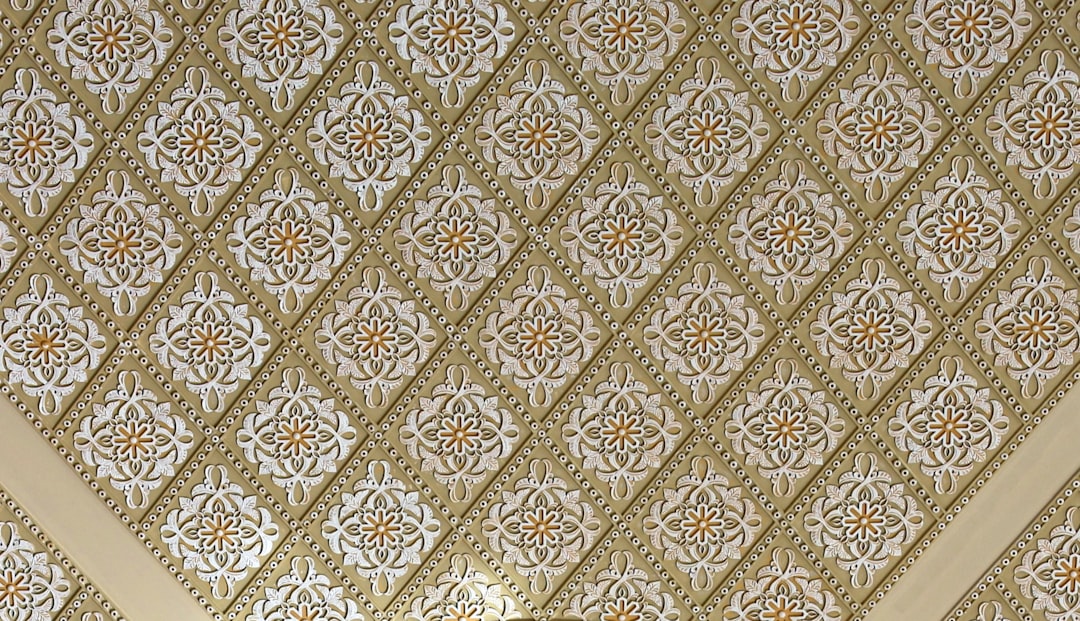
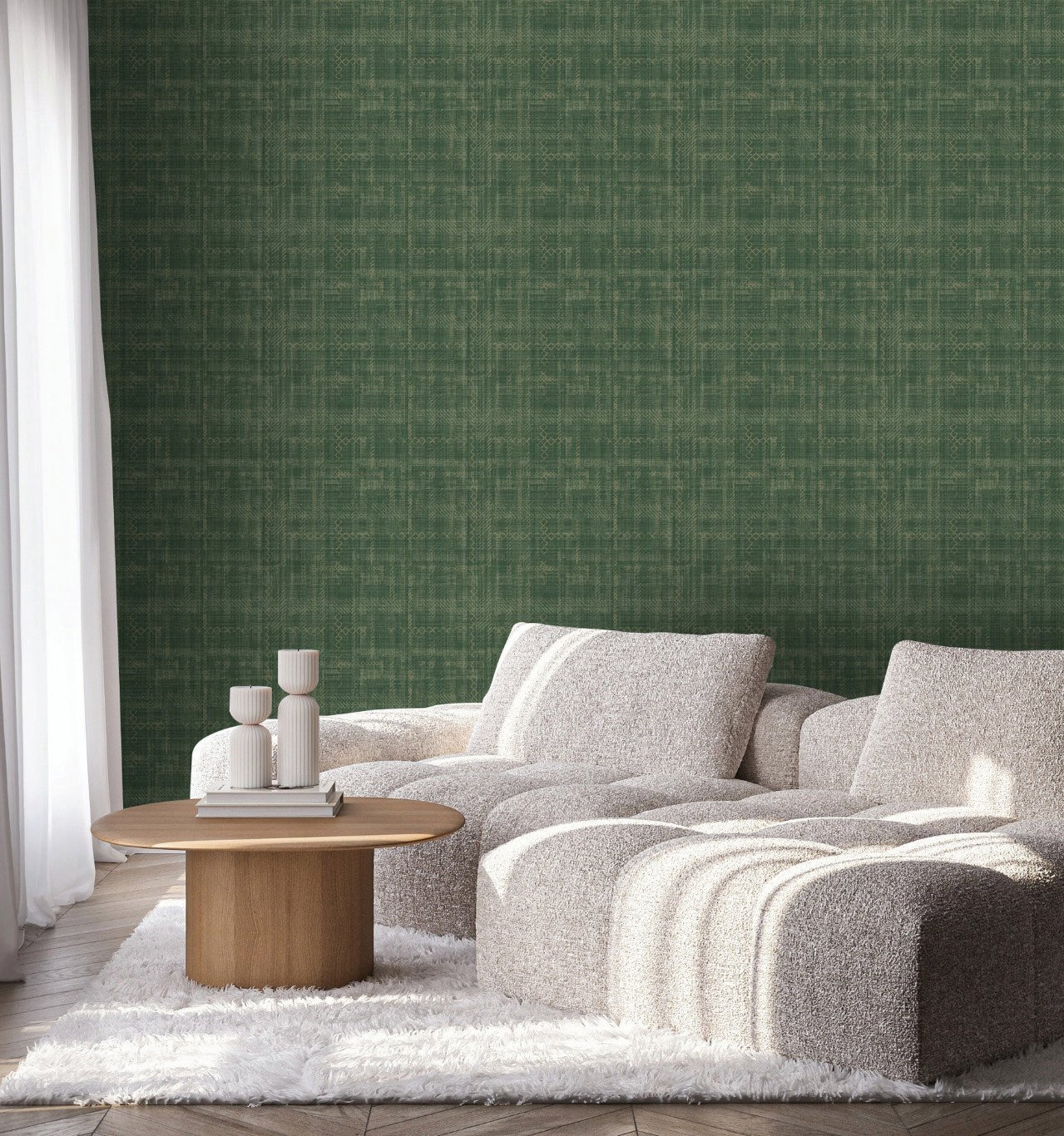
The walls surrounding your reading nook contribute significantly to its atmosphere. Rich, warm colours — deep greens, navy, burgundy — create an intimate, enveloping feel. Textured wallpaper adds depth and visual interest to the space.
Flooring and Rugs
A soft rug underfoot adds comfort and defines the reading zone. Choose a plush material — wool or a thick synthetic pile — that invites barefoot reading. The rug visually anchors the nook, especially in open-plan layouts where the reading area is part of a larger room.
Curtains and Drapes
If the nook is near a window, drapery that filters light without blocking it entirely creates the ideal reading atmosphere. Sheer curtains soften harsh tropical sunlight, while heavier drapes can be drawn for an evening cocoon effect.
Acoustic Comfort
A quiet space enhances concentration. Soft furnishings — upholstered seating, thick curtains, rugs, and cushions — absorb sound and create an acoustically comfortable environment. In HDB flats where noise from neighbours can intrude, this layering of soft materials makes a genuine difference.
Protecting Books in Singapore’s Climate
Singapore’s humidity is the enemy of book collections. Moisture causes pages to warp, promotes mould growth, and attracts silverfish. Protect your books by:
- Keeping the room air-conditioned or well-ventilated
- Using a dehumidifier if the space does not have air conditioning
- Avoiding placing shelves against external walls that may collect condensation
- Leaving small gaps between books and the back of shelves for air circulation
- Using silica gel packets on shelves to absorb excess moisture
- Inspecting books periodically for signs of mould or insect damage
Design Your Reading Retreat
A home library or reading nook is one of the most personally rewarding spaces you can create. It does not need to be large or expensive — just thoughtfully designed with comfortable seating, good light, and the right atmosphere.
Request free samples from our Singapore showroom to choose upholstery, wallpaper, and drapery that make your reading nook a space you never want to leave.