Interior Design
Ageing in Place Interior Design: Safe Comfortable Homes
What Ageing in Place Means for Singapore
Ageing in place refers to the ability to live safely, independently and comfortably in one’s own home as one grows older, rather than moving to assisted living facilities or nursing homes. In Singapore, where multi-generational living remains common and the population is ageing rapidly, this concept has become increasingly relevant to homeowners of all ages.
The Singapore government has actively promoted ageing in place through initiatives like the Enhancement for Active Seniors (EASE) programme for HDB residents. However, creating a truly age-friendly home goes beyond installing grab bars and ramps. It involves thoughtful interior design decisions that address safety, accessibility and comfort without sacrificing style or liveability for other household members.
The best time to consider ageing-in-place design is during renovation, when changes can be integrated seamlessly into the overall interior scheme. Retrofitting later is always more disruptive and costly.
Flooring: The Foundation of Safe Design
Flooring is arguably the single most important element of ageing-in-place interior design. Falls are the leading cause of injury among seniors in Singapore, and the floor surface plays a critical role in preventing them.
Slip resistance: Choose flooring with a reliable non-slip surface. Textured vinyl, matte-finish tiles and carpet all provide good traction. Avoid highly polished surfaces that become slippery when wet, particularly in bathrooms and kitchens.
Level transitions: Eliminate or minimise level changes between rooms. Even small thresholds of one or two centimetres can cause tripping. If level transitions are unavoidable, use gently ramped transition strips rather than abrupt edges.
Cushioning and impact absorption: Should a fall occur, a floor with some cushioning reduces the severity of injury. Carpet and luxury vinyl with acoustic underlays provide meaningful impact absorption compared to hard tile or stone.
Comfort underfoot: Seniors who spend more time at home benefit from flooring that is comfortable to stand and walk on. Hard, unforgiving surfaces like ceramic tile contribute to leg and joint fatigue. Vinyl and carpet offer a more forgiving surface.
The Goodrich luxury vinyl collection includes options with excellent slip resistance and cushioned backings that support ageing-in-place design.
Lighting and Visibility
Vision typically declines with age, making adequate lighting essential throughout the home. Ageing-in-place interior design should prioritise clear visibility in every room and transition space.
- Even illumination: Avoid pools of bright light alternating with dark shadows, which make it difficult for ageing eyes to adjust. Aim for consistent, even lighting throughout each room.
- Task lighting: Provide focused lighting at key work areas such as kitchen counters, reading spots and bathroom mirrors. Under-cabinet lighting in kitchens is particularly helpful.
- Night lighting: Install low-level night lights along corridors, in bedrooms and in bathrooms to prevent disorientation and falls during nocturnal trips to the bathroom.
- Natural light: Maximise natural light with light-coloured walls, reflective surfaces and window treatments that can be easily adjusted. Sheer curtains that filter harsh sunlight whilst maintaining brightness are ideal.
- Contrast: Use colour contrast to make edges, steps and transitions visible. A dark skirting board against a light floor, or contrasting wall colours at doorway edges, helps seniors navigate spaces safely.
Walls and Surface Treatments
Wall treatments in an age-friendly home should be both practical and aesthetically pleasing.
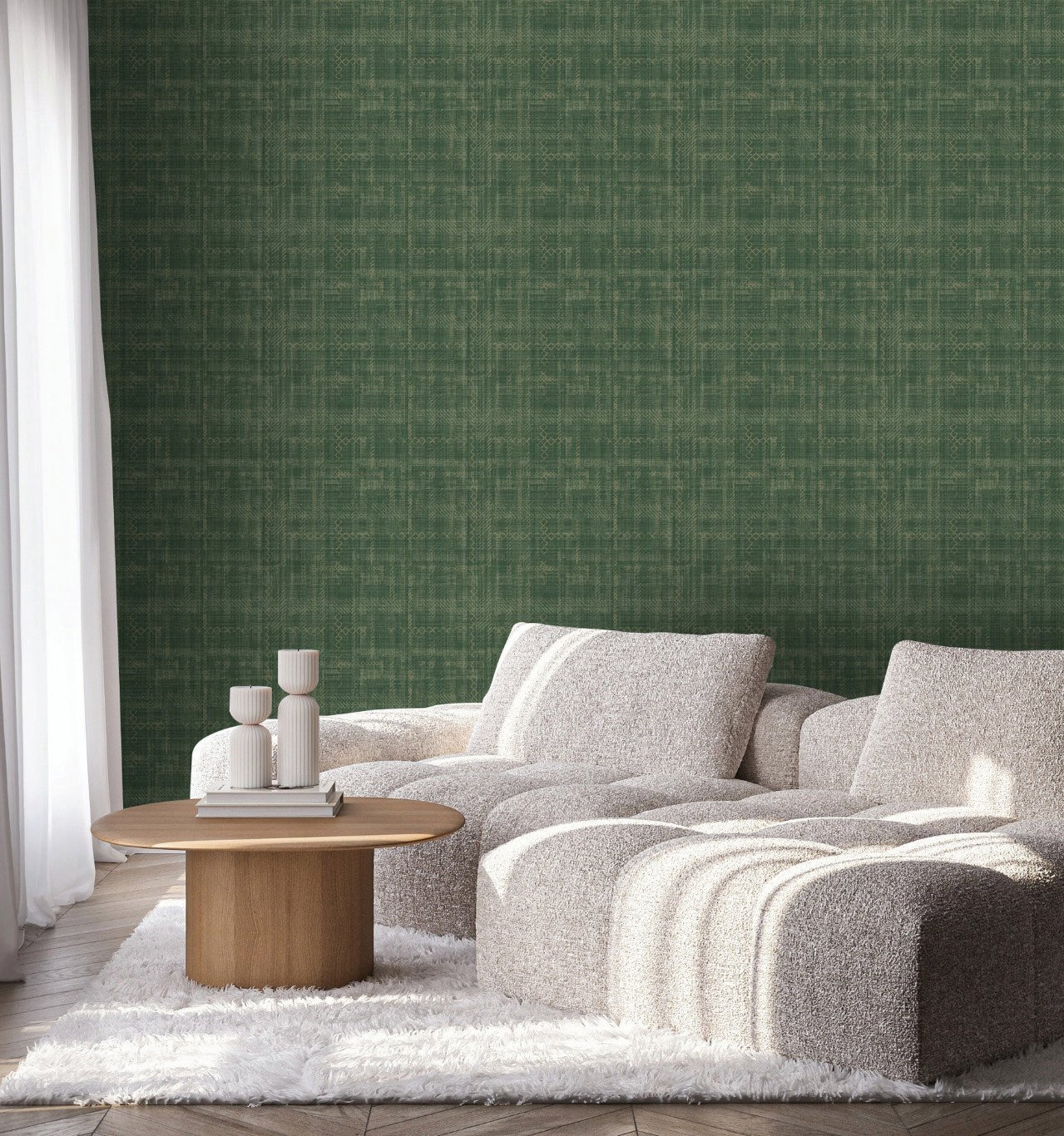
Durable wallcoverings: Vinyl wallcoverings are more durable and easier to clean than paint, resisting scuffs from walking aids and wheelchairs. They also provide a slightly textured surface that can help with spatial orientation.
Colour and contrast: Use contrasting colours between walls, floors and door frames to help seniors with declining vision distinguish between surfaces. Avoid all-white or monochromatic schemes that make it difficult to perceive depth and edges.
Grab bar integration: Plan for grab bar installation in bathrooms and along corridors. Reinforcing walls during renovation to support grab bars is far simpler and less expensive than retrofitting later. Some designers now integrate grab bars into the overall aesthetic as towel rails or decorative elements rather than clinical additions.
Room-Specific Considerations
Bathroom
The bathroom is the highest-risk area for falls. Key design elements include non-slip flooring, a curbless or low-curb shower, a shower seat, strategically placed grab bars and adequate lighting. Choose water-resistant wall and floor materials that maintain traction when wet.
Bedroom
The bedroom should be on the same level as the main living areas and bathroom to avoid stairs. Ensure the bed is at an appropriate height for easy entry and exit. Carpet flooring provides a soft, warm surface for bare feet and reduces fall injury risk. Night lighting along the path to the bathroom is essential.
Kitchen
An age-friendly kitchen features counters at accessible heights, lever-style tap handles and non-slip flooring that is easy to clean. Open shelving or glass-fronted cabinets at reachable heights reduce the need for climbing. Anti-fatigue mats in standing areas reduce strain during meal preparation.
Living Areas
Open floor plans with minimal furniture obstacles create clear pathways for safe movement. Remove or secure loose rugs that can slide or bunch. Choose upholstered furniture with firm seats at an appropriate height that makes standing up easier.
Designing for Multi-Generational Living
In Singapore, ageing-in-place design often coexists with the needs of younger family members. The challenge is creating spaces that are safe and accessible for seniors without feeling clinical or institutional for everyone else.
| Design Element | Senior Benefit | Universal Benefit |
|---|---|---|
| Non-slip flooring | Fall prevention | Safe for children and wet feet |
| Even lighting | Better visibility | Comfortable ambience for all |
| Level thresholds | Easier mobility | Cleaner aesthetic, stroller-friendly |
| Lever door handles | Easier grip | Modern appearance, hands-full convenience |
| Wider doorways | Wheelchair access | Spacious feel, easier furniture moving |
| Contrast colours | Spatial awareness | Visually interesting interiors |
The best ageing-in-place designs are those that benefit everyone in the household. Universal design principles make homes safer, more comfortable and more functional for people of all ages and abilities.
Planning Your Ageing-in-Place Renovation
Whether you are renovating an HDB flat, upgrading a condo or refreshing a landed property, integrating ageing-in-place principles into your design plan is a wise investment. The modifications that make a home age-friendly also increase its appeal, functionality and long-term value.
Start by assessing your home’s current layout and identifying potential hazards: slippery floors, poor lighting, narrow doorways and level changes. Then work with your interior designer to address these issues as part of a cohesive design scheme that looks intentional and stylish rather than retrofitted.
Soft Furnishings and Comfort
Soft furnishings play a significant role in ageing-in-place design beyond their decorative function. Heavy drapery curtains help regulate room temperature by insulating against outdoor heat, reducing the reliance on air conditioning and creating a more comfortable environment for seniors who may be sensitive to temperature fluctuations.
Upholstered furniture with firm, supportive cushions is easier for seniors to sit down on and rise from than very soft, deep seating. Choose fabrics that are durable, easy to clean and resistant to staining, as these practical qualities become increasingly important over time. Textured fabrics with slight grip also help prevent seniors from sliding on smooth seat surfaces.
Area rugs can add warmth and comfort but must be secured firmly with non-slip pads or tape to eliminate tripping risks. In rooms where seniors walk frequently, such as the bedroom and living room, ensure rugs lie completely flat with no curled edges or wrinkled surfaces. Some homeowners find that wall-to-wall carpet, despite being less fashionable than hard flooring, provides the safest and most comfortable floor surface for ageing family members.
Request free samples from our Singapore showroom to explore flooring, wallcovering and fabric options that combine safety with beautiful design.