Fabric & Upholstery
Sheer Curtain vs Day Curtain: What Is the Difference?
The Sheer vs Day Curtain Confusion
In Singapore’s curtain and interior furnishing industry, the terms “sheer curtain” and “day curtain” are often used interchangeably. This creates understandable confusion for homeowners shopping for window treatments. Are they the same thing? Is one better than the other? And which one does your home actually need?
The short answer is that sheer curtains and day curtains are closely related but not identical. Understanding the subtle differences between them will help you make a more informed choice for your HDB flat, condo or landed property.
Defining Sheer Curtains
Sheer curtains are made from lightweight, translucent fabrics that allow varying degrees of light to pass through. The hallmark of a true sheer is its transparency. When held up to light, you can see through it clearly. Common sheer fabrics include voile, organza, chiffon and fine lace.
Sheers serve primarily as decorative elements that soften window frames, filter harsh sunlight and add an ethereal quality to interiors. They diffuse light beautifully, creating a warm, ambient glow rather than direct, glaring sunshine. This makes them particularly valuable in Singapore, where equatorial sunlight can be intense throughout the day.
However, sheers offer limited privacy. During the day, when exterior light is brighter than interior light, sheers provide reasonable privacy from outside. At night, when interior lights are on, the situation reverses, and interiors become visible from outside.
Defining Day Curtains
Day curtains are a broader category of lightweight curtains designed to be used during daytime hours. They encompass sheers but also include slightly heavier, more opaque fabrics that offer better privacy and light control than pure sheers.
A day curtain might be made from a denser voile, a semi-opaque polyester or a lightweight woven fabric that filters light whilst providing more privacy than a transparent sheer. Some day curtains have a subtle texture or pattern woven into the fabric that obscures the view from outside whilst still allowing light to enter the room.
In Singapore’s curtain market, “day curtain” has become the default term for any lightweight curtain used alongside a heavier night or blockout curtain. When a curtain retailer refers to a day curtain, they typically mean the lighter, front-facing layer in a dual-track system.
Key Differences at a Glance
| Feature | Sheer Curtain | Day Curtain |
|---|---|---|
| Transparency | Highly transparent | Semi-transparent to semi-opaque |
| Light filtering | Minimal filtering, maximum light | Moderate filtering |
| Daytime privacy | Basic | Moderate to good |
| Night-time privacy | Very limited | Limited to moderate |
| Fabric weight | Very lightweight | Lightweight to medium-light |
| Common fabrics | Voile, organza, chiffon | Dense voile, semi-opaque polyester, light linen |
| Primary purpose | Decoration, soft light | Light filtering, daytime privacy |
In practical terms, every sheer curtain can function as a day curtain, but not every day curtain qualifies as a sheer. Day curtains occupy a wider spectrum, ranging from near-transparent sheers to semi-opaque panels that approach the territory of light blockout curtains.
How Singapore Homes Use Sheer and Day Curtains
The dual-track curtain system is the most common window treatment configuration in Singapore homes. This system uses two parallel curtain tracks: one for a day or sheer curtain and one for a heavier night or blockout curtain.
The Dual-Track System
During the day, the sheer or day curtain remains drawn across the window, filtering sunlight and providing a measure of privacy without blocking the view entirely. In the evening, the heavier curtain is drawn for full privacy and light blocking.
This system is standard in most HDB BTO packages and condo developments. It offers the best of both worlds: the soft, light-filled ambience of a sheer during the day and the complete privacy of a blockout curtain at night.
The front track (closest to the window) typically carries the sheer or day curtain, whilst the back track (closest to the room) holds the heavier curtain. This arrangement allows the lighter fabric to remain visible during the day, contributing to the room’s aesthetic, whilst the heavier curtain stays neatly stacked to the sides until needed.
Choosing Between Sheer and Semi-Opaque Day Curtains
Your choice depends largely on your floor level, orientation and privacy needs.
High-floor units: If you live on a high floor with no neighbouring buildings at eye level, a true sheer curtain maximises your view and natural light. Privacy is less of a concern when no one can see in.
Low-floor or facing-another-block units: If your windows face a neighbouring HDB block or condo at close range, a semi-opaque day curtain offers better daytime privacy without sacrificing too much light.
West-facing windows: Intense afternoon sun demands a day curtain with better light-filtering capabilities. A denser day curtain reduces glare and heat gain, making your living space more comfortable and reducing air conditioning costs.
East-facing windows: Morning light is generally softer and more welcome. A lighter sheer curtain allows you to enjoy the morning sun whilst gently diffusing its brightness.
Fabric Options for Singapore’s Climate
Singapore’s tropical humidity and strong UV light impose specific demands on curtain fabrics. Here are the most suitable options for sheer and day curtains in our climate.
- Polyester voile: The most popular and practical choice. It resists humidity, maintains its shape, does not yellow with age and is easy to wash. Available in a wide range of colours and patterns.
- Polyester-linen blend: Offers the natural look and texture of linen with the durability and easy care of polyester. An excellent choice for homeowners who want an organic aesthetic without the maintenance demands of pure linen.
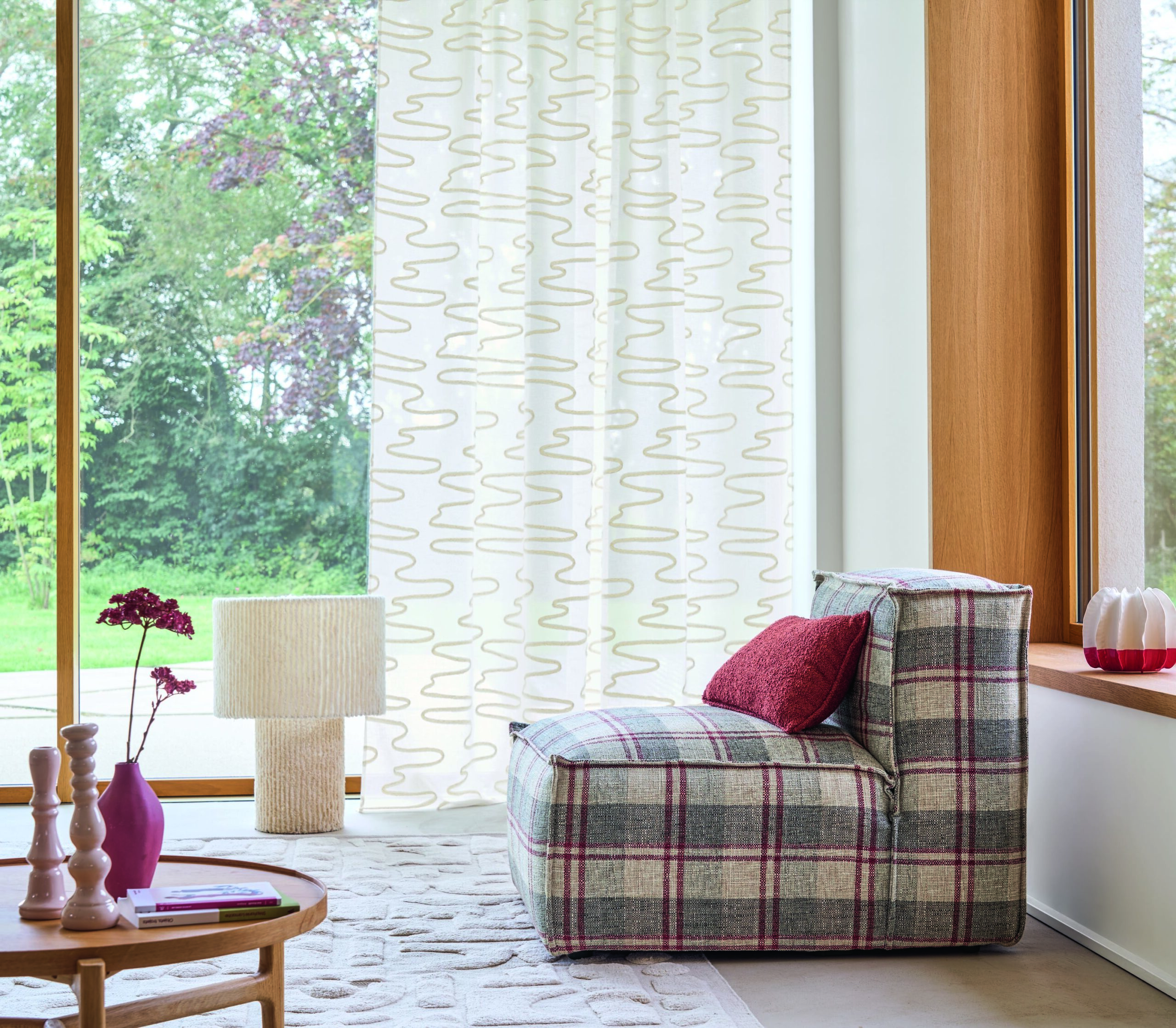
- Embroidered sheers: Polyester sheers with embroidered patterns add decorative interest whilst the embroidery provides slightly better privacy than plain sheers.
- Burnout or devore fabrics: These feature a pattern created by chemically dissolving parts of the fabric, creating areas of sheer transparency alongside more opaque sections. The effect is artistic and visually striking.
Explore the full range of drapery fabrics available for both sheer and day curtain applications.
Making Your Decision
When choosing between a sheer curtain and a day curtain for your Singapore home, consider these factors in order of priority: privacy requirements, light control needs, aesthetic preferences and maintenance expectations.
If privacy is your primary concern, lean towards a semi-opaque day curtain. If maximising natural light and creating an airy, ethereal atmosphere is your goal, a true sheer curtain is the better choice. In either case, pair your selection with a quality blockout or night curtain on a separate track for complete flexibility.
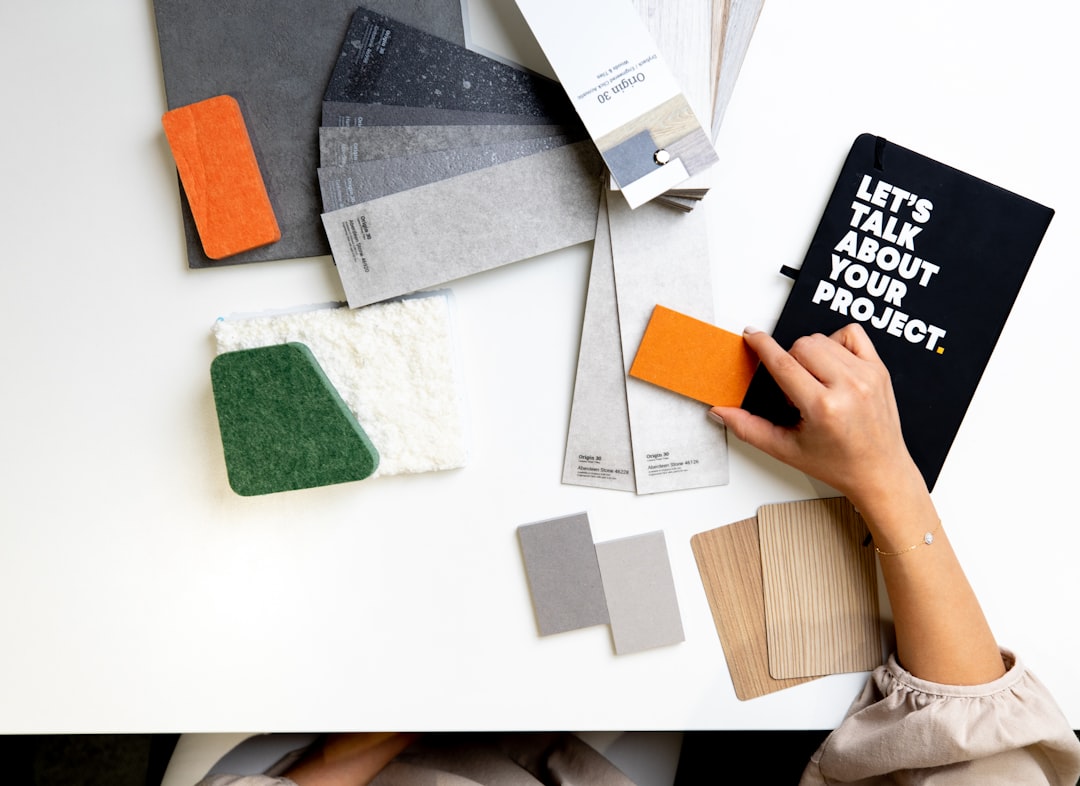
Physical samples are invaluable for this decision. A fabric that appears semi-opaque on a sample card may look quite transparent when stretched across a bright window. Conversely, a fabric that seems dense may allow more light through than expected when backlit by Singapore’s strong sunlight.
It is also worth considering the long-term maintenance of your chosen fabric. Sheer curtains tend to attract less dust than denser day curtains but show dirt more readily due to their transparency. Most polyester sheers and day curtains can be machine-washed on a gentle cycle, making them practical choices for Singapore households where regular cleaning is essential to combat dust and humidity.
Ultimately, the distinction between sheer and day curtains matters less than choosing a fabric that meets your specific needs for light, privacy and aesthetics. Both serve the same fundamental purpose of softening daylight and enhancing your window, and both work best as part of a dual-layer system that gives you full control over your environment from morning to night.
Visit the Goodrich fabric gallery to compare sheer and day curtain fabrics side by side, or get a free quote for your project today.