Interior Design
Bohemian Interior Design: Free-Spirited Style
What Defines Bohemian Interior Design
Bohemian interior design — often shortened to “boho” — is a style rooted in creative expression, warmth, and an eclectic mix of influences. It draws from global cultures, natural materials, and artistic sensibilities to create spaces that feel lived-in, layered, and deeply personal.
Unlike minimalist or Scandinavian styles that favour restraint, bohemian design embraces abundance. More textures, more patterns, more colour — but always with an underlying sense of harmony. The result is a home that feels collected over time rather than decorated all at once.
In Singapore, where homes tend toward clean-lined modernity, bohemian elements can inject warmth and personality into otherwise uniform interiors. You do not need to commit to a full boho aesthetic — even a few well-chosen elements can transform a room.
Key Elements of the Bohemian Look
Bohemian design is flexible by nature, but certain elements recur across successful boho interiors:
- Layered textiles: Rugs over rugs, throws over sofas, cushions in mixed patterns and sizes. Textiles are the backbone of bohemian design.
- Natural materials: Rattan, jute, wood, linen, cotton, and leather ground the style in organic warmth.
- Global patterns: Ikat, suzani, paisley, tribal prints, and Moroccan-inspired motifs add visual richness.
- Plants: Abundant greenery — hanging plants, trailing vines, potted palms — brings life and colour.
- Warm, earthy colours: Terracotta, ochre, burnt orange, deep teal, and warm browns form the typical boho palette.
- Collected objects: Vintage finds, handmade ceramics, travel souvenirs, and artisanal pieces create a curated-but-casual atmosphere.
The common thread is authenticity. Bohemian design avoids anything that looks mass-produced or overly coordinated. Each piece should feel like it has a story.
Lighting also plays a role. Bohemian interiors favour warm, ambient light over harsh overhead illumination. Moroccan lanterns, string lights, floor lamps with fabric shades, and clusters of candles create the soft, inviting glow that defines the boho atmosphere. Avoid cool-white LEDs; warm tones of 2,700 Kelvin and below are far more flattering in these layered, textured spaces.
Bohemian Flooring Choices
Flooring sets the foundation for the bohemian aesthetic. Natural wood or wood-look finishes are the most common starting point — warm, organic, and versatile enough to anchor a room full of pattern and colour.
Luxury vinyl flooring in warm timber tones provides the wood-floor look that boho style demands, with the practical benefits of waterproofing and easy maintenance. Choose planks with visible grain patterns and knot details for a more rustic, handcrafted feel that suits the aesthetic.
Layer the floor with textiles. A large jute or sisal rug forms the base layer, with a patterned kilim or vintage-style rug placed on top. This rug-on-rug approach is a hallmark of bohemian interiors and adds warmth, texture, and visual complexity to any room.
For bedrooms, consider extending the layered approach by placing a small runner alongside the bed and a round rug near the dressing area. Each textile adds another dimension of colour and pattern, building the rich, collected atmosphere that defines bohemian spaces.
Carpet is another option for bedrooms or cosy living areas. A carpet with a natural, textured weave — rather than a flat, uniform pile — complements the boho aesthetic beautifully.
Walls, Wallpaper, and Bohemian Backdrops
Bohemian walls are rarely plain. They serve as a canvas for self-expression, whether through colour, pattern, gallery walls, or textile hangings.
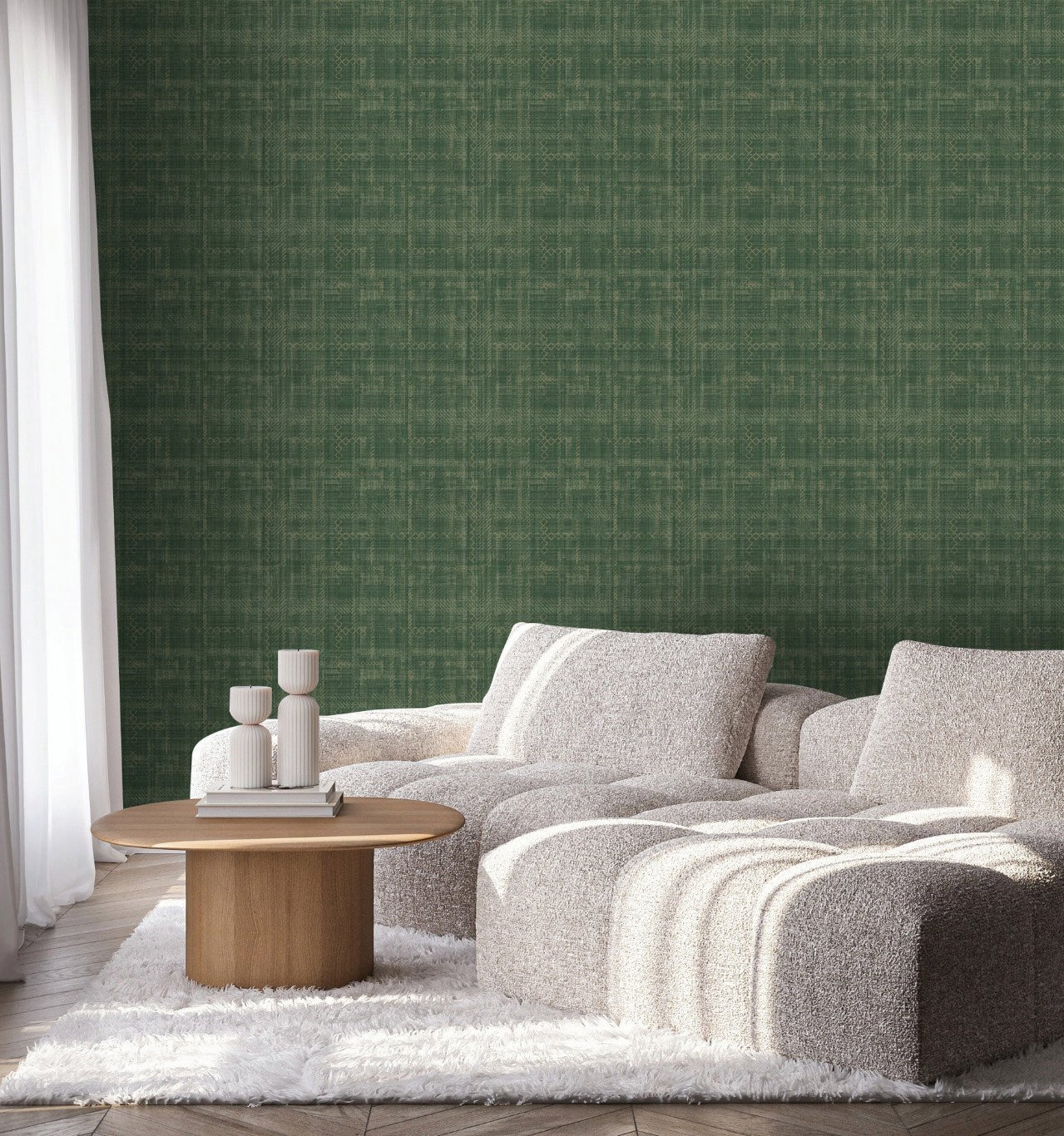
A feature wall in a rich, warm tone — deep terracotta, dusty rose, or olive green — anchors the room and provides a backdrop for artwork and wall hangings. Pair it with remaining walls in a soft, neutral cream or warm white to balance the visual weight.
Wallpaper with botanical prints, paisley patterns, or hand-painted effects suits the boho style perfectly. Look for designs that feel artisanal rather than rigidly geometric. A single wallpapered wall behind the bed or sofa creates a stunning focal point without overwhelming the space.
Woven wall hangings, macrame tapestries, and framed textiles are quintessential boho wall decor. They add texture and dimension that flat artwork alone cannot achieve.
Fabric and Textile Layering
If there is one design principle that defines bohemian style, it is layering. And textiles are the primary vehicle for that layering.
| Textile Element | Boho Approach | Where to Use |
|---|---|---|
| Cushions | Mix 4-6 in varied sizes, patterns, and textures | Sofa, bed, floor seating |
| Throws | Chunky knits, fringed blankets, woven wraps | Draped over sofas, chairs, bed ends |
| Curtains | Flowing, floor-length, in natural fabrics | Windows, room dividers |
| Rugs | Layered, patterned, in warm tones | Living room, bedroom, entryway |
| Upholstery | Textured, mixed materials on different seats | Sofas, armchairs, dining chairs |
The secret to successful boho layering is maintaining a cohesive colour palette. You can mix patterns freely — stripes with florals, geometric with tribal — as long as the colours relate to each other. Stick to three or four core tones and let the texture and pattern variety do the expressive work.
Explore the fabric collection for upholstery and drapery textiles that bring bohemian warmth to your furniture and windows.
Adapting Bohemian Style for Singapore Homes
Singapore’s tropical climate and compact living spaces require some practical adjustments to the bohemian aesthetic.
Humidity considerations: Natural fibres like jute and cotton are prone to mould in humid conditions. Choose blended or treated fabrics where possible, and ensure good ventilation in rooms with heavy textile layering. Air-conditioning helps, but regular airing of cushions and throws prevents musty odours.
Scale for small spaces: In an HDB flat or condo, a full-blown boho scheme can feel cluttered. Edit ruthlessly. Choose fewer, higher-quality pieces rather than filling every surface. A single statement rug, two or three textured cushions, and one wall hanging can establish the bohemian mood without overwhelming a compact room.
Tropical plants as boho elements: Singapore’s climate is perfect for the abundant greenery that bohemian interiors demand. Pothos, monstera, fiddle-leaf figs, and trailing string-of-hearts all thrive indoors with minimal care and contribute to the lush, collected feel of boho design.
Room-by-Room Bohemian Touches
You do not need to commit to a fully bohemian home to enjoy the style. Adding boho elements room by room allows you to experiment without overwhelming your existing decor.
In the living room, start with a patterned rug, a collection of textured cushions, and trailing plants on open shelving. In the bedroom, layer the bed with a mix of patterned and plain bedding, add a woven wall hanging above the headboard, and drape a fringed throw over the foot of the bed.
The dining area benefits from a natural-fibre table runner, ceramic tableware in earthy tones, and a low-hanging pendant light in rattan or woven material. Even the bathroom can receive a bohemian touch with a macrame plant hanger, a woven basket for towels, and textured bath mats in warm tones.
Bohemian interior design is not about following a formula — it is about creating a space that reflects who you are, what you have gathered, and what makes you feel at home. Start with quality foundations in flooring and fabrics, then layer and evolve over time.
Browse our e-catalogue for the latest designs. Visit the Goodrich e-catalogue to discover wallpapers, fabrics, and flooring that bring bohemian character to your home.