Commercial Interiors
Co-Living Interior Design in Singapore: A Materials Guide
Co-living interior design in Singapore has matured from a niche rental experiment into a recognised asset class. Operators such as Assembly Place, lyf, Cove and Hmlet have proven that shared living, when specified well, commands premium rents and high occupancy. Recent projects — including Assembly Place’s repurposing of Phoenix Park into one of Singapore’s largest co-living destinations — show how far the format has come, and how much the interior specification matters to the commercial outcome.
For the people who actually choose the finishes — interior designers, project managers and developers — co-living sits in an awkward gap. It is not quite residential and not quite hospitality, yet it borrows demanding requirements from both. This guide sets out a practical materials framework for co-living interiors in Singapore: where the constraints sit, and which product categories consistently earn their place.
Why Co-Living Is a Distinct Specification Brief
A private home is specified for one household, one set of habits and a slow refresh cycle. A hotel is specified for transient guests and back-of-house teams who maintain the asset nightly. Co-living is neither. Residents stay for months, not nights, so they live hard in the space — cooking, working from home, hosting friends — but the operator carries the maintenance burden across dozens of rooms and heavy shared zones.
That combination produces a specific set of pressures:
- High occupancy density. Shared kitchens, lounges and corridors see far more footfall than any private home, concentrating wear on floors and walls.
- Acoustic sensitivity. Strangers living side by side make noise transfer the single most common source of complaints and churn.
- Fast refresh cycles. Operators reposition and rebrand spaces every few years; materials must support refresh without full strip-out.
- Member-experience economics. Finish quality is not cosmetic — it directly drives retention, reviews and the rent a room can command.
Goodrich Global has supplied and installed interior finishes across flexible-space projects in Singapore that share this DNA, including JustCo at The Collective at Labrador Tower. While that is a co-working scheme rather than co-living, the operator logic is identical: high churn, dense use, acoustic comfort and a brand experience delivered at fit-out economics. The material lessons transfer directly.

Flooring: The First Decision That Pays Off Daily
Flooring is the most stressed surface in any co-living scheme and the one residents notice first underfoot. The brief is unforgiving: it has to survive trolley wheels, suitcases, spills and constant traffic through shared zones, while still feeling like a home rather than an institution.
Luxury vinyl is the workhorse for good reason. Modern luxury vinyl flooring delivers convincing wood and stone visuals, is fully waterproof, and stands up to heavy traffic with simple maintenance — a decisive advantage in Singapore’s humidity. In shared lounges and quiet corridors, carpet tile adds acoustic absorption and warmth while allowing damaged tiles to be swapped individually rather than re-laying a whole floor. That modularity is exactly the kind of refresh-friendly detail co-living operators reward.
Acoustic Comfort: The Retention Lever
If one specification decision separates a well-reviewed co-living building from a poorly reviewed one, it is acoustics. Residents tolerate small rooms; they do not tolerate hearing a neighbour’s video calls through the wall. Acoustic performance is therefore a retention investment, not a finishing touch.
Acoustic wallcoverings and panels manage reverberation in open-plan lounges and meeting rooms, softening the hard surfaces that make shared spaces feel loud and unwelcoming. Specified alongside carpet on the floor and soft furnishings, they bring the overall reverberation down to a level that makes communal areas usable for work and conversation alike. The same Zintra acoustic wallcovering family Goodrich installed at JustCo at The Collective applies directly to co-living lounges, co-work corners and corridor nodes.
Walls and Soft Furnishings: Character Without Compromise
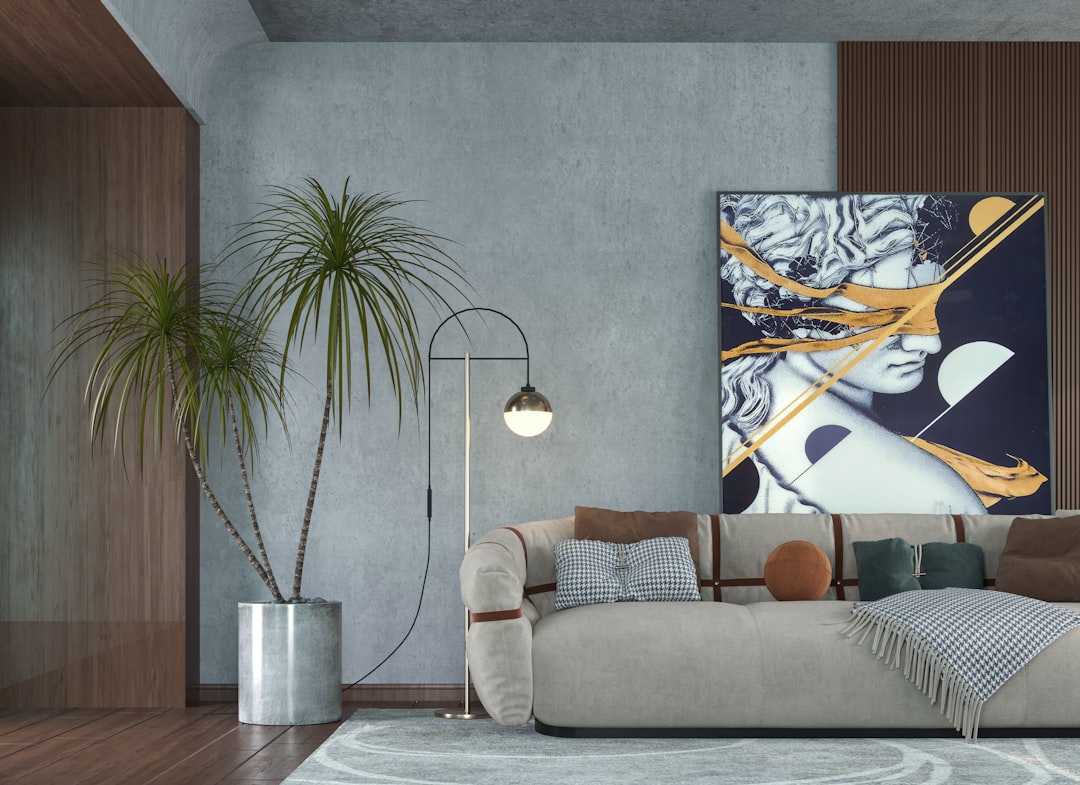
Co-living sells a lifestyle, and walls do much of the storytelling. Decorative wallpaper and wallcovering let an operator inject personality and brand identity into communal areas at a fraction of the cost and disruption of bespoke joinery. Commercial-grade wallcoverings also resist scuffing and clean easily — important where furniture is rearranged and residents come and go.
Upholstery and drapery complete the picture. Performance fabrics with stain resistance and durable rub counts keep shared sofas and lounge seating looking presentable far longer than residential-grade textiles, protecting the operator from premature reupholstery. The aim throughout is a finish that reads as warm and characterful to residents while quietly meeting commercial durability standards behind the scenes.
Specifying for the Refresh Cycle
The smartest co-living specifications anticipate change. Operators rebrand, reconfigure and reposition assets on cycles far shorter than a typical residential renovation, so materials that support partial replacement protect both budget and programme.
- Modular carpet tile lets damaged or stained sections be replaced without closing a whole floor.
- Replaceable acoustic panels move with new room layouts rather than being discarded.
- Robust, cleanable wallcoverings extend the interval between full redecoration.
- Consistent product ranges across a portfolio simplify reordering and keep refreshes on-brand.
Sourcing these categories from a single supplier also smooths coordination — one point of contact for samples, lead times and replacement stock across flooring, wallcovering, acoustic and fabric.
Final Thoughts
Co-living interior design in Singapore rewards specifiers who treat it as its own discipline: residential warmth, hospitality durability and operator economics, all at once. Get the flooring, acoustics, walls and fabrics right and the building reviews well, retains residents and refreshes affordably.