Interior Design
Wood Wall Panelling in Singapore: Ideas, Costs and Easier Alternatives
Wood wall panelling has become one of the most requested features in Singapore renovations, appearing on moodboards for everything from BTO living rooms to boutique hotel lobbies. The warmth of timber against clean plastered walls suits the Japandi, mid-century, and modern-luxe styles that dominate local interiors right now.
What most homeowners discover once quotations arrive, however, is that real timber panelling is a carpentry project — with carpentry timelines, carpentry budgets, and long-term maintenance in a humid climate. This guide covers the panelling looks worth considering, what genuine timber work involves, and the wallcovering routes that deliver the same aesthetic in a fraction of the time and cost.
Goodrich Global does not supply timber wall panelling or carpentry. Our range covers panel-effect and wood-effect wallcoverings that deliver the panelled look without the joinery work.
Why Wood Wall Panelling Suits Singapore Interiors
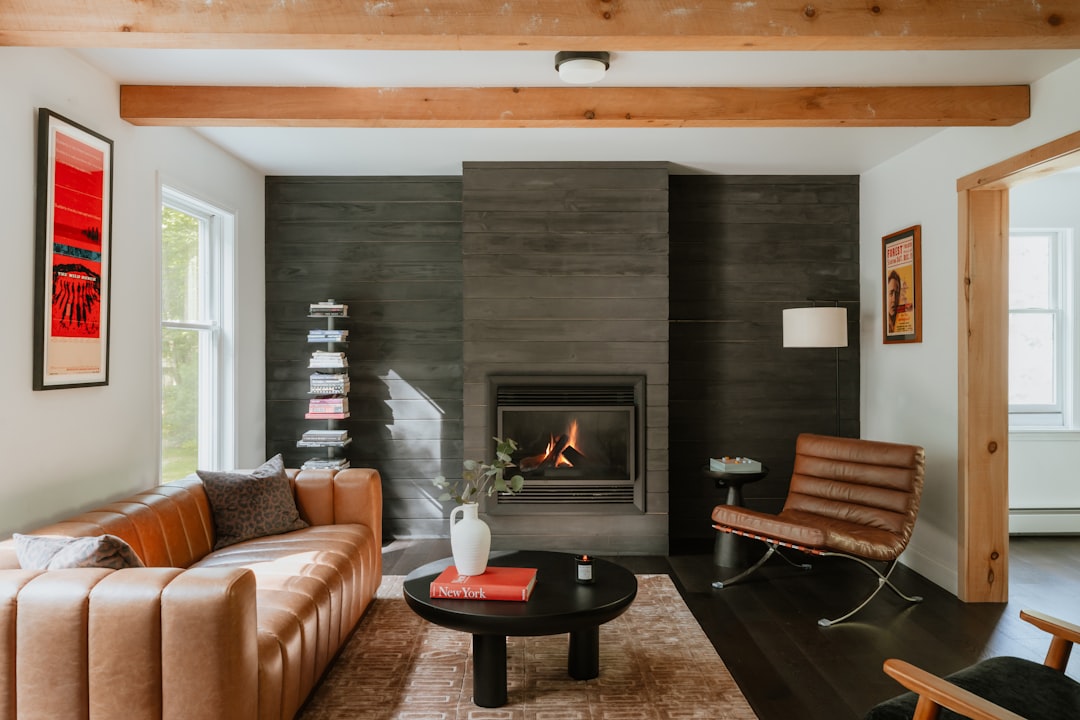
Timber brings something plastered walls cannot: depth, shadow lines, and a natural grain that softens the boxy geometry of a typical HDB flat or condominium unit. A panelled wall gives a room an architectural focal point without adding furniture or clutter — which matters in compact layouts where every square metre counts.
It also works across a wide range of styles. Vertical slats read as contemporary and Scandinavian; classic framed panels lean traditional and colonial; full-height veneer feels quietly luxurious. This versatility is why the wood wall panelling look appears in show flats, sales galleries, and hospitality projects across Singapore — and why so many homeowners want to bring it home.
Popular Wood Panelling Ideas
Fluted and Slat Panelling
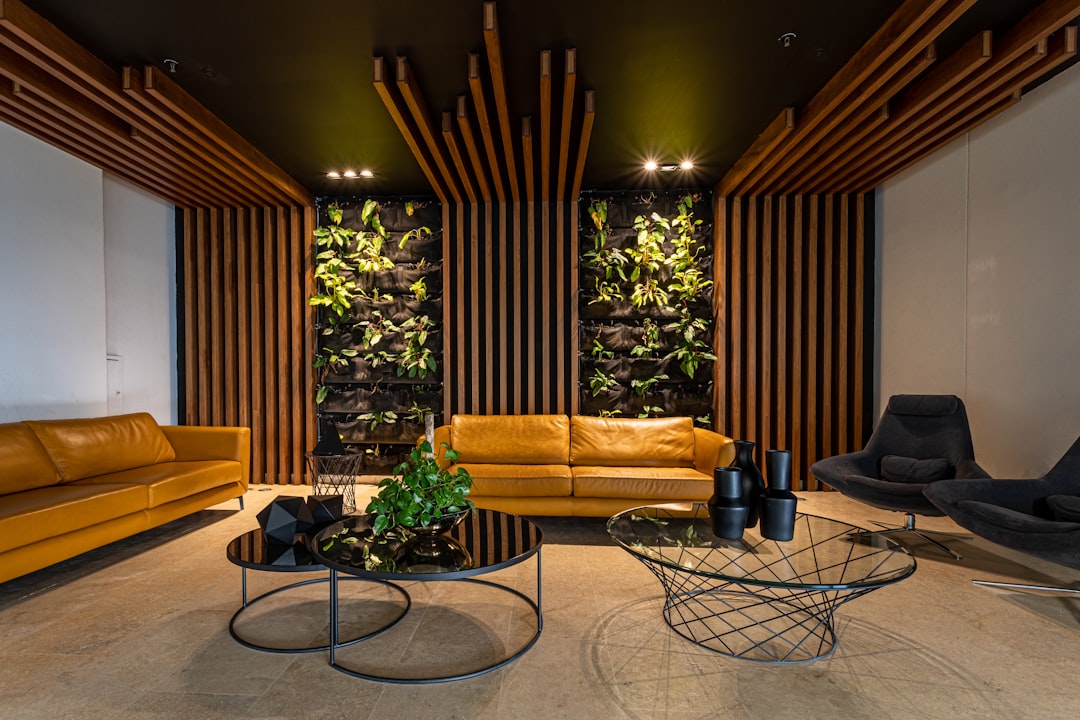
Narrow vertical battens — usually laminate-wrapped or veneered — spaced evenly across a feature wall. This is currently the most requested panelling style in Singapore, especially behind TV consoles and bed headboards. Our guide to fluted panel wall design in Singapore covers the look in detail.
Full-Height Veneer or Laminate Panels
Large flat panels in wood veneer or woodgrain laminate, run floor to ceiling for a seamless, hotel-style finish. Often integrated with concealed doors and storage. See our guide to wall laminate design in Singapore for how this is typically built.
Wainscoting and Framed Panels
Classic dado-height or full-wall frames, usually painted rather than left as raw timber. Popular in dining rooms and master bedrooms for a tailored, European look.
Shiplap and Tongue-and-Groove Boards
Horizontal boards with visible joint lines, associated with coastal and farmhouse styles. Less common in Singapore but effective in cafes and children’s rooms.
What Real Timber Panelling Costs in Singapore
Carpentry in Singapore is priced per foot run or per panel, and a panelled feature wall is quoted as custom joinery — the same trade that builds your wardrobes and kitchen cabinets. Several factors push the price up quickly:
- Material grade: Solid timber costs the most, followed by real wood veneer on plywood, then woodgrain laminate on board. Each step down saves money but moves further from actual wood.
- Design complexity: Fluted walls with dozens of individual battens take far longer to fabricate and install than flat panels, and labour is the largest share of any carpentry quote.
- Site conditions: Uneven walls need framing and levelling before panels go up, and integrating wiring, switches, or concealed lighting adds further work.
- Height and access: Full-height walls in condominiums with higher ceilings require more material and staging.
A single panelled feature wall commonly costs as much as several rooms of quality wallcovering, installed. It also takes weeks rather than days: fabrication happens off-site, installation generates dust and noise, and HDB renovation permit rules and condo management timing windows both apply.
For HDB and BTO owners, the sequencing question matters too. Carpentry budgets are usually committed to kitchens, wardrobes, and storage first — the joinery that adds daily function. A panelled feature wall competes with those items for the same trade and the same dollars, which is why it is so often the first thing cut when quotations come in over budget.
The Drawbacks Nobody Mentions
Beyond cost, timber panelling carries practical commitments that deserve honest consideration before you sign a quotation:
- Humidity: Singapore’s year-round humidity causes timber to expand and contract. Poorly acclimatised or poorly sealed panels can warp, gap, or delaminate over time.
- Permanence: Panelling is fixed joinery. Removing it later means hacking, patching, and repainting — a real cost if you resell, re-rent, or simply change your mind about the look.
- Not renter-friendly: Tenants and owners of rental units generally cannot install fixed carpentry at all.
- Maintenance: Grooves and shadow gaps collect dust, and veneer edges are vulnerable to knocks in high-traffic areas.
The Easier Alternative: Wood-Effect and Panel-Effect Wallcoverings
Modern wallcoverings reproduce timber convincingly — grain, tone variation, and printed shadow lines that read as three-dimensional panelling from normal viewing distance. For most Singapore homes, this is the practical route to the wood wall panelling look:
- Installed in hours, not weeks: A feature wall is typically papered in under a day, with no hacking, dust, or carpentry noise.
- A fraction of the cost: Even premium wood-effect wallcovering comes in well below custom joinery for the same wall area.
- Humidity-stable: Quality vinyl and non-woven wallcoverings are engineered for tropical conditions and will not warp or gap.
- Reversible: Wallcovering can be removed or replaced when tastes change — ideal for rentals, resale preparation, and anyone who redecorates every few years.
- Zero structural work: No framing, no levelling, no electrical rerouting around battens.
The range is broader than many expect. Woodgrain designs cover everything from pale Scandinavian oak to rich walnut — see our guide to wood-effect wallpaper design — while dedicated panel-effect designs replicate fluted slats, wainscoting frames, and shiplap boards complete with realistic joint shadows. We cover that category in depth in our panel-effect wallpaper guide.
If your heart is set on a timber feature wall and the budget supports it, our comparison of routes in the wood feature wall Singapore guide walks through carpentry, laminate, and wallcovering options side by side.
Which Route Should You Choose?
| Factor | Timber panelling (carpentry) | Wood-effect wallcovering |
|---|---|---|
| Typical timeline | Two to six weeks including fabrication | Under a day per wall |
| Relative cost | High — custom joinery rates | Low — material plus a paperhanger |
| Humidity performance | Needs sealing and quality control | Stable; engineered for the tropics |
| Reversibility | Fixed; removal means hacking and patching | Strippable and replaceable |
| Rental or resale flexibility | Poor | Excellent |
| Texture depth | True three-dimensional relief | Printed and embossed effect |
Genuine timber still wins on true relief and the feel of real wood under your hand — if you touch the wall daily and the budget allows, carpentry has its place. For everyone else, wallcovering delivers the visual result with none of the commitment.
A useful middle path exists as well: many Singapore renovations now combine the two, using carpentry only where the wall must work — a TV console, concealed storage, a door frame — and running wood-effect wallcovering across the remaining wall area. The finishes are matched by eye from physical samples, and the budget lands somewhere between the two extremes.
Final Thoughts
Wood wall panelling earns its popularity: it adds warmth, structure, and character that few other treatments match. But in Singapore, the smart first question is not “which carpenter?” — it is whether a wood-effect or panel-effect wallcovering achieves the look you want for a fraction of the cost, time, and long-term commitment.
Request free samples of wood-effect and panel-effect wallcoverings from our Singapore showroom and compare the finishes against your moodboard before committing to carpentry.