Interior Design
Bedroom Wall Panelling Ideas: Cosy, Modern Looks
Bedroom wall panelling earns its popularity for one simple reason: it makes a room feel finished and enclosed in a way paint never quite manages. A panelled wall behind the bed adds structure, softens echo, and gives the eye a calm, repeating rhythm — qualities that suit the one room in the flat dedicated to winding down.
Bedrooms are also the most forgiving place to try panelling. The wall behind the bed is viewed from one direction, partly covered by the headboard, and lit gently — conditions under which both real panelling and panel-effect wallcoverings look their absolute best. Here are the looks that work, and the easiest routes to each.
Goodrich Global does not supply timber wall panelling or carpentry. Our range covers panel-effect and wood-effect wallcoverings that deliver the panelled look without the joinery work.
Headboard-Height Panelling
The most bedroom-specific idea of all: a band of panelling run at headboard height — typically 1.2 to 1.5 metres — across the bed wall, replacing a bulky upholstered headboard entirely. Fluted panels in a warm wood tone are the favourite execution in Singapore, often capped with a slim ledge for a reading light or a phone.
The proportions do the work here. The band frames the bed, anchors the bedside tables into one composition, and leaves the upper wall light and open. It also scales gracefully: run it wall to wall in a master bedroom, or just the width of the bed plus side tables in a compact common room, and the logic holds either way. A headboard-height run of fluted-effect or wood-effect wallpaper with a simple trim line achieves the same framing without joinery — one of several approaches in our guide to wallpaper behind the bed and headboard ideas.
Wainscoting with Wallpaper Above
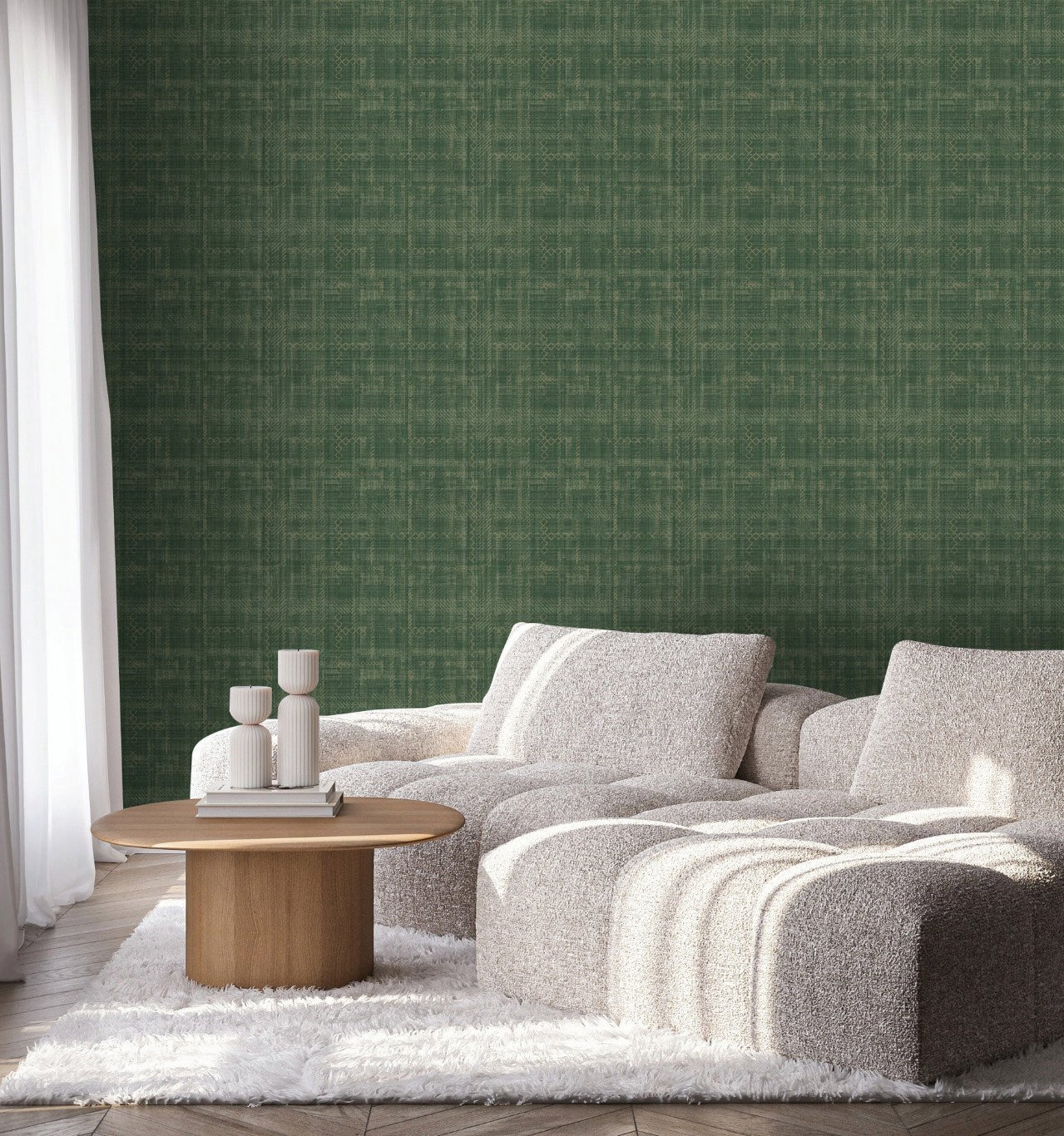
The classic combination: framed panelling on the lower wall, decorative wallpaper above the rail. The panelling grounds the room; the wallpaper — a soft floral, a textured weave, a quiet geometric — adds personality where it catches the eye. In deep greens or dusty blues with a complementary paper, the pairing feels boutique-hotel rather than builder-standard.
This is also the most flexible idea on the list, because either half can change independently: re-paper the top in a weekend while the wainscoting stays. A wainscoting-effect wallcovering below the rail makes even the “panelling” swappable — useful for renters and serial redecorators alike.
The Full Feature Wall Behind the Bed
For a stronger statement, panel the entire bed wall floor to ceiling. Three versions suit Singapore bedrooms particularly well:
- Full-height flutes in pale oak: Vertical lines lift the standard 2.6-metre ceiling and keep the room serene — the Japandi default.
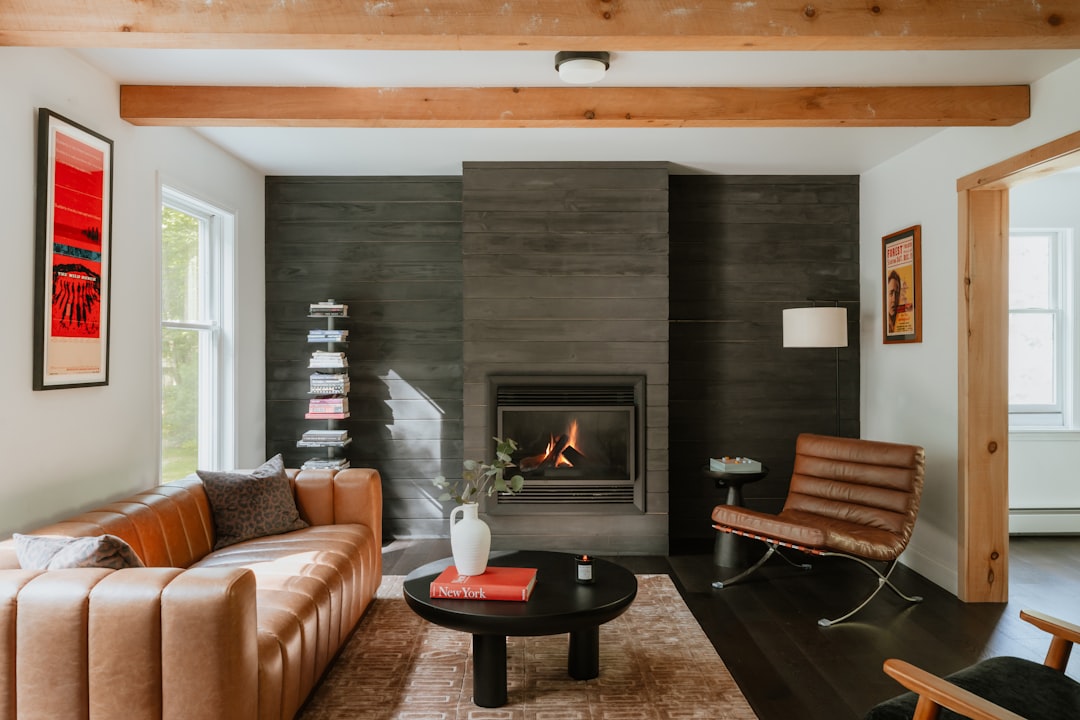
- Framed panels in a moody tone: Charcoal, ink blue, or olive frames wrap the bed in a cocoon-like darkness that photographs beautifully and genuinely aids sleep by cutting glare.
- Shiplap-look boards in white: Horizontal lines for a breezy, coastal calm — effective in smaller rooms that darker schemes would shrink.
Confine the treatment to the bed wall and keep the remaining walls plain. The contrast is what creates the cosiness; panelling all four walls in a compact bedroom tips from cocoon into box. For more compositions, see our roundup of bedroom feature wall ideas.
Colours and Textures That Help You Sleep
Bedroom panelling should calm rather than energise. Muted, low-contrast schemes — warm woods, greiges, desaturated greens and blues — settle the eye, while high-gloss finishes and stark contrasts do the opposite. Matt and softly textured surfaces also handle bedside lamplight better, glowing rather than glaring.
Think about touch as well as sight. Embossed and fabric-textured wallcoverings add a tactile softness that suits the room’s purpose, and vinyl surfaces wipe clean — worth remembering for kids’ bedrooms, where panelling takes more punishment.
Lighting completes the effect. Panelling reads as depth only when light rakes across it, so pair the bed wall with warm bedside lamps or a soft LED strip above the headboard band rather than relying on the ceiling light alone. Warm white in the 2700K range flatters wood tones and painted panels alike, and keeps the wall glowing rather than glaring at the hour it matters most.
Small Bedrooms and Kids’ Rooms
Common bedrooms in HDB flats and compact condo units reward a lighter touch. Headboard-height treatments beat full-height ones here — they add the designed look while keeping most of the wall surface light, which matters when the room is barely wider than the bed. Fine flute patterns and pale painted-panel looks work; broad battens and dark full-wall schemes visibly shrink the space.
Kids’ rooms flip the priorities towards durability and changeability. Panelling at dado height takes the scuffs from beds, toys, and scooters on its toughest section, with a washable surface above. And because children’s tastes change faster than renovation cycles, a wipeable panel-effect wallcovering that can be swapped in a weekend is a far sounder investment than fixed joinery themed around an interest that may not survive the year.
In both cases, coordinate the panelled wall with the wardrobe rather than fighting it. Matching the panelling tone to the wardrobe laminate — or deliberately contrasting a light wardrobe with a warm panelled bed wall — keeps a small room reading as one composition instead of a collection of surfaces.
Practical Considerations: Humidity, Aircon and Maintenance
Bedrooms are the most climate-cycled rooms in a Singapore home: chilled hard by the aircon overnight, then returned to ambient heat and humidity by day. Timber panelling feels that cycle — repeated expansion and contraction is what opens gaps between boards and battens over the years, and the bed wall sits directly in the aircon’s airflow. Sealed finishes and quality fabrication mitigate this, but they are part of why bedroom carpentry quotes should never be the cheapest one you received.
Vinyl and non-woven wallcoverings are indifferent to the cycle, which is one reason panel-effect designs perform so well in this room specifically. Maintenance follows the same logic: grooves in real fluted panelling collect dust at exactly headboard height, where you notice it, while an embossed wallcovering wipes down in one pass.
The No-Carpentry Route
Every idea above translates directly to panel-effect wallpaper: headboard-height flutes, wainscoting frames, full-height panels, and shiplap boards all exist as printed, embossed designs that read convincingly in soft bedroom lighting. The practical advantages are hard to argue with — installed in hours, a fraction of joinery cost, stable in Singapore humidity, and strippable at the end of a tenancy or a trend.
Bedrooms reward this flexibility more than any other room, because bedroom tastes change: the moody cocoon that suits you now may give way to something lighter in a few years, and re-papering costs a weekend rather than a renovation. Our panel-effect wallpaper guide covers the available styles and how to choose between them.
Final Thoughts
Bedroom wall panelling succeeds on restraint: one wall, calm colours, proportions that frame the bed. Whether you build it in timber or hang it as a panel-effect wallcovering, the result is a room that feels deliberately designed — and considerably cosier than paint alone.
Request free samples of panel-effect and wood-effect designs from our Singapore showroom and see how each texture reads under your bedroom lighting.