Fabric & Upholstery
Timber & Wooden Blinds in Singapore: Real Wood vs Faux
Wooden blinds bring a warmth and natural texture that few window treatments can match, which is why they remain a favourite for Singapore living rooms, studies and bedrooms. The term covers more than one product, though, and the material you choose matters enormously in a climate defined by high humidity and strong afternoon sun.
This guide explains what actually counts as a wooden blind, weighs real timber against faux-wood for local conditions, and covers slat sizes, styling, placement and care so you can choose with confidence.
What Counts as a “Wooden Blind” (Timber Venetian, Faux-Wood, Bamboo/Reed)
“Wooden blind” is a loose retail term that groups together several distinct products. Understanding the categories helps you shop accurately and avoid paying premium prices for the wrong material.
- Timber venetian blinds: Horizontal slats cut from real wood — most often basswood — suspended on cords or fabric tapes with a tilt mechanism. This is the classic “wooden blind” and the one most people picture. For a deeper look at venetian slat mechanics and aluminium options, see our venetian blinds guide.
- Faux-wood blinds: Slats moulded from PVC, foam-core polymer or a wood-plastic composite, finished to mimic timber grain. They share the venetian format but swap natural wood for a moisture-resistant substitute.
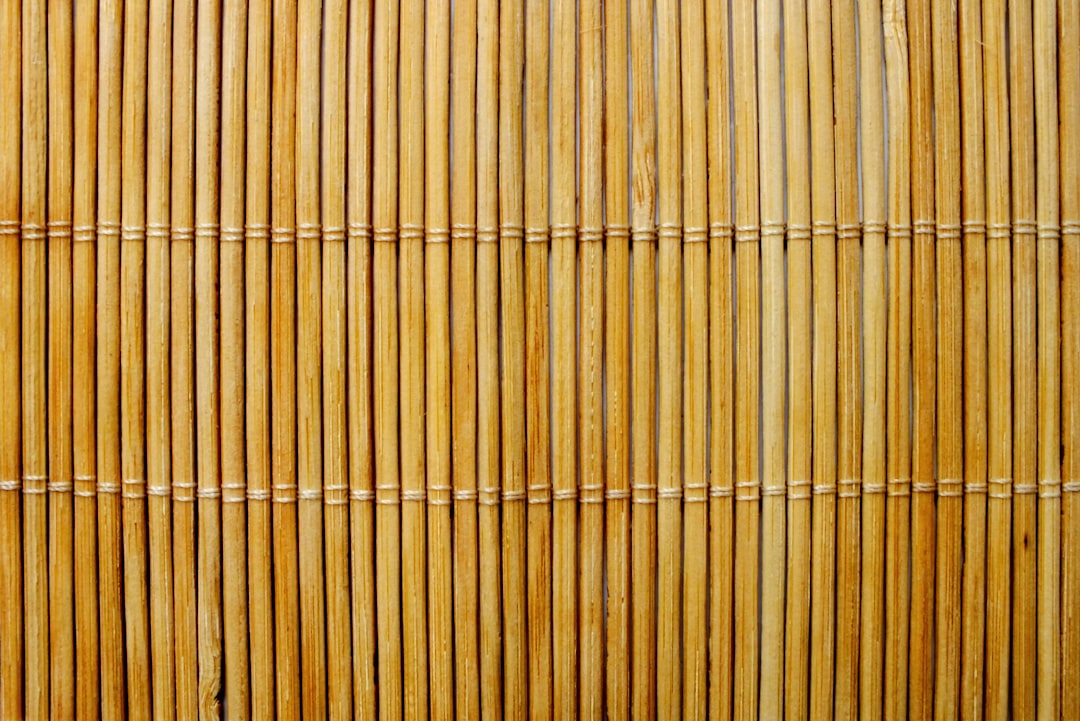
- Bamboo and reed blinds: Natural woven shades made from bamboo slats, reed or grasses, usually operating as a roll-up or Roman-fold rather than tilting slats. They deliver an organic, textured look but function quite differently from venetians.
In short, timber venetian is one sub-type of wooden blind — not the whole category. The decision that trips up most homeowners is real timber versus faux-wood, so that is where we will focus.
Real Timber vs Faux-Wood (PVC/Composite) in a Humid Climate
Both materials produce the same warm, slatted look from across a room. Up close and over time, however, they behave very differently in Singapore’s heat and humidity. Real timber offers unmatched authenticity and a lighter slat weight, while faux-wood trades a little natural character for far greater resilience against moisture.
| Feature | Real Timber | Faux-Wood (PVC/Composite) |
|---|---|---|
| Appearance | Authentic grain, subtle variation | Uniform wood-look print |
| Humidity resistance | Low to moderate — can warp | Excellent — will not warp or swell |
| Weight | Light, easy to lift | Heavier, especially in wide widths |
| Fade resistance | Can lighten under strong UV | Good colour stability |
| Price range | Premium | Affordable to mid-range |
| Best placement | Air-conditioned, shaded rooms | Any room, including wet areas |
The headline trade-off is authenticity versus durability. If a room is consistently air-conditioned and shielded from driving rain, real timber rewards you with genuine grain and a premium feel. If the window sees moisture, direct afternoon sun or an open balcony breeze, faux-wood is the safer long-term investment — it shrugs off the conditions that cause timber to warp, cup and discolour.
Slat Sizes, Stains & Styling
Slat width sets the character of a wooden blind. Both timber and faux-wood are commonly offered in 25mm, 35mm and 50mm slats.
- 25mm slats: A neat, restrained look for smaller windows and compact HDB rooms. They stack tightly when raised and suit minimal interiors.
- 35mm slats: A versatile middle ground that balances view-through with a substantial wooden presence. A safe default for most living and bedroom windows.
- 50mm slats: A bold, resort-style statement for large windows and floor-to-ceiling glazing. Wider slats offer the clearest outward view when tilted open.
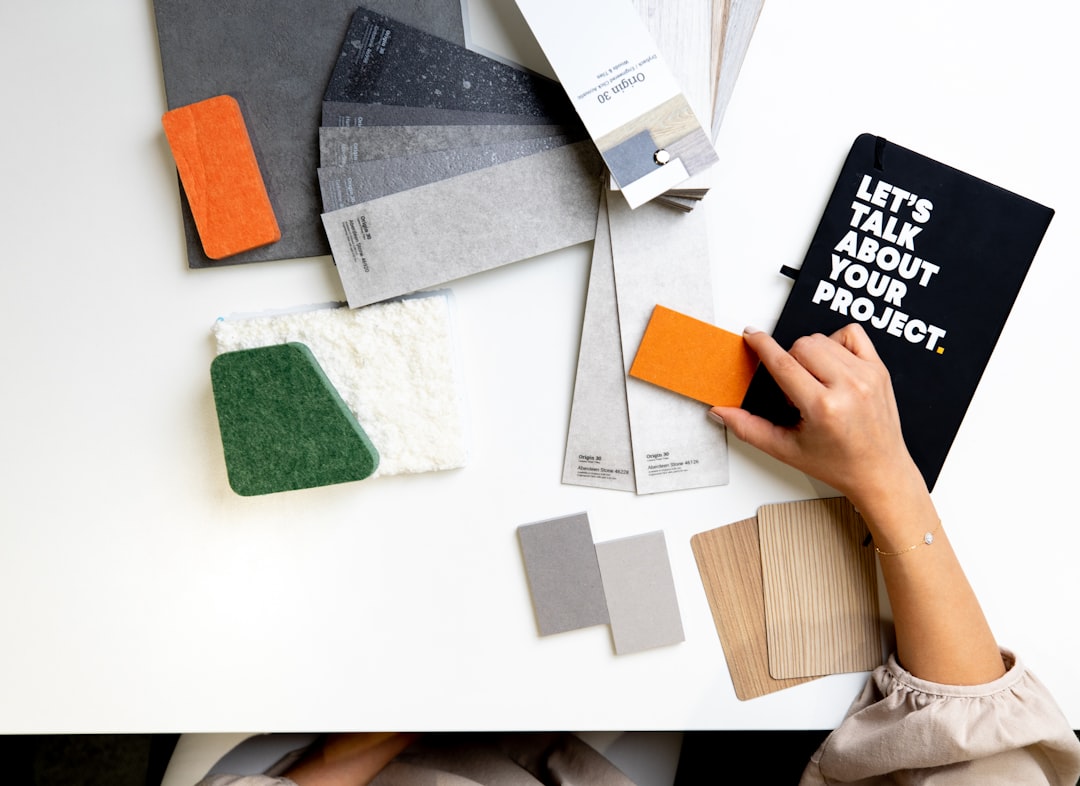
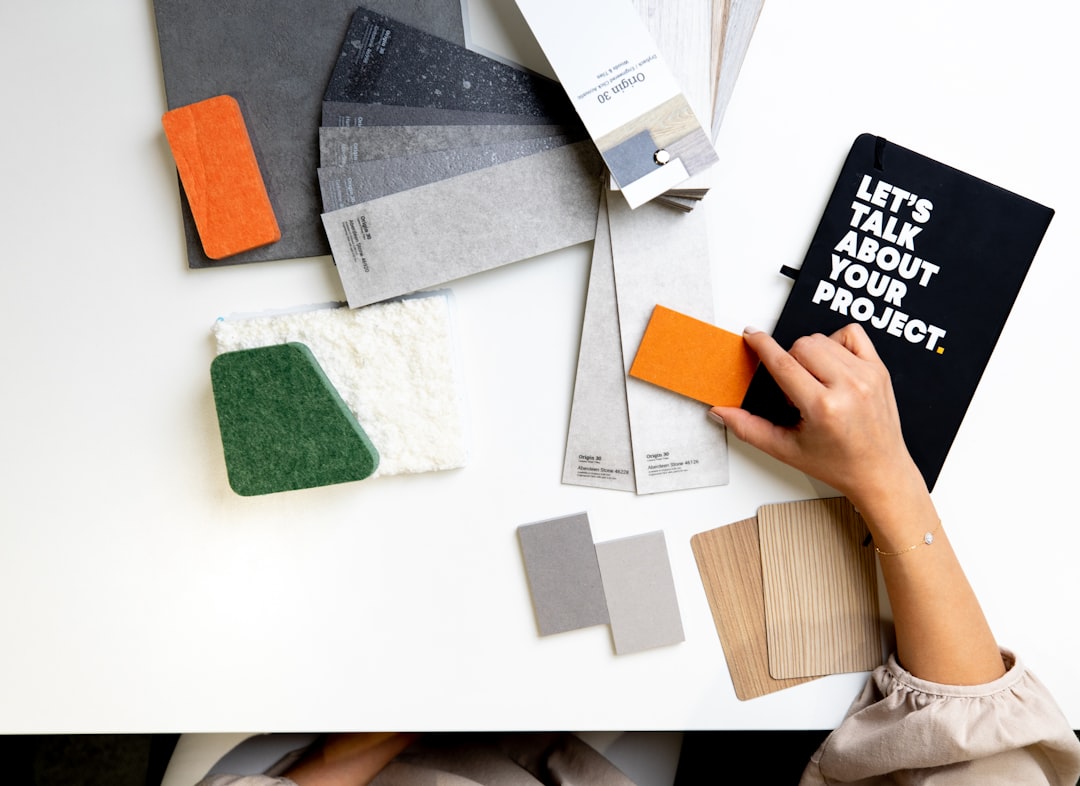
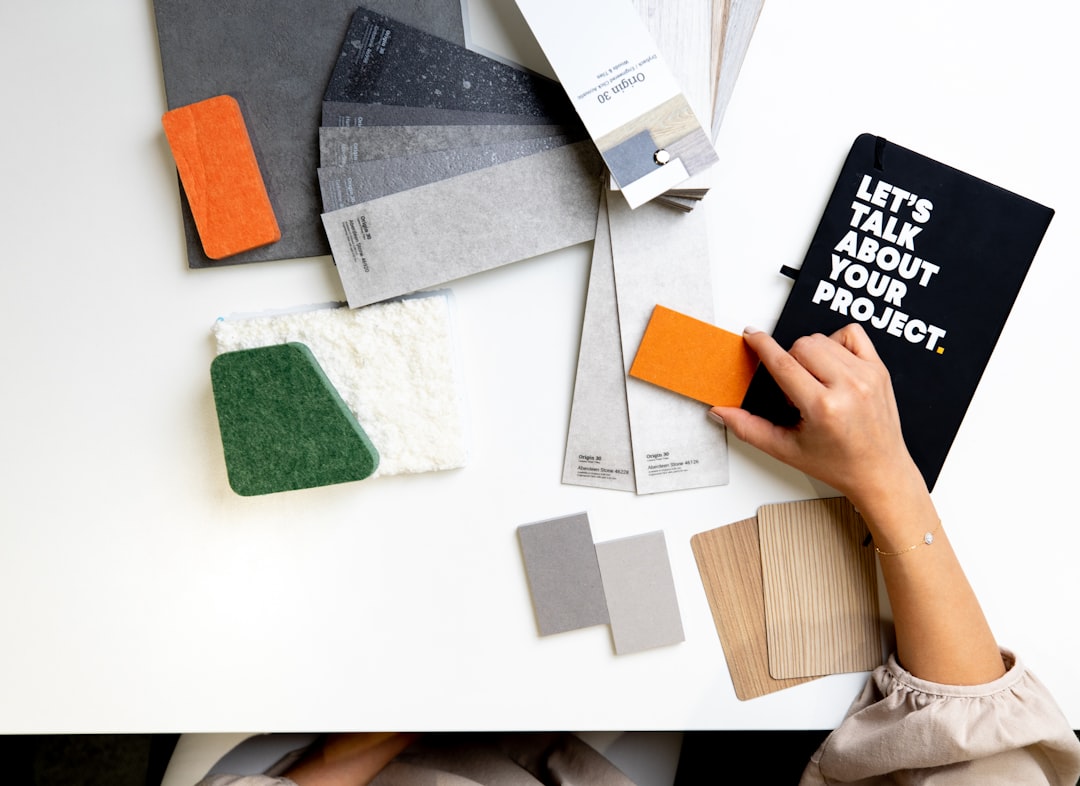
Finish is the other lever. Pale, natural stains — light oak, ash, whitewash — keep a room feeling airy and pair well with Scandinavian and coastal schemes. Mid and dark walnut stains add depth and formality, complementing timber flooring and rich upholstery fabric. Cloth tapes, instead of standard cords, hide the routing holes and give a more tailored, furnished appearance — a small upgrade that lifts the finished look considerably.
Where Wooden Blinds Work (and Where to Avoid Them)
Placement is where the real-wood-versus-faux decision pays off. Matching the material to the room prevents disappointment down the line.
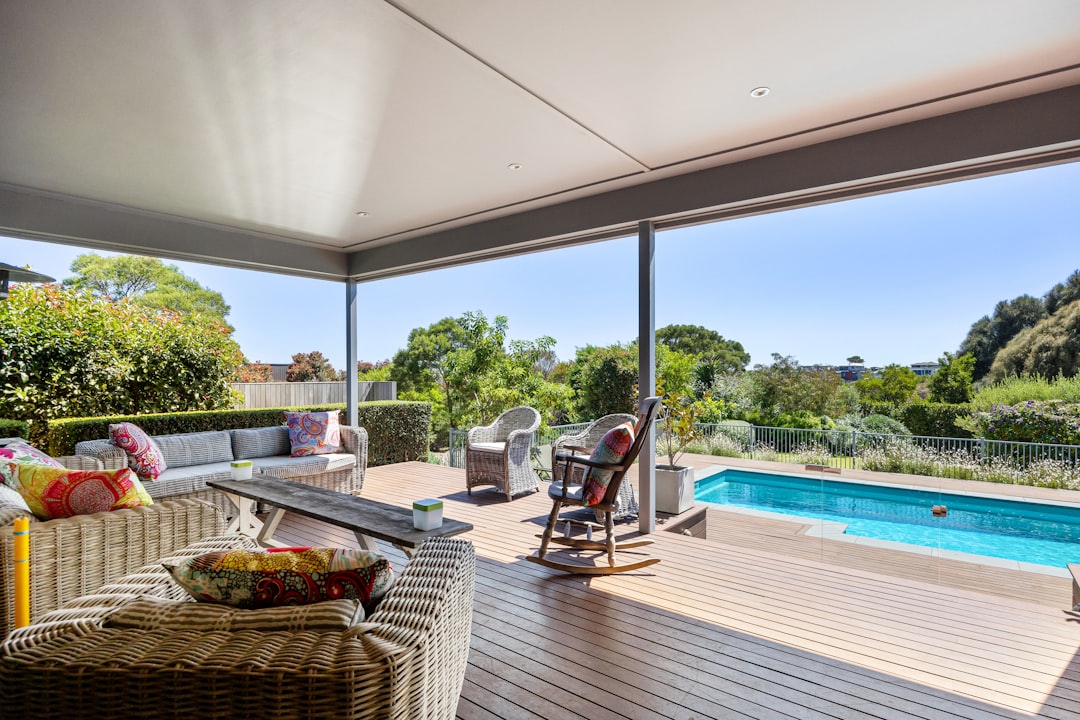
- Living and dining rooms: Ideal for wooden blinds. In air-conditioned, shaded spaces, real timber shines. For rooms with strong western sun, faux-wood resists fading better.
- Bedrooms and studies: A natural fit. Wooden blinds soften light beautifully, though for full darkness you may want to layer with drapery — browse our drapery fabrics for a curtain-and-blind combination.
- Kitchens and bathrooms: Choose faux-wood only. Steam, splashes and humidity will warp real timber quickly in these rooms.
- Balconies, service yards and open windows: Avoid real timber entirely. Rain exposure and swings in humidity make faux-wood the sole sensible option, if a wooden look is used at all.
Unsure which blind type suits a particular window? Our broader window blinds types guide compares the full range side by side.
Care & Warping Prevention
Wooden blinds are low-maintenance, but real timber needs a gentler routine than faux-wood to stay in good condition.
- Regular dusting: Close the slats and run a microfibre cloth or duster along each one, then tilt and repeat on the reverse. Weekly dusting stops grime building up in the grain.
- Timber cleaning: Use a dry or barely damp cloth only. Never soak timber slats, and dry any moisture immediately. An occasional light furniture polish maintains the finish.
- Faux-wood cleaning: These slats tolerate a damp cloth with mild detergent, making them easy to wipe down in kitchens and bathrooms.
- Warping prevention: Run air-conditioning or fans to keep humidity down, and avoid leaving timber blinds pressed shut against a window streaming with condensation. Angle slats open when a room is unused to promote airflow.
- Cord checks: Inspect lift cords periodically for fraying and replace them before they fail.
Wooden Blinds vs Bamboo Blinds
Bamboo and reed blinds are often shelved alongside wooden blinds, but they are a different proposition. Bamboo shades are woven from natural stalks and typically roll up or fold rather than tilt, so they offer a single up-or-down light setting instead of the graduated control of slats.
Aesthetically, bamboo leans rustic, tropical and textural, filtering light into a warm glow rather than blocking it cleanly. Wooden venetian blinds — timber or faux — give crisper lines, precise light control and a more furnished, tailored appearance. Bamboo can also be prone to fading and brittleness under constant sun. Choose bamboo for a relaxed, organic mood in shaded spots; choose wooden venetians when you want adjustable privacy, defined styling and greater durability.
Final Thoughts
Wooden blinds cover a small family of products, and the smart choice starts with matching material to room. Real timber delivers unbeatable natural character in cool, dry, air-conditioned spaces, while faux-wood is the pragmatic all-rounder that withstands Singapore’s humidity, wet areas and harsh sun without warping. Settle the material question first, then let slat width and stain fine-tune the look.
Book an appointment with our design consultants to compare real timber and faux-wood blinds in person and find the right fit for every window.