Articles / Fabric & Upholstery / Wallpaper & Wallcovering
12 July 2023
Neither is better outright; they suit different walls. Paper-backed vinyl is lighter and easier to install and transport, making it ideal for residential and light commercial spaces. Fabric-backed vinyl is thicker and tougher, which suits high-traffic areas and walls with imperfections. Choose based on the wall condition and how heavily the space is used.
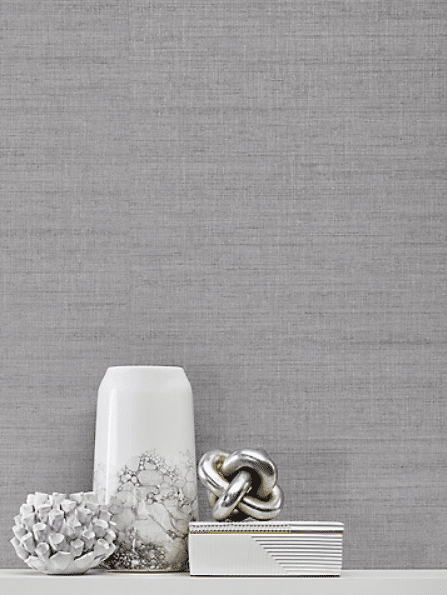
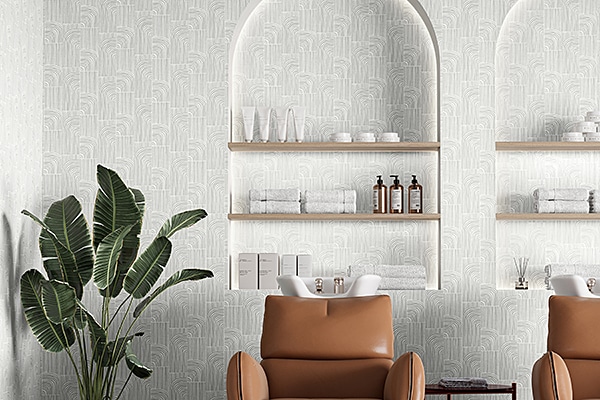
Paper-backed vinyl is available in stylish floral, geometric and texturised patterns, including in the XSELECT 2018-2020 and RESERVE 2018-2020 collections. Because the vinyl face is moisture- and stain-resistant, these designs suit residential and light commercial spaces such as waiting lounges, powder rooms, business centres and meeting rooms.
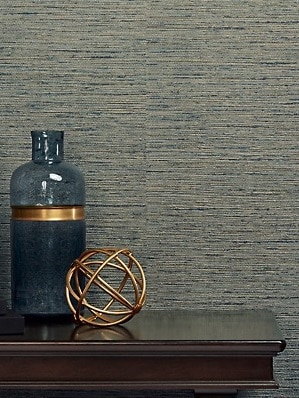
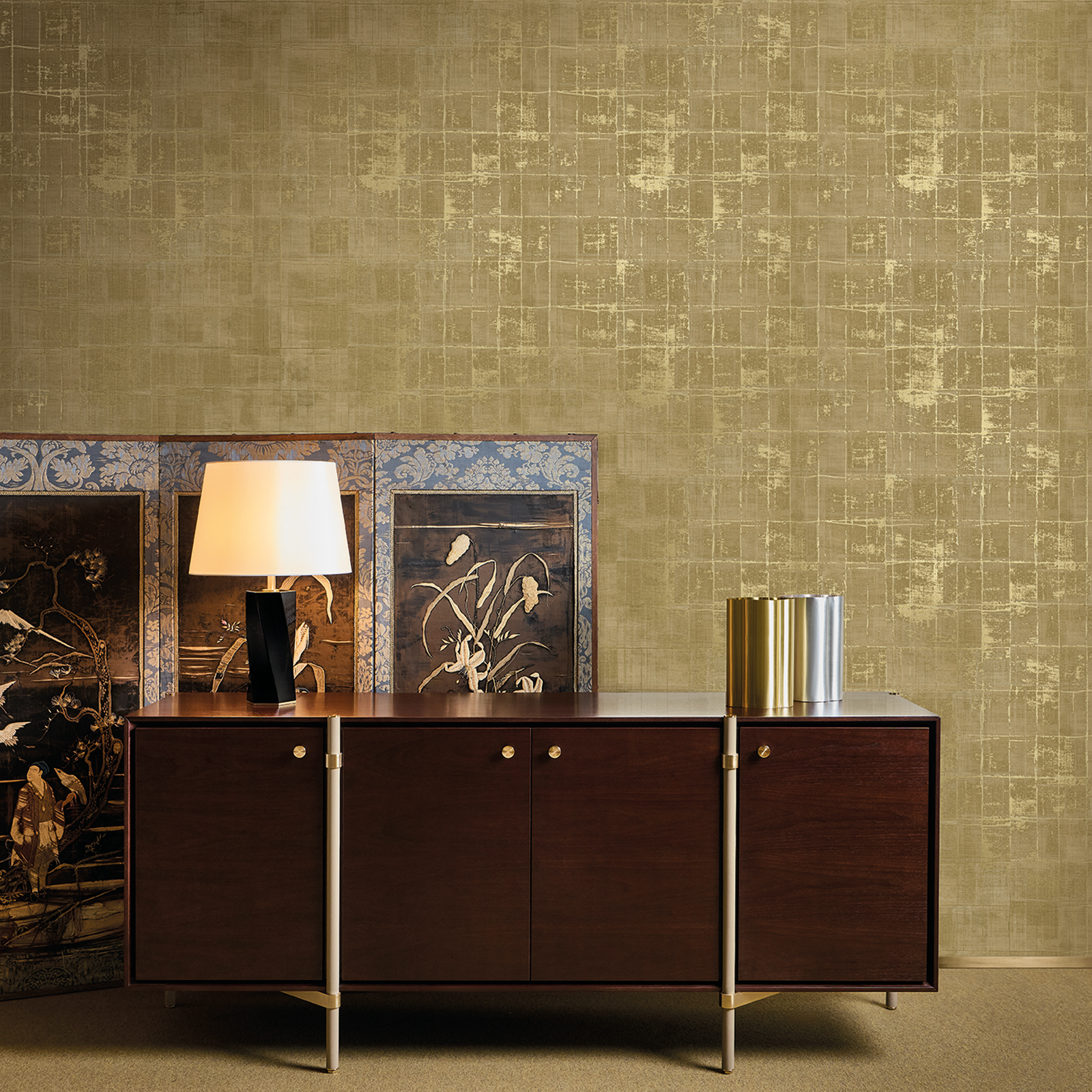
Fabric-backed vinyl suits corridors and other high-traffic areas in public commercial and residential buildings, thanks to its thickness. New fabric-backed collections include Goodrich Premier Wall and Goodrich Wide Wall. For quieter spaces such as waiting lounges, powder rooms, business centres and meeting rooms, paper-backed vinyl is the lighter alternative.
Fabric-backed vinyl is the better choice for walls with many imperfections, because its thickness helps mask them. Walls should still be properly prepared, filled and primed before hanging, since heavy defects can show through any wallcovering. Paper-backed vinyl is thinner and lighter, so it is better kept for reasonably sound walls.
Yes. Fabric-backed vinyl can be peeled away from the wall easily when you want to remove it, which makes it practical when a space is refurbished. Choosing it for high-traffic corridors therefore does not lock the wall into a permanent finish, and a later change of look needs less wall repair.
You can request samples, a product presentation and a quotation from Goodrich Global by emailing info@goodrichglobal.com. Collections to ask about are Goodrich Premier Wall and Goodrich Wide Wall for fabric-backed vinyl, and XSELECT and RESERVE for paper-backed vinyl. Samples let you compare texture, colour and backing thickness.