Articles
12 July 2023
For younger children, carpet or other soft flooring is advisable because they are very active physically. Carpet adds cushioning for play and floor-based activities. Vinyl or other textured flooring is more suited to older students. Goodrich says it tailors materials to the requirements of each setting, so share the age group and activities.
It depends on age and activity. Carpet suits younger children, who are very physically active, by offering a soft surface. Vinyl or other textured flooring is more suited to older students. A safe learning environment needs floors that suit the activities taking place, so match the material to how each room is used.
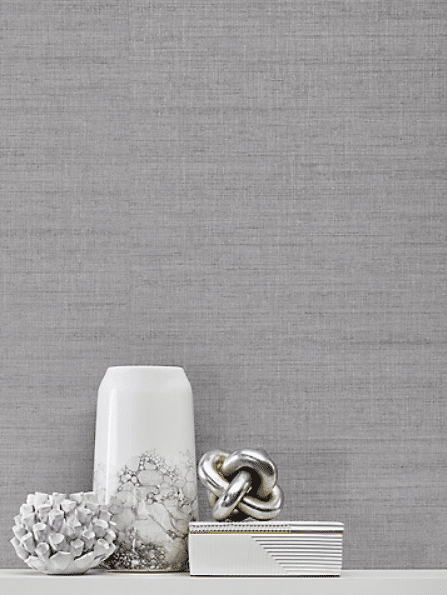
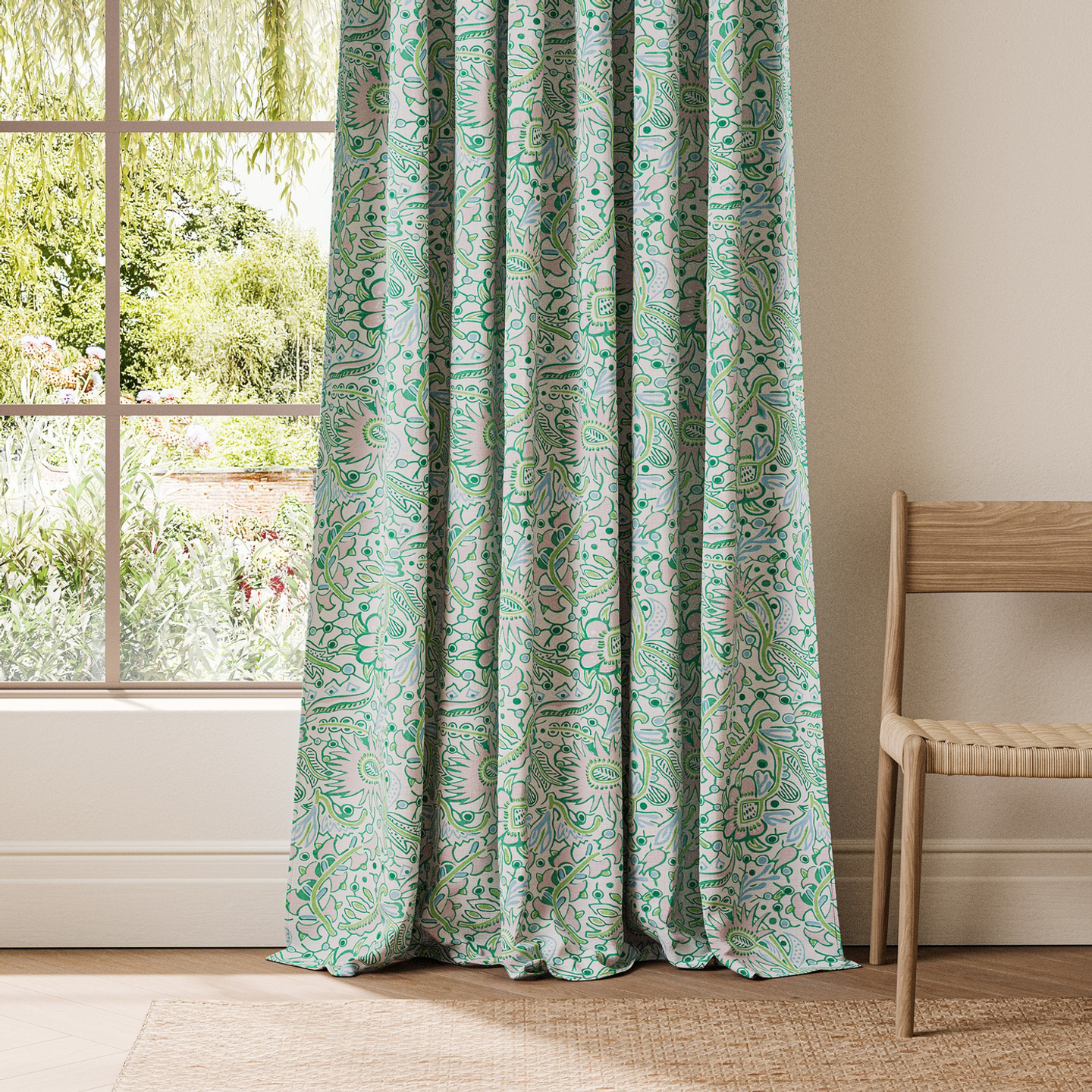
Wallpaper can be designed around the subjects students study and the values schools want to encourage. Personalised decorations and colourful adornments also help motivate creativity. An inviting appearance supports a sense of safety, so students and teachers feel comfortable and relaxed expressing ideas in the room.
Safety is strategic as well as physical: students should feel secure and respected, and rewarded for a job well done. A sense of belonging helps them engage in learning, and it makes each student feel safe to ask questions and take part. Educators benefit too, because the space feels respectful for everyone.
Allow room for physical movement and interaction. If space is limited, students can pull their desks together to form a larger area for group work. Activities can also be moved outdoors, for example to an outdoor decking area, so learning is not limited to the classroom walls.
Start by understanding the needs of the whole establishment before planning: age groups, activities and the kind of safety each space needs. Goodrich says it can provide for the specific needs of a setting and tailor-fits materials to the requirements essential to that setting, for example soft flooring for younger children and textured vinyl for older ones.