Articles / Wallpaper & Wallcovering
12 July 2023
If the walls are prepared well, wallpapering can be the faster option, giving a good overall finish and edges. Paint typically needs a minimum of three coats, so the process can last up to three days, and application can be messy, with stains on furniture and floors.
Choose paint if you need a specific shade that may not be easy to find in wallpapers, when time and skilled labour are not an issue, or if kids and pets might accidentally tear wallpaper, since painted surfaces can be wiped clean. Modern paint solutions also last long and are washable.
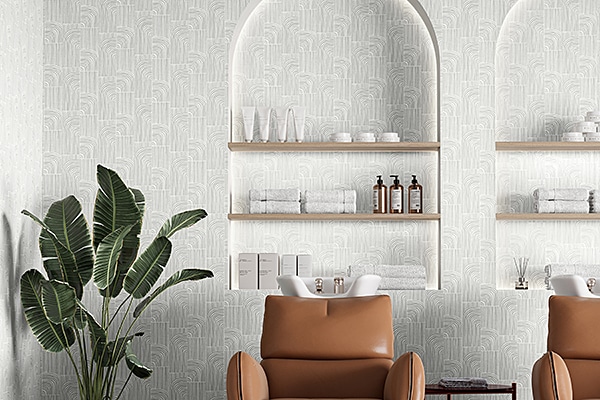
Wallpaper suits highlighting one or two walls or specific areas, fixing up a rented home, rooms with minimal humidity or moisture, and quick makeovers of damaged walls. It also suits people who are sensitive to the smell of paint. Its range includes vinyl, paper-backed, non-woven, fabric and digital print.
A wall protection film can be applied over wallpaper to guard against fading in sunlight, scratches and tears. Damaged portions can also be replaced using a leftover roll, so keep spare material after installation. Colour accuracy is rarely a surprise, since what you see on the sample is what you get.
Yes. Walls need to be sanded, plastered and finished with a coat of primer whether you paint or wallpaper, and any existing wallpaper must be stripped carefully without damaging the wall. Once the wall is prepared, wallpaper can be applied quickly with the right skills and tools, while paint needs a minimum of three coats.
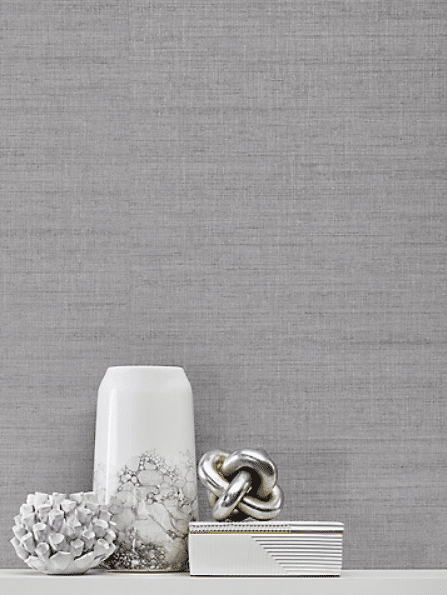
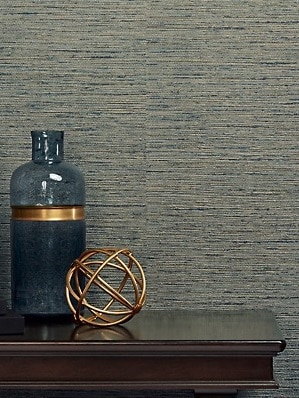
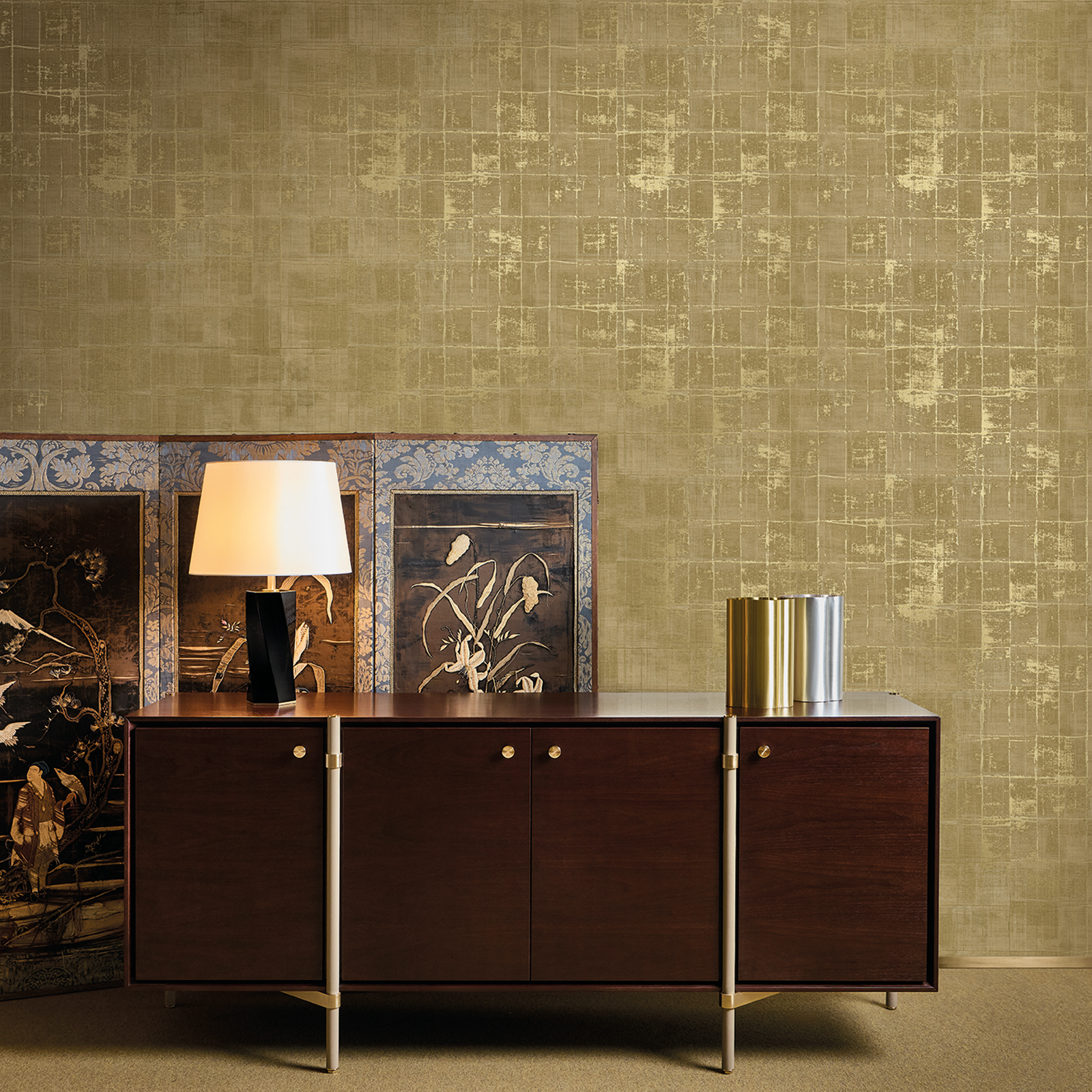
Wallpaper comes in vinyl, paper-backed, non-woven, fabric and digital print, with effects such as pearlescent finish, glitter, raised inks, suede, beads, metallics, embossed silk textures and natural grasscloth. Paint is available in matte, gloss and sheen finishes, so wallpaper offers a wider range of texture and pattern.