Interior Design
3-Room HDB Design Ideas: Maximising a Compact Flat
Making the Most of a 3-Room HDB Flat
A 3-room HDB flat is one of Singapore’s most popular housing options for young couples, singles, and small families. With a typical floor area of 60 to 68 square metres, these flats offer a living and dining area, a kitchen, two bedrooms, and one or two bathrooms. While compact, a well-designed 3-room flat can feel surprisingly spacious and comfortable.
The key to successful 3-room HDB design lies in disciplined space planning. Every square metre must earn its place, and every design decision should serve both form and function. This does not mean the flat has to feel minimalist or spartan — rather, it calls for creative solutions that maximise utility without sacrificing style.
New BTO 3-room flats come with an open layout that gives homeowners flexibility in configuring the space. Resale flats, on the other hand, may have existing walls and partitions that can potentially be removed to open up the floor plan, subject to HDB’s renovation guidelines.
Open-Plan Living and Dining
In a 3-room flat, combining the living and dining areas into a single open space is almost always the right approach. Removing the visual barrier between these zones creates a sense of openness that makes the flat feel larger than its actual footprint.
Use flooring to define different zones within the open plan. A consistent luxury vinyl flooring throughout the living and dining areas provides visual continuity, while a different material or a change in laying direction can subtly delineate the kitchen zone.
Furniture selection is critical in a compact space. Choose pieces that are appropriately scaled — an oversized sofa will dominate the room and restrict movement. Consider a loveseat or a compact L-shaped sofa that fits snugly against the wall. A round or oval dining table takes up less visual space than a rectangular one and allows easier circulation.
Multi-functional furniture is a practical ally in 3-room HDB design. An extendable dining table can accommodate guests when needed, a storage ottoman doubles as seating, and a bench with hidden compartments provides both a seat and a home for seldom-used items.
Kitchen Strategies for Compact Flats
The kitchen in a 3-room flat is typically small but can be highly efficient with the right layout. The galley or L-shaped configuration works best in these dimensions, placing everything within easy reach.
Consider whether an open or semi-open kitchen suits your lifestyle. An open kitchen integrates visually with the living and dining area, making the entire flat feel more spacious. However, if you cook frequently with high-heat methods, a glass partition or sliding door can contain cooking odours while maintaining visual openness.
Upper and lower cabinetry should extend to the ceiling to maximise storage. Use the highest shelves for items accessed infrequently, such as festive cookware or baking equipment. Pull-out drawer organisers, corner carousels, and narrow pull-out pantry units make the most of every centimetre.
For flooring, choose a material that handles moisture and spills with ease. Luxury vinyl tiles are particularly well-suited to kitchen environments, offering water resistance, durability, and easy maintenance in one package.
Bedroom Design for Two Rooms
In a 3-room flat, the two bedrooms must serve multiple purposes. The master bedroom is typically reserved for sleeping and personal storage, while the second bedroom often doubles as a study, guest room, or nursery.
The master bedroom, usually around 10 to 12 square metres, benefits from a platform bed with built-in drawers underneath. This eliminates the need for a separate chest of drawers, freeing up floor space. A full-height wardrobe along one wall provides ample clothing storage without intruding into the room.
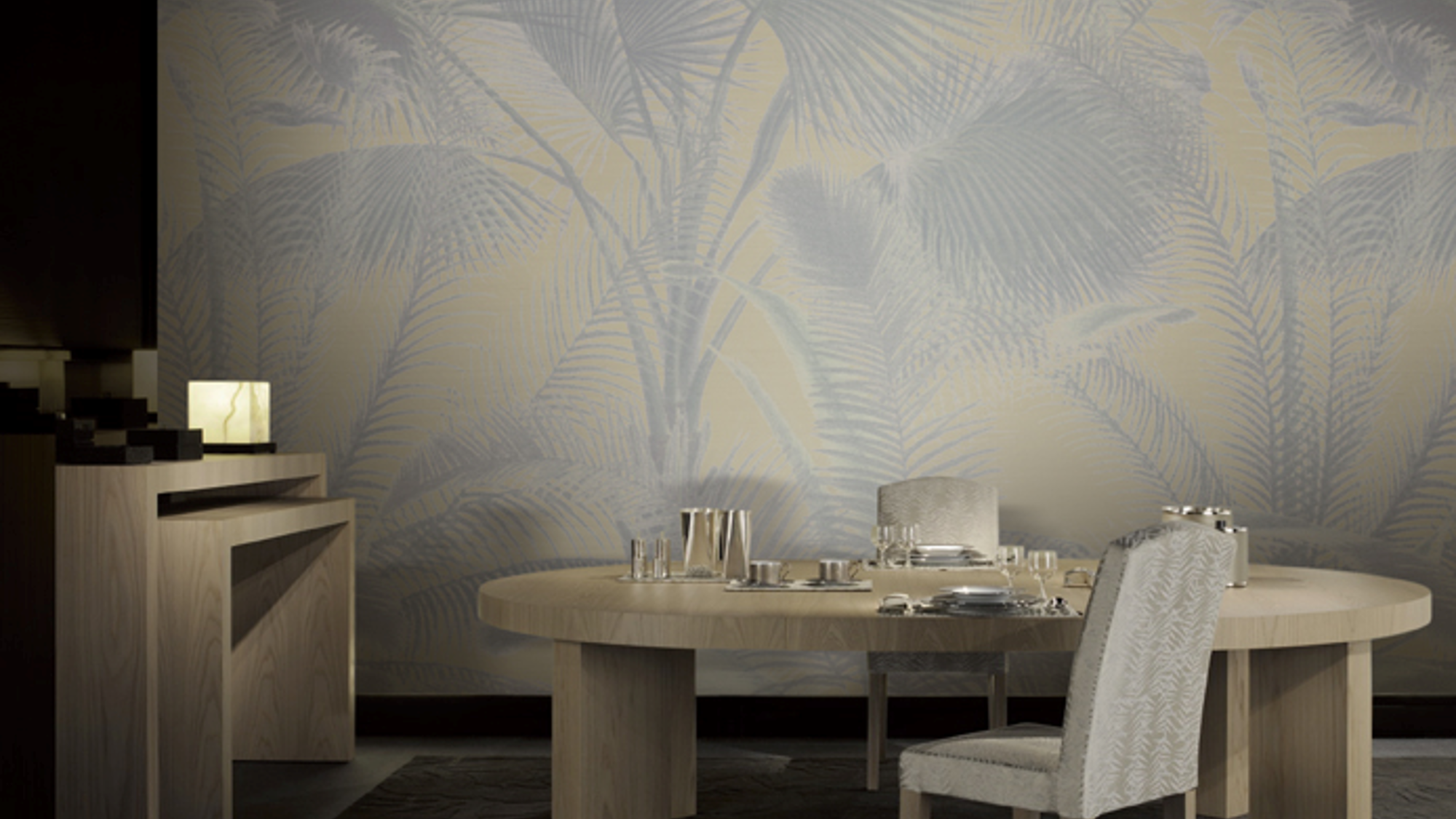
Wall treatments can add depth and character to a small bedroom. A feature wallpaper behind the headboard creates a focal point and gives the room personality. Opt for lighter tones and subtle patterns in a compact space — bold, dark designs can make a small room feel even smaller.
The second bedroom demands maximum flexibility. If it serves as a study by day and a guest room occasionally, consider a Murphy bed or a sofa bed that folds away. A wall-mounted desk that folds down when needed preserves floor space when the room is used for sleeping.
Flooring in the bedrooms should prioritise comfort. Carpet offers softness and warmth underfoot, while luxury vinyl with an underlay provides a quieter, more comfortable surface than bare tiles.
Storage Solutions That Work
In a 3-room flat, clever storage is not a luxury — it is a necessity. The limited floor area means that storage must be integrated into the architecture of the home rather than added as freestanding pieces.
Consider these storage strategies for compact HDB flats:
- Full-height built-in wardrobes in both bedrooms, utilising every centimetre from floor to ceiling
- A storage wall in the living area that combines the television console, display shelving, and enclosed cabinets
- Overhead cabinets above doorways and along corridors for items used infrequently
- A platform bed with drawers or a lift-up base for bedding, luggage, and seasonal items
- Built-in shoe cabinets at the entrance, keeping the doorway clear and organised
- Under-seat storage in dining benches or window seats
The household shelter, present in newer BTO flats, can serve as a utility closet, small pantry, or additional wardrobe space. Fit it with adjustable shelving to accommodate changing storage needs.
Colour, Light and Material Choices
The colour palette in a 3-room flat should lean towards lighter tones that reflect natural light and create a sense of openness. Whites, off-whites, pale greys, and soft wood tones form an excellent foundation. Accents of colour can be introduced through cushions, artwork, and small decorative objects.
Natural light is precious in a compact flat. Keep window areas clear of heavy furniture and use sheer curtains that filter light without blocking it. If privacy is a concern, day-and-night blinds offer adjustable control without sacrificing brightness.
Flooring material has a significant impact on how spacious the flat feels. Larger format tiles or longer planks create fewer visual breaks across the floor, making the space appear bigger. A consistent floor material running from the entrance through to the living area reinforces this effect.
Mirrors placed strategically — opposite windows or at the end of corridors — can visually double the perceived space. A mirrored wardrobe door in the bedroom serves a practical purpose while making the room feel more generous.
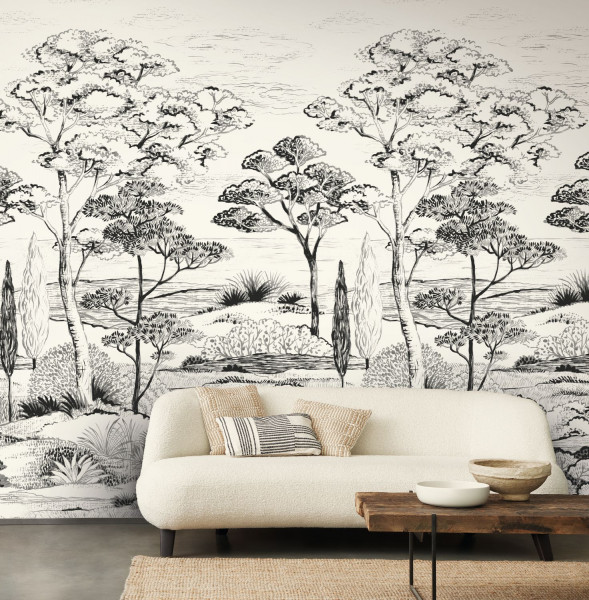
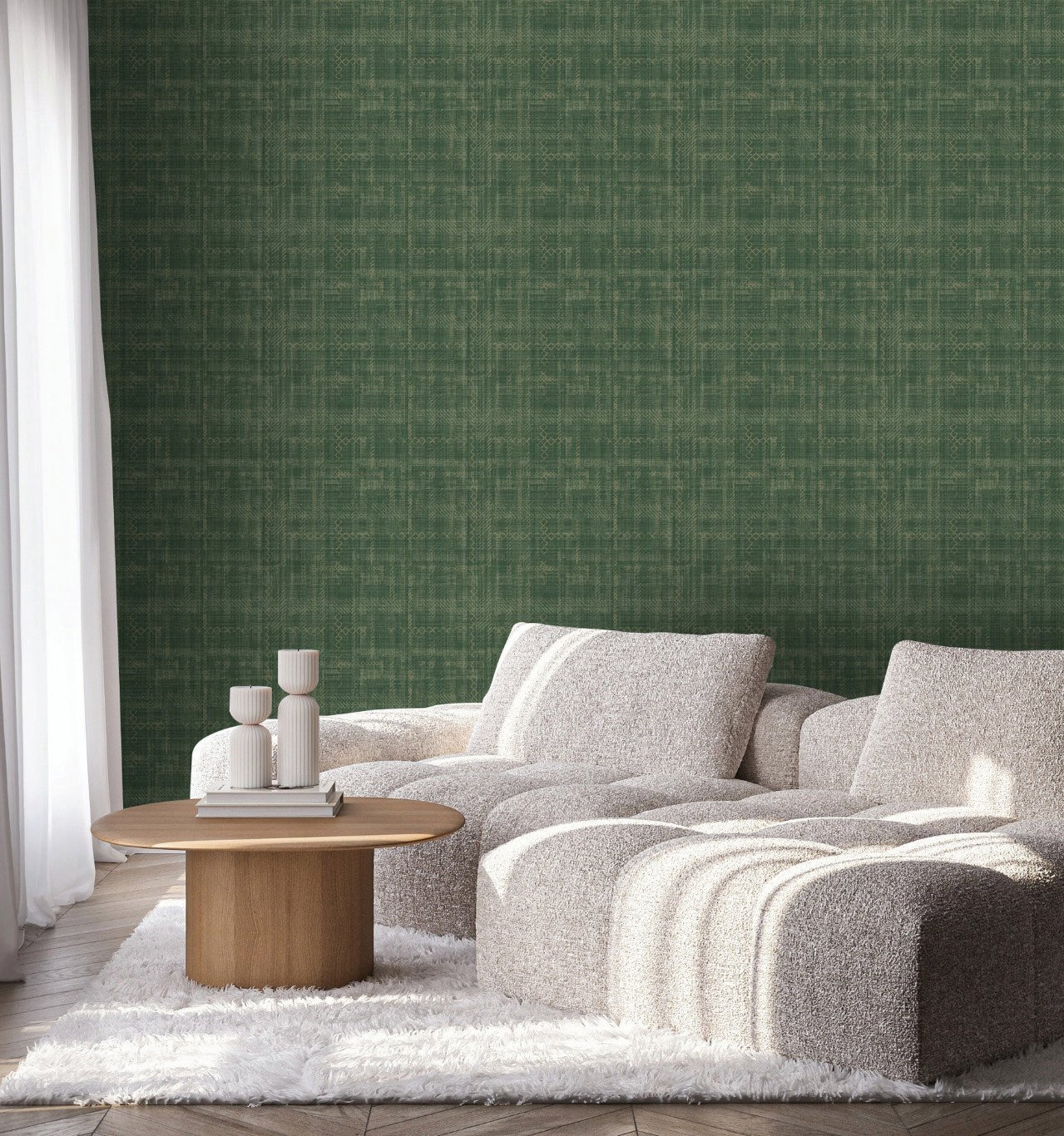
Wall treatments can add visual depth without consuming any floor space. A textured wallpaper in a subtle pattern — such as a fine linen texture or a gentle geometric — adds dimension and interest to the living room or bedroom without making the space feel cluttered. Avoid overly bold patterns in small rooms, as they can feel overwhelming in tight quarters.
When selecting materials for a compact flat, prioritise versatility and ease of maintenance. Families in 3-room flats often live at close quarters, meaning surfaces are touched, bumped, and cleaned more frequently. Durable, washable finishes throughout the home reduce the effort required to keep things looking presentable. Vinyl flooring, scrubbable wallcoverings, and stain-resistant fabrics are all sensible choices for compact living.
Visit the Goodrich Gallery to see our full collection. Book an appointment with our design consultants to find the perfect finishes for your 3-room HDB flat.