Interior Design
Allergy-Friendly Interior Design: Reducing Allergens at Home
Why Allergens Thrive in Singapore Homes
Singapore’s warm, humid climate creates ideal conditions for dust mites, mould spores and other common allergens. With indoor humidity levels regularly exceeding 70 per cent, even well-maintained homes can harbour allergen colonies in carpets, curtains, upholstery and soft furnishings.
For the many Singaporeans who suffer from allergic rhinitis, asthma or eczema, the home environment plays a critical role in symptom management. Thoughtful interior design choices — from flooring materials to fabric selections — can significantly reduce allergen levels and improve daily comfort for sensitive individuals.
Flooring Choices for Allergy Sufferers
Your floor is the largest horizontal surface in your home and a major factor in allergen accumulation. The right flooring choice can make a substantial difference.
Luxury vinyl flooring is one of the best options for allergy-prone households. Its smooth, non-porous surface does not trap dust mites, pet dander or pollen the way fibrous materials can. Allergens sit on the surface where they can be easily removed with regular damp mopping. Luxury vinyl tiles also resist mould growth, an important consideration in Singapore’s humidity.
Porcelain and ceramic tiles share similar advantages — smooth, easy to clean and inhospitable to dust mites. However, grout lines can harbour mould if not properly maintained, particularly in damp areas.
Wall-to-wall carpet is generally the least suitable option for allergy sufferers. The dense fibres trap dust mites, pet dander, pollen and mould spores deep within the pile where regular vacuuming cannot reach them. If you prefer the softness of carpet in bedrooms, consider using washable area rugs that can be removed and laundered regularly instead of fitted carpet.
For families who want some carpet in their home, low-pile carpet tiles that can be individually removed for deep cleaning are a reasonable compromise. However, for bedrooms occupied by allergy sufferers, hard flooring with a washable rug remains the recommended approach.
Wall Finishes and Treatments
Walls are often overlooked in allergy management, yet they can contribute to the allergen load in your home.
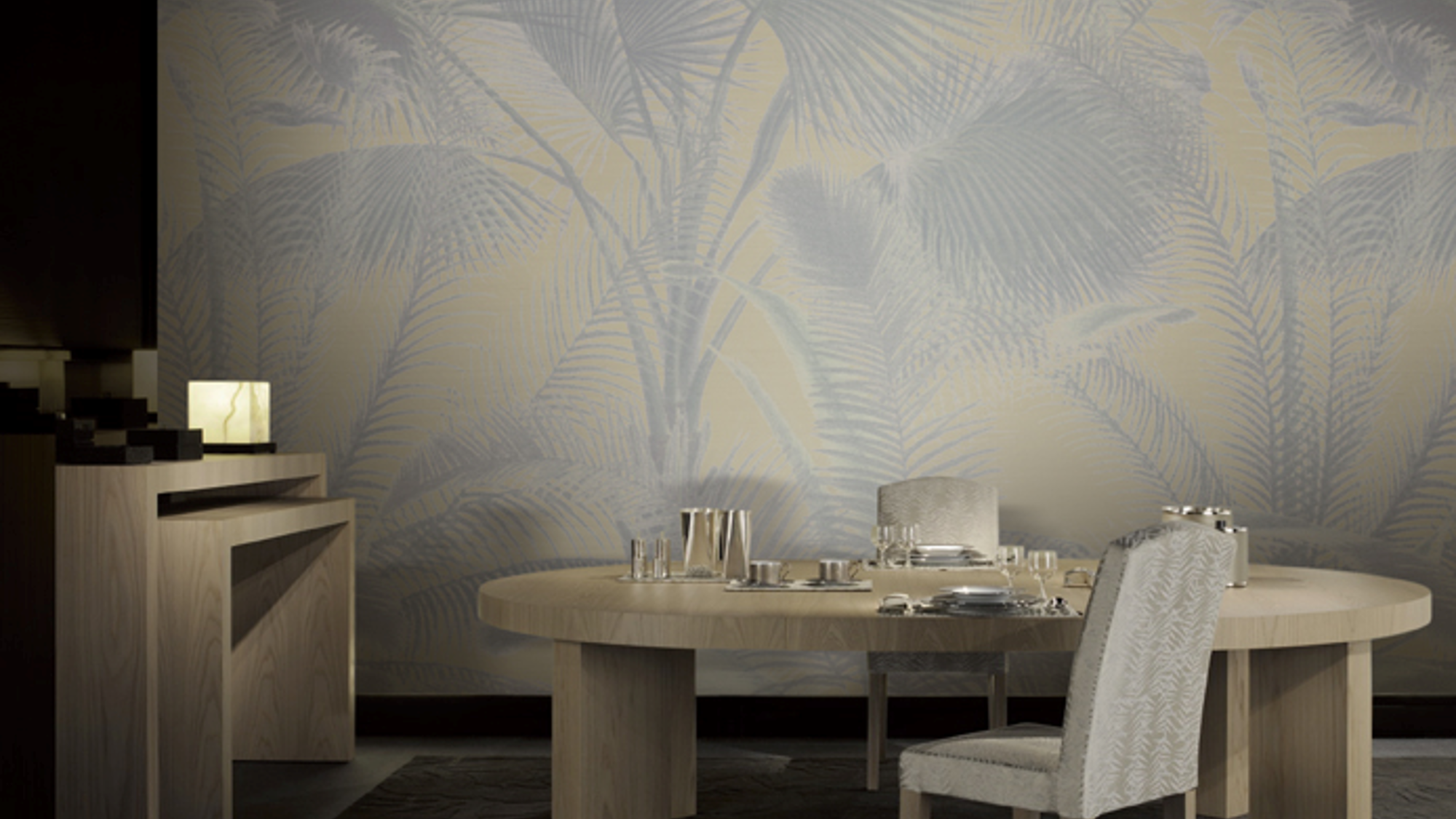
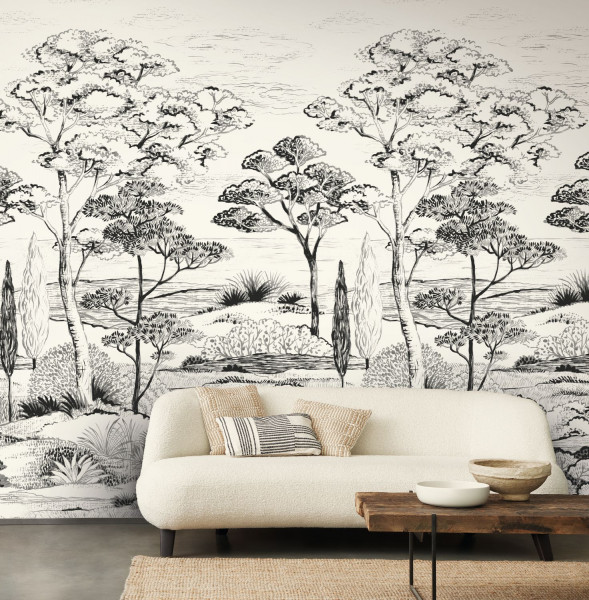
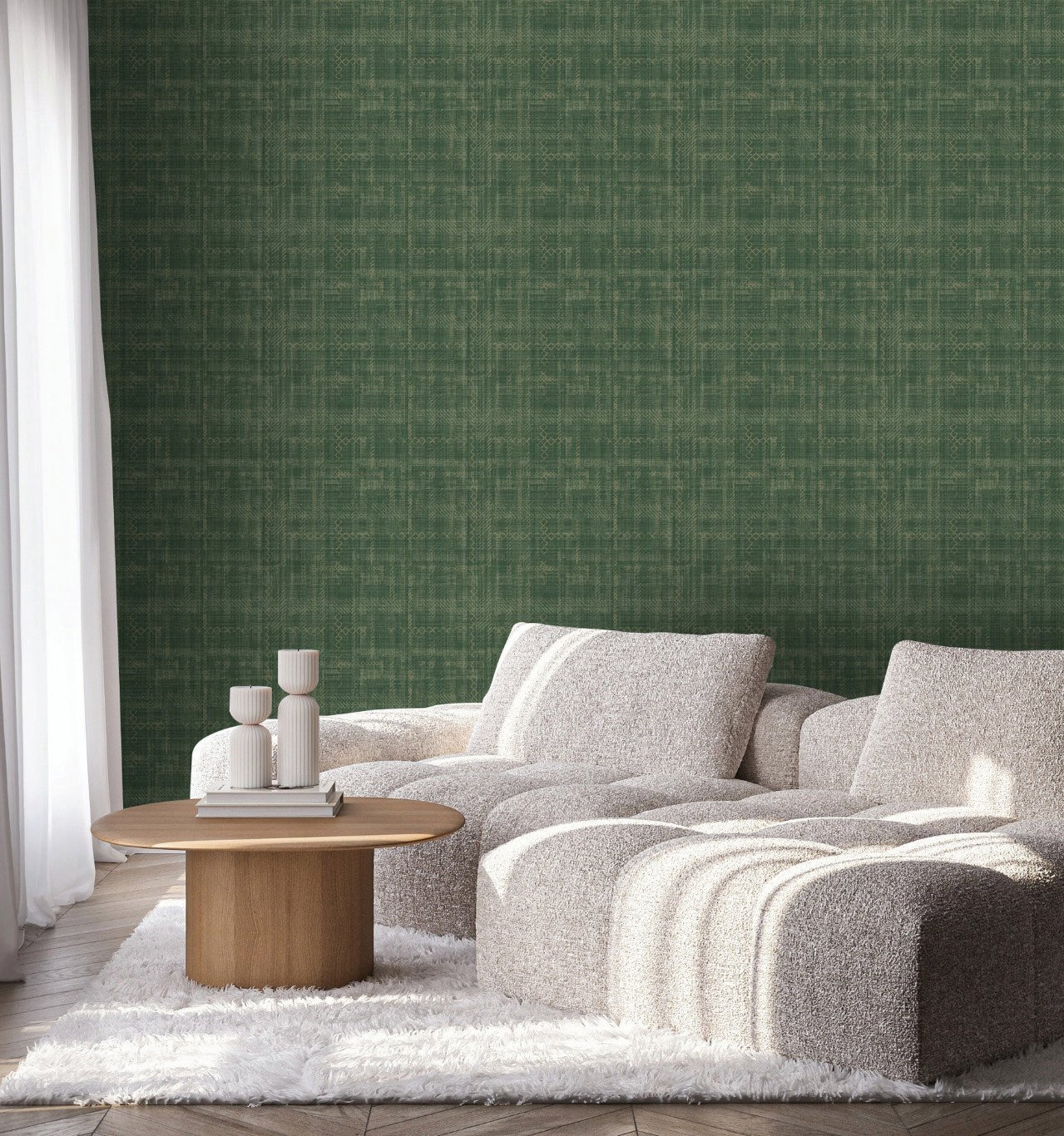
Smooth, wipeable wall finishes are preferable to textured surfaces that trap dust. Vinyl wallpapers and wall coverings with smooth or lightly textured surfaces can be wiped down with a damp cloth, making them easier to maintain than painted walls with rough or matte finishes that collect dust.
When choosing wallpaper for an allergy-friendly home, consider these guidelines:
- Opt for vinyl-coated or solid vinyl wallpapers that can be wiped clean
- Avoid heavily textured or flocked wallpapers that trap dust
- Ensure the wallpaper adhesive is mould-resistant, especially in humid rooms
- Choose moisture-resistant options for areas prone to condensation
Paint is another viable option for allergy-friendly walls. If you paint, choose low-VOC or zero-VOC formulations to avoid introducing chemical irritants. Semi-gloss or satin finishes are easier to wipe clean than flat or matte finishes.
Curtains and Window Treatments
Traditional heavy curtains can be significant allergen reservoirs. They collect dust, pollen and mould spores over time and are infrequently washed in most households. For allergy sufferers, rethinking your window treatments can yield meaningful improvements.
Consider these allergy-friendly approaches:
- Machine-washable curtains: Choose curtain fabrics that can be machine-washed at 60 degrees Celsius or higher. This temperature kills dust mites. Wash curtains every four to six weeks during peak allergy seasons.
- Roller blinds: Smooth-surfaced roller blinds collect less dust than fabric curtains and can be easily wiped down with a damp cloth.
- Lightweight sheers: If you prefer curtains, lightweight sheer fabrics are easier to wash frequently and accumulate less dust than heavy drapery.
Whichever window treatment you choose, regular cleaning is essential. Even the most allergy-friendly curtain will accumulate allergens if left unwashed for months.
Furniture and Upholstery
Upholstered furniture is another common allergen harbour. Fabric sofas, cushions and padded headboards all provide surfaces where dust mites and pet dander accumulate.
For allergy-prone households, consider these strategies:
- Choose upholstery fabrics with tight weaves that resist dust penetration
- Select removable, washable cushion covers where possible
- Consider leather or faux leather sofas, which are easy to wipe clean
- Use allergen-proof covers on mattresses and pillows
- Avoid heavily tufted or textured upholstery that traps particles
Regular vacuuming of upholstered furniture with a HEPA-filter vacuum cleaner is important regardless of fabric choice. Focus on crevices, seams and the underside of cushions where allergens accumulate.
Room-by-Room Allergy Management
Each room in your home presents different challenges and opportunities for allergen reduction.
Bedroom: This is the most critical room for allergy management, as you spend six to eight hours here daily in close contact with bedding and furnishings. Use vinyl or hard flooring, washable curtains, allergen-proof bedding covers and minimal soft furnishings. Keep the room well-ventilated and maintain consistent air-conditioning to control humidity.
Living room: Choose easy-clean flooring, wipeable wall finishes and tightly woven upholstery. If you use an area rug, ensure it is small enough to be taken outside for regular beating and airing. Minimise decorative cushions and soft toys that collect dust.
Children’s room: Young children are often the most affected by indoor allergens. Follow the same principles as the bedroom, with added emphasis on washable soft toys (freeze plush toys overnight to kill dust mites, then wash), easy-clean storage solutions and smooth-surfaced furniture.
Kitchen and bathroom: Focus on mould prevention in these moisture-heavy areas. Ensure adequate ventilation, use mould-resistant finishes and wipe down surfaces regularly. Extractor fans in bathrooms and range hoods in kitchens are essential for removing excess moisture.
Air Quality and Ventilation
Indoor air quality is closely linked to allergen levels. In Singapore’s climate, managing the balance between ventilation and humidity control is particularly important.
Air purifiers with HEPA filters can capture airborne allergens including dust mite particles, pollen and pet dander. Position them in rooms where allergy sufferers spend the most time — typically the bedroom and living room. Choose models rated for the room size to ensure effective filtration.
Air-conditioning plays a dual role. It controls humidity, which inhibits dust mite reproduction, and it filters air through the unit’s built-in filters. However, aircon filters themselves must be cleaned regularly — dirty filters can circulate allergens rather than removing them. Schedule professional aircon servicing every three to four months and clean accessible filters monthly.
When outdoor air quality is good and humidity is low, open windows to allow cross-ventilation. Fresh air exchange dilutes indoor allergen concentrations and reduces stuffiness. However, close windows during periods of high outdoor pollen counts or when nearby construction generates dust.
Everyday Habits That Help
Interior design choices create the foundation, but daily habits maintain a low-allergen environment. These practices complement your material choices.
- Damp-mop hard floors at least twice a week instead of dry sweeping, which can redistribute allergens into the air
- Vacuum soft furnishings weekly with a HEPA-filter vacuum
- Wash bedding in hot water (60 degrees Celsius) weekly
- Maintain indoor humidity between 40 and 60 per cent using air-conditioning or a dehumidifier
- Open windows during dry, breezy periods to ventilate your home
- Remove shoes at the door to prevent outdoor allergens from entering
Creating an allergy-friendly home does not mean sacrificing style. Modern vinyl flooring, wipeable wallpapers and washable fabrics come in an extensive range of designs that look beautiful while actively supporting a healthier living environment.
Ready to explore allergy-friendly interior materials? Browse our e-catalogue for the latest designs and find finishes that combine health-conscious performance with the aesthetic you want for your home.