Articles / Interior Design / Wallpaper & Wallcovering
Beyond Aesthetics: The Role of Custom Mural Wallpaper in Singapore’s Modern Spaces

Introduction: Why Walls Matter More Than Ever in Interior Design
In contemporary interior environments, walls are no longer treated as passive backdrops. They influence how spaces are experienced, navigated, and remembered. As expectations for design sophistication increase across commercial, hospitality, healthcare, and institutional settings, wall surfaces are taking on a more strategic role in shaping identity and user experience. Within this shift, custom mural wallpaper has emerged as a solution for spaces that require both visual distinction and contextual relevance.
Standard wall finishes often struggle to communicate purpose or character, particularly in large or highly programmed interiors. They can feel generic and disconnected from how spaces are actually used. By contrast, custom murals allow walls to carry narrative, reinforce spatial intent, and support wayfinding through scale and imagery.
Approaching walls as design assets rather than decoration requires intent and precision. Custom mural wallpaper reflects this approach by enabling tailored visual expression that aligns with the functional, cultural, and operational demands of modern interior environments.
The Rise of Customisation in Commercial and Institutional Spaces
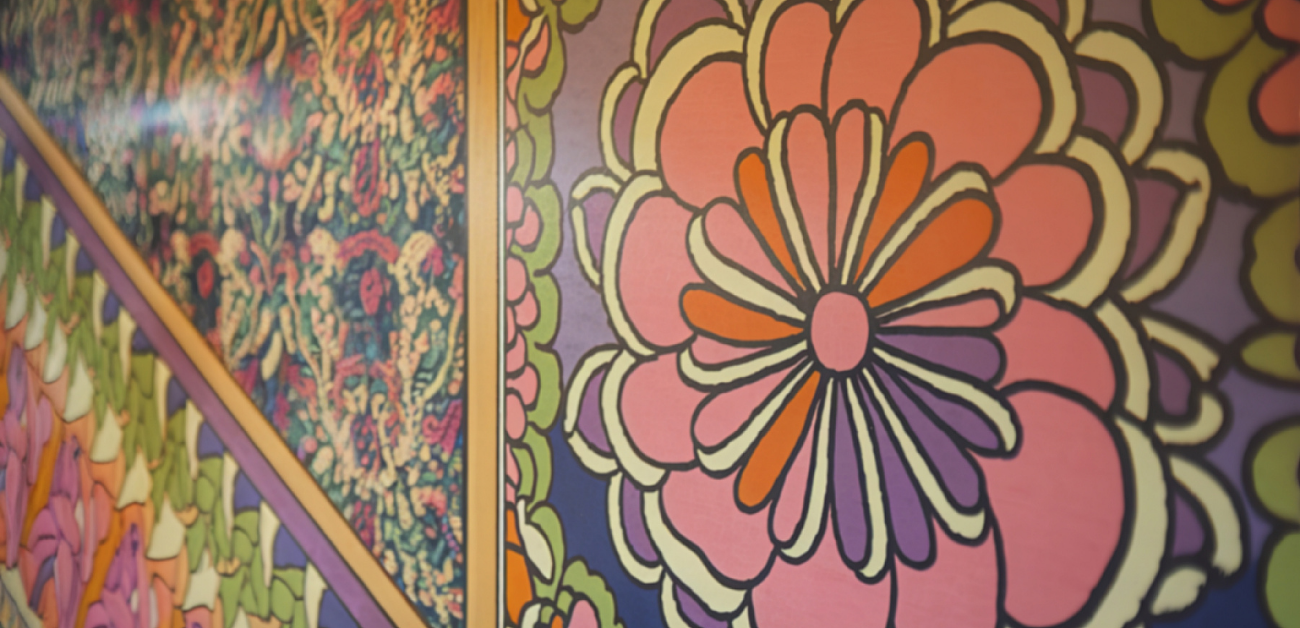
Across commercial and institutional interiors, there has been a clear shift away from standardised design solutions toward environments that express identity, purpose, and context. Offices, hotels, healthcare facilities, and public institutions are increasingly expected to reflect values, culture, and function through their interiors. This demand has accelerated the adoption of custom mural wallpaper in Singapore as a design approach that allows spaces to move beyond uniform finishes.
Generic wall treatments often fail to differentiate spaces or support how they are used. In contrast, customisation enables designers and stakeholders to respond to site-specific requirements, user behaviour, and brand or institutional narratives. Murals can be tailored in scale, content, and placement to suit circulation patterns, zoning needs, or emotional tone, making them especially relevant in complex environments.
The rise of custom mural wallpaper also reflects broader changes in how interiors are commissioned. Decision-makers increasingly prioritise long-term relevance, experiential quality, and coherence across spaces. Customisation allows walls to contribute meaningfully to these goals, positioning mural wallpaper as a strategic design tool rather than a decorative upgrade.
What Defines ‘Custom’ in Mural Wallpaper

The term ‘custom’ in mural wallpaper extends beyond selecting an image from a catalogue and resizing it to fit a wall. True customisation begins with a design process that responds to the specific dimensions, function, and context of a space. Bespoke or custom murals are developed to align with architectural features, sightlines, and user movement, whereas off-the-shelf graphics are often applied without consideration for how a wall is actually experienced.
Scale and resolution are central to this distinction. Large-format walls require imagery that maintains clarity and impact at close and distant viewing ranges. Poor resolution or generic scaling can weaken visual intent and compromise the overall experience. Effective spatial integration ensures that the mural complements rather than competes with lighting, furnishings, and circulation.
Beyond appearance, performance expectations are equally important. Custom mural wallpaper must meet practical requirements related to durability, cleanability, and material stability. In commercial and institutional environments, custom solutions are expected to perform consistently over time, supporting both design intent and operational realities without premature degradation.
Function Meets Visual Impact: Beyond Aesthetics
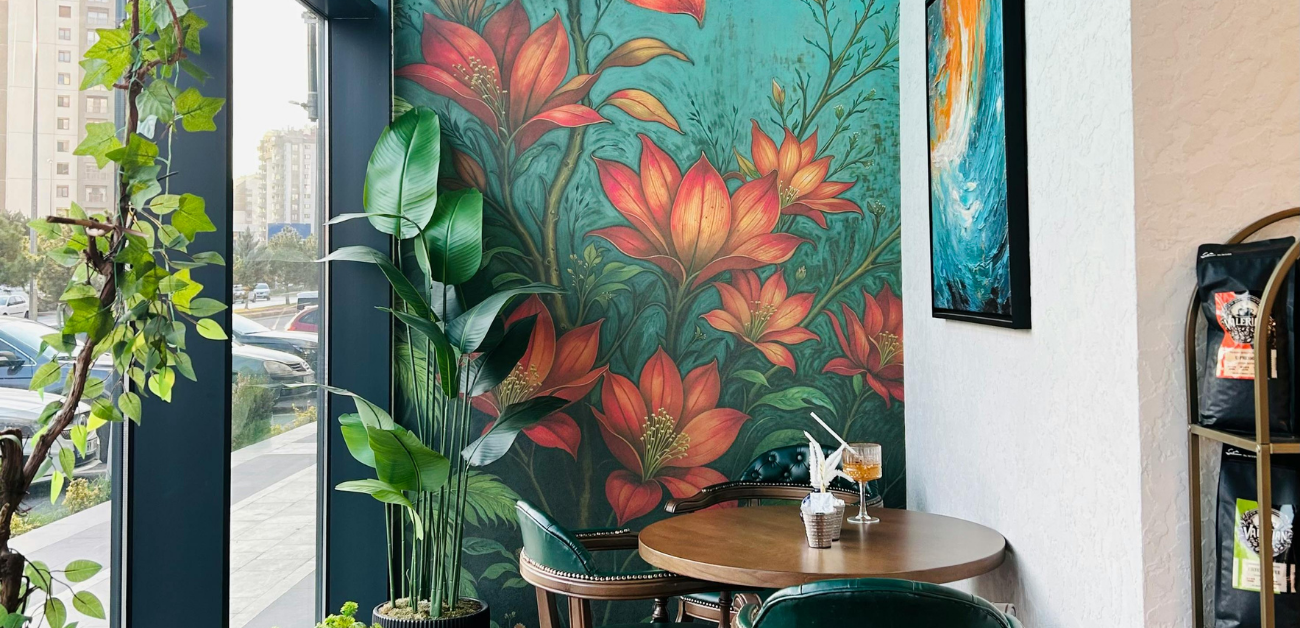
In well-considered interiors, visual elements are expected to serve functional purposes in addition to aesthetic ones. Murals can support wayfinding by helping users distinguish zones, identify destinations, or navigate large and complex spaces. Through colour, imagery, and scale, walls can subtly guide movement and reinforce spatial hierarchy without relying solely on signage.
Murals also influence how people feel within a space. Visual narratives can create a sense of calm, energy, or focus depending on context and intent. In workplaces, hospitality settings, and healthcare environments, these psychological effects contribute to comfort, engagement, and overall experience. Thoughtfully designed walls can shape perception and behaviour in ways that extend beyond visual appeal.
The practical value of custom mural wallpaper in Singapore lies in this intersection of function and impact. By combining tailored imagery with durable materials, custom murals support everyday use while enhancing spatial clarity. They offer a design solution that delivers measurable functional benefits alongside visual distinction.
Material Performance, Durability, and Maintenance
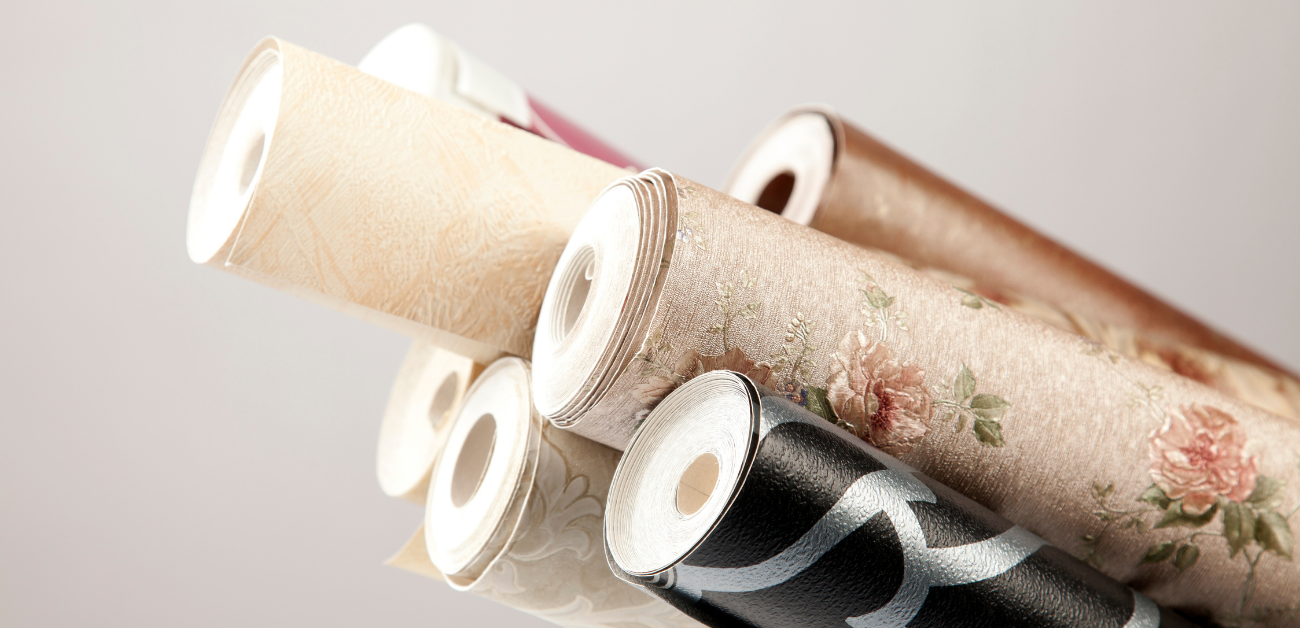
Material performance is a critical factor in the success of mural installations, particularly in commercial and institutional settings where walls are exposed to frequent contact. Substrate selection and surface preparation determine how well wallpaper adheres and how long it maintains visual quality. Uneven surfaces, moisture issues, or improper priming can compromise adhesion and lead to premature wear.
Durability is closely tied to how a material responds to cleaning and daily use. High-traffic environments require wall finishes that can withstand regular wiping, incidental impact, and exposure to environmental factors without fading or peeling. Maintenance demands must be realistic for facility teams, as overly delicate finishes often fail in operational settings.
The suitability of custom mural wallpaper for high-use spaces depends on aligning design intent with material specification. When performance characteristics are considered alongside visual goals, custom murals can deliver long-lasting value, maintaining both appearance and functionality over extended periods of use.
Regulatory, Fire, and Environmental Considerations
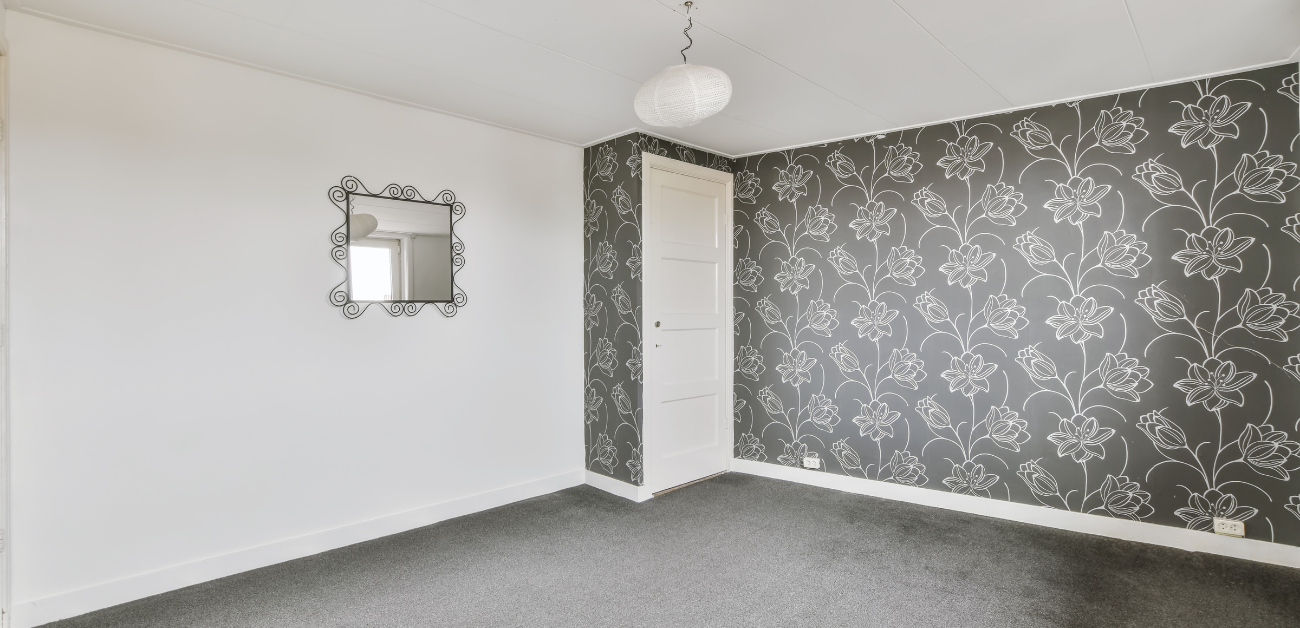
In commercial and institutional interiors, wall finishes must comply with regulatory requirements that address safety, health, and environmental impact. Fire safety is a primary concern, particularly in public-facing and high-occupancy spaces. Materials are often required to meet specific fire performance standards, and non-compliant wall coverings can introduce risk or delay project approvals.
Environmental considerations are also increasingly important. Sustainability goals and indoor air quality standards influence material selection, especially in workplaces, healthcare settings, and educational facilities. Low-emission materials and responsible manufacturing practices help reduce long-term exposure to harmful substances and support healthier interior environments.
Specifications play a critical role in ensuring these requirements are met. Custom mural wallpaper must be evaluated not only for visual quality but also for compliance with fire and environmental standards. Clear, accurate specifications ensure that custom solutions perform safely and responsibly within their intended context.
Cultural Context and Design Sensitivity in Singapore
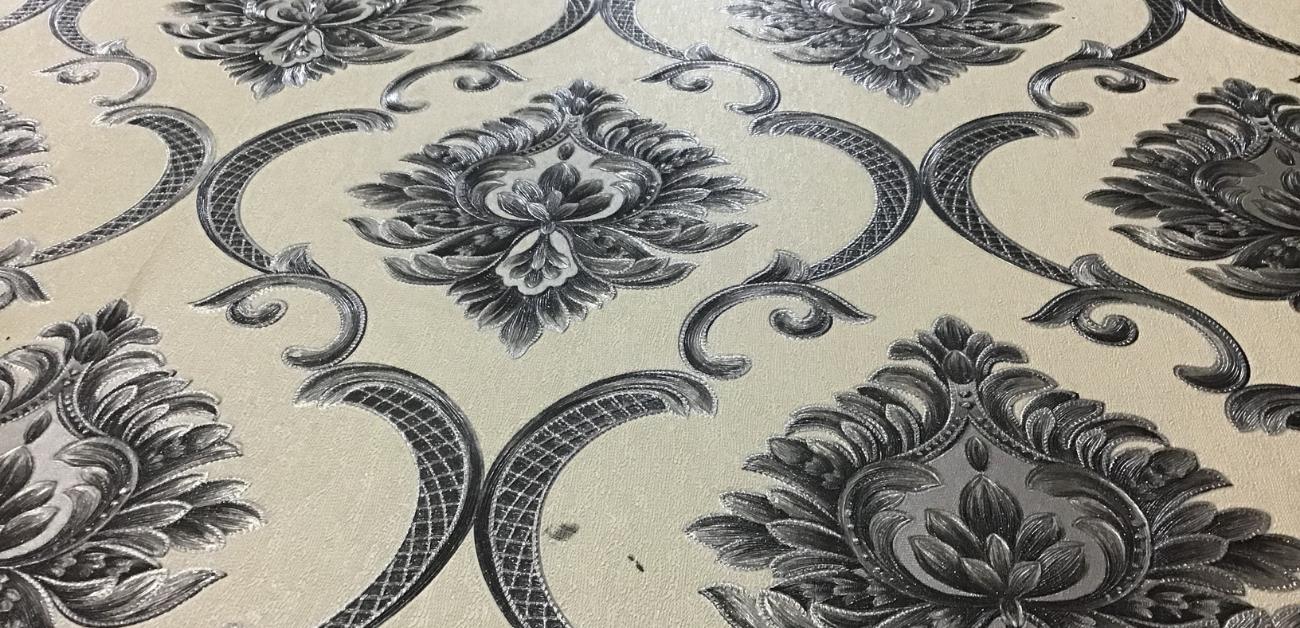
Design in Singapore operates within a unique cultural and urban context shaped by diversity, density, and global connectivity. Interior environments are often expected to balance international design sensibilities with local identity, reflecting both modernity and place. Walls play an important role in this balance, as they can convey narrative, heritage, or contemporary relevance without overwhelming a space.
Design sensitivity is especially important in shared and public environments where visual elements affect a wide range of users. Murals that ignore cultural nuance or spatial context can feel out of place or visually intrusive. Thoughtful design considers scale, symbolism, and audience, ensuring that visual expression enhances rather than disrupts the environment.
Within this context, custom mural wallpaper allows designers to respond to local conditions with precision. By tailoring imagery to site-specific and cultural considerations, custom murals support place-making and create interiors that feel grounded, relevant, and respectful of their surroundings.
Ethical and Professional Responsibility in Custom Wall Design

Custom wall design carries professional responsibility because it shapes how people experience shared spaces. Visual saturation, poorly considered themes, or purely decorative choices can detract from usability and comfort. Designers and decision-makers have an obligation to prioritise clarity, relevance, and restraint in visual interventions.
Ethical design considers the long-term impact of visual elements on occupants. Walls should support purpose, not distract from it. When imagery aligns with function and context, it contributes positively to experience and well-being.
Using custom mural wallpaper in Singapore responsibly reflects a commitment to design integrity. It demonstrates an approach that values thoughtful customisation, material performance, and user experience over short-term visual impact.
Conclusion: Custom Murals as Strategic Interior Infrastructure

Custom murals should be understood as long-term design assets rather than decorative features. Their influence extends beyond appearance to include navigation, identity, and experiential quality. When executed thoughtfully, murals support how spaces function and how they are perceived over time.
Performance, compliance, and cultural sensitivity intersect in effective wall design. Materials must meet regulatory requirements, withstand use, and align with the context in which they are placed. These considerations elevate wall design from an aesthetic choice to a strategic decision.
Within this framework, Goodrich Global operates as a performance-driven interior solutions partner with experience across diverse environments. Its approach to custom mural wallpaper in Singapore reflects an understanding that successful interiors are built on thoughtful design, material integrity, and long-term relevance.