Commercial Interiors
Boarding School Interior Design: Comfort and Focus
Boarding school interior design shapes the daily experience of students who live, study, sleep, and socialise within the same campus. Unlike day schools, every space must serve double duty — functional enough for its primary purpose yet comfortable enough to feel like home for young residents spending months at a time on campus.
Getting the material selections, colour palettes, and spatial planning right can measurably improve student wellbeing, academic focus, and the institution’s long-term maintenance costs.
Designing Spaces That Support Student Wellbeing
Students in boarding environments need spaces that feel safe, calm, and personal. Institutional aesthetics — cold corridors, uniform surfaces, and harsh lighting — work against this goal. The design challenge is to create warmth and character within the constraints of durability and maintenance requirements.
Colour psychology plays a meaningful role. Warm neutrals, soft blues, and muted greens in dormitory areas promote rest and calm. Brighter, more energising tones in common rooms and study areas encourage social interaction and engagement.
Natural materials and textures — or convincing reproductions — help spaces feel less institutional. Timber-look flooring, linen-textured wallcoverings, and upholstered soft furnishings all contribute to an environment that feels more residential than commercial.
Age-appropriate design is essential. Younger students benefit from more colour, defined zones, and wayfinding cues. Senior students appreciate more mature, sophisticated finishes that acknowledge their approaching adulthood.
Dormitory Room Design
The dormitory is the most personal space a boarding student has. It must support sleep, study, storage, and a degree of individual expression within a shared room.
Flooring in dormitories must be quiet, comfortable, and easy to maintain. Luxury vinyl tile (LVT) in a warm timber finish provides a residential feel while being waterproof, scratch-resistant, and simple to clean. It is also quieter underfoot than ceramic tile, reducing disturbance in shared rooms.
Walls benefit from durable wallcoverings that resist the inevitable scuffs, tape marks, and pin holes from student personalisation. Vinyl wallcoverings in warm neutral tones provide this durability while looking far more inviting than painted concrete block.
Key Dormitory Design Elements
- Individual study nooks: Even a small desk area with task lighting and a pinboard gives each student a defined personal zone.
- Adequate storage: Wardrobe, shelving, and under-bed storage reduce clutter and help students maintain order in shared spaces.
- Acoustic separation: Carpet tiles or rugs between bed zones, combined with fabric curtains or partial partitions, reduce noise transfer between roommates.
- Layered lighting: Overhead general lighting plus individual reading lamps allow one student to sleep while another studies.
Study Halls and Libraries
Academic spaces in a boarding school are used for extended periods, often in the evening when students complete homework and revision. Comfort, acoustics, and lighting are critical.
Carpet tiles are ideal for study halls and libraries. They absorb sound, creating the quiet environment necessary for concentration. They are also warm underfoot, which matters during air-conditioned evening study sessions in Singapore.
Choose carpet tiles in calming, low-contrast patterns that do not distract. Solution-dyed fibres ensure colours remain consistent even after years of heavy cleaning.
Wall treatments in study areas should absorb rather than reflect sound. Fabric-wrapped acoustic panels combined with vinyl wallcoverings on remaining surfaces create a balanced acoustic environment without the coldness of exposed concrete or plasterboard.
Lighting in study spaces requires careful planning. General overhead illumination should be even and flicker-free, supplemented by task lighting at individual desks. Colour temperatures of 4000K to 4500K support alertness without the harshness of cool-white fluorescents.
Common Rooms and Social Spaces
Common rooms, recreation areas, and dining halls are where boarding students build community. These spaces should feel distinctly different from academic zones — warmer, more relaxed, and more visually stimulating.
Durable upholstered seating in performance fabrics withstands the rough treatment that comes with teenage use. Choose fabrics with high Martindale abrasion ratings and stain-resistant finishes that can be spot-cleaned without specialist products.
Flooring in common rooms varies by function. Dining halls benefit from LVT for its waterproof, easy-clean properties. Recreation rooms and lounges may use carpet tiles for acoustic comfort and a cosier atmosphere.
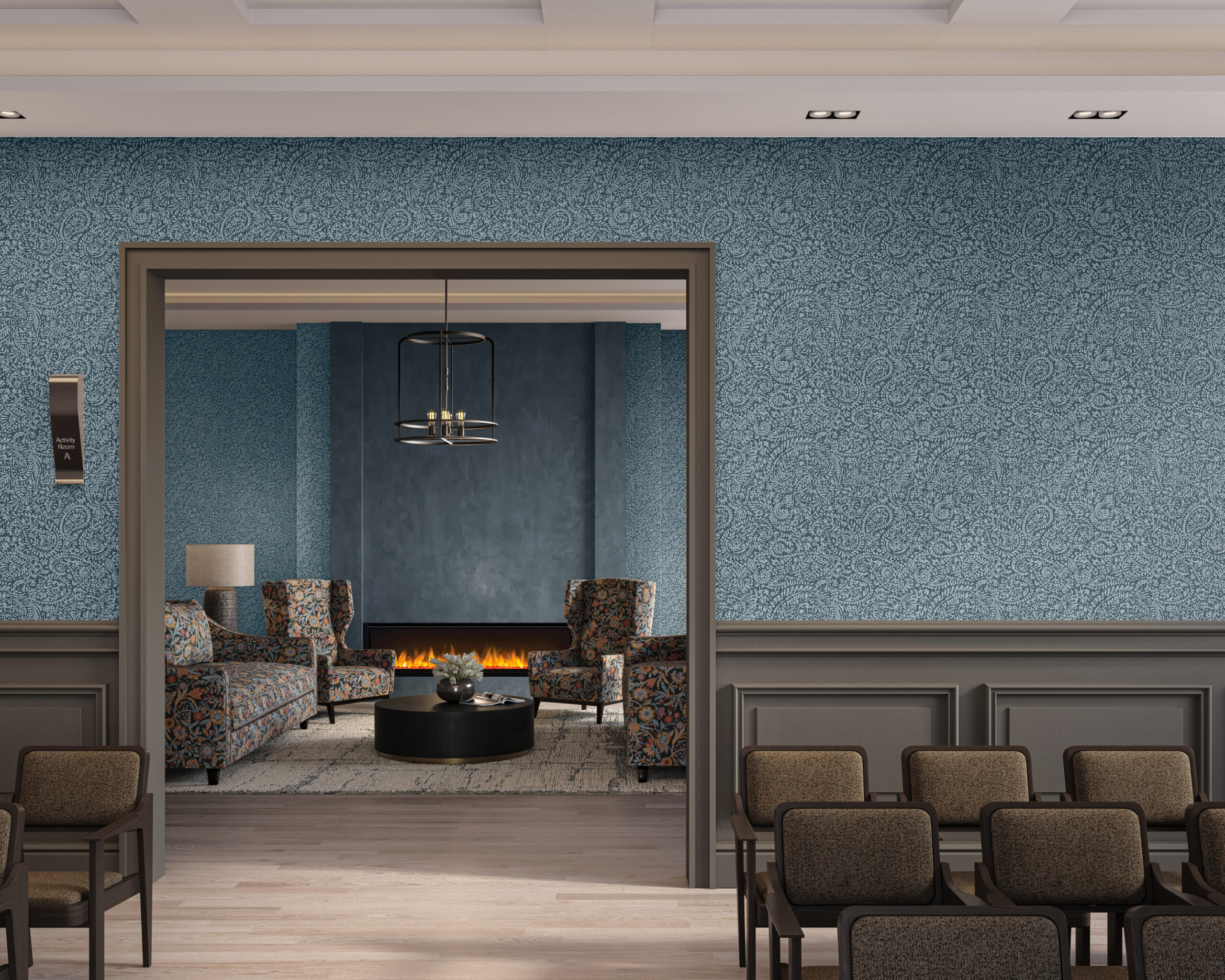
Feature walls with patterned wallcoverings or school-coloured accents add personality and reinforce institutional identity. Display walls for student artwork, achievement boards, and photo galleries personalise the space and foster a sense of belonging.
Corridors, Stairwells, and Circulation Areas
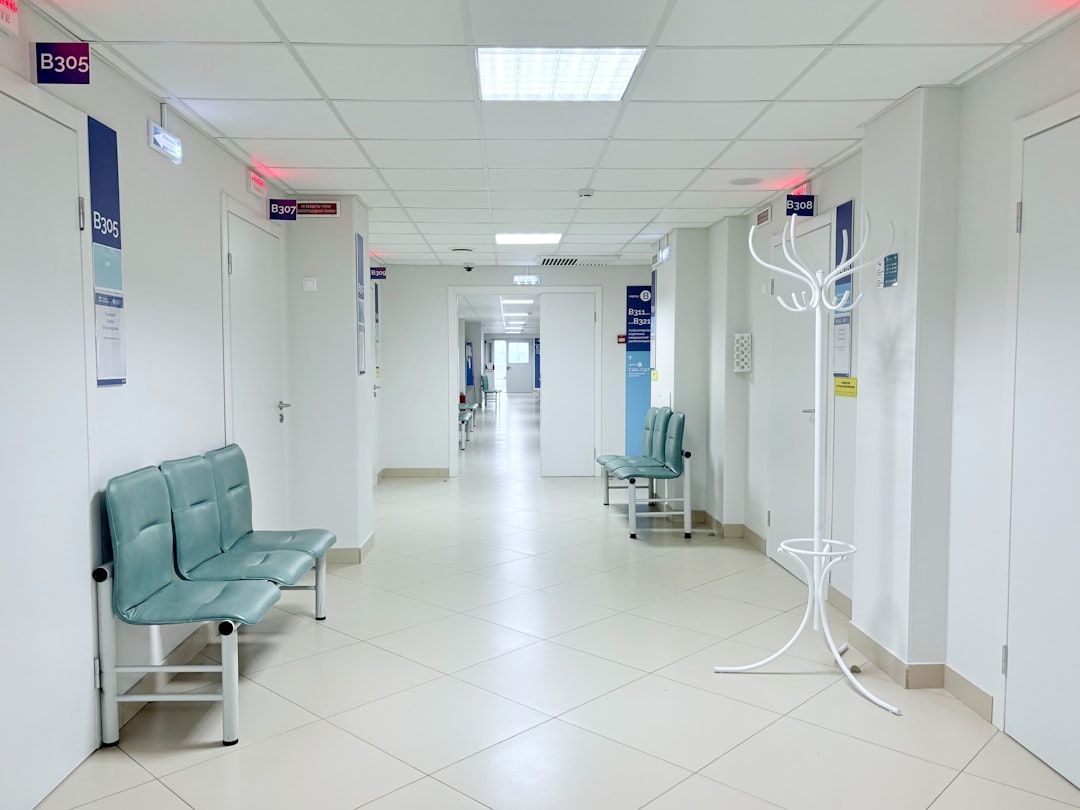
Circulation spaces in a boarding school endure some of the heaviest traffic on campus. Students move between dormitories, classrooms, dining halls, and recreational areas multiple times daily, often in groups.
Flooring must be exceptionally durable and slip-resistant. Commercial-rated LVT with textured surfaces handles high traffic while maintaining safety. In stairwells, slip-resistant nosing strips on each step are a basic safety requirement.
Walls in corridors take constant abuse from bags, elbows, and occasional impact. Commercial vinyl wallcoverings rated for heavy-duty use resist scuffing and are far easier to maintain than painted surfaces. Dado-height wallcovering — protecting the lower half of the wall — with painted surfaces above is a cost-effective approach that targets protection where it is most needed.
Wayfinding through colour-coded zones helps students, staff, and visitors navigate the campus intuitively. Assigning different wallcovering colours or flooring tones to different wings or floors creates a visual map without signage.
Maintenance and Lifecycle Considerations
Boarding school facilities operate year-round with limited windows for maintenance. Material choices must minimise the need for frequent repairs and replacements.
Modular products such as carpet tiles and click-lock LVT planks allow localised repairs. A stained carpet tile or damaged floor plank can be swapped out in minutes without disrupting an entire room.
Vinyl wallcoverings outlast paint by several years in high-traffic environments, reducing the frequency and cost of repainting cycles. Their scrubbable surface means everyday marks can be cleaned rather than painted over.
Investing in higher-specification materials at the outset costs more initially but reduces total lifecycle cost through fewer replacements, less downtime, and lower maintenance labour. For institutions operating on long planning horizons, this is a sound financial decision.
Final Thoughts
Boarding school interior design is about creating environments where students thrive academically, socially, and emotionally. Every material choice — from dormitory flooring to corridor wallcoverings — contributes to the daily experience of young residents.
Durable, well-specified finishes ensure these spaces remain welcoming and functional year after year, supporting both student wellbeing and institutional budgets.
Request free samples from our Singapore showroom to evaluate flooring and wallcovering options for your educational facility.