Interior Design
Bomb Shelter Design Ideas for Singapore HDB Flats
What Is a Bomb Shelter and Why Every HDB Flat Has One
Every HDB flat built after 1997 comes with a Household Shelter — commonly known as a bomb shelter. This reinforced concrete room is mandated by the Singapore Civil Defence Force (SCDF) and is designed to protect residents during emergencies.
The bomb shelter typically measures around 2.7 to 3.5 square metres, depending on the flat type. While it must remain accessible and free of permanent fixtures, there is plenty of room for creative, reversible design solutions that make this space genuinely useful in daily life.
Understanding the regulations is key before you begin any bomb shelter design in Singapore. You cannot hack the walls, install permanent shelving that requires drilling into the concrete, or alter the heavy-duty door. However, freestanding furniture, removable flooring, and portable storage systems are all perfectly acceptable.
Practical Uses for Your Bomb Shelter
The beauty of a well-designed bomb shelter lies in its versatility. Here are the most popular ways Singapore homeowners repurpose this compact room:
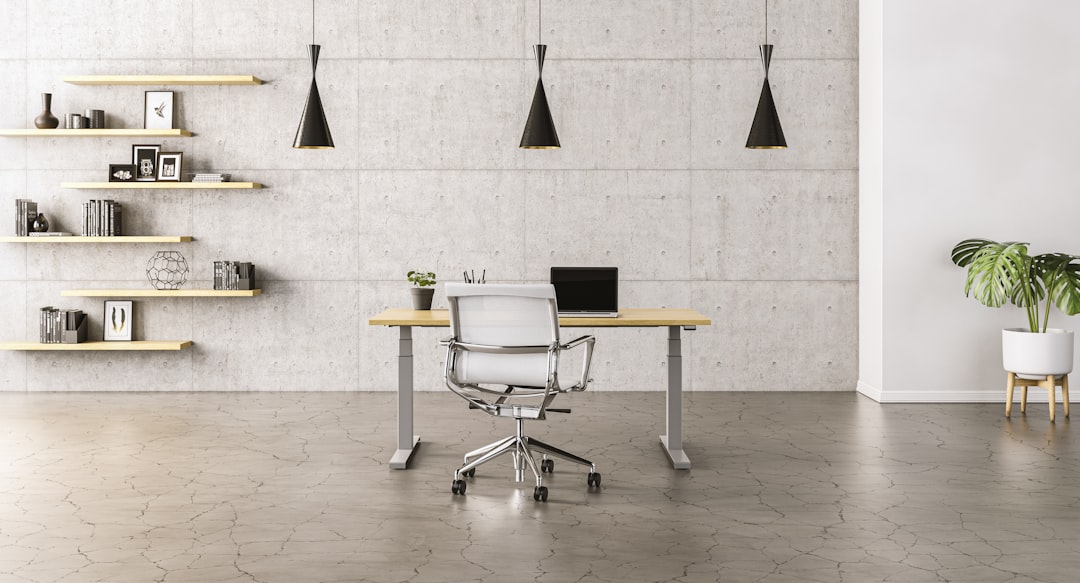
- Home study or work-from-home nook: A compact desk, task lamp, and ergonomic chair can transform the shelter into a quiet, distraction-free workspace.
- Children’s playroom: Lay down soft vinyl flooring and add freestanding toy storage bins for a safe play area.
- Mini home gym: Store yoga mats, resistance bands, and free weights for quick workouts without leaving home.
- Walk-in wardrobe: Use freestanding clothing racks and modular shelving to create an organised dressing space.
- Storage room: The most common use — but with thoughtful design, even storage can look neat and intentional.
- Reading retreat: Add a comfortable chair, a floor lamp, and a small bookshelf for a cosy reading corner.
The key is choosing a primary function and designing around it, rather than letting the space become a dumping ground for miscellaneous items.
Flooring Ideas for Bomb Shelters
The default bomb shelter floor is bare concrete — functional but far from inviting. Since you cannot make permanent alterations, removable flooring solutions are ideal.
Luxury vinyl tiles (LVT) are one of the best options for bomb shelter flooring. They can be installed as a floating floor without adhesive, sit comfortably over concrete, and come in a wide range of wood-grain and stone-look finishes. Vinyl flooring is also moisture-resistant, easy to clean, and comfortable underfoot — all important qualities in a small enclosed room. Browse the luxury vinyl collection for options that suit your style.
Interlocking foam tiles are another option for gym-oriented setups, while carpet tiles offer warmth and sound absorption for study or reading spaces. The carpet range includes modular tiles that can be laid without permanent adhesive.
| Flooring Type | Best For | Key Benefit |
|---|---|---|
| Luxury Vinyl Tiles | Study, wardrobe, general use | Realistic finishes, waterproof |
| Carpet Tiles | Reading nook, children’s room | Soft, warm, sound-absorbing |
| Interlocking Foam | Home gym | Shock absorption, easy to replace |
| Peel-and-stick Vinyl | Quick refresh | Affordable, simple installation |
Wall Treatments That Comply with Regulations
Bare concrete walls can make the bomb shelter feel cold and industrial. While you cannot drill or hack into the walls, there are several ways to add warmth and personality.
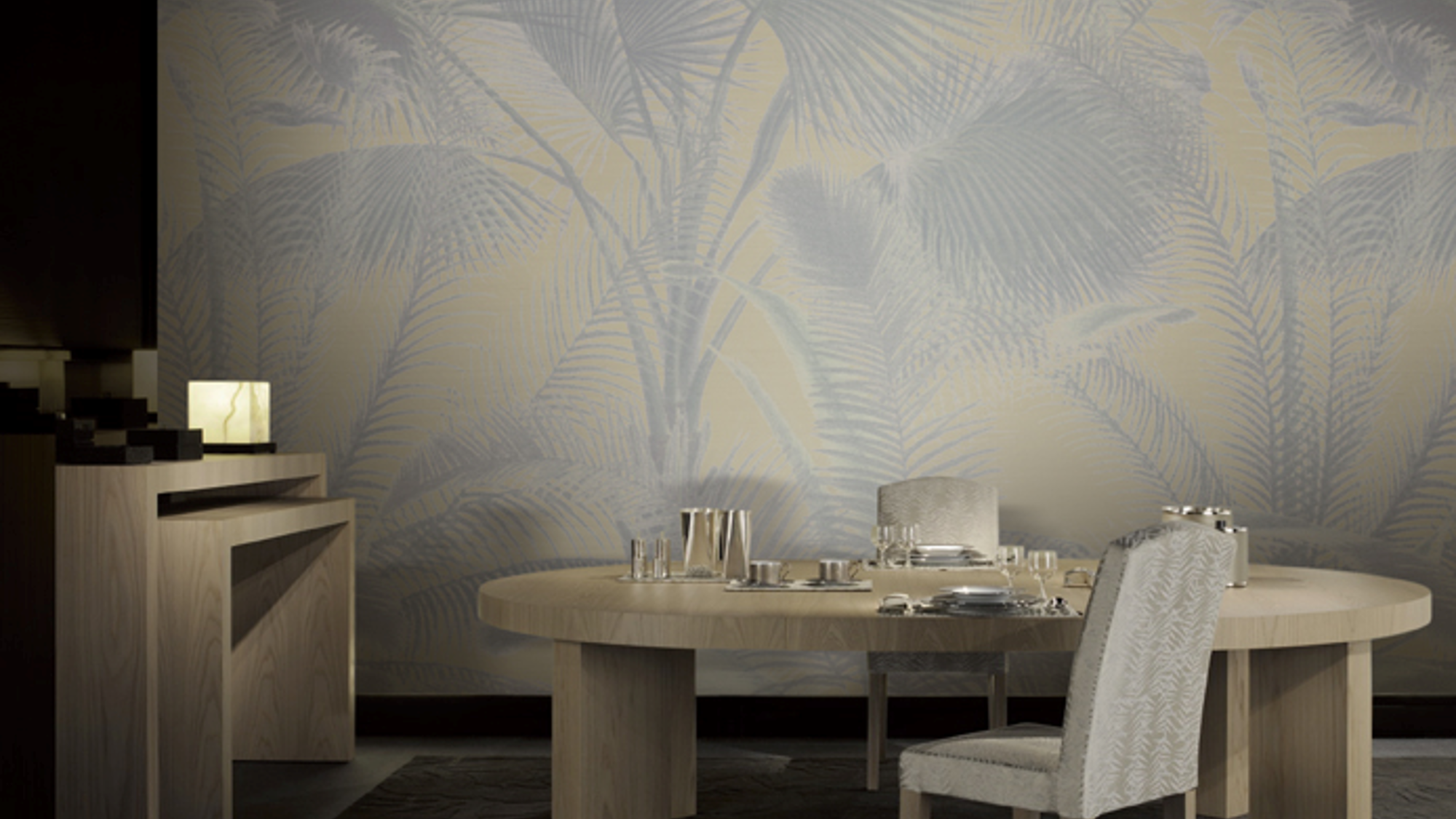
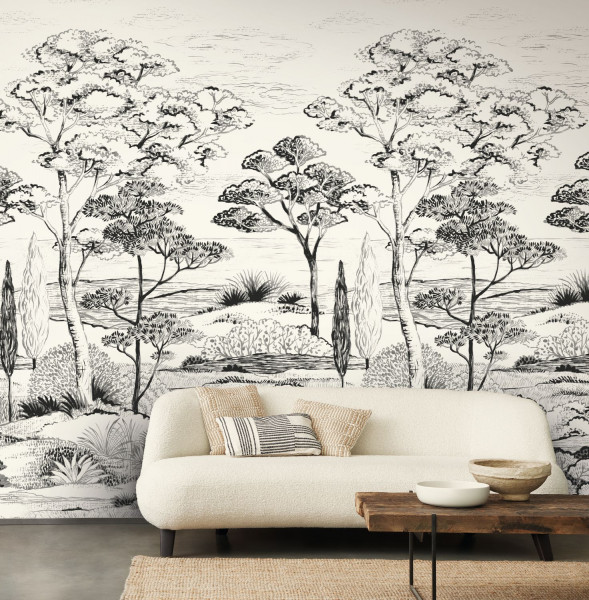
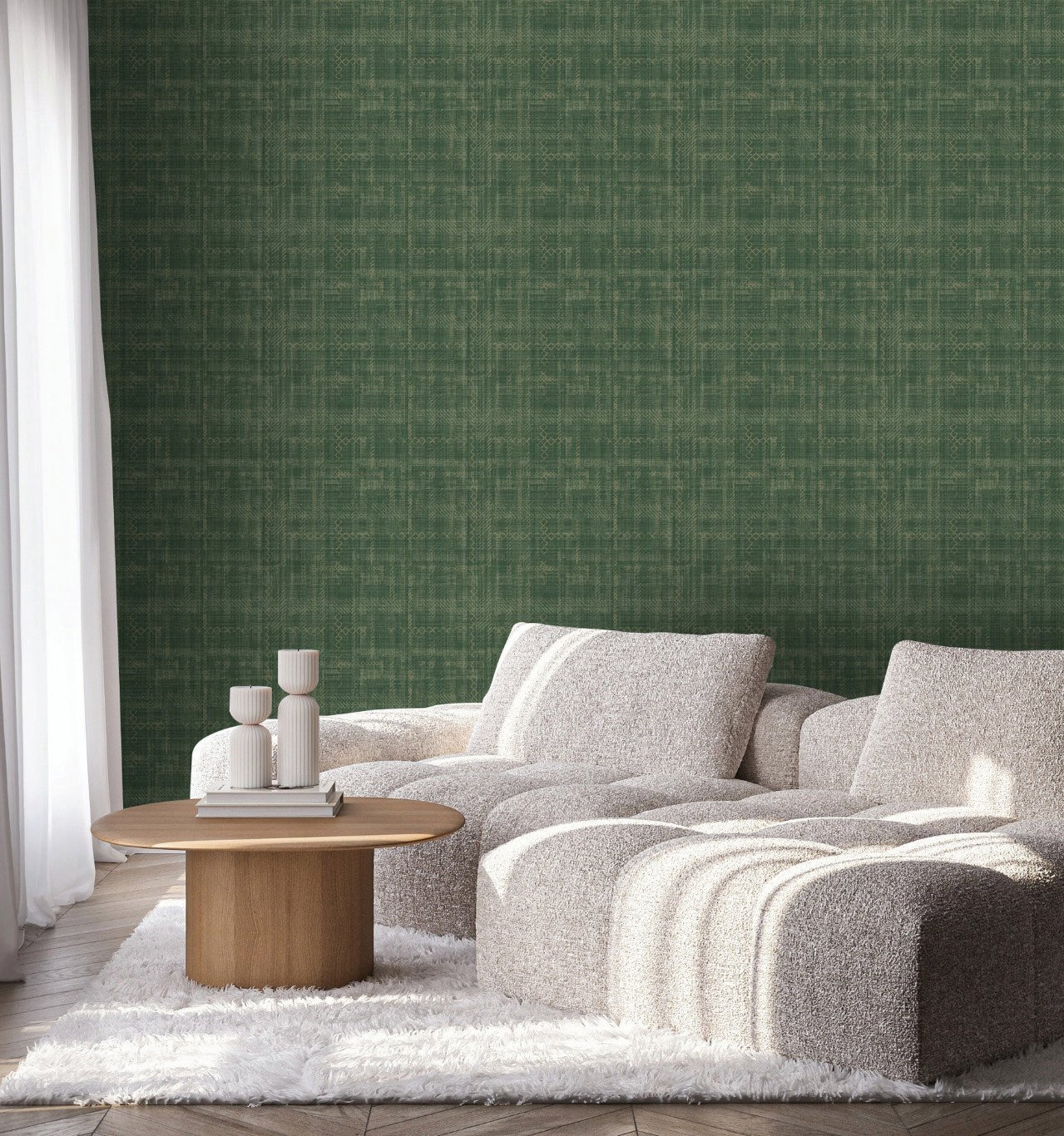
Removable wallpaper is an excellent solution. Modern peel-and-stick wallpaper adheres well to smooth concrete and can be removed without leaving residue. Choose light-coloured patterns to make the small space feel larger, or opt for a bold accent wall to give the room character.
Fabric wall hangings and tapestries are another option. They soften the acoustics of the concrete box and can be hung using adhesive hooks. For a more polished look, consider mounting a freestanding panel covered in decorative fabric against one wall.
Magnetic paint applied over the concrete (where permitted by your town council) can turn a wall into a functional noticeboard — useful for study setups or children’s play areas.
Smart Storage Solutions for Small Bomb Shelters
If your bomb shelter will primarily serve as storage, invest in systems that maximise vertical space and keep everything visible and accessible.
- Freestanding metal shelving: Sturdy, adjustable, and easy to move if needed. Choose units that fit the shelter dimensions snugly without requiring wall mounting.
- Clear storage boxes: Label and stack them so you can identify contents at a glance. Uniform box sizes make stacking more efficient.
- Over-door organisers: The heavy bomb shelter door has a flat interior surface that works well with hanging organisers for shoes, accessories, or cleaning supplies.
- Rolling carts: Slim, tiered carts on castors can slide into narrow gaps and be pulled out when needed.
Keep a clear pathway to the back of the shelter. In an emergency, you need to be able to access the full room quickly, so avoid stacking items floor to ceiling near the entrance.
Design Tips to Make Your Bomb Shelter Feel Larger
Small rooms benefit enormously from a few visual tricks. Since bomb shelters lack windows, lighting is your most important tool. A battery-operated LED panel light or a plug-in floor lamp with warm white light will immediately make the space feel more welcoming than the default ceiling bulb.
Choose light, neutral colours for flooring and walls. Pale wood-look vinyl and soft-toned wallpaper reflect light and create an illusion of openness. Avoid dark finishes in such a compact space unless you are deliberately going for a cosy, cocoon-like atmosphere.
A small mirror propped against one wall can also double the sense of depth. Pair it with a consistent colour palette — no more than two or three tones — to keep the room feeling cohesive rather than cluttered.
Finally, keep the floor as clear as possible. Wall-mounted magnetic strips (attached to freestanding panels rather than the shelter walls) and vertical storage draw the eye upward and free up valuable floor area.
Bomb Shelter Design by Flat Type
The size and position of your bomb shelter varies depending on the HDB flat type, and this affects how you should approach the design.
In 3-room and 4-room BTO flats, the household shelter is typically located near the entrance or beside the kitchen. These shelters are often on the smaller end — around 2.7 square metres — which limits them to single-purpose use. A study desk or a compact storage system works best here. Avoid trying to squeeze in too many functions; a clear, focused design prevents the room from feeling overwhelmed.
In 5-room flats and executive apartments, the bomb shelter tends to be slightly larger and may be positioned near the bedrooms. This opens up more possibilities: a walk-in wardrobe setup, a children’s play area, or even a small music practice room with soundproofing panels propped against the thick concrete walls (which already provide excellent sound insulation).
For resale HDB flats, the previous owner may have left modifications that need removing before you can redesign the space. Strip the room back to its original state, clean the concrete surfaces, and start fresh with your own vision.
Making the Most of Your HDB Bomb Shelter
The bomb shelter may be the most underestimated room in any HDB flat. With the right flooring, thoughtful wall treatments, and clever storage, it can become one of the most functional spaces in your home — all without breaching SCDF regulations.
Whether you are setting up a quiet study, a compact gym, or simply want storage that does not look like an afterthought, the right materials make all the difference. Start with the floor, work your way up the walls, and finish with good lighting.
Request free samples from our Singapore showroom. Visit our sample request page to explore flooring and wall covering options that will transform your bomb shelter.