Interior Design
Ceiling Design Ideas for Singapore HDB and Condo Homes
The Ceiling as a Design Opportunity
The ceiling is often called the fifth wall, yet it remains the most neglected surface in many Singapore homes. While homeowners invest in flooring, wall treatments and furniture, the ceiling is frequently left as a flat, white expanse. This is a missed opportunity.
A well-designed ceiling can make a room feel taller, define spatial zones in open-concept layouts, conceal services like wiring and air-conditioning units, and add architectural interest that elevates the entire interior. In Singapore, where standard HDB ceiling heights sit at approximately 2.6 metres, ceiling design requires careful planning to add visual impact without making the space feel compressed.
False Ceiling Designs
False ceilings, also known as dropped ceilings, are the most common ceiling treatment in Singapore renovations. They involve suspending a secondary ceiling below the original concrete slab, creating a gap that conceals wiring, piping and air-conditioning systems.
Full False Ceiling
A full false ceiling covers the entire room. It creates a clean, uniform surface and allows for integrated lighting throughout. However, it reduces the overall ceiling height by 10 to 15 centimetres, which can make smaller HDB rooms feel cramped. This option works best in rooms with ceiling heights of 2.8 metres or more.
Partial or L-Shaped False Ceiling
A partial false ceiling covers only part of the room, typically running along two walls in an L-shape. This is the most popular option in HDB flats as it provides space for cove lighting and conceals air-conditioning piping while preserving the full ceiling height in the centre of the room.
Box or Island False Ceiling
A box or island false ceiling is a rectangular dropped section in the centre of the room, separate from the walls. It creates a defined zone and is often used over dining tables or living room seating areas to anchor the space below.
Curved False Ceiling
Curved false ceilings use rounded forms instead of straight lines. They soften the geometry of a room and create a sense of flow. Curved designs are more complex to construct and suit larger spaces such as living-dining areas in condos and landed homes.
| False Ceiling Type | Height Loss | Best For | Complexity |
|---|---|---|---|
| Full | 10-15 cm | Rooms with higher ceilings | Moderate |
| Partial/L-shaped | 10-15 cm (partial) | HDB flats, standard ceiling heights | Low to moderate |
| Box/Island | 10-15 cm (localised) | Defining zones in open layouts | Moderate |
| Curved | Variable | Larger rooms, statement designs | High |
Ceiling Lighting Design
Ceiling design and lighting design are inseparable. The ceiling treatment you choose determines what lighting options are available, and the lighting scheme you envision may dictate the ceiling construction required.
Cove Lighting
Cove lighting is the most popular ceiling lighting technique in Singapore homes. LED strips are concealed within a ledge or recess in the false ceiling, casting a soft, indirect glow upward or outward. This creates ambient light without visible fixtures and makes the ceiling appear to float. The warmth or coolness of the LED strip affects the room’s mood: warm white (2700K-3000K) creates a cosy, residential atmosphere, while neutral white (4000K) suits task-oriented spaces like kitchens and home offices.
Recessed Downlights
Recessed downlights sit flush with the false ceiling surface, providing focused task or accent lighting. They are available in fixed and adjustable versions. Plan downlight placement carefully to avoid a flat, commercial appearance. Mix with other light sources for a layered effect.
Pendant and Chandelier Integration
False ceilings can incorporate junction boxes for pendant lights and chandeliers. The structural support must be anchored to the concrete slab above, not just the false ceiling framework. Plan pendant positions before the false ceiling is constructed.
LED Strip and Profile Systems
Modern LED strip systems with aluminium profiles can be integrated directly into false ceiling designs. They create clean lines of light along ceiling edges, within channels and around architectural features. Colour-tuneable LED strips allow you to adjust the warmth of the light throughout the day.
Decorative Ceiling Finishes
Beyond false ceilings, several decorative treatments can transform a plain ceiling into a design feature.
Ceiling Wallpaper
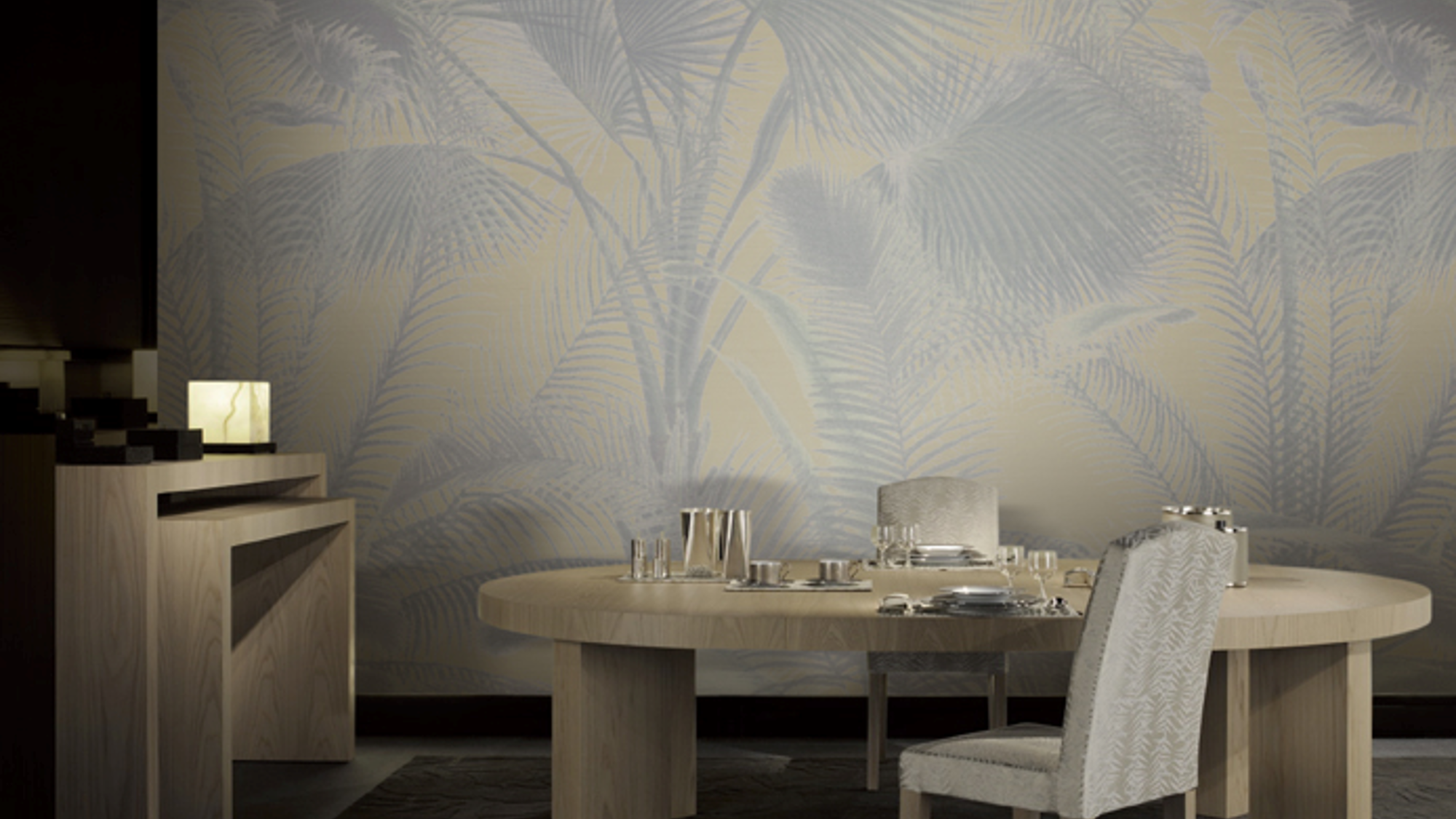
Applying wallpaper to the ceiling is an increasingly popular way to add pattern and texture overhead. This works particularly well in bedrooms, dining rooms and powder rooms. Choose patterns that complement rather than compete with your wall treatments.
Timber Beams and Battens
Exposed timber beams or decorative battens add warmth and architectural character. They are particularly effective in living and dining areas. Faux timber beams made from lightweight polyurethane or hollow timber can achieve the look without the structural requirements of solid beams.
Coffered Ceiling
A coffered ceiling features a grid of recessed panels framed by beams or moulding. It adds depth, formality and a sense of grandeur. Coffered ceilings require adequate ceiling height and suit larger rooms in condos and landed properties.
Skim Coat and Paint Effects
For a subtle approach, a smooth skim coat followed by a colour other than white can make a statement. Soft grey, pale blue or warm beige on the ceiling can shift the mood of a room without any structural changes.
Ceiling Design for Different Room Types
Living Room
The living room is where most homeowners invest in ceiling design. An L-shaped false ceiling with cove lighting combined with feature downlights over the seating area creates a layered, inviting atmosphere. Consider how the ceiling design interacts with your flooring and wall treatments for a cohesive interior.
Kitchen
Kitchen ceilings need to accommodate exhaust ducting and bright task lighting. A full false ceiling with moisture-resistant board is practical for kitchens. Include adequate downlighting over preparation and cooking areas.
Bedroom
Bedroom ceilings benefit from softer lighting and warmer finishes. A partial false ceiling above the bed with warm cove lighting creates a cosy canopy effect. Avoid bright downlights directly above the bed.
Bathroom
Bathroom ceilings must use moisture-resistant materials. Aluminium ceiling panels or moisture-rated plasterboard are standard choices. Keep the design simple and ensure adequate ventilation to prevent mould growth.
Practical Considerations for Singapore
Before committing to a ceiling design, consider these practical factors specific to Singapore homes.
- HDB ceiling height: Standard HDB ceiling height is approximately 2.6 metres. A full false ceiling can reduce this to 2.45 metres, which may feel low. Partial false ceilings preserve the full height where it matters most.
- Air-conditioning: Ceiling cassette and ducted air-conditioning systems require significant false ceiling space. Plan the air-conditioning layout alongside the ceiling design, not separately.
- HDB guidelines: HDB has regulations on renovation works including ceiling modifications. Ensure your contractor follows current guidelines and obtains necessary approvals.
- Access panels: Include access panels in the false ceiling for maintenance of air-conditioning units, wiring and plumbing. Position them discreetly but accessibly.
- Cost management: False ceiling costs vary widely depending on complexity, materials and lighting. Get detailed quotations that break down the ceiling structure, lighting and finishing separately.
A thoughtfully designed ceiling ties together all the other elements of your interior. It sets the lighting mood, defines spatial proportions and adds architectural detail that distinguishes your home.
Get a free quote for your renovation project. Request a quotation and let our team help you create a cohesive interior design scheme.