Interior Design
Child-Safe Interior Design: Protecting Little Ones at Home
Designing for Safety Without Sacrificing Style
When you have young children, every surface, corner and material in your home takes on new significance. Falls, bumps and accidental ingestion of harmful substances become real daily concerns. The challenge for Singapore parents is creating a home that is genuinely safe for little ones while still looking stylish and functioning well for the whole family.
Child-safe interior design is not about padding every surface in foam. It is about making thoughtful material and layout choices that reduce risks naturally, without making your home feel like a padded cell. Here is how to approach it room by room.
Flooring That Cushions Falls
The floor is where young children spend most of their time — crawling, toddling, playing and inevitably falling. Your flooring choice has a direct impact on how many tears are shed after each tumble.
Luxury vinyl flooring is one of the best options for households with young children. Its resilient, cushioned surface absorbs impact significantly better than hard ceramic or porcelain tiles. A toddler falling on luxury vinyl is far less likely to be injured than one falling on stone or tile.
Beyond cushioning, vinyl flooring offers several child-friendly advantages:
- Waterproof surface handles spills, accidents and art supplies without damage
- Easy to clean — essential when dealing with food, drink and other messes
- Warm underfoot, comfortable for babies and toddlers who sit and crawl directly on the floor
- No grout lines to trap food particles and bacteria
- Scratch-resistant surface withstands toys, ride-ons and other child-related wear
Carpet provides the softest landing surface and is particularly well-suited to children’s bedrooms and play areas. Carpet tiles are especially practical because individual tiles can be replaced if permanently stained, rather than replacing the entire floor.
Regardless of your flooring choice, ensure that area rugs have non-slip backing or are secured with rug tape. Loose rugs on smooth floors are a tripping hazard for both children and adults.
Walls That Withstand Little Hands
Children touch, lean against, draw on and occasionally lick walls. Your wall finishes need to be durable, wipeable and free from harmful substances.
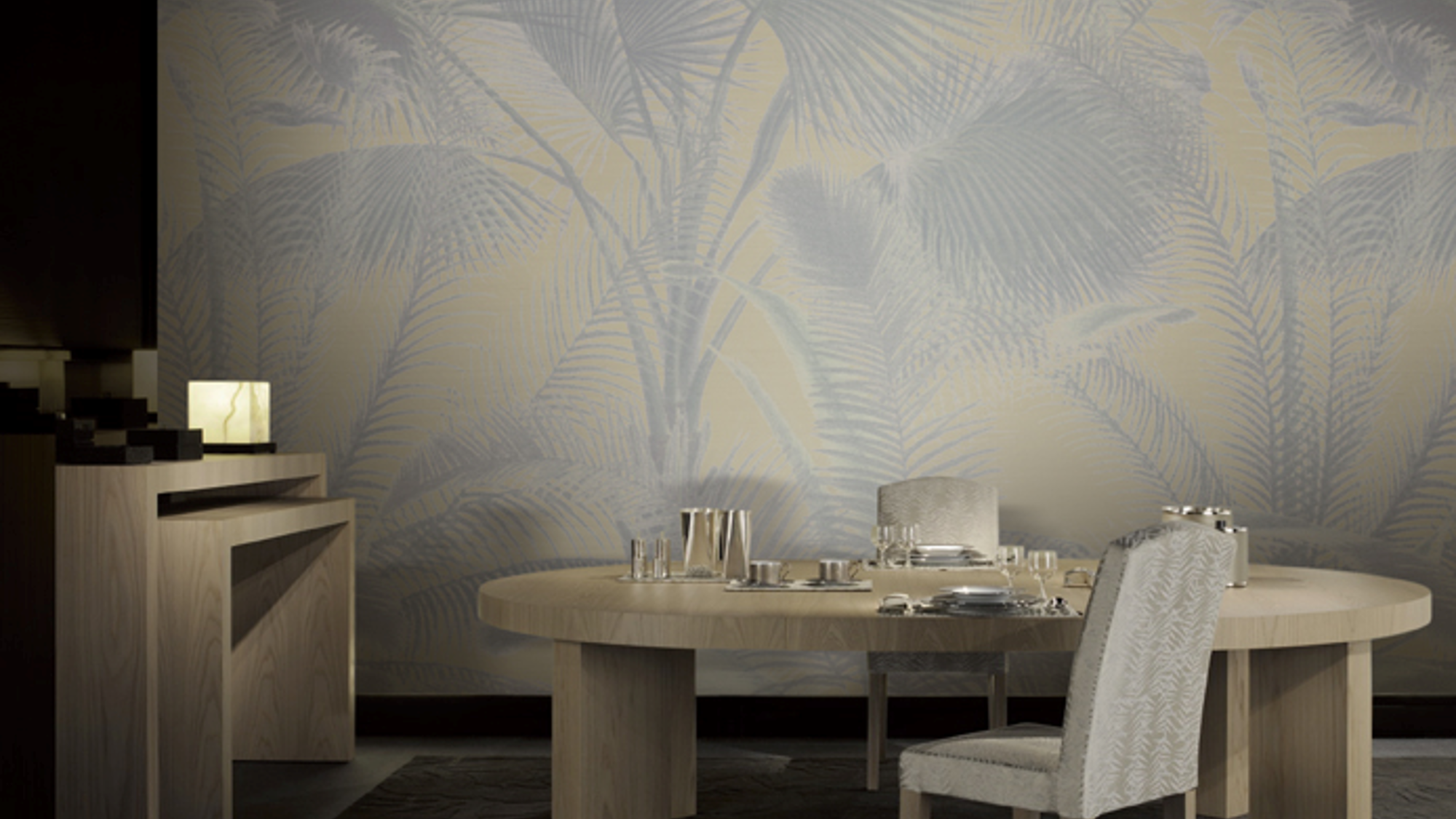
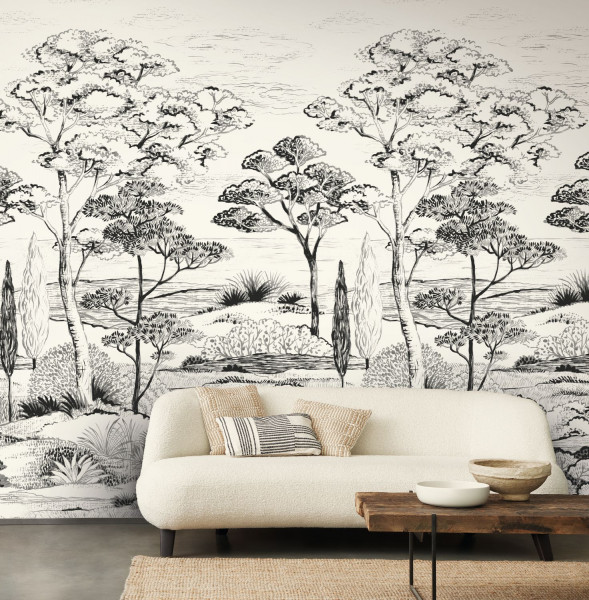
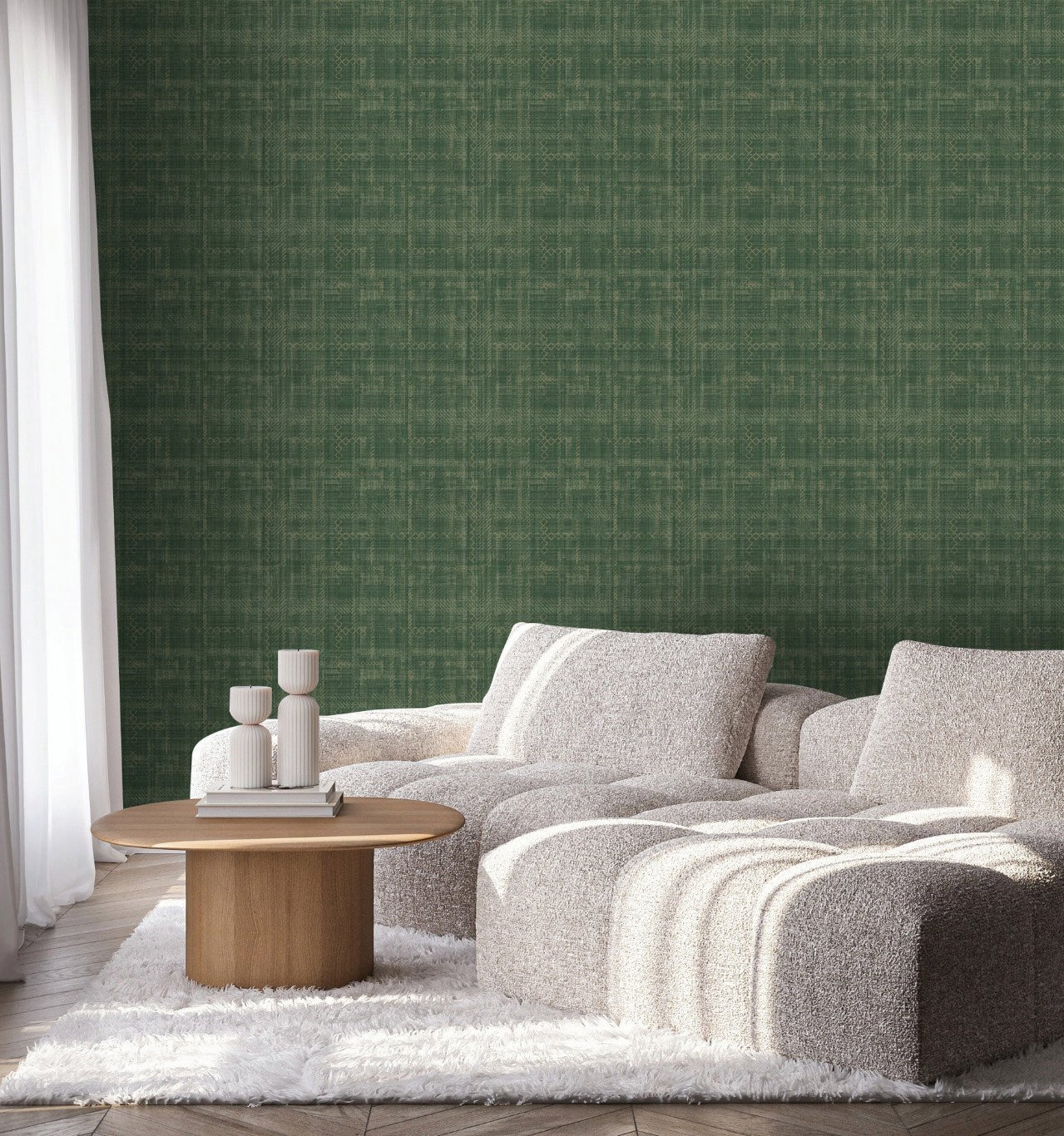
Washable wallpaper is an excellent choice for children’s rooms and common areas. Vinyl-coated wallpapers can be wiped clean with a damp cloth, removing crayon marks, food smears and sticky fingerprints without damaging the surface. They are also more resistant to scuffing than standard painted walls.
When selecting wall finishes for a child-safe home, keep these points in mind:
- Choose low-VOC or zero-VOC paints and adhesives to minimise chemical off-gassing
- Opt for semi-gloss or satin finishes that are easier to wipe clean than matte finishes
- Avoid feature walls with sharp-edged decorative elements such as stone cladding or exposed brick at child height
- Consider painting a section of wall with chalkboard paint or magnetic paint to give children a designated drawing area
Furniture and Layout Considerations
The arrangement and selection of furniture plays a major role in child safety. Sharp corners, unstable shelving and heavy items at child height are common hazard sources.
Corner protection: Choose furniture with rounded edges where possible. For existing furniture with sharp corners — dining tables, coffee tables and TV consoles — apply corner protectors. Glass-topped tables are best avoided entirely until children are older.
Anchoring: All tall furniture must be anchored to the wall with anti-tip brackets. Bookshelves, wardrobes, chests of drawers and TV units can topple if a climbing child shifts the centre of gravity. This is a critical safety measure that is easy to implement and potentially life-saving.
Low storage: Design storage at child height so children can access their own toys and books without climbing. Open bins, low shelves and pull-out drawers encourage independence while reducing the temptation to climb tall furniture.
Soft furnishings: Choose upholstered furniture over hard-surfaced pieces in play areas. Fabric sofas with removable, washable covers are practical for families. Avoid delicate fabrics that stain easily — look for performance fabrics designed to resist spills and wear.
Window and Curtain Safety
Windows and window treatments present specific hazards for young children that every parent should address.
Window restrictors: Install window restrictors that limit how far windows can open. This is particularly important in HDB flats and condominiums on upper floors. The restrictor should allow enough opening for ventilation but not enough for a child to climb through.
Corded blinds: Blind cords are a strangulation hazard for young children. Replace any corded blinds with cordless alternatives such as roller blinds, Roman blinds with integrated cord systems or curtains on tracks. If you have existing corded blinds, use cord cleats mounted high on the wall to keep cords out of reach.
Curtain tracks: Ensure curtain tracks and rods are securely mounted. Children often grab and pull on curtains, which can bring poorly installed tracks crashing down. Use heavy-duty brackets and check fixings periodically.
For children’s rooms, choose curtains in cheerful but calming designs. Blackout curtains are particularly valuable for daytime naps, helping toddlers settle in Singapore’s bright afternoon light.
Bathroom and Kitchen Safety
Wet areas require additional attention for child safety. Slip-resistant flooring is essential in bathrooms — look for tiles or vinyl with textured surfaces and appropriate slip resistance ratings.
In the kitchen, consider these child-safe design elements:
- Choose flooring that is cushioned and slip-resistant, as kitchens are prone to spills
- Install cabinet locks on lower cabinets containing cleaning products, sharp utensils and heavy items
- Position the oven and hob away from the edge of the kitchen where children play
- Use rounded countertop edges rather than sharp square profiles
- Ensure that small appliance cords cannot be reached or pulled by children
In bathrooms, non-slip mats, temperature-controlled taps and lockable medicine cabinets are fundamental safety features. Store all medications, cleaning products and personal care items in high, locked cabinets.
Indoor Air Quality for Children
Children breathe faster than adults relative to their body weight, making them more susceptible to indoor air pollutants. The materials you choose for your renovation directly affect the air quality your children breathe every day.
Select low-VOC or zero-VOC products wherever possible. This applies to paints, adhesives, sealants and even the flooring and wallpaper themselves. Volatile organic compounds (VOCs) off-gas from newly installed materials and can cause respiratory irritation, headaches and allergic reactions in sensitive children.
After renovation, ventilate the home thoroughly for at least two weeks before moving children in. Run air-conditioning and fans to help flush out residual off-gassing. If possible, schedule the renovation during a period when the family can stay elsewhere.
Ongoing air quality maintenance includes regular cleaning of air-conditioning filters, using HEPA-filter air purifiers in children’s bedrooms and maintaining indoor humidity between 40 and 60 per cent to discourage dust mite and mould growth.
Growing with Your Children
The best child-safe interior design is adaptable. As your children grow, their needs change, and your home should evolve with them.
Choose foundational elements — flooring, wall finishes and major furniture — that are durable, neutral and versatile. These long-lasting investments should work from infancy through the teenage years. Add age-appropriate accessories and soft furnishings that can be updated easily as your children grow.
Vinyl flooring, for instance, serves a family from the baby-crawling stage through the rough-and-tumble toddler years and into the homework-at-the-desk school years. Its durability, comfort and easy maintenance make it a flooring choice that grows with your family without needing replacement.
Want to explore child-friendly flooring and wall finishes for your family home? Request free samples from our Singapore showroom and see which materials best suit your family’s needs.