Healthcare Interiors
Clinic Interior Design in Singapore: Patient Experience
Clinic interior design in Singapore plays a crucial role in shaping patient experience, from the moment they enter the waiting room to the consultation itself. A well-designed clinic communicates professionalism, cleanliness, and care — qualities that build patient confidence and encourage return visits.
This guide covers the material and design decisions that help Singapore clinics balance hygiene requirements with a welcoming, human-centred atmosphere.
Why Clinic Design Affects Patient Perception
Research in healthcare design consistently shows that the physical environment influences patient anxiety, satisfaction, and even perceptions of care quality. A clinic that looks clinical and cold can heighten patient stress, while one that feels warm and well-maintained puts patients at ease before the consultation begins.
In Singapore’s competitive private healthcare market, where patients have significant choice among GP clinics, specialist practices, and aesthetic centres, interior design is a differentiator. Patients associate the quality of the physical environment with the quality of care they will receive — rightly or not, first impressions matter.
This does not mean clinics should look like hotels. Hygiene and functionality must remain paramount. The skill lies in meeting strict healthcare standards while creating an environment that feels reassuring rather than intimidating.
Flooring for Clinical and Waiting Areas
Clinic flooring must meet hygiene standards while being comfortable, safe, and visually appealing. Different zones within the clinic have different requirements.
Consultation and Treatment Rooms
Vinyl sheet flooring is the preferred choice for treatment rooms. Its seamless surface prevents bacteria from collecting in joints, and it can withstand the frequent cleaning and disinfection that clinical areas demand. Homogeneous vinyl is particularly suitable for minor procedure rooms where sterility is critical.
For standard consultation rooms in GP practices and specialist clinics, heterogeneous vinyl sheet provides adequate hygiene performance with a wider range of design options. Wood-look and neutral-toned finishes help these rooms feel less clinical without compromising cleanliness.
Waiting and Reception Areas
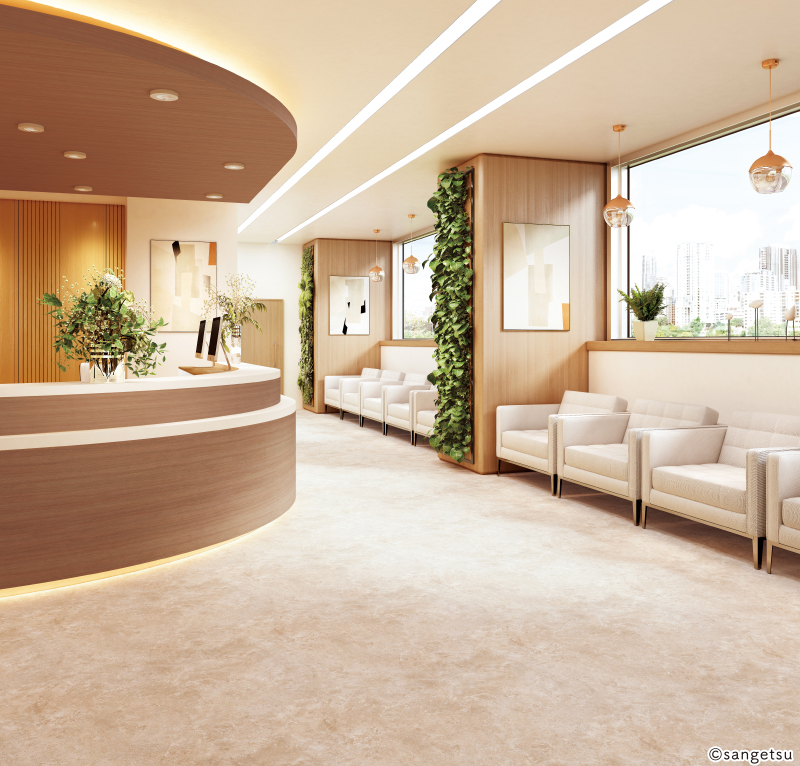
The waiting room is where patients spend the most time and form their strongest impressions. Luxury vinyl tile (LVT) is an excellent choice here — it offers design versatility, is easy to clean, and provides a more welcoming aesthetic than sheet vinyl. Stone-look or wood-look LVT creates a sophisticated, professional atmosphere.
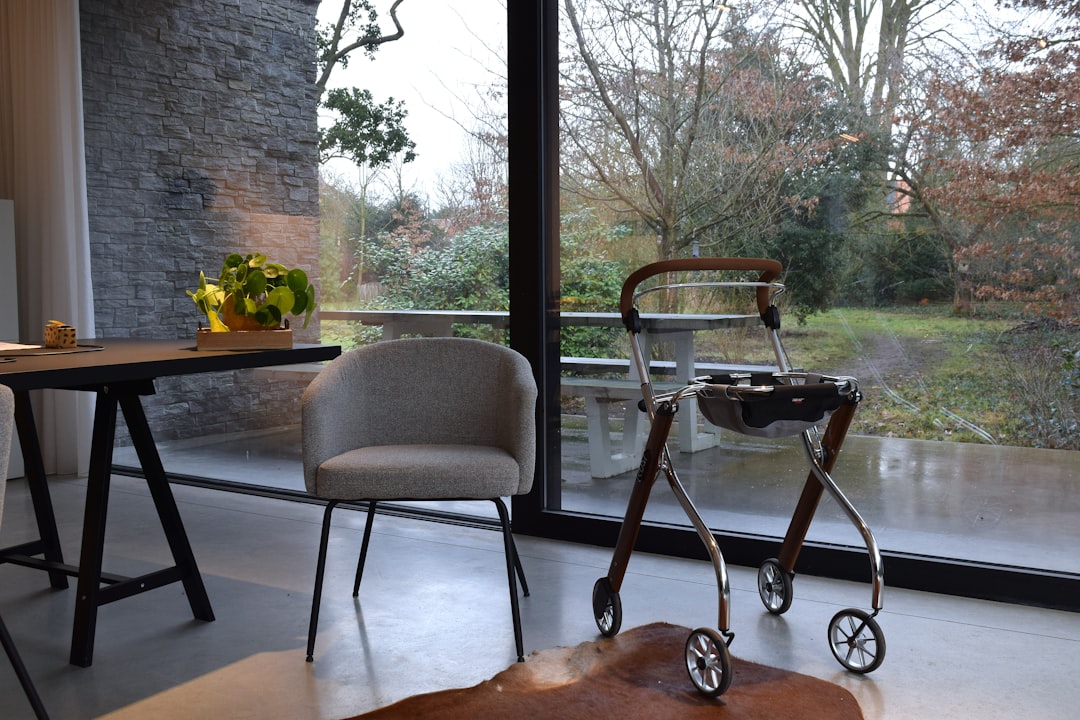
Slip resistance is important in all clinic areas. Patients may be unsteady, elderly, or using mobility aids, making a non-slip surface a safety essential. Ensure that specified flooring meets a minimum R10 slip rating for dry areas.
Corridor and Transition Zones
Corridors in clinics endure constant foot traffic and wheelchair or trolley movement. Durable vinyl flooring with a reinforced wear layer handles this well. Using flooring colour to create subtle wayfinding — lighter tones in patient areas, distinct tones in staff-only zones — aids navigation without the need for excessive signage.
Wall Treatments for a Healing Environment
Clinic walls must be easy to clean, resistant to marks and scuffs, and contribute to a calming atmosphere. Paint has traditionally been the default, but commercial-grade wallcoverings offer significant advantages.
Vinyl wallcoverings are wipeable, durable, and available in a vast range of colours and textures. In waiting rooms and corridors, they outperform paint in both durability and visual quality — paint scuffs and marks easily in high-traffic areas, while vinyl wallcovering maintains its appearance for years.
Colour selection matters. Cool blues and greens are proven to reduce anxiety and promote calm — ideal for waiting rooms and consultation areas. Warm neutrals work well in reception areas where a welcoming first impression is the priority. Avoid stark whites, which can feel cold and clinical, and very dark colours, which can make small clinic spaces feel cramped.
Feature Walls
A thoughtfully designed feature wall in the reception area establishes the clinic’s identity. A textured wallcovering in a calming tone, or a subtle nature-inspired pattern, can differentiate a clinic from the generic white-walled practices that dominate many Singapore shophouses and commercial units.
Furniture, Fabric, and Soft Furnishings
Clinic furniture must be hygienic, durable, and comfortable. In waiting areas, upholstered seating is more comfortable than bare plastic chairs, but the fabric must be appropriate for a healthcare setting.
Performance fabrics with antimicrobial properties and fluid-barrier technology are designed for healthcare seating. They resist stains, withstand cleaning with disinfectant solutions, and inhibit bacterial growth on the surface. These fabrics are available in a range of colours and textures that look and feel far more inviting than institutional vinyl upholstery.
Curtains and privacy screens in treatment rooms should also use healthcare-appropriate fabrics. Fabrics that are machine-washable or wipeable simplify infection control protocols while maintaining a professional appearance.
- Waiting room seating: Performance fabric with antimicrobial treatment, minimum 50,000 Martindale rubs.
- Treatment room curtains: Machine-washable or antimicrobial fabric for easy maintenance.
- Reception desk upholstery: Stain-resistant fabric that withstands daily contact.
Layout and Patient Flow
Effective clinic design considers the patient journey from arrival to departure. A logical layout reduces confusion, minimises wait times, and ensures privacy at each stage.
The reception desk should be visible immediately upon entry, with the waiting area clearly adjacent. Consultation rooms should be accessible from the waiting area without requiring patients to navigate through staff-only or treatment zones. In Singapore shophouse clinics where space is linear, the typical flow runs from reception at the front through waiting, to consultation rooms, and treatment areas toward the rear.
Privacy is a design requirement, not just an ethical one. Acoustic separation between the reception counter and waiting area prevents other patients from overhearing personal information. Consultation rooms need solid walls and well-sealed doors — partition walls that do not reach the ceiling compromise confidentiality.
Final Thoughts
Clinic interior design in Singapore must balance clinical standards with human comfort. The right combination of hygienic flooring, durable wallcoverings, healthcare-grade fabrics, and thoughtful layout creates an environment where patients feel confident and cared for from the moment they walk in.
Investing in quality materials pays dividends through improved patient satisfaction, easier maintenance, and a professional image that supports the clinic’s reputation.
Book an appointment with our team to discuss healthcare-grade flooring, wallcovering, and fabric solutions for your clinic.