Articles / Carpet & Flooring / Interior Design
Colourful School Classroom Carpet Tiles for Comfort, Focus and Flexibility
Introduction: Classroom Flooring as a Long-Term Investment
In schools, classroom flooring is one of the most enduring interior decisions. Unlike furniture or teaching tools, it remains in place for years, absorbing daily wear from students, staff, and evolving classroom layouts. When flooring is treated as a short-term aesthetic choice, schools often face higher maintenance costs, premature replacement, and disruption to learning.
Classrooms are dynamic spaces. Desks are moved, activities change, and students spend long periods standing, sitting, or working close to the floor. Flooring must support comfort, acoustics, and safety while maintaining a consistent appearance under continuous use. Colour choices add another layer of responsibility, influencing mood and behaviour over time.
This is why colourful school classroom carpet tiles should be specified as part of a long-term investment strategy. When colour, material performance, and modularity are aligned with real classroom needs, carpet tiles support learning environments that remain functional, adaptable, and visually stable throughout their lifecycle.
What Schools Actually Need From Classroom Flooring
Classroom flooring must perform reliably under constant use. Students move continuously throughout the day, chairs and desks are reconfigured for different activities, and floors are often used for group work and informal seating. These conditions place repeated stress on surfaces, making durability and resilience essential.
Acoustic control is another critical requirement. Excessive noise affects concentration and communication, particularly in busy classrooms. Flooring that absorbs sound helps reduce background noise and improves speech clarity. Comfort and safety also matter, especially for younger students who spend time sitting or moving on the floor. A surface that feels warm and forgiving underfoot supports longer periods of engagement.
Visual appeal alone cannot meet these demands. While colour and design contribute to atmosphere, flooring must also withstand wear, support cleaning routines, and maintain appearance over time. This is why colourful school classroom carpet tiles must balance aesthetics with performance, ensuring classrooms function effectively long after installation.
Colour in Classrooms: Purpose Before Preference
Colour in classrooms has a measurable impact on how students behave, focus, and manage energy levels throughout the day. Certain tones can support calm and concentration, while others introduce stimulation that may be useful in short bursts but distracting over long periods. Because flooring sits constantly within peripheral vision, its colour influence is persistent rather than occasional.
The risk arises when colour choices are driven by preference rather than purpose. Overusing bright or randomly mixed palettes can create visual noise, making classrooms feel restless or overwhelming. What appears engaging at first may lead to fatigue when students are exposed to it for hours each day.
Making colour work across different age groups requires restraint and understanding. Younger learners may benefit from clearer visual cues and gentle variation, while older students often respond better to more subdued environments. This is where school classroom carpet tiles must be specified thoughtfully, using colour to support learning outcomes rather than compete for attention.
Why Carpet Tiles Remain Relevant in Modern Classrooms
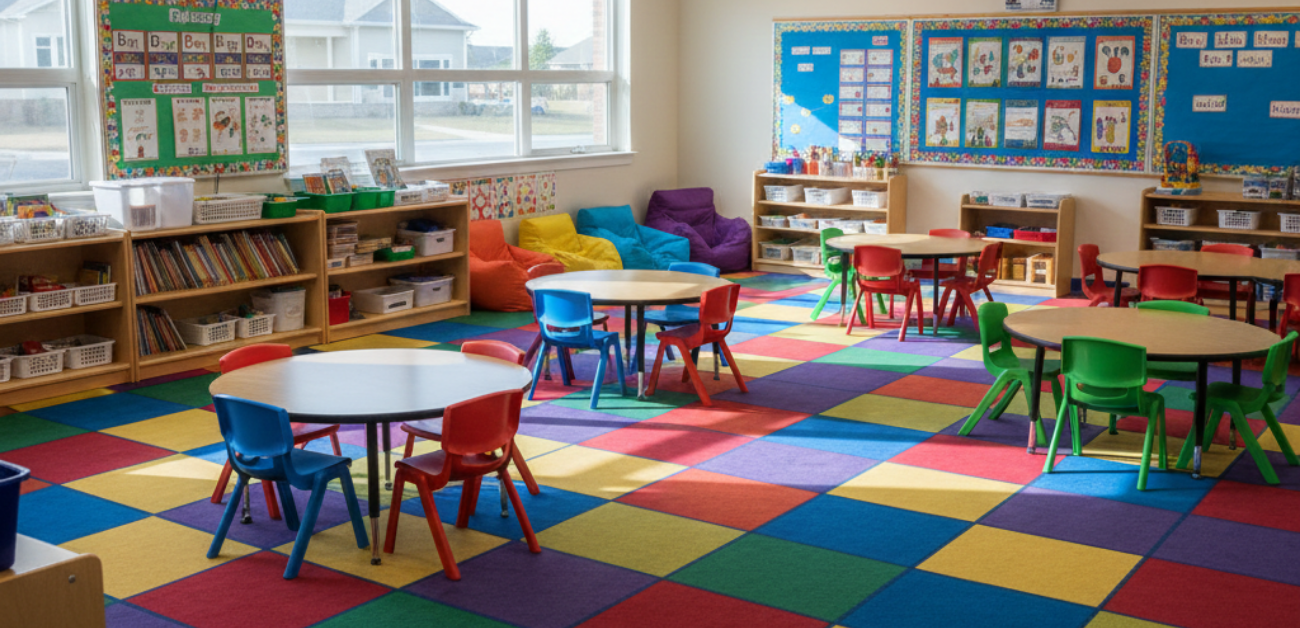
Despite the availability of many flooring options, carpet tiles continue to play an important role in modern classrooms. One of their key advantages is noise reduction. By absorbing sound rather than reflecting it, carpet tiles help improve speech clarity and reduce background noise, supporting better communication between teachers and students.
Comfort is another factor. Classrooms are long-duration environments where students sit, stand, and move for extended periods. A softer surface provides greater underfoot comfort and reduces fatigue, particularly in spaces where floor-based activities are common. This contributes to a more supportive learning atmosphere.
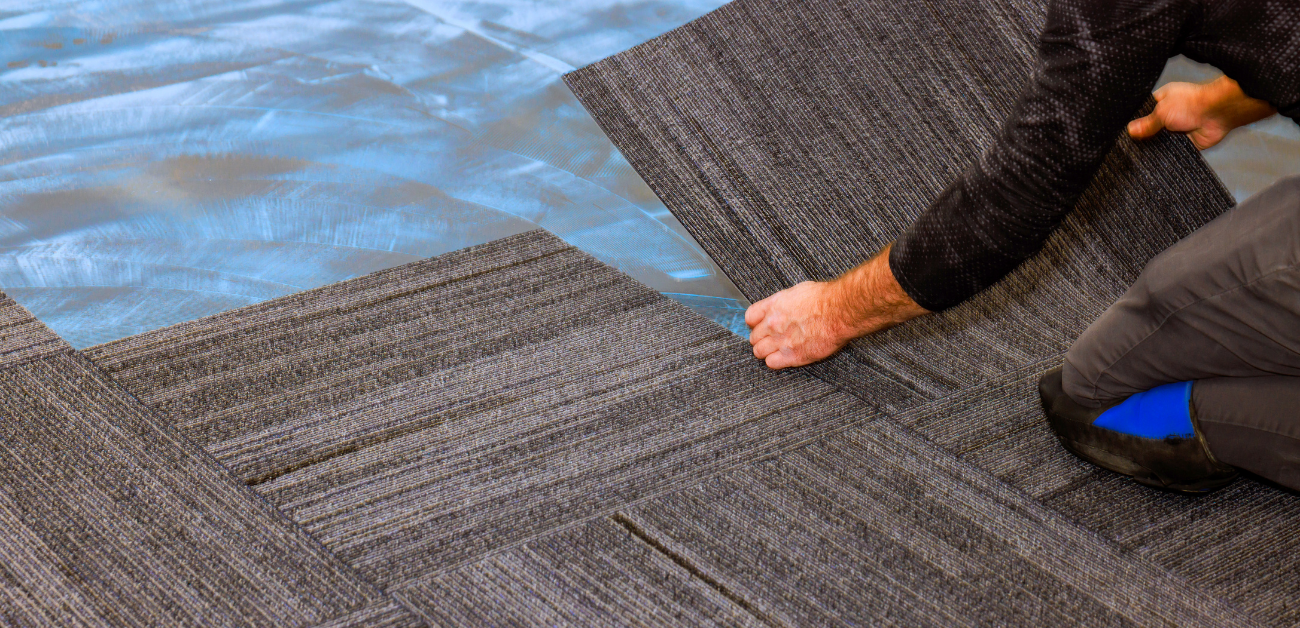
The modular nature of carpet tiles offers practical benefits over hard flooring. Individual tiles can be replaced if damaged, avoiding full-floor disruption. This flexibility suits classrooms that change layouts or experience uneven wear. When specified as school classroom carpet tiles, this system allows schools to balance functional performance with controlled use of colour in learning spaces.
Designing School Classroom Carpet Tiles Colourful Without Visual Fatigue

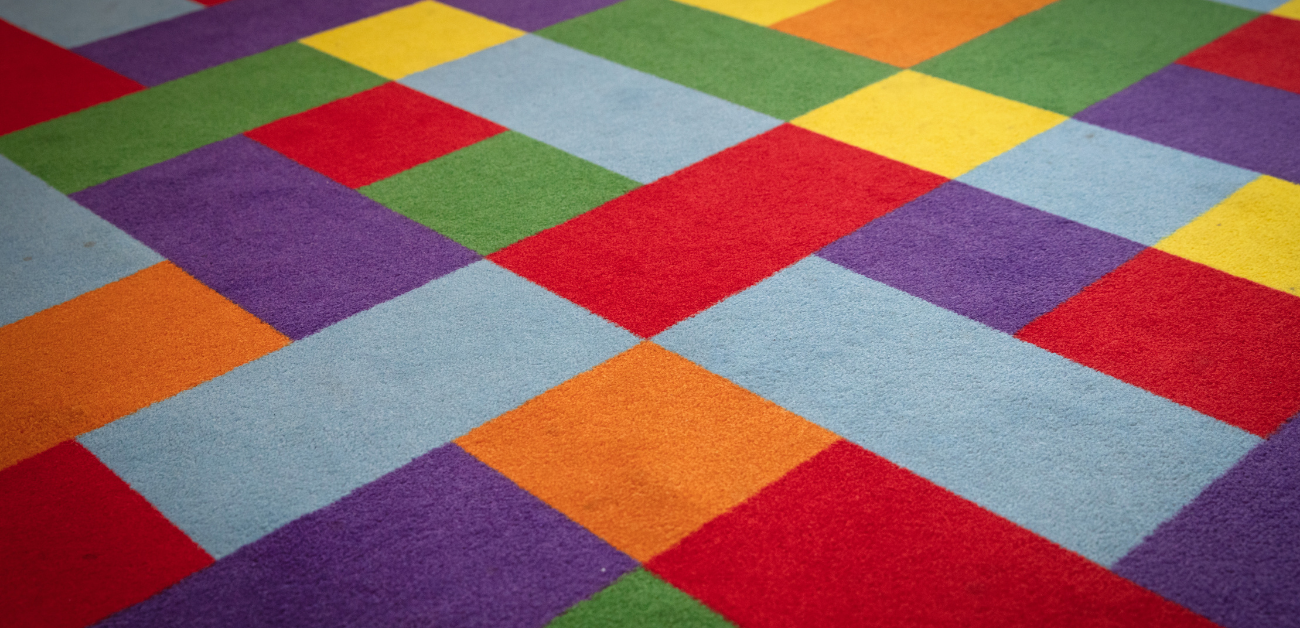
Colourful classroom flooring requires control rather than excess. Patchwork layouts that mix too many colours or contrasts may appear lively at first, but over time they can become visually tiring. Because students are exposed to classroom floors for hours every day, colour systems need to be calm, balanced, and predictable.
Controlled palettes work more effectively than random combinations. Limiting the number of colours and managing contrast allows flooring to support orientation and structure without overwhelming the space. Subtle variation can introduce interest while still providing visual rest, which is especially important in classrooms that demand sustained focus.
Colour can also be used strategically for zoning. Differentiating areas for group work, reading, or circulation helps organise the classroom without adding physical barriers. When designing colourful school classroom carpet tiles, the goal should be long-term comfort rather than immediate impact. Flooring that remains visually supportive over years of exposure delivers far greater value than designs created to impress at first glance.
Durability, Cleaning, and Real Maintenance Conditions
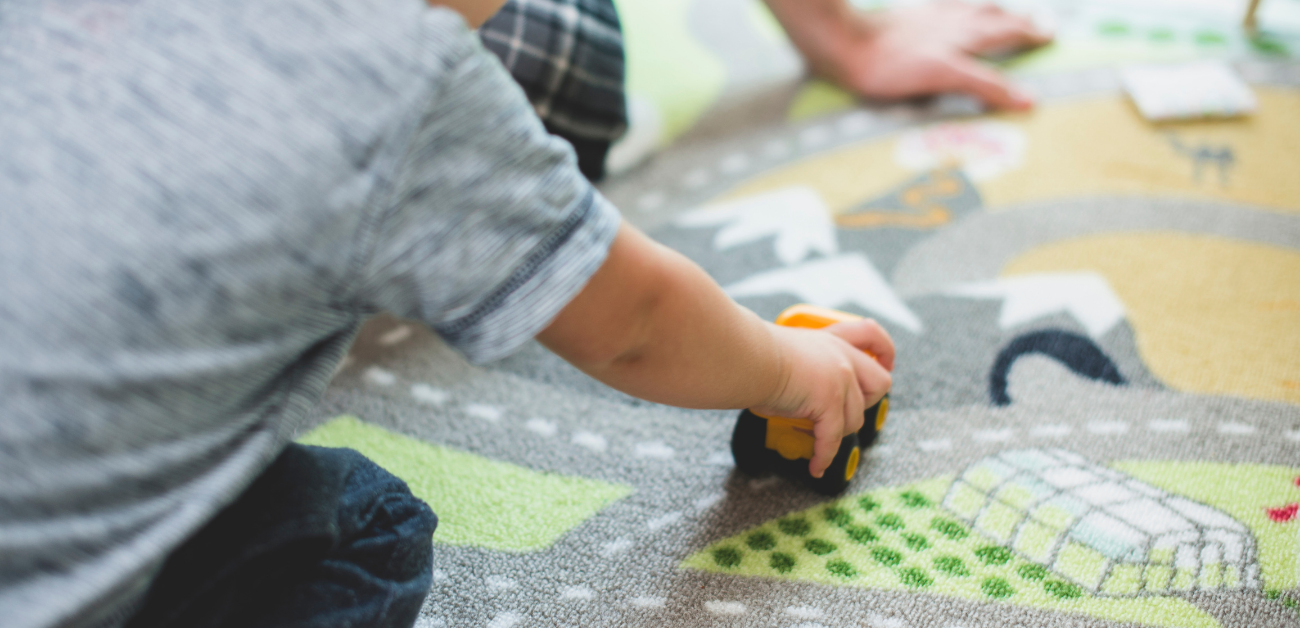
Classroom flooring is exposed daily to stains, spills, and regular cleaning routines. Food and drink accidents, art materials, and dirt tracked in from outdoors all place pressure on carpet performance. Cleaning must be frequent and efficient, often carried out within limited timeframes by facilities teams managing multiple spaces at once.
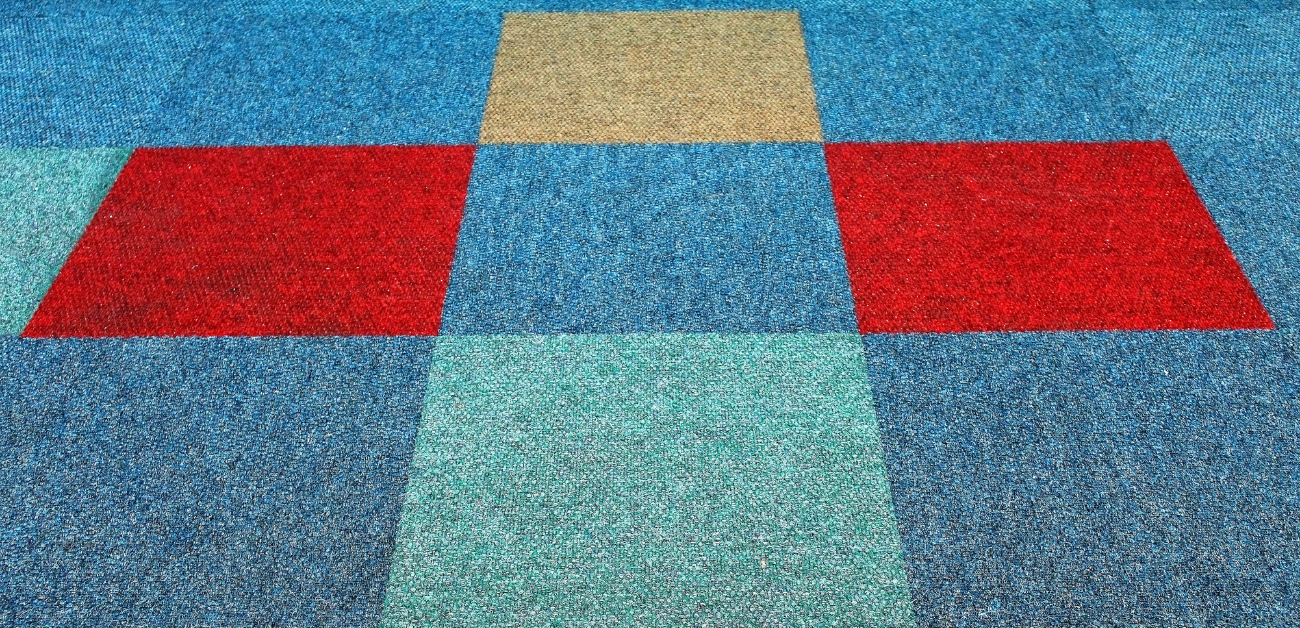
Colour choice plays a significant role in perceived cleanliness. Very light colours may show stains quickly, while overly dark tones can highlight dust and lint. Mid-tones and controlled colour variation tend to perform better visually, helping floors look clean for longer between cleaning cycles. This balance reduces the psychological impact of wear, even when usage is heavy.
Selecting carpet tiles that retain their appearance over time requires attention to fibre performance, colour stability, and construction quality. When specified correctly, school classroom carpet tiles can withstand repeated cleaning and daily wear while maintaining a consistent, presentable look. This durability reduces maintenance strain and helps classrooms remain visually stable throughout their lifecycle.
Flexibility for Changing Classrooms and Curricula
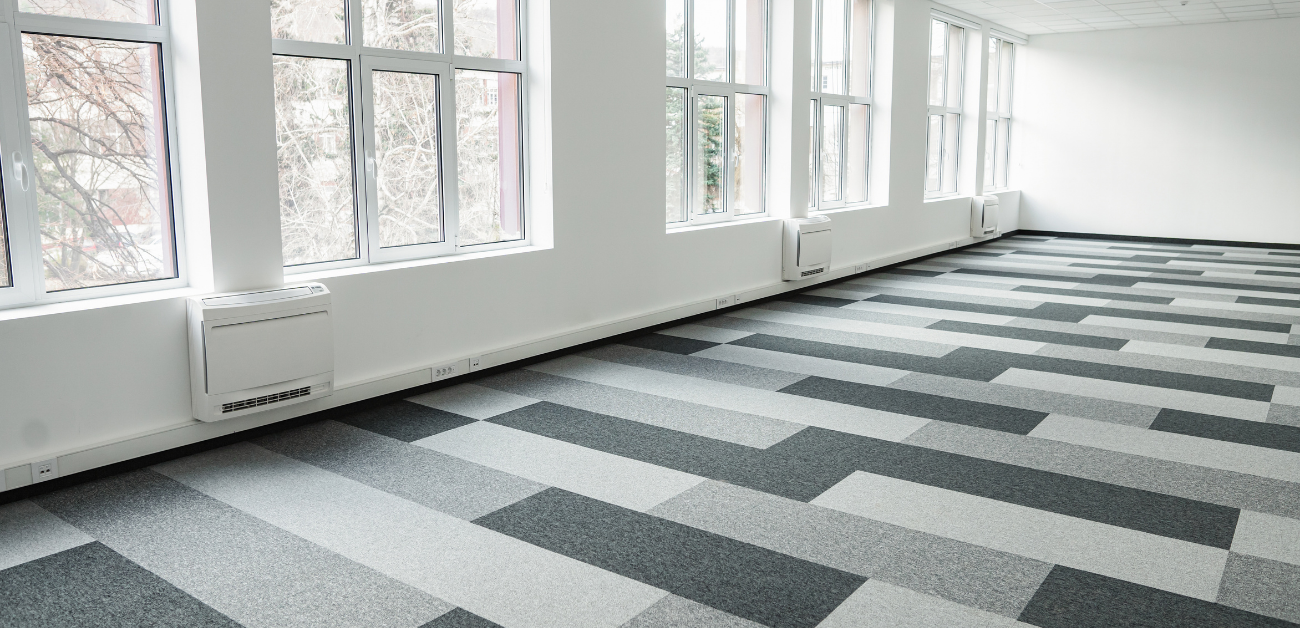
Classrooms rarely remain static. Teaching methods evolve, furniture layouts change, and spaces are frequently adapted to support new curricula or learning approaches. Flooring must accommodate these changes without becoming a constraint or requiring extensive intervention.
Carpet tiles offer flexibility that fixed flooring systems cannot. Individual tiles can be lifted and replaced when damaged or when layouts shift, allowing upgrades to happen in phases rather than through full-floor replacement. This approach reduces disruption to teaching schedules and avoids the need for large-scale closures during maintenance or refurbishment.
Modular flooring suits education environments because it aligns with how schools operate over time. When specified as school classroom carpet tiles, this flexibility extends to design as well. Colour zones can be adjusted, refreshed, or expanded as classrooms evolve, ensuring flooring continues to support both functional and educational needs without unnecessary cost or downtime.
Budget Control and Lifecycle Value for Schools
Budget decisions in schools are rarely about upfront cost alone. Flooring that appears economical at installation often carries higher ownership costs through frequent cleaning, premature wear, and earlier replacement. Over time, these hidden expenses place pressure on maintenance budgets and disrupt learning schedules.
Lifecycle value depends on how long a floor performs under real conditions. Short replacement cycles increase labour costs and require careful planning around academic calendars. In contrast, materials that retain appearance and function reduce intervention and allow maintenance teams to plan more predictably.
Value-driven specification prioritises performance over price. Selecting colourful school classroom carpet tiles with proven durability and modular flexibility helps schools control long-term costs. Individual tile replacement, reduced downtime, and stable appearance all contribute to better lifecycle outcomes. When schools evaluate flooring based on total ownership cost rather than lowest initial price, they make decisions that support both financial sustainability and consistent learning environments.
Conclusion: Flooring as Part of the Learning Infrastructure

Classroom flooring plays a quiet but influential role in how learning environments function. It affects acoustics, comfort, behaviour, and the overall atmosphere students experience each day. When flooring is treated as an afterthought, schools often face higher maintenance demands and spaces that fail to support learning effectively.
By approaching colourful school classroom carpet tiles as part of the learning infrastructure, schools can balance visual engagement with long-term performance. Controlled use of colour, combined with durable, modular systems, supports environments that remain adaptable, comfortable, and visually stable over time.
Within this context, Goodrich Global works with education projects that prioritise durability, flexibility, and thoughtful design. Its focus on performance-driven flooring solutions encourages schools and designers to look beyond short-term aesthetics and consider how classroom environments can be supported sustainably over the full lifecycle of the space.