Articles / Commercial Interiors / Fabric & Upholstery
How Custom Fabric Printed Curtains for Commercial Projects Improve Performance

Introduction: Why Customisation Is Redefining Commercial Interiors
Commercial spaces are no longer designed for function alone. Hotels compete through immersive aesthetics, corporate offices reflect brand identity, and healthcare facilities balance professionalism with comfort. Interior elements that were once purely practical now influence perception, experience, and brand positioning.
Custom Fabric printed curtains for commercial projects reflect this evolution. Instead of relying on standard patterns, designers and developers increasingly specify bespoke prints, branded graphics, and coordinated colour palettes integrated directly into curtain systems. A necessary furnishing becomes part of the visual language of the space.
This shift aligns with growing client expectations for differentiation and cohesion across large developments. Decision makers are evaluating how custom fabric printed curtains for commercial projects contribute to atmosphere, storytelling, and user experience while still meeting technical and compliance standards required in commercial environments.
What Are Custom Fabric Printed Curtains for commercial projects?

Custom fabric printed curtains for commercial projects are purpose-designed curtain systems produced using tailored graphics, colours, or patterns to meet specific project requirements. In a commercial context, they combine aesthetic customisation with technical performance standards required for hospitality, healthcare, retail, and corporate environments.
Modern production typically relies on digital textile printing, which allows precise colour control, detailed imagery, and scalable repeat patterns. Unlike traditional dyeing methods that apply uniform colour across fabric, digital printing enables complex designs to be embedded directly onto the textile surface with consistency across large volumes.
Fabric bases commonly include durable polyester, polyester blends, and flame-retardant fabrics that comply with commercial safety regulations. Performance characteristics such as wash durability, colourfastness, and light resistance are integral to selection.
Unlike off-the-shelf curtains that offer limited design options, custom fabric printed curtains for commercial projects are specified to align with architectural concepts. Architects often include them in tenders to ensure brand cohesion, design intent continuity, and controlled execution at scale.
Design Strategy & Brand Integration

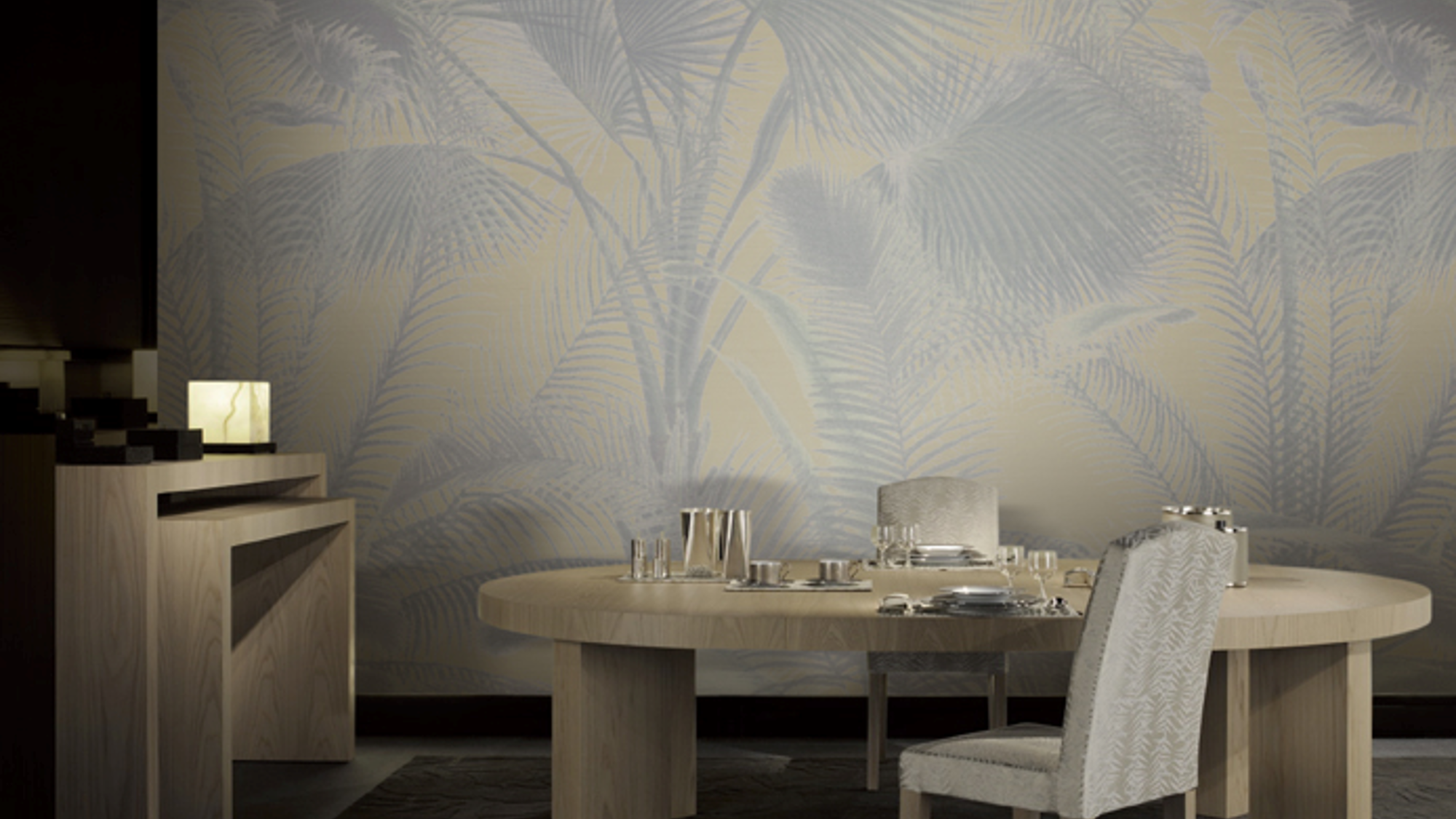
In commercial interiors, curtains are no longer passive background elements. Custom fabric printed curtains for commercial projects function as large-scale visual surfaces that can reinforce brand identity and spatial storytelling. When integrated thoughtfully, they contribute to a cohesive narrative that extends across walls, furnishings, and architectural details.
In hospitality environments, printed curtains may reflect local culture, signature brand motifs, or seasonal themes, strengthening experiential design. In retail spaces, coordinated patterns can guide visual flow and subtly support wayfinding. Corporate offices often use tailored graphics or brand colours to reinforce company values and create a consistent environment across meeting rooms, lounges, and work areas.
Colour psychology also plays a measurable role. Warm tones may enhance comfort in hotels, while cooler palettes can convey professionalism in corporate settings. Strategic pattern placement can influence perceived space, light, and mood.
The impact extends beyond aesthetics. Well-executed custom fabric printed curtains for commercial projects enhance client perception, improve brand recall, and contribute to an environment that feels intentional rather than standardised.
Performance Requirements Beyond Aesthetics

Design alone is not enough. Custom fabric printed curtains for commercial projects must meet strict commercial performance standards to be viable at scale. Flame retardancy compliance is mandatory across hospitality, healthcare, and corporate environments, making certified FR fabrics essential.
Durability is equally critical. Curtains must maintain colourfastness and structural integrity after repeated laundering. Fading, print distortion, or fabric weakening can quickly undermine both brand presentation and replacement budgets.
In buildings with large glass façades, UV resistance protects printed graphics from premature deterioration. In some projects, acoustic contribution also influences fabric selection, particularly in offices and meeting spaces.
Sustainability is increasingly part of the evaluation process. Low-impact inks and durable base fabrics support longer lifecycles and responsible sourcing goals.
For large-scale developments, documented performance testing is not optional. It ensures that custom fabric printed curtains deliver consistent quality, safety compliance, and long-term reliability.
Operational & Procurement Considerations

Specifying custom fabric printed curtains for commercial projects requires careful coordination beyond design approval. Lead times are a primary factor, especially for large developments where bulk production must align with construction schedules. Digital printing allows flexibility, but artwork finalisation, sampling, and mass production still require structured planning.
Installation compatibility is another practical concern. Curtain dimensions, header types, and fabric weight must align with existing or specified track systems. Misalignment can cause delays or additional retrofitting costs.
Budget evaluation often compares custom options to ready-made alternatives. While off-the-shelf curtains may offer lower upfront pricing, custom solutions provide brand alignment and controlled quality. Over time, durability and reduced replacement frequency can support stronger lifecycle value.
Vendor reliability is equally critical. Commercial projects demand consistent quality across large volumes, accurate colour matching, and dependable delivery timelines. Execution capability, including sampling accuracy and batch consistency, directly influences project outcomes. For procurement teams, the decision is not only about customisation but about securing predictable performance at scale.
Market Demand & Industry Trends

Demand for custom fabric printed curtains is expanding alongside growth in hospitality and mixed-use developments. As hotels, serviced apartments, and integrated commercial complexes increase globally, developers are prioritising interiors that differentiate their properties in competitive markets.
Corporate branding within physical spaces is also gaining importance. Offices are designed to reflect the company’s identity, culture, and values. Custom printed textiles contribute to cohesive environments that align with brand guidelines across meeting rooms, lobbies, and collaborative spaces.
Retail environments have become increasingly experience-driven. Visual storytelling, thematic layouts, and immersive design elements influence customer engagement. Printed curtains support seasonal concepts and brand campaigns without requiring structural renovation.
Sustainable printing technologies are further shaping the market. Water-efficient digital printing and low impact inks align with growing environmental expectations. At the same time, localised customisation is in demand, with developers seeking region-specific designs that reflect cultural context. Together, these trends position custom fabric printed curtains as both a design solution and a strategic asset.
Conclusion: Customisation as Competitive Advantage

In today’s commercial landscape, curtains are no longer secondary design elements. Custom fabric printed curtains for commercial projects function as strategic interior assets that combine branding, functionality, and compliance within a single specification. When thoughtfully executed, they reinforce spatial identity while meeting the technical standards required in high-traffic environments.
The long-term value lies in cohesion and durability. Consistent visual language across properties strengthens brand recognition, while certified performance ensures safety and lifecycle efficiency. Customisation, when supported by tested materials and reliable production, becomes an investment rather than an indulgence.
For project stakeholders navigating these demands, expertise in both design execution and performance textiles is essential. Goodrich Global operates at this intersection, supporting commercial developments with solutions that align aesthetic ambition with practical, standards-driven performance.