Interior Design
Dark Flooring in Interior Design: Tips for Bold Floors
The Case for Dark Flooring
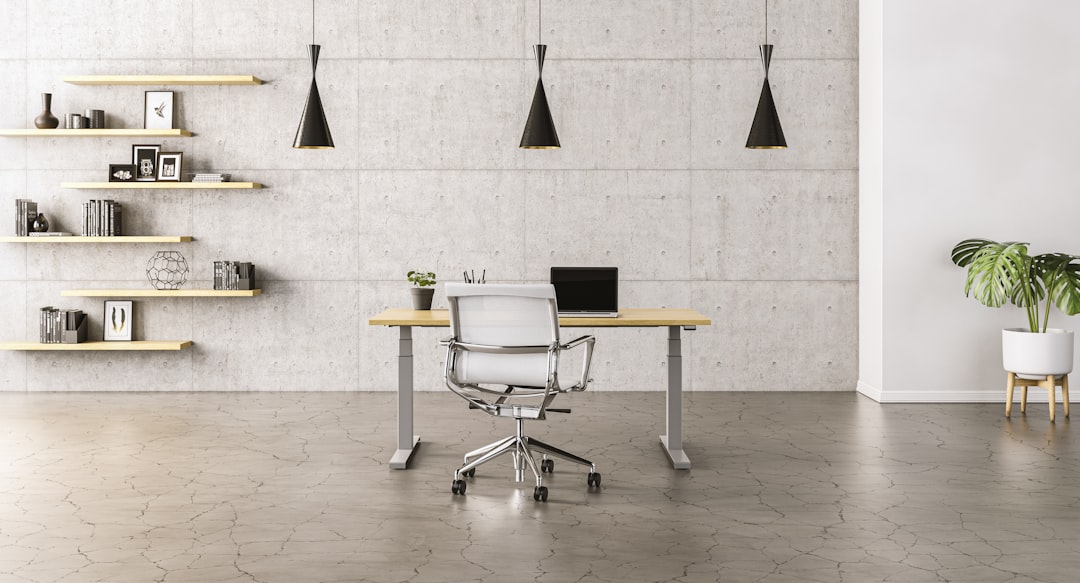
Dark flooring — deep walnut, espresso oak, charcoal grey, or black — makes a bold design statement. It anchors a room, creates a sense of groundedness, and provides a dramatic canvas against which furniture, art, and architectural details stand out sharply.
Dark floors have been a staple of luxury interiors for centuries, from the ebony parquetry of European palaces to the dark-stained timber of Japanese teahouses. In modern Singapore homes, dark flooring continues to appeal to homeowners who want a sophisticated, high-contrast interior.
Benefits of Dark Flooring
- Dramatic impact: Dark floors create immediate visual presence that lighter floors cannot achieve
- Furniture showcase: Light-coloured and colourful furniture pops against a dark background
- Warmth and cosiness: Dark tones create an intimate, enveloping atmosphere
- Timeless appeal: Dark wood tones and slate greys do not date as quickly as trend-driven colours
- Luxury perception: Dark flooring is universally associated with premium, high-end spaces
Challenges to Consider
Dark flooring is not without its practical demands. Understanding these challenges beforehand helps you plan accordingly:
- Shows dust and debris: Every speck of dust, pet hair, and lint is visible on dark surfaces. Regular cleaning is essential.
- Shows scratches: Surface scratches are more noticeable on dark finishes than on lighter ones
- Can make rooms feel smaller: In compact HDB bedrooms, dark flooring can feel heavy without balancing lighter elements
- Footprints and smudges: High-gloss dark flooring shows footprints readily — matte or satin finishes are more forgiving
Dark Flooring Materials
| Material | Dark Tone Options | Durability | Maintenance |
|---|---|---|---|
| Luxury vinyl (LVT/SPC) | Dark oak, walnut, slate, marble effects | High — scratch and water resistant | Low — sweep and mop |
| Engineered hardwood | Espresso, dark walnut, wenge | Moderate — can be refinished | Moderate — needs periodic recoating |
| Laminate | Dark wood prints | Moderate | Low — avoid excess water |
| Porcelain tile | Dark stone, concrete effects | Very high | Low — stain resistant |
| Natural stone | Black granite, dark slate | Very high | Moderate — needs sealing |
Luxury vinyl in dark tones is particularly popular in Singapore. It delivers the visual impact of dark hardwood or stone without the maintenance concerns, and its waterproof construction handles Singapore’s humidity without warping or swelling.
Colour Pairing Strategies
Light Walls, Dark Floor
The most reliable approach. White, cream, pale grey, or soft pastel walls create maximum contrast with dark flooring, preventing the room from feeling enclosed. This combination suits rooms of any size and is the recommended starting point for compact HDB and condo spaces.
Dark Floor with Warm Wood Tones
Introduce warm timber through furniture — a light oak dining table, teak shelving, or rattan accent pieces. The contrast between warm wood and dark flooring creates visual layering and prevents the dark floor from feeling cold.
Dark Floor with Bold Colour
Dark flooring absorbs visual weight, making it an excellent backdrop for saturated accent colours. A deep blue sofa, an emerald armchair, or mustard cushions stand out vividly against a dark floor. This approach suits homeowners who enjoy colour but want it grounded by a neutral base.
Monochrome Dark Palette
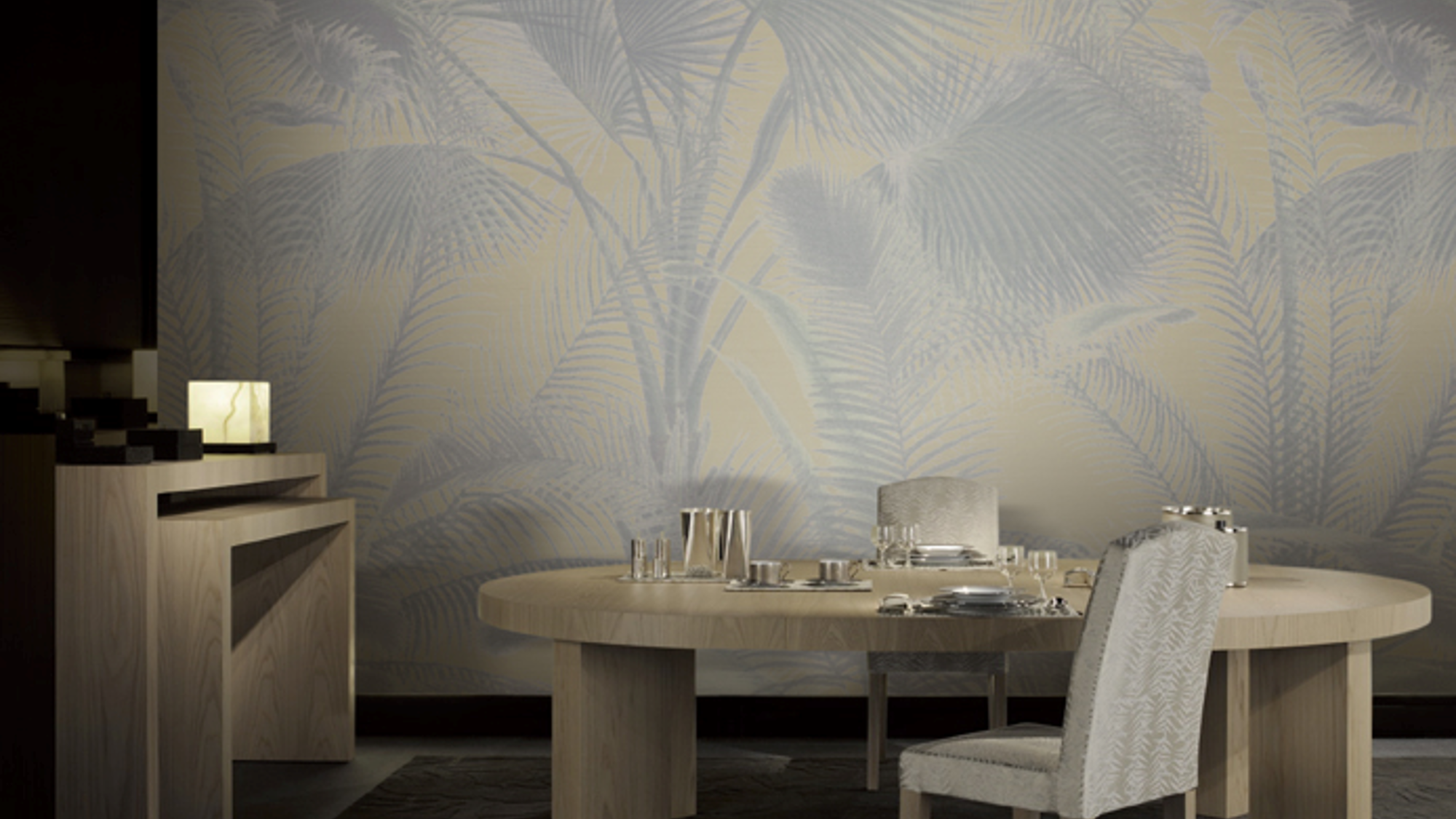
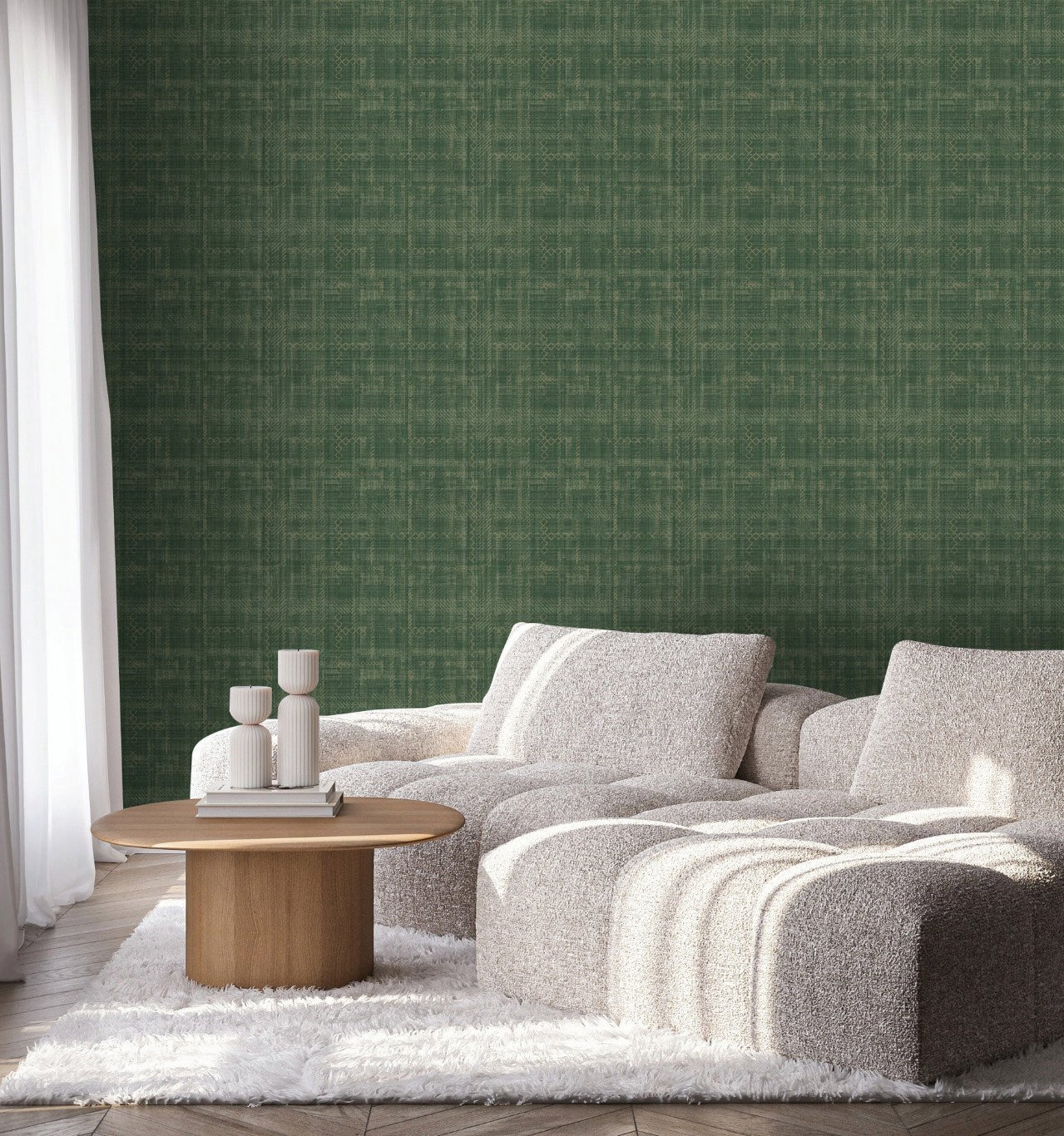
For a dramatic, moody interior, carry dark tones from the floor up the walls. Dark wallpaper or deep-coloured paint, paired with dark flooring, creates a cocoon-like atmosphere. This works best in rooms with good natural light or generous artificial lighting to prevent the space from feeling oppressive.
Furniture Selection
Light-Coloured Furniture
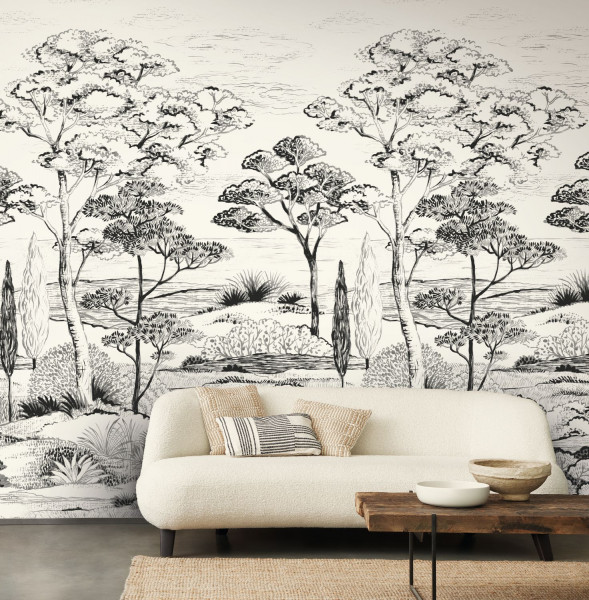
Light furniture on dark flooring creates the strongest contrast and draws attention to your furnishing choices. White, cream, light grey, and natural linen upholstery all work beautifully. This is the safest approach for most rooms.
Dark Furniture on Dark Flooring
This can work, but requires careful execution. The furniture must differ in tone or texture from the floor — a matte charcoal sofa on a glossy dark floor, for instance. Without differentiation, furniture visually merges with the floor, losing definition.
Metallic and Glass Accents
Brass, gold, chrome, and glass elements add lightness and reflectivity that lifts a dark-floored room. A glass coffee table, brass floor lamp, or mirrored side table prevents the lower portion of the room from feeling heavy.
Rugs on Dark Flooring
Rugs serve two purposes on dark flooring: they break up the dark expanse and add textural warmth. Guidelines for rug selection:
- Light-coloured rugs: Create contrast and define seating areas clearly. Cream, ivory, and soft grey are classic choices.
- Patterned rugs: Geometric or abstract patterns that incorporate both light and dark tones bridge the floor colour with lighter furnishings.
- Textured rugs: A plush or high-pile rug adds tactile contrast to a smooth dark floor.
- Avoid very dark rugs: A dark rug on dark flooring disappears visually and adds nothing to the composition.
Lighting Dark-Floored Rooms
Dark floors absorb more light than pale ones, so lighting strategy matters more in these spaces.
- Increase light sources: Dark-floored rooms need more light fixtures than equivalent light-floored rooms
- Layer your lighting: Combine overhead fixtures, floor lamps, table lamps, and accent lighting
- Use warm-toned bulbs: Warm white (2700-3000K) enhances the richness of dark wood tones. Cool white can make dark floors look flat.
- Maximise natural light: Keep window treatments light and sheer during the day to let in maximum sunlight
- Add reflective surfaces: Mirrors, glass, and polished metals bounce light around the room
Room-by-Room Guidance
Living Room
Dark flooring works exceptionally well in living rooms, especially when the space has good natural light and high ceilings. Use area rugs to define zones and choose light upholstery fabrics for the main seating.
Bedroom
Dark bedroom flooring creates a cocoon-like sleeping environment. Balance with light bedding, pale curtains, and warm lighting. A light-coloured rug beside the bed softens the transition from sleep to standing.
Kitchen and Dining
Dark flooring adds sophistication to kitchens with light cabinetry. The contrast between white or pale cabinets and dark flooring is a timeless combination. In dining areas, dark floors elevate the formality of the space.
Hallway
Dark flooring in hallways creates a dramatic transition between rooms. Keep hallway walls light and add adequate lighting — dark corridors without sufficient light feel unwelcoming.
Finish Matters
The sheen level of your dark flooring affects both appearance and practicality:
- Matte finish: Hides scratches, footprints, and dust best. The most practical choice for homes with children and pets.
- Satin finish: A subtle sheen that balances elegance with practicality. Shows less wear than gloss but more than matte.
- High gloss: The most dramatic look but shows every mark. Requires meticulous cleaning. Best reserved for low-traffic areas.
Make a Bold Statement
Dark flooring rewards thoughtful design with rooms that feel grounded, sophisticated, and visually striking. The key is balancing the floor’s weight with lighter elements above and ensuring adequate lighting throughout.
Visit the Goodrich Gallery to see our full collection and experience dark flooring samples in person to find the perfect tone and texture for your home.