Interior Design
Dark and Moody Interior Design: Creating Drama
Dark moody interior design has moved firmly into the mainstream, challenging the long-held assumption that Singapore homes must be light and airy to feel comfortable. Characterised by deep colour palettes, rich textures, and layered lighting, this design direction creates spaces that feel intimate, sophisticated, and distinctly dramatic — a welcome counterpoint to the ubiquitous white-and-wood aesthetic.
This guide explores how to execute dark moody interiors successfully in Singapore’s residential context, where compact spaces, tropical light, and practical concerns require a considered approach to going dark.
Why Dark Interiors Work
The conventional wisdom that dark colours make rooms feel smaller is an oversimplification. While light colours do reflect more light, dark colours create depth and atmosphere that can actually make walls appear to recede, blurring the boundaries of a room and creating a sense of expansiveness through ambiguity.
Dark interiors also provide a powerful backdrop for furniture, art, and decorative objects. A painting that might disappear against a white wall becomes a luminous focal point against deep charcoal. Light-toned furniture gains visual weight and presence in a dark room. The contrast is what creates visual energy.
In practical terms, dark walls are more forgiving of imperfections. Scuffs, marks, and the subtle irregularities of older walls are far less visible against a dark surface than a white one — a genuine advantage in Singapore’s ageing HDB stock and older condominiums.
Building a Dark Colour Palette
The success of a dark moody interior depends on the quality and complexity of its colour palette. Flat black is rarely the answer — depth comes from nuanced, complex colours that shift in different lighting conditions.
Defining Colours
The most effective dark moody palettes centre on colours with warmth and character:
- Deep navy: Rich and versatile, navy reads as softer than black while providing similar depth. Pairs beautifully with brass and warm timber.
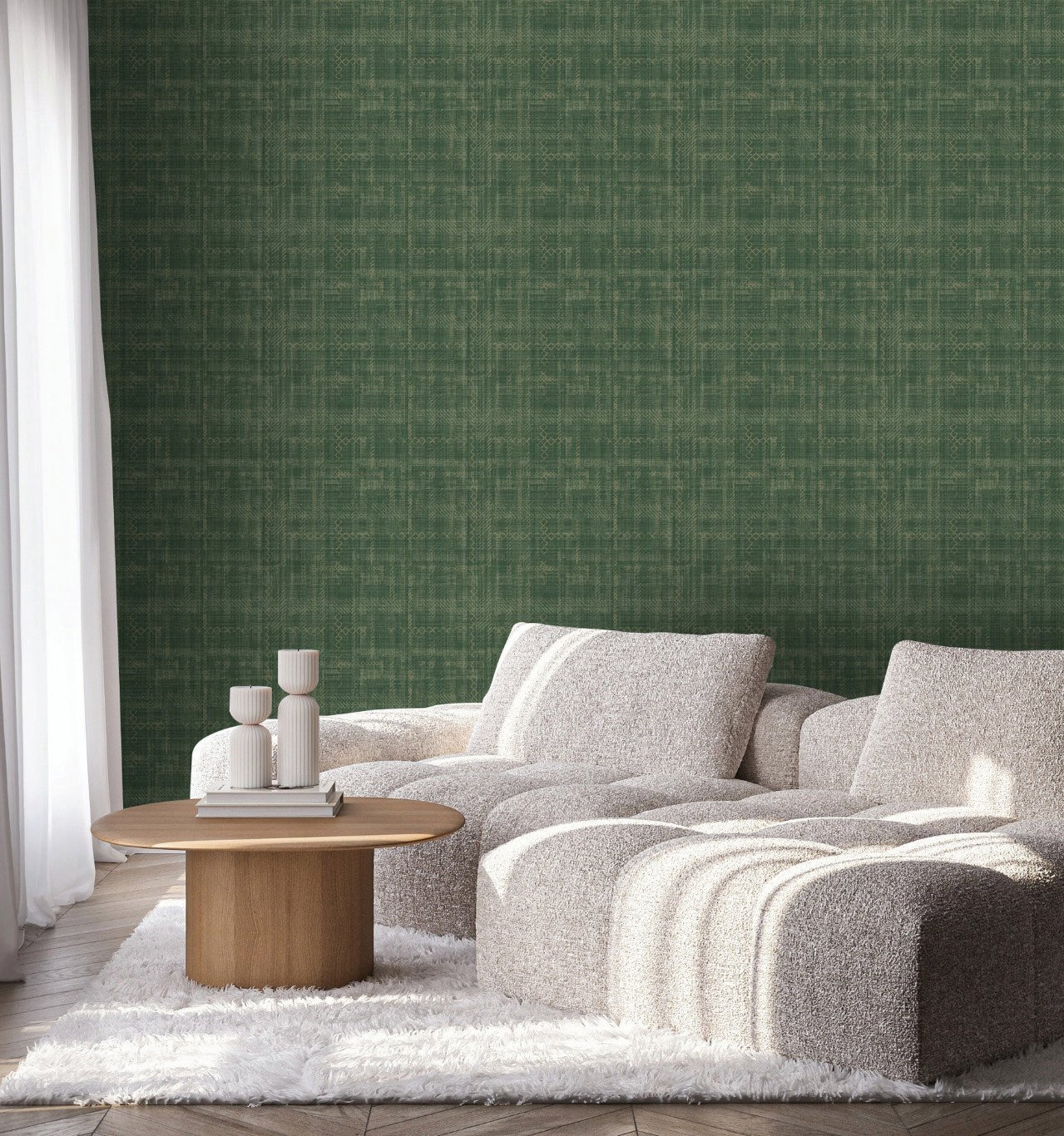
- Forest green: Brings a natural, organic quality to dark interiors. Particularly effective in bedrooms and studies.
- Charcoal: A warm, complex alternative to black. Look for charcoals with brown or green undertones for added sophistication.
- Burgundy and wine: Dramatic and warm, these tones create a sense of opulence. Best used in dining rooms and intimate entertaining spaces.
- Deep teal: Combines the depth of dark blue with the freshness of green. Works across living rooms, bedrooms, and bathrooms.
Supporting Tones
Dark walls need lighter elements for balance. Warm metals (brass, copper, gold) add luminosity. Natural timber in medium to dark tones provides warmth without competing with the wall colour. White or cream on ceiling surfaces and trim prevents the room from feeling like a cave.
Wall Treatments for Dark Moody Spaces
The wall treatment is the foundation of a dark moody interior. Paint is the most common choice, but wallpaper and wallcoverings offer additional dimensions of texture and pattern that elevate dark schemes significantly.
Dark Wallpaper
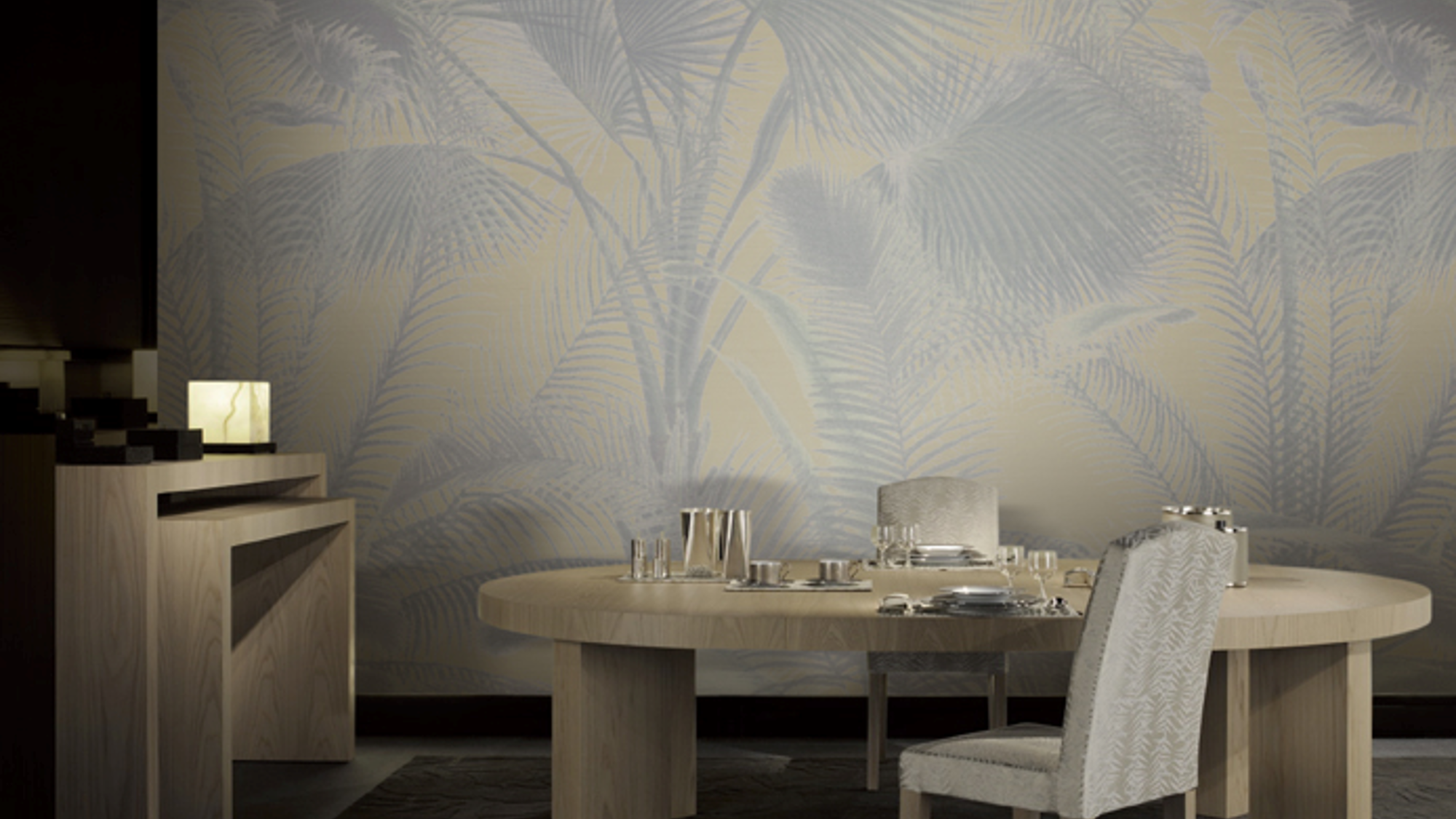
A deep-toned wallpaper adds visual complexity that flat paint cannot achieve. Subtle patterns — tone-on-tone damasks, geometric textures, botanical prints on dark grounds — introduce depth and movement that prevent dark walls from reading as flat and lifeless.
Textured wallcoverings in dark tones — embossed vinyl, dark grasscloth, or faux suede — interact with light in ways that change throughout the day. Morning sunlight will reveal texture that disappears under evening artificial light, adding a dynamic quality to the room.
Feature Wall Approach
If committing an entire room to dark walls feels too bold, start with a single dark feature wall. The wall behind the bed, the wall behind the television, or the wall flanking a fireplace niche are natural candidates. This gives you the drama without the commitment, and it is easily reversed if you change your mind.
Ceiling Treatment
For maximum drama, continue the dark colour onto the ceiling. This creates a cocooning effect that is particularly effective in bedrooms, where the enveloping darkness promotes rest. However, this approach works best in rooms with ceilings of 2.8 metres or higher — in standard HDB flats with 2.6-metre ceilings, a dark ceiling can feel oppressive.
Lighting: The Critical Element
Lighting makes or breaks a dark moody interior. Dark surfaces absorb light rather than reflecting it, so you need more light sources — but they must be carefully controlled to maintain the atmosphere.
Layered Lighting
Rely on multiple light sources at different levels rather than a single overhead light. Table lamps, floor lamps, wall sconces, and candles create pools of warm light that give dark rooms their inviting, intimate quality. Overhead lighting should be dimmable and used at low intensity — bright overhead light in a dark room creates an uncomfortable contrast.
Warm Colour Temperature
Use warm white bulbs (2700K) exclusively. Cool white light in a dark room creates an eerie, uninviting atmosphere. Warm light enhances the richness of deep colours and makes metallic accents glow.
Accent Lighting
Directional lights that highlight art, shelving displays, or architectural features add visual interest and prevent dark corners from becoming dead zones. LED strip lighting behind floating shelves or under cabinets provides subtle ambient illumination without visible hardware.
Furniture and Materials for Dark Interiors
Furniture and material selection in dark moody spaces requires careful attention to contrast, texture, and proportion.
Contrast Is Key
Dark furniture against dark walls creates a monochromatic depth that suits very dramatic schemes. However, most rooms benefit from a mix — a light-toned sofa against a dark wall, or dark timber furniture against a lighter rug. This contrast provides visual relief and prevents the space from feeling monotonous.
Texture Over Pattern
In dark interiors, texture becomes more important than pattern. Velvet upholstery, bouclé throws, leather armchairs, and woven rugs add tactile richness that you can feel even before you touch it. The play of light across different textures is what gives dark rooms their sensory depth.
Metallic Accents
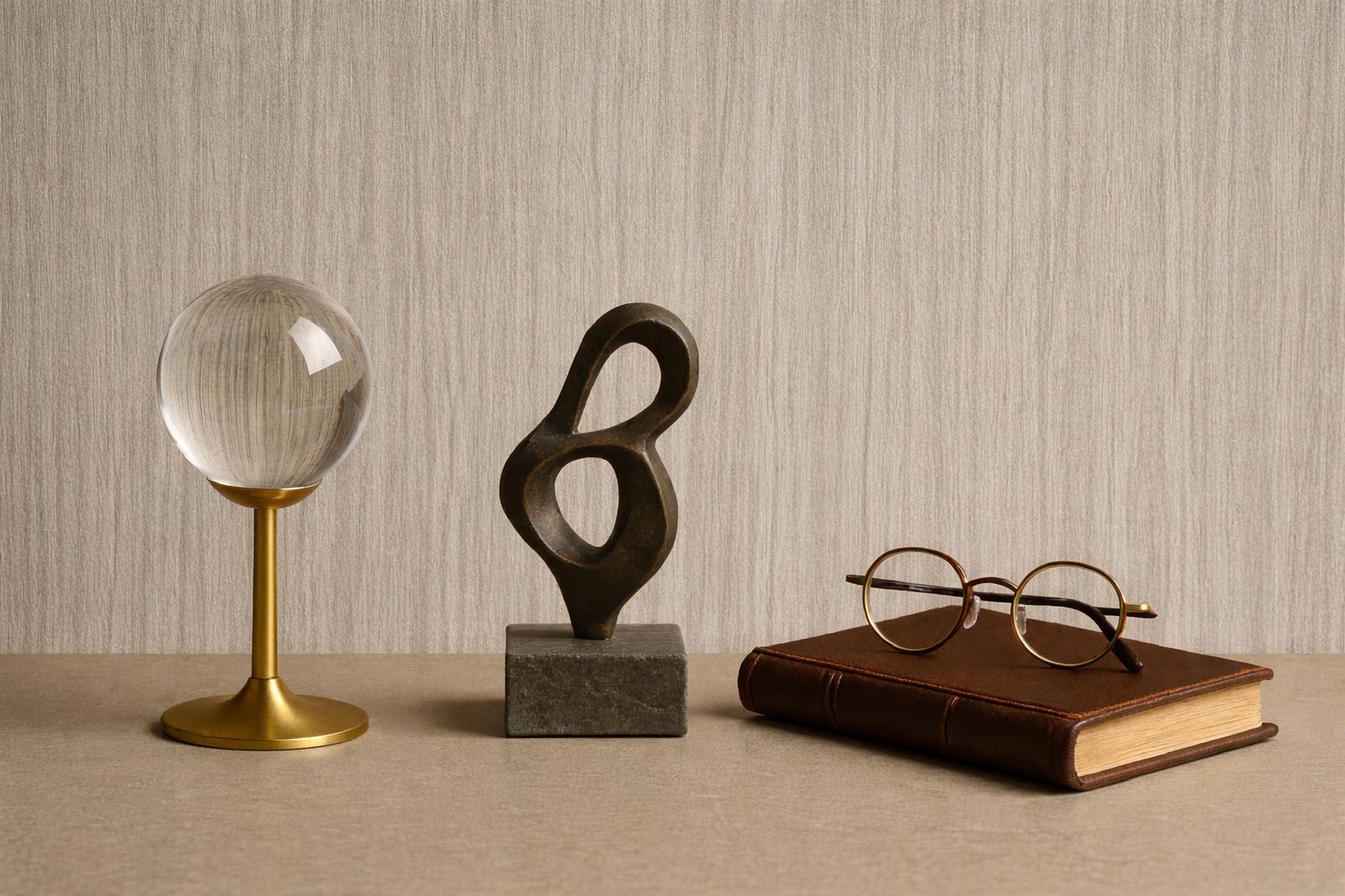
Brass, copper, and gold-toned metals are natural companions to dark interiors. Light fixtures, furniture legs, door handles, and decorative objects in warm metals catch light and create focal points that punctuate the darkness. Avoid chrome and silver tones, which can feel cold and clinical in a warm, dark scheme.
Flooring Considerations
Dark flooring in a dark room can work beautifully but requires a light-toned rug or a lighter ceiling to prevent the space from feeling bottomless. Medium-toned timber-look flooring in walnut or warm oak provides a grounding base without deepening the overall darkness excessively.
Applying Dark Moody Design in Singapore Homes
Singapore’s residential context offers both opportunities and constraints for dark interior design.
The abundance of natural light in many Singapore homes — particularly higher-floor condos and west-facing units — means dark interiors will be illuminated by daylight for much of the day, preventing them from feeling gloomy. This tropical light has a warm quality that enhances deep colours beautifully.
However, north-facing HDB flats and lower-floor units that receive limited natural light require caution. In these situations, limiting dark treatment to a single accent wall or a well-lit bedroom creates the moody atmosphere without sacrificing the brightness needed for comfortable daily living.
For compact rooms, focus the dark treatment on larger surfaces (walls and curtains) while keeping furniture proportions modest and introducing mirrors to bounce available light around the space.
Final Thoughts
Dark moody interior design is not about rejecting light — it is about controlling it. The most successful dark interiors are carefully orchestrated environments where light, shadow, colour, and texture interact to create spaces with genuine emotional depth.
In a city where light, bright interiors are the default, a dark moody room makes a powerful statement of confidence and individuality.
Browse our e-catalogue for the latest designs in deep-toned wallcoverings, fabrics, and flooring to start your dark moody transformation.