Wallpaper & Wallcovering
Digital Printed Wallpaper: Custom Wall Solutions
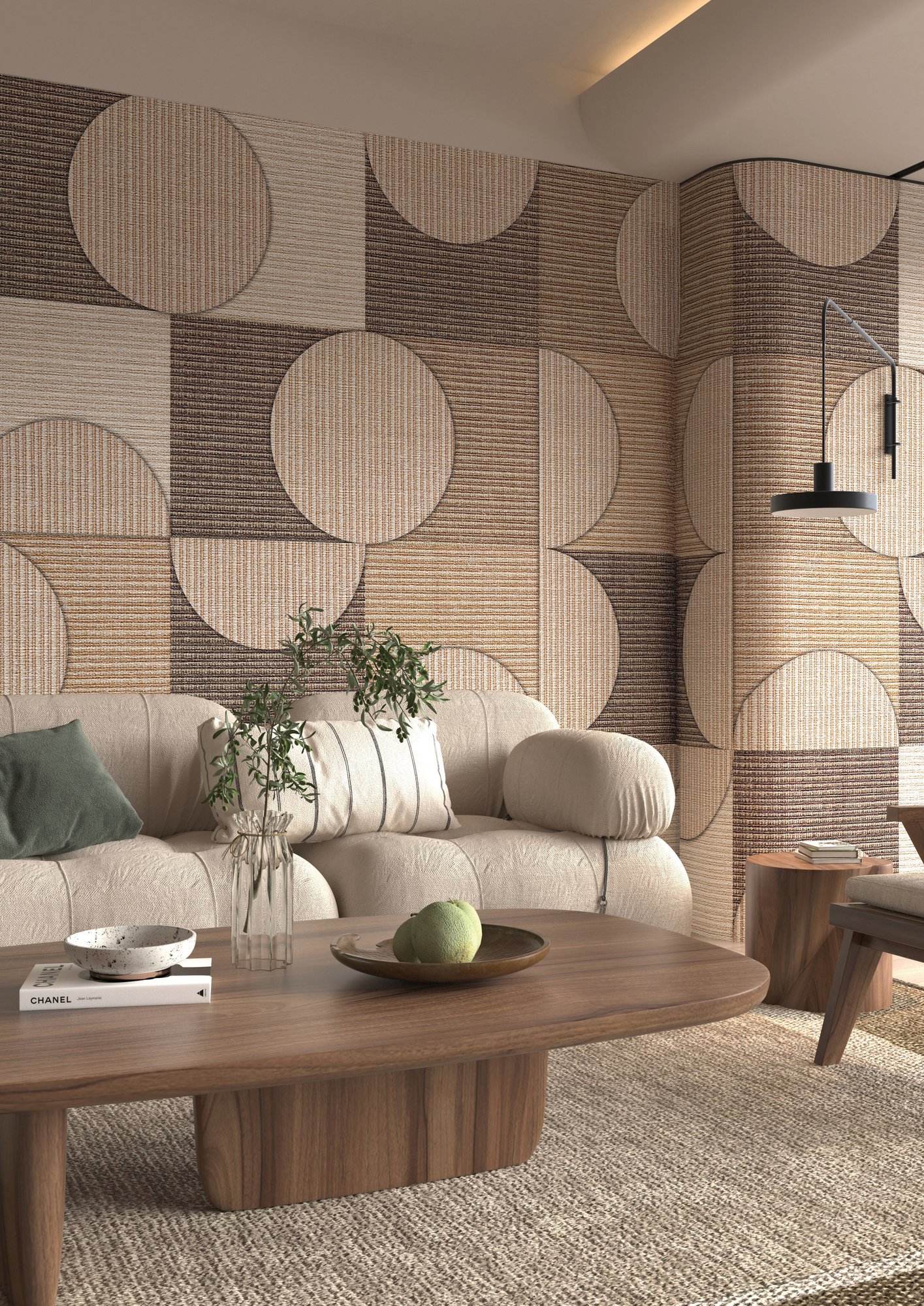
Digital printed wallpaper has transformed the possibilities for wall design, allowing architects, interior designers, and homeowners to create truly bespoke interiors. Unlike conventional wallpapers limited to a manufacturer’s catalogue of patterns, digital printing technology produces custom imagery, patterns, and graphics at virtually any scale, turning walls into personalised design statements.
In Singapore, where both residential and commercial interiors increasingly demand unique, Instagram-worthy spaces, digitally printed wallcoverings bridge the gap between standard products and fully custom artisan finishes.
What Is Digital Printed Wallpaper?
Digital printed wallpaper is produced using large-format inkjet printers that apply UV-cured or latex inks directly onto wallcovering substrates. The process is conceptually similar to printing a photograph, but scaled up to cover entire walls and executed on materials engineered for interior applications.
The substrate options include non-woven backing, vinyl, polyester textile, and even self-adhesive films. Each offers different characteristics in terms of texture, durability, and suitability for specific environments. The printing resolution is typically 600 to 1200 dpi, producing sharp imagery that holds up to close inspection.
Because the design is printed on demand, there are no minimum order quantities tied to rotary screen production runs. A single feature wall panel can be produced as economically as a hundred rolls, making bespoke wallpaper accessible for projects of any scale.
Applications in Residential Interiors
For Singapore homeowners, digital printed wallpaper opens creative possibilities that standard wallpapers cannot match.
Feature Walls with Personal Imagery
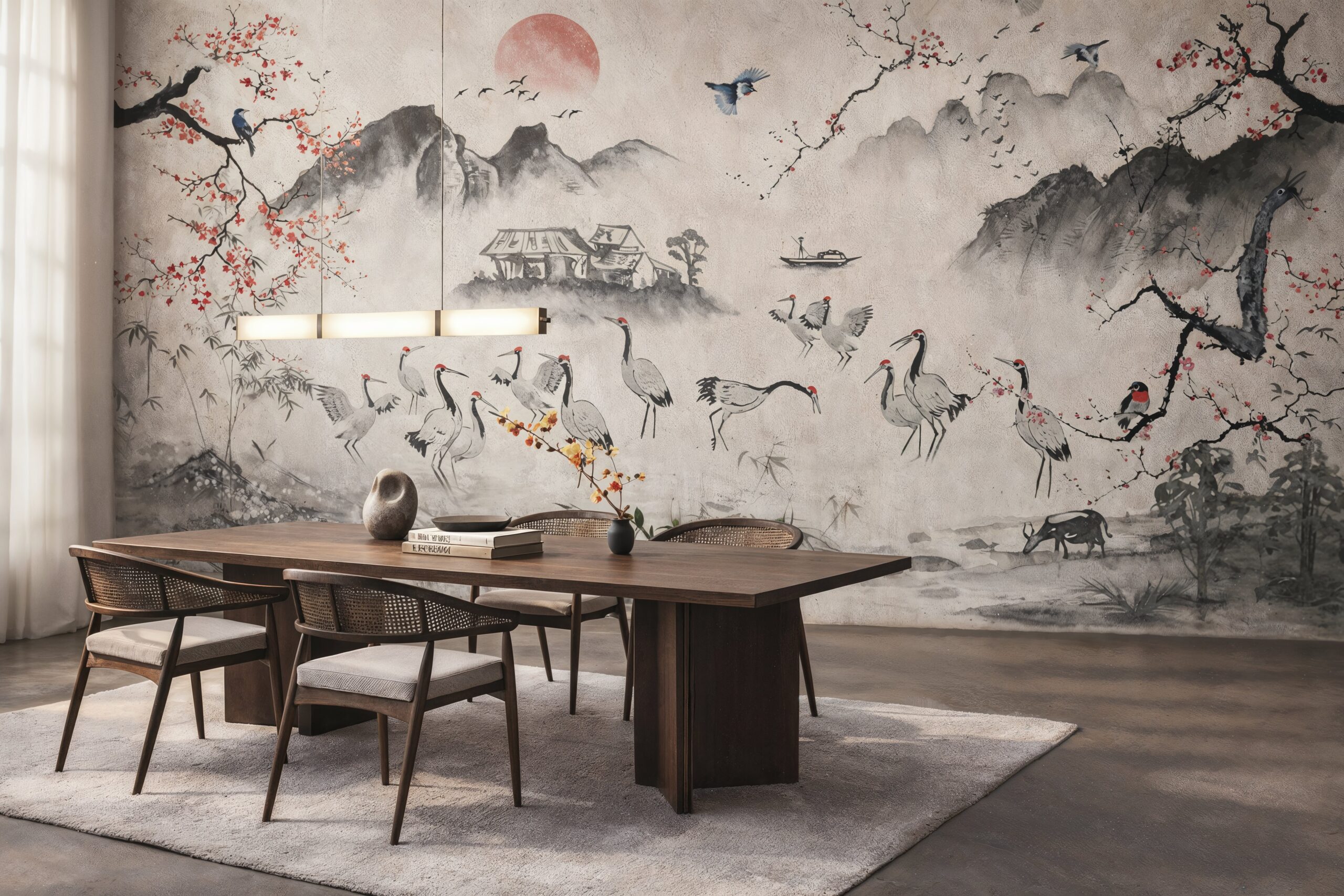
A favourite travel photograph, a custom illustration, or an abstract artwork can be enlarged and printed as a seamless wall mural. In HDB flats and condos where living rooms serve as the primary entertaining space, a striking feature wall instantly elevates the interior without structural changes or extensive renovation work.
Children’s Rooms
Custom designs for children’s bedrooms, from favourite storybook scenes to personalised name graphics, create magical spaces that grow with the child. When tastes change, non-woven digitally printed wallpapers strip cleanly, making updates straightforward.
Nature and Landscape Murals
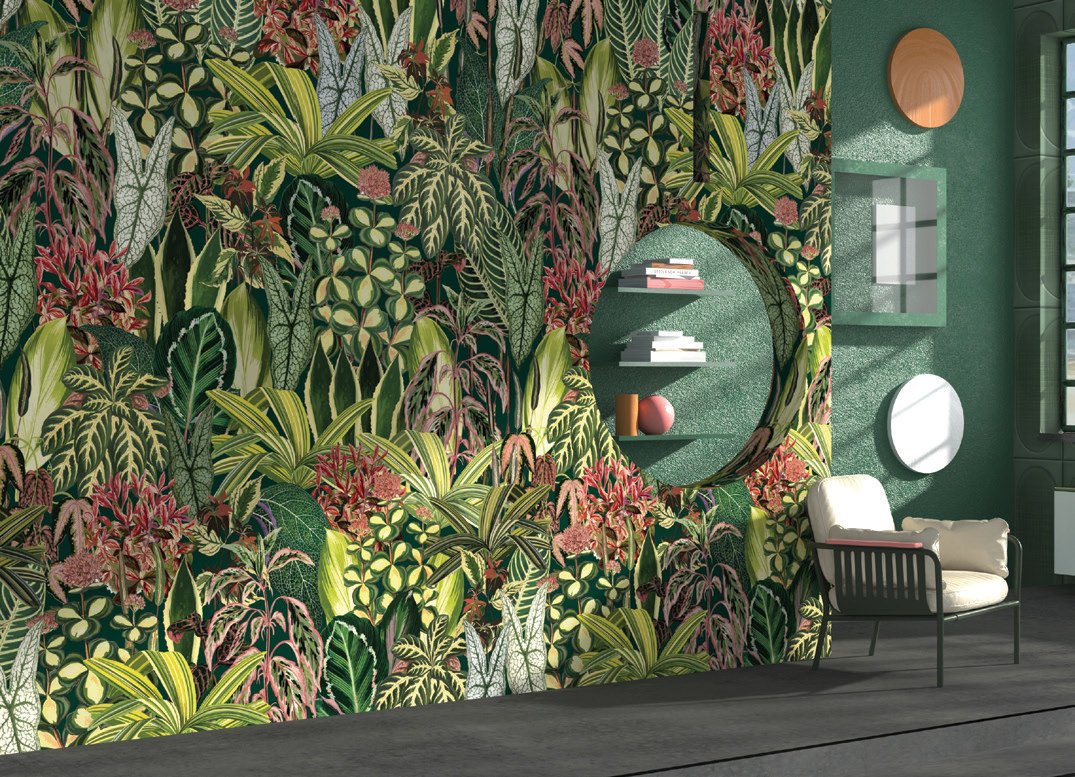
Photographic murals of forests, seascapes, or botanical close-ups bring a sense of depth and calm to compact Singapore apartments. When executed on high-resolution substrates, these murals create an almost immersive experience that visually expands the room.
Coordinated Interiors
Interior designers working on landed properties or large condos can commission patterns that coordinate across multiple rooms, creating a cohesive design language unique to that home. Colour-matched variations of a single motif can flow from living areas through corridors and into bedrooms.
Applications in Commercial and Hospitality Spaces
The commercial sector in Singapore has embraced digital printed wallpaper with particular enthusiasm. The ability to create branded, one-of-a-kind environments gives businesses a competitive edge in experience-driven markets.
Hotel lobbies and guest rooms use custom murals to establish a sense of place and narrative. A heritage hotel in the Civic District might feature enlarged archival photographs of old Singapore, while a boutique hotel in Tiong Bahru could commission contemporary graphic patterns inspired by the neighbourhood’s Art Deco architecture.
Restaurants and cafes use digitally printed wallcoverings to create immersive themed environments. From tropical jungle motifs in a brunch spot to refined marble textures in a fine dining establishment, the wallcovering sets the atmospheric tone more effectively than any other single design element.
Corporate offices use custom-printed wallpapers to reinforce brand identity across reception areas, meeting rooms, and collaborative spaces. Company timelines, mission statements, data visualisations, and brand patterns can all be translated into wall-scale graphics. Browse Goodrich Global’s wallcovering range to explore substrate options suited to commercial applications.
The Design and Production Process
Creating a custom digitally printed wallpaper involves several stages, each requiring careful coordination between the designer, printer, and installer.
- Wall measurement: Precise dimensions of the wall, including the locations of doors, windows, power points, and any architectural features, are recorded. For murals, accuracy is critical to ensure the image aligns correctly across panels.
- Design development: The artwork is created or adapted to the exact wall dimensions. Resolution must be sufficient for the print size, typically a minimum of 100 dpi at full scale for viewing distances of one metre or more.
- Substrate selection: The appropriate wallcovering base is chosen based on the environment. Vinyl substrates suit high-traffic commercial areas, while non-woven options are preferred for residential settings where breathability and easy removal matter.
- Colour proofing: A test print on the actual substrate confirms colour accuracy before the full production run. Colours can shift between screen and print, so this step prevents costly reprints.
- Printing and finishing: The wallpaper is printed, trimmed, and numbered in panel sequence. A protective coating may be applied for commercial installations requiring additional durability or cleanability.
- Installation: Professional installation is strongly recommended. Panels must be hung in precise sequence with careful pattern matching at seams. Any misalignment is immediately visible on large-scale imagery.
Material and Durability Considerations
Not all digitally printed wallpapers are equal in terms of longevity. Several factors determine how well the finished product performs over time.
Ink technology matters. UV-cured inks offer superior lightfastness and scratch resistance compared to solvent-based inks. Latex inks strike a balance between durability and low-VOC emissions, making them a popular choice for residential and healthcare environments.
The substrate’s inherent properties, including tear strength, moisture resistance, and dimensional stability, directly affect the wallpaper’s installed performance. In Singapore’s humid climate, moisture-resistant substrates and adhesives are essential, particularly for walls that back onto wet areas such as bathrooms or kitchens.
For high-traffic commercial installations, a protective laminate or coating over the printed surface extends the product’s lifespan significantly. This additional layer guards against scuffs, fingerprints, and cleaning chemicals.
To discuss substrate options and durability specifications for your project, book an appointment with our design consultants who can guide you through the available options.
Final Thoughts
Digital printed wallpaper removes the limitations of standard wallcovering catalogues, giving designers and homeowners the freedom to create walls that are genuinely unique. From photographic murals in a compact HDB bedroom to branded graphics spanning a corporate reception, the technology delivers bespoke results at a practical price point. The key to a successful outcome lies in proper artwork preparation, appropriate substrate selection, and professional installation.
Browse our e-catalogue for the latest designs and discover the full range of wallcovering substrates available for digital printing.