Articles / Interior Design / Wallpaper & Wallcovering
Feature Wall Design Idea Guide: Style, Function, and Long-Term Value

Introduction: Why Feature Wall Design Ideas Matter in Modern Interiors
A feature wall design idea refers to the intentional use of colour, texture, material, or pattern on a single wall to create a visual focal point within a space. In today’s design language, feature walls are less about bold decoration for its own sake and more about balance, proportion, and purpose. They are used to guide the eye, define zones, and add depth without overwhelming an interior.
The growing demand for focal-point interiors reflects how people now use their spaces. Homes and workplaces are expected to feel distinctive, comfortable, and visually engaging, especially in an era shaped by social media, remote work, and design-conscious consumers. Feature walls offer a controlled way to introduce personality without committing to a full-scale renovation.
At their best, feature wall design ideas function as both aesthetic statements and practical investments, enhancing spatial identity while adding lasting value through thoughtful, well-executed design.
Overview: What Defines a Feature Wall Design Idea
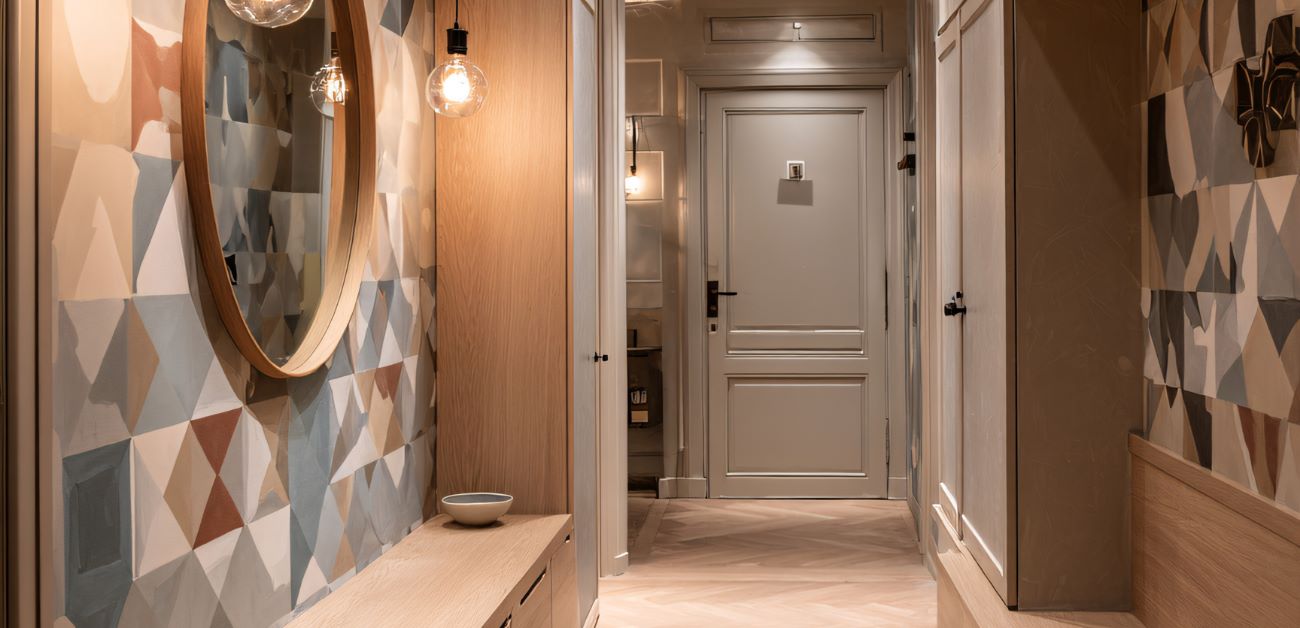
A feature wall design idea is a deliberate design choice in which one wall is treated differently from the others to create a clear focal point within a space. Unlike general decoration, a feature wall is planned with intention, using colour, texture, materials, or patterns to draw attention and support the overall design concept of the room.
The primary purpose of a feature wall is to establish visual focus, helping anchor furniture layouts and guide how a space is experienced. It also contributes to spatial balance, preventing rooms from feeling flat or undefined, while allowing homeowners or businesses to express personality without overwhelming the interior.
Feature walls are commonly used in living rooms, bedrooms, dining areas, entryways, and offices, where they can highlight architectural elements such as headboards, fireplaces, or reception areas. Importantly, a true feature wall differs from a purely decorative wall. Decoration adds surface interest, while a feature wall serves a functional role in shaping how a space looks, feels, and flows.
Specialised Dive: Popular Feature Wall Design Ideas and Materials
A well-executed feature wall design idea depends heavily on material choice and how it interacts with the surrounding space. Paint-based feature walls remain one of the most accessible options. Techniques such as colour blocking, tonal contrasts, limewash finishes, and textured paints allow designers to add depth without introducing new materials. These approaches work particularly well in smaller rooms where subtle variation is more effective than bold contrast.
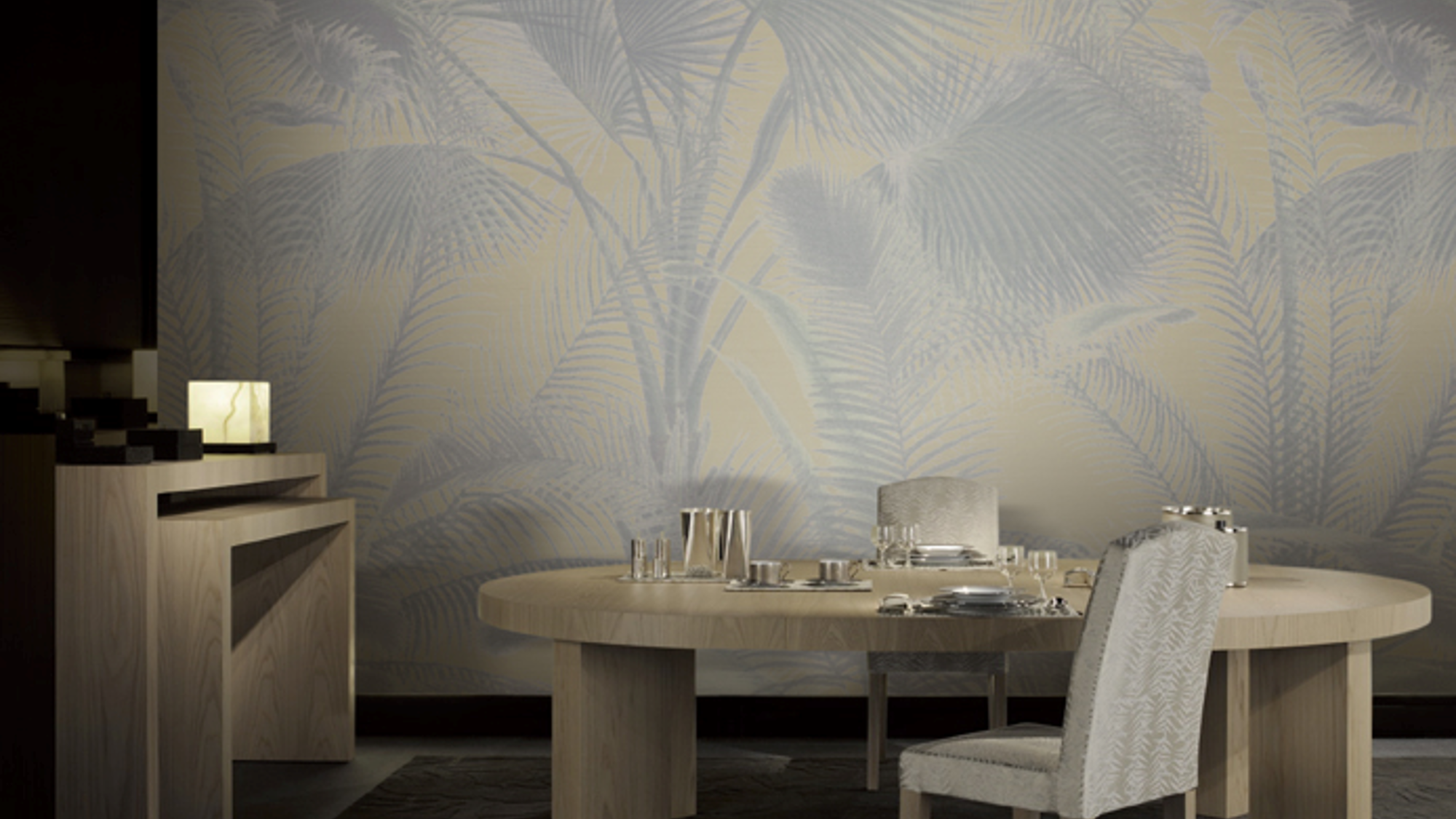
Wallpaper and mural feature wall design ideas offer greater visual impact. From geometric patterns to large-scale scenic murals, wallpaper introduces detail and narrative that paint alone cannot achieve. When used selectively, it creates a strong focal point while maintaining balance within the room.
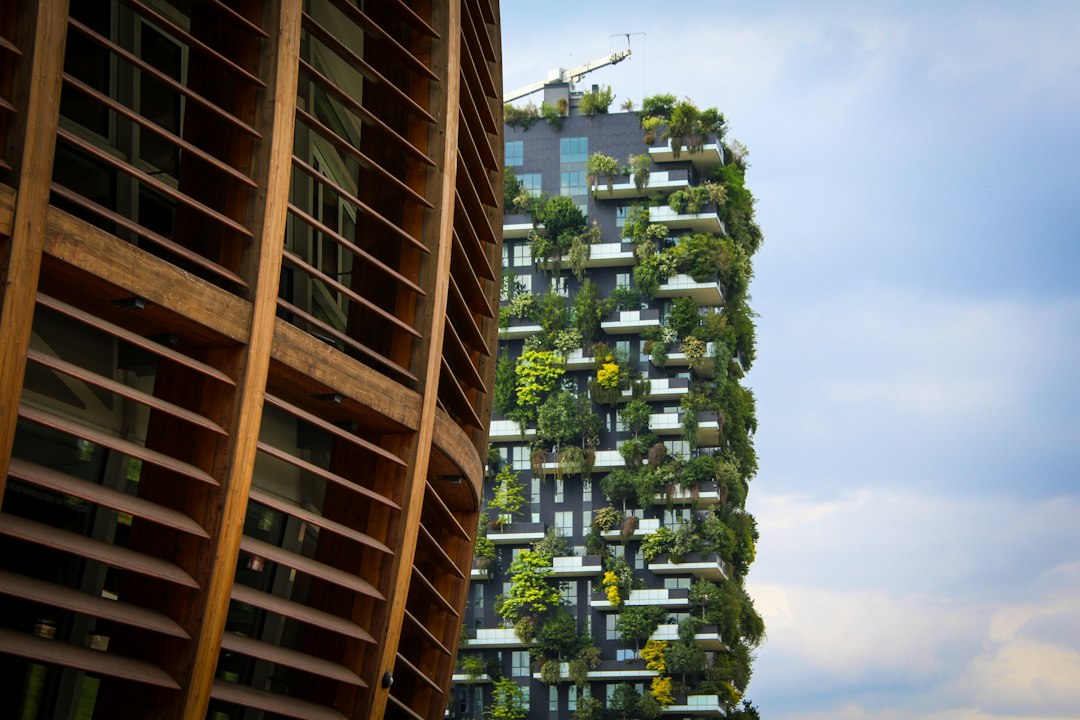
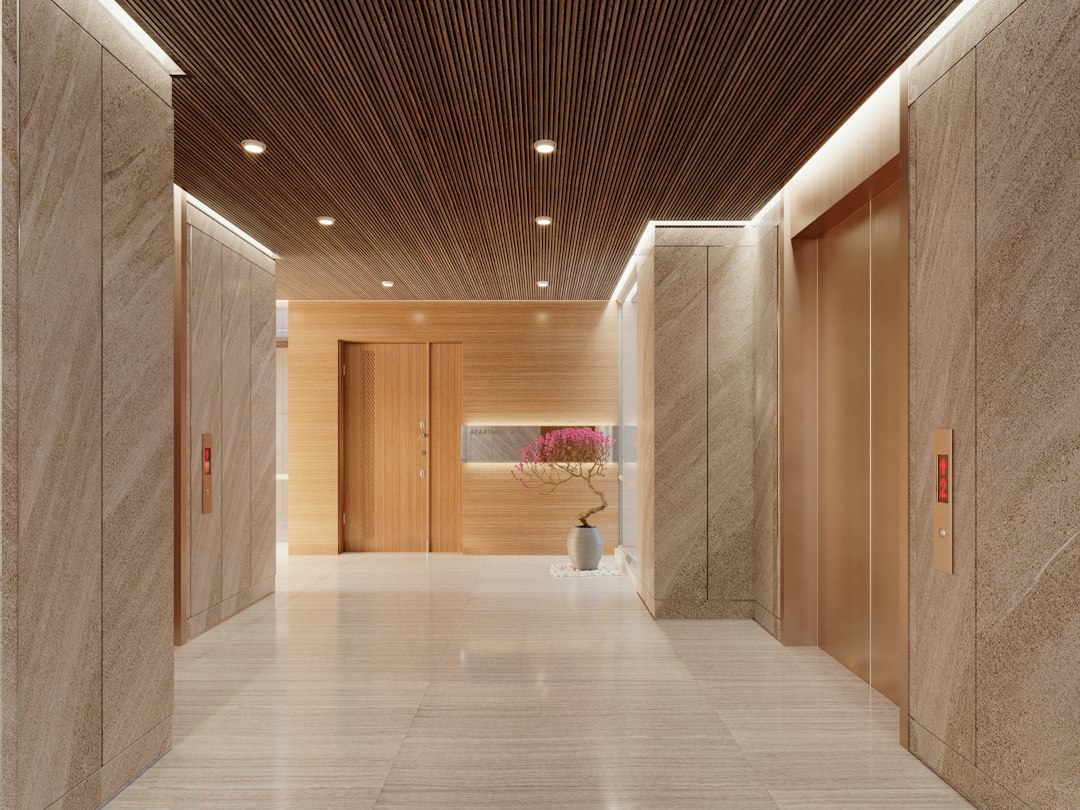
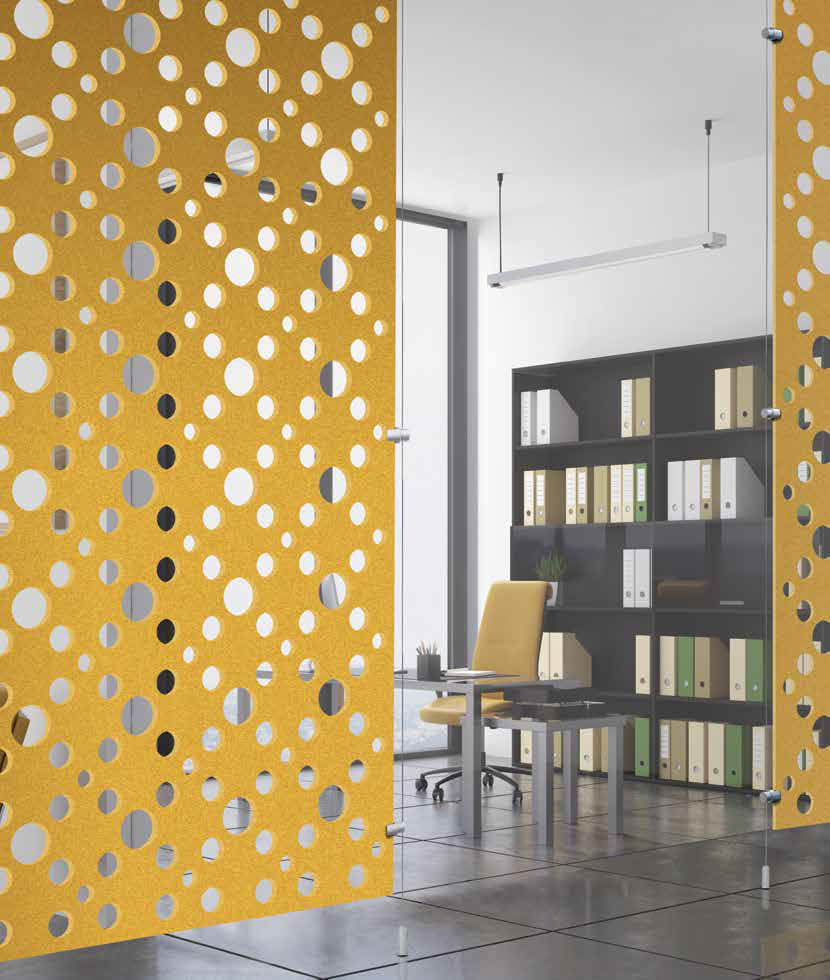
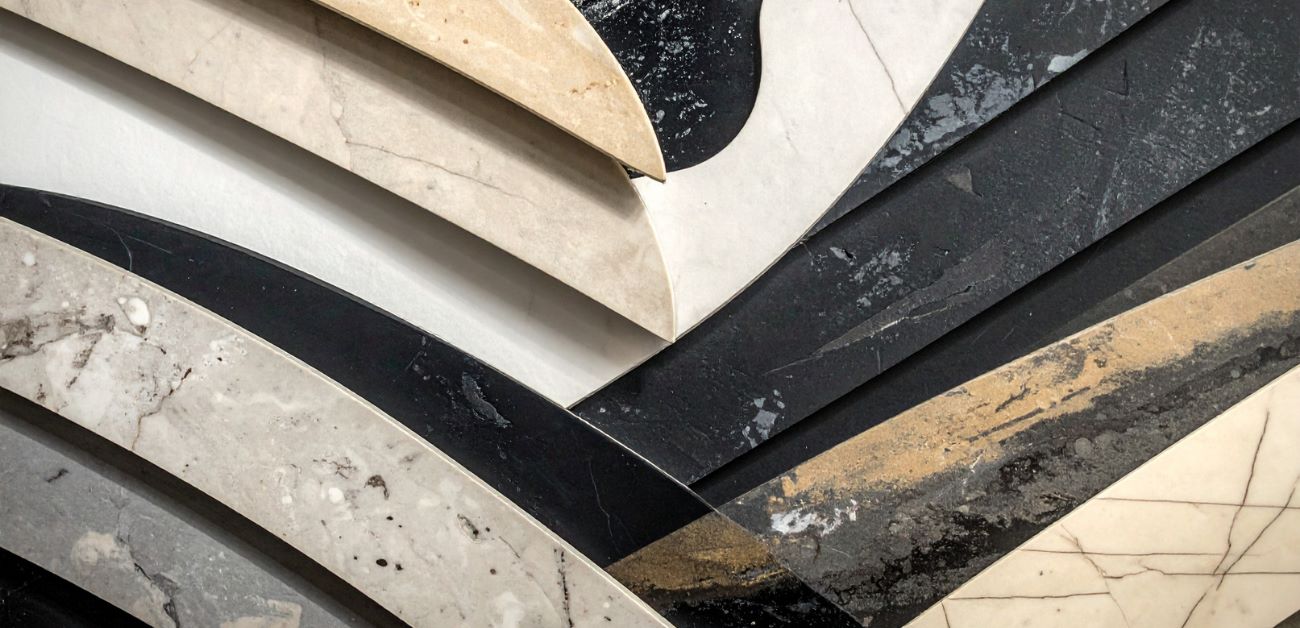
Natural materials such as wood, stone, slatted panels, and mixed-material walls bring warmth and architectural presence. These feature wall design ideas are often used in living rooms, lobbies, and offices to create texture, improve acoustics, or convey a sense of craftsmanship.
Lighting integration and architectural detailing further elevate feature walls. Recessed lighting, wall washers, or integrated shelving can enhance texture and highlight design intent. Choosing the right feature wall design idea ultimately depends on room size, ceiling height, lighting conditions, and how the space is used, ensuring the wall enhances function as much as appearance.
Market Dynamics: Why Feature Wall Design Ideas Are in Demand
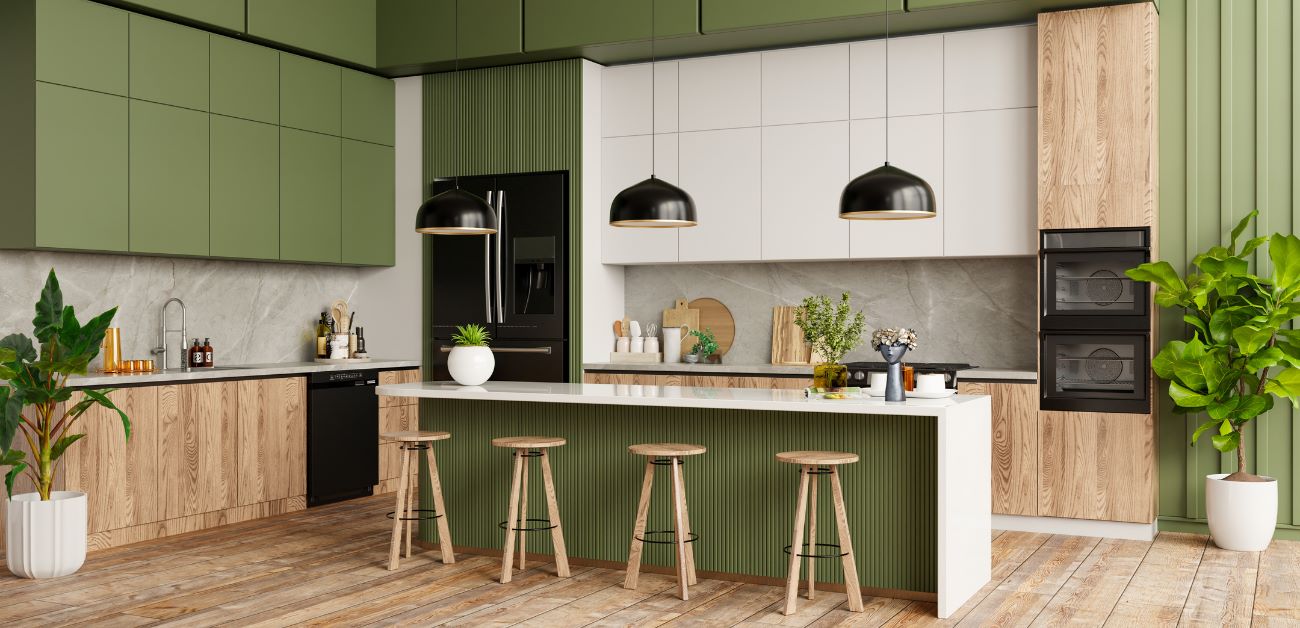
The rising popularity of feature wall design ideas is closely tied to the influence of social media and contemporary interior design trends. Platforms that emphasise visual storytelling have increased demand for interiors that photograph well and feel distinctive. Feature walls provide an immediate visual impact, making them a favoured design solution for modern homes and commercial spaces alike.
From a practical standpoint, feature walls offer a cost-effective alternative to full renovations. Rather than redesigning an entire room, a single well-designed wall can transform the overall look and feel of a space. This makes feature wall design ideas especially appealing to homeowners seeking updates without major construction, as well as businesses working within defined budgets.
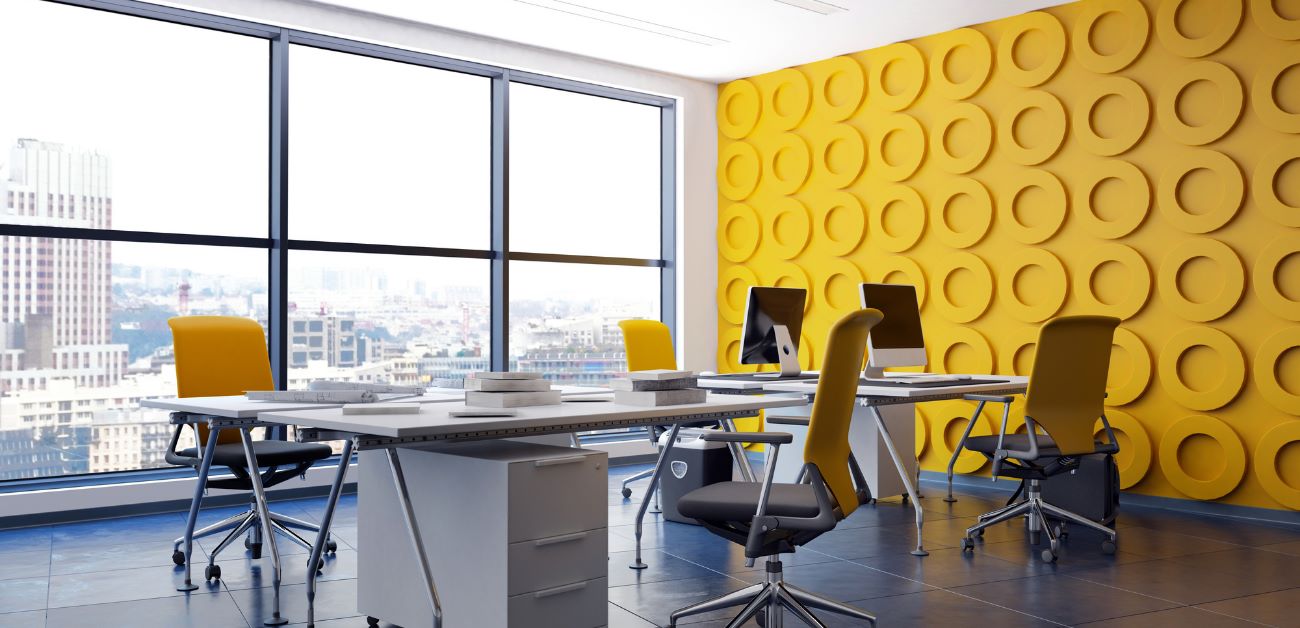
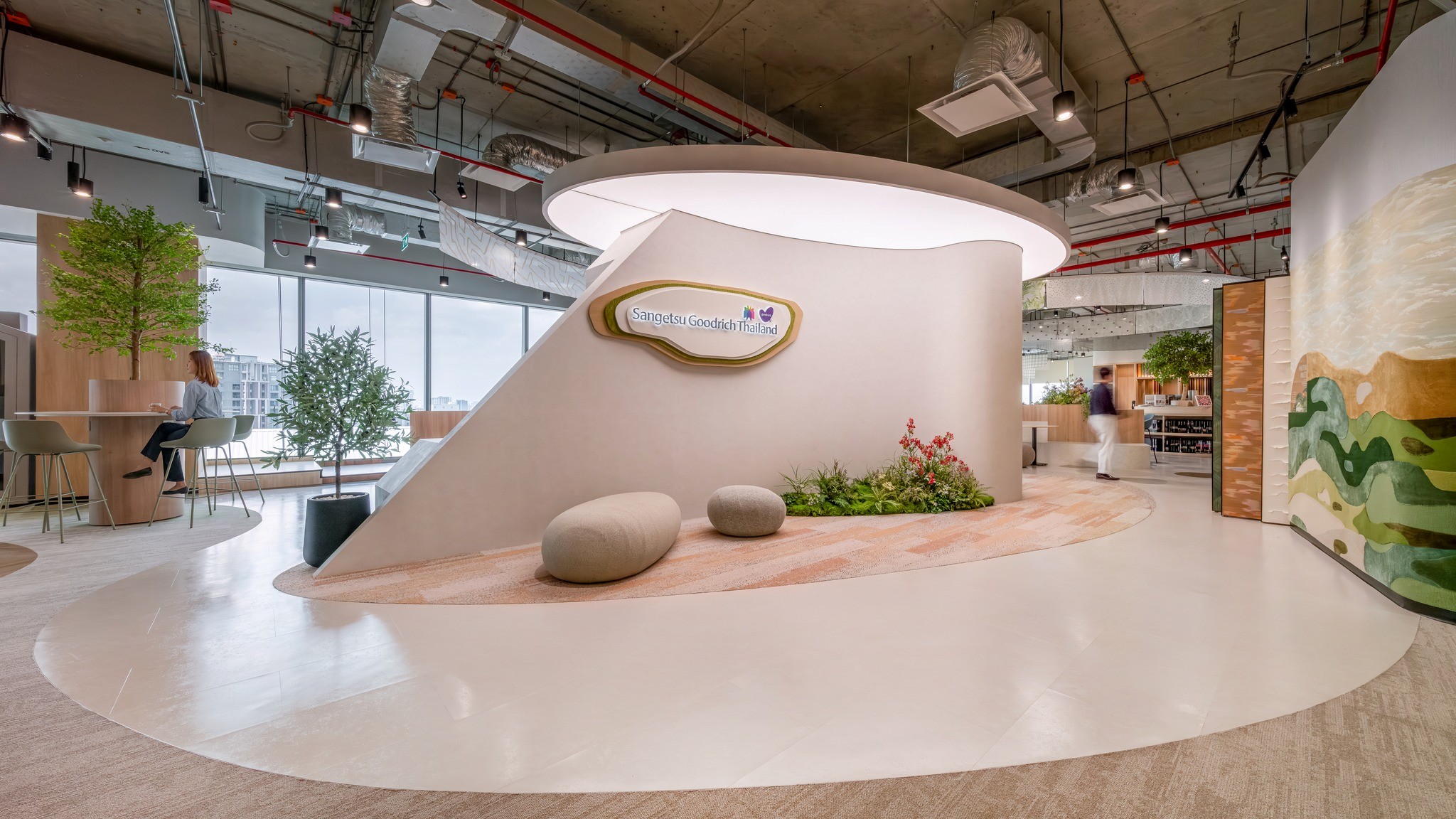
Feature walls also play a strategic role in home staging, hospitality, and office branding. Staged properties use feature walls to create memorable impressions, hotels rely on them to establish atmosphere, and offices use them to reinforce brand identity. In many cases, feature walls positively influence perceived property value, signalling thoughtful design, modernity, and attention to detail, qualities that resonate strongly with buyers and tenants.
Global Impact: Feature Wall Trends Across Cultures
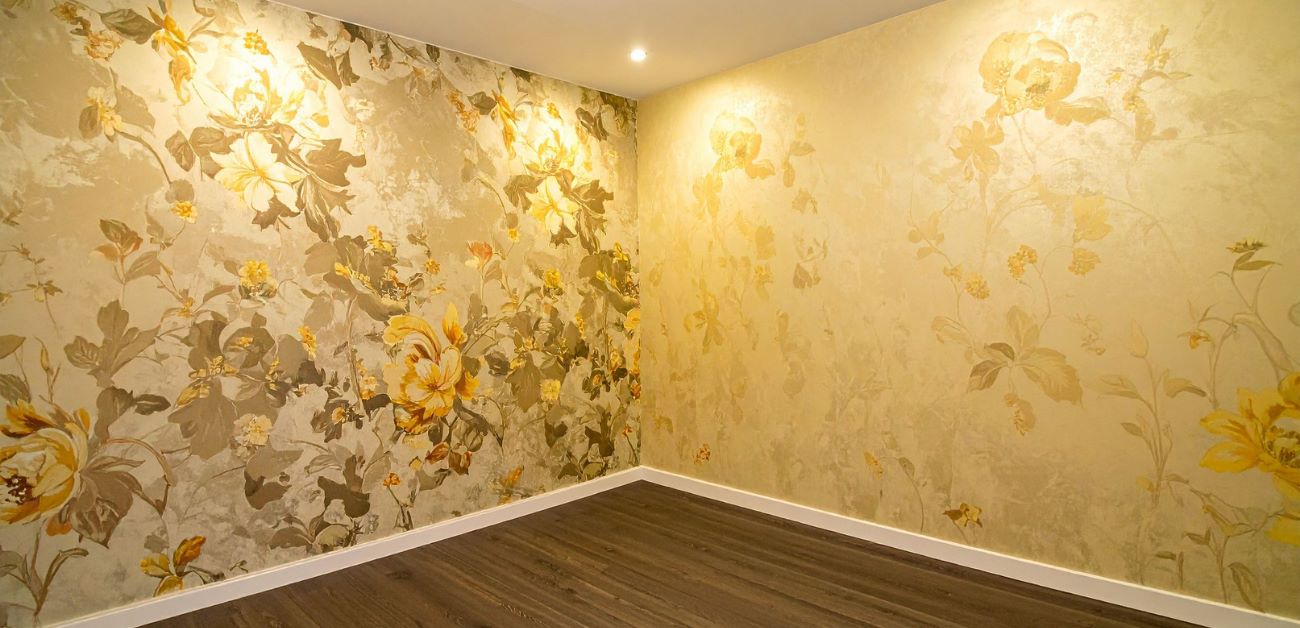
Feature wall design ideas vary widely across cultures, reflecting broader aesthetic values and lifestyle preferences. In minimalist design markets, such as parts of Northern Europe and East Asia, feature walls tend to be understated, using subtle textures, muted tones, and clean lines to create calm focal points without visual excess. In more expressive markets, feature walls are bolder, incorporating strong colours, patterns, and layered materials to make a statement.
European interiors have influenced feature wall design through an emphasis on craftsmanship, proportion, and material quality. Asian design traditions often contribute balance, natural textures, and spatial harmony, while Middle Eastern interiors introduce rich finishes, geometric patterns, and dramatic contrasts. Together, these influences have expanded the range of feature wall design ideas available globally.
Global sourcing has also transformed the market. Materials such as engineered wood panels, speciality wallpapers, and sustainable finishes are now widely accessible. As international design ideas circulate, local interiors increasingly blend global inspiration with regional preferences, creating feature walls that feel both current and culturally grounded.
Ethics & Practical Considerations: Design, Durability, and Sustainability
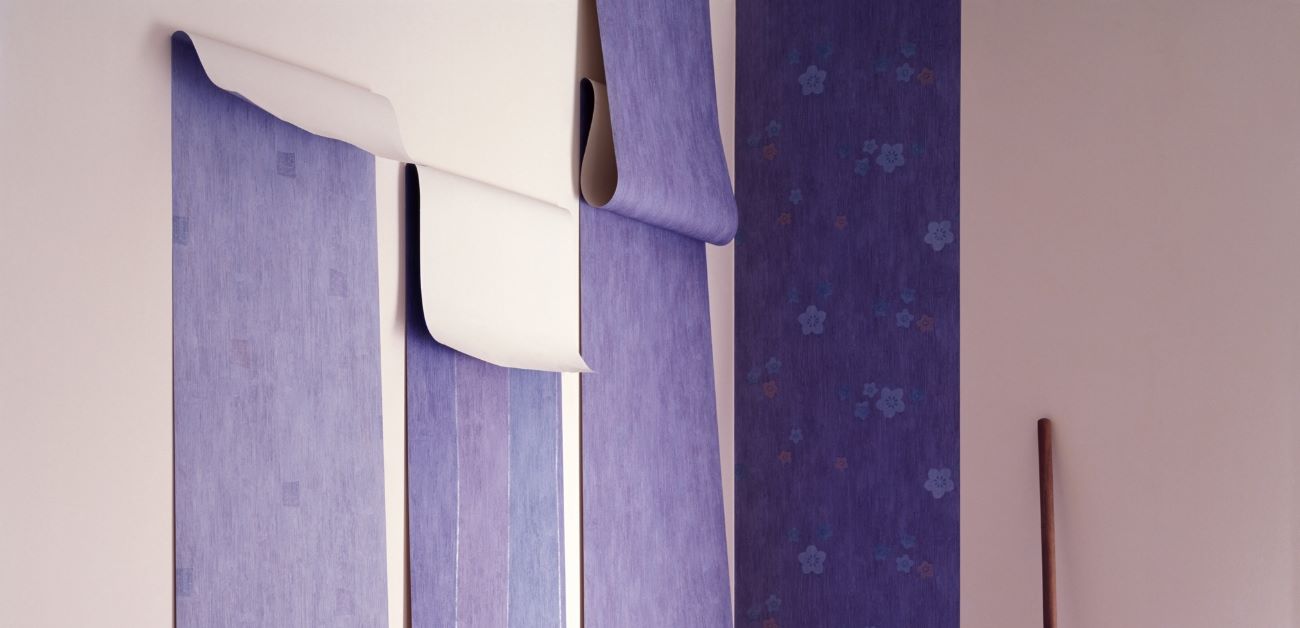
Ethical and practical thinking is essential when developing a feature wall design idea, particularly in a trend-driven design environment. Rapidly changing styles can lead to regret if a feature wall feels dated too quickly. Thoughtful design choices, neutral foundations, adaptable materials, and timeless patterns help extend the lifespan of a feature wall beyond short-lived trends.
Sustainability is another growing consideration. Designers and homeowners increasingly prioritise low-impact materials, responsibly sourced wood, durable finishes, and wallpapers that are removable or recyclable. These choices reduce environmental impact while preserving flexibility for future updates.
Long-term maintenance also matters. Feature walls should be easy to clean, repair, or modify without extensive disruption. Adaptability ensures the wall continues to function as tastes and room usage evolve.
Finally, ethical design includes respect for craftsmanship. Skilled installation plays a critical role in durability and finish quality. Recognising and valuing professional expertise helps ensure feature walls are not only visually appealing but responsibly executed.
The Evolution of Feature Walls in Interior Design
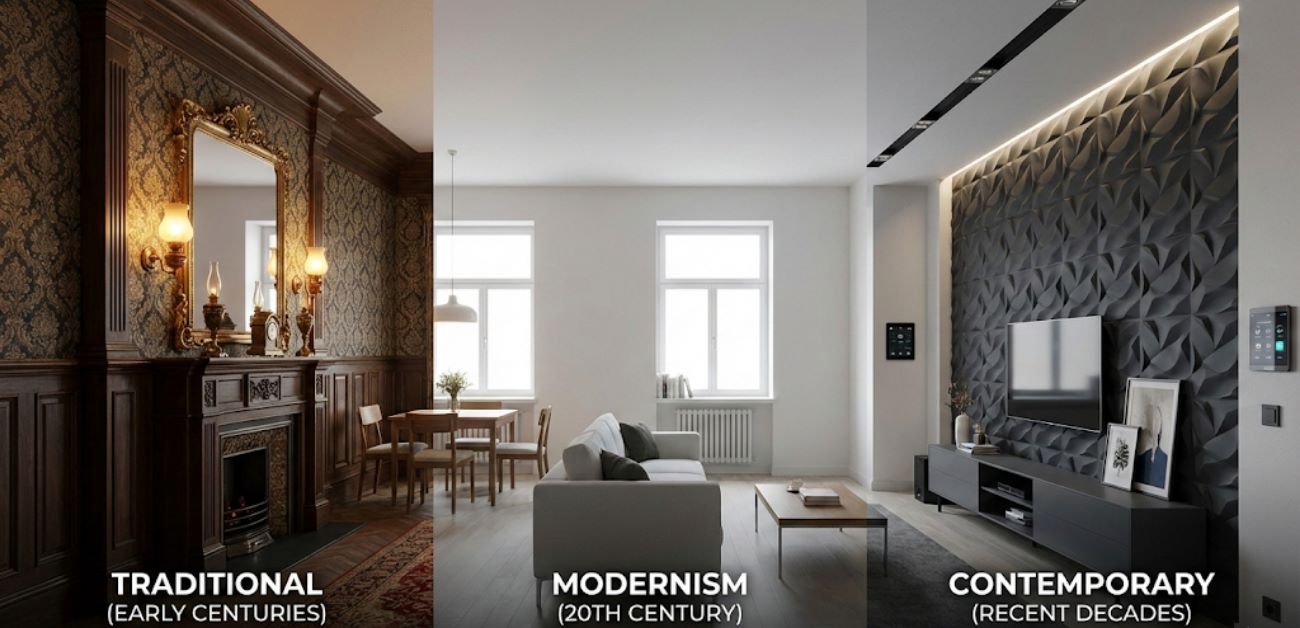
Feature walls evolved from early accent walls used in traditional interiors, where decorative treatments highlighted fireplaces, headboards, or formal reception spaces. These walls often featured rich colours, panelling, or patterned finishes designed to convey status and craftsmanship.
With the rise of modernism in the 20th century, interior design shifted toward simplicity and function. Ornamentation was minimised, and uniform wall treatments became the norm. As a result, accent and feature walls largely disappeared in favour of clean, uninterrupted surfaces.
In recent decades, feature walls have returned through contemporary design culture. Advances in materials, digital printing, and lighting have allowed designers to reintroduce visual emphasis without compromising minimalism. Today, feature wall design ideas serve as modern storytelling elements, used to express identity, highlight architecture, and shape how spaces are experienced, blending historical influence with current design priorities.
Conclusion: Turning a Feature Wall Design Idea into Lasting Value
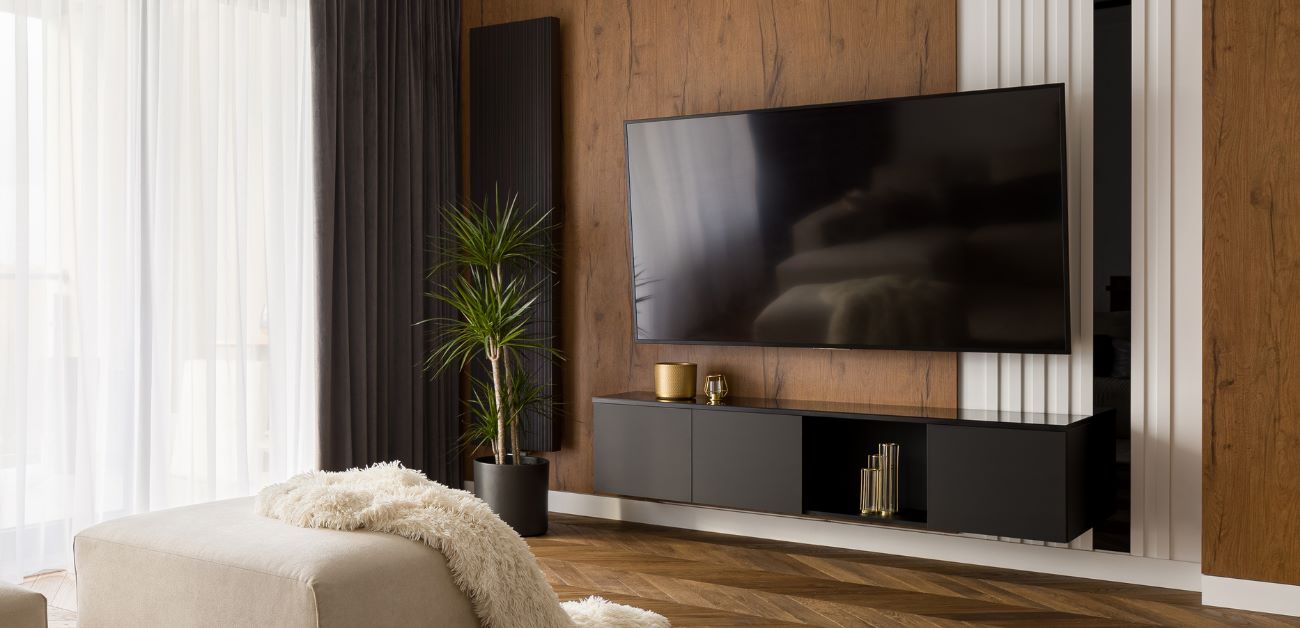
A successful feature wall design idea balances creativity with intention. As design trends, market demand, and sustainability considerations continue to shape modern interiors, feature walls work best when they are thoughtfully planned rather than impulsively executed. The right materials, proportions, and finishes can elevate a space, support functionality, and contribute to long-term value, whether in a home, workplace, or hospitality setting.
Ultimately, feature walls are most effective when design decisions are informed by durability, adaptability, and skilled execution. Within the broader interior services landscape, companies like Goodrich Global are often referenced as part of this shift toward quality-driven design, where aesthetic choices are supported by professional insight and reliable workmanship. In that context, feature walls become lasting design assets rather than temporary visual statements. Reach out to Goodrich Global today to elevate your feature wall and living spaces.