Articles / Carpet & Flooring / Commercial Interiors / Interior Design
The Impact of Custom Printed Vinyl Flooring on Modern Offices and Workspaces
Introduction: Why Office Floors Are No Longer Neutral
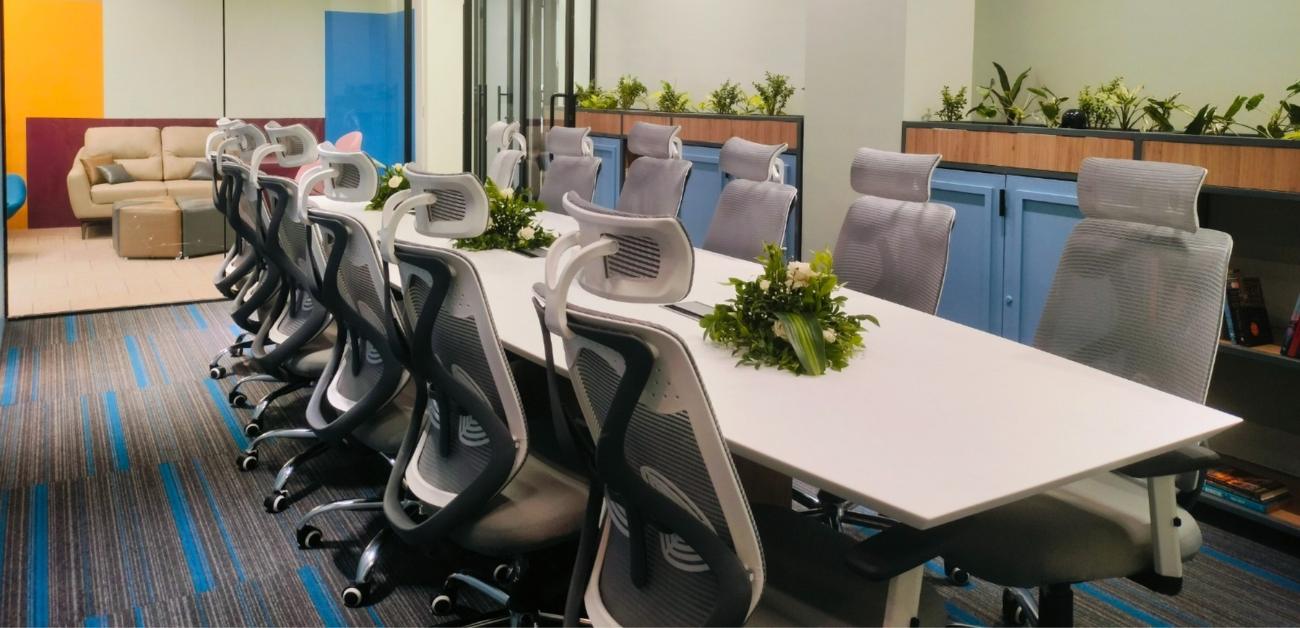
In contemporary office design, floors are no longer treated as passive backgrounds. As workplaces shift toward open layouts, flexible zones, and experience-led environments, flooring has become one of the most continuous and visually influential surfaces. It is seen constantly, crossed repeatedly, and experienced at scale, shaping how people move, orient themselves, and feel within a space.
Neutral finishes once dominated office floors because they were safe and unobtrusive. Today, many workplaces seek stronger spatial definitions without adding physical barriers. This has led designers to reconsider the role of pattern at the ground level. Floors now contribute to zoning, identity, and atmosphere in ways that walls or ceilings often cannot.
Within this shift, custom printed vinyl flooring for offices emerges as a design tool rather than a stylistic feature. By controlling pattern, tone, and rhythm, designers use flooring to support movement, focus, and coherence across evolving office environments.
The Visual Power of Flooring in Office Environments
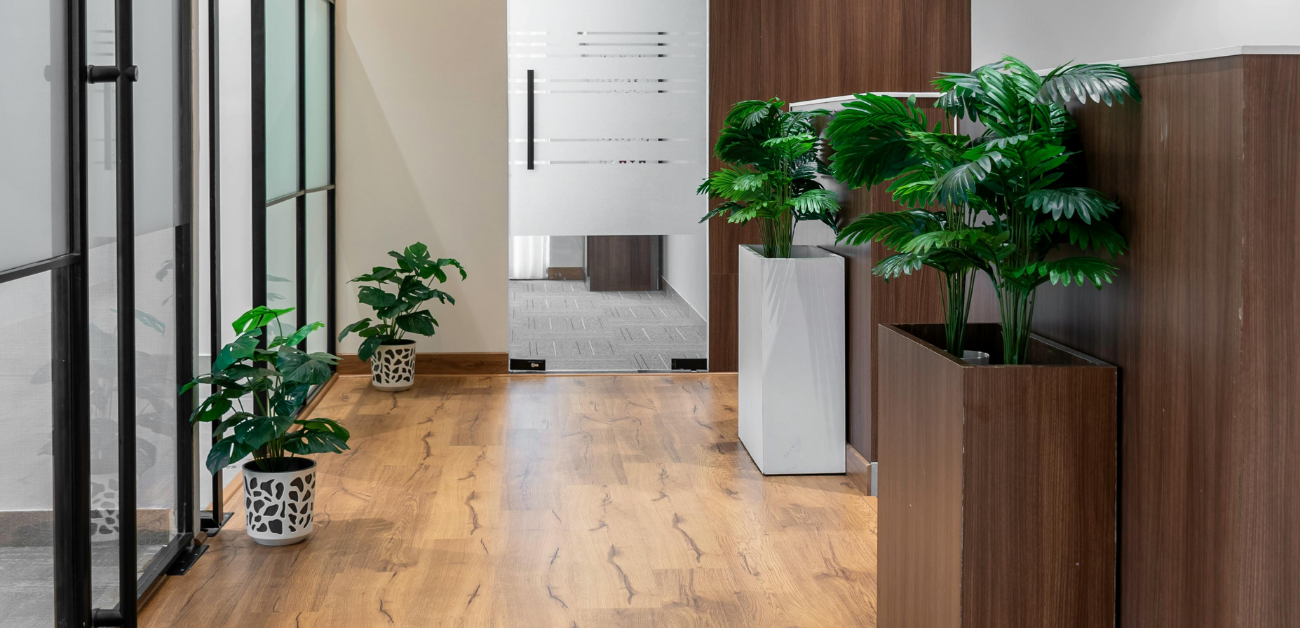
Flooring exerts a subtle but powerful influence on how people move through office spaces. Patterns at ground level naturally guide direction, slow or accelerate movement, and signal transitions between zones. Without relying on signage or partitions, flooring can suggest pathways, gathering areas, or boundaries through shifts in rhythm and tone.
This influence operates largely at a subconscious level. Because floors remain within peripheral vision, patterns affect focus and energy without demanding attention. Calm, consistent designs can support concentration, while overly busy patterns may create distraction or restlessness over time. The effect is cumulative, shaping how employees experience the workspace throughout the day.
In many offices, flooring affects experience more than walls. Walls are often interrupted by furniture, glazing, or screens, while floors form an uninterrupted visual field. As a result, decisions around custom printed vinyl flooring patterns have a lasting impact on spatial clarity, comfort, and the overall rhythm of workplace environments.
Pattern at Ground Level: Perception, Scale, and Rhythm
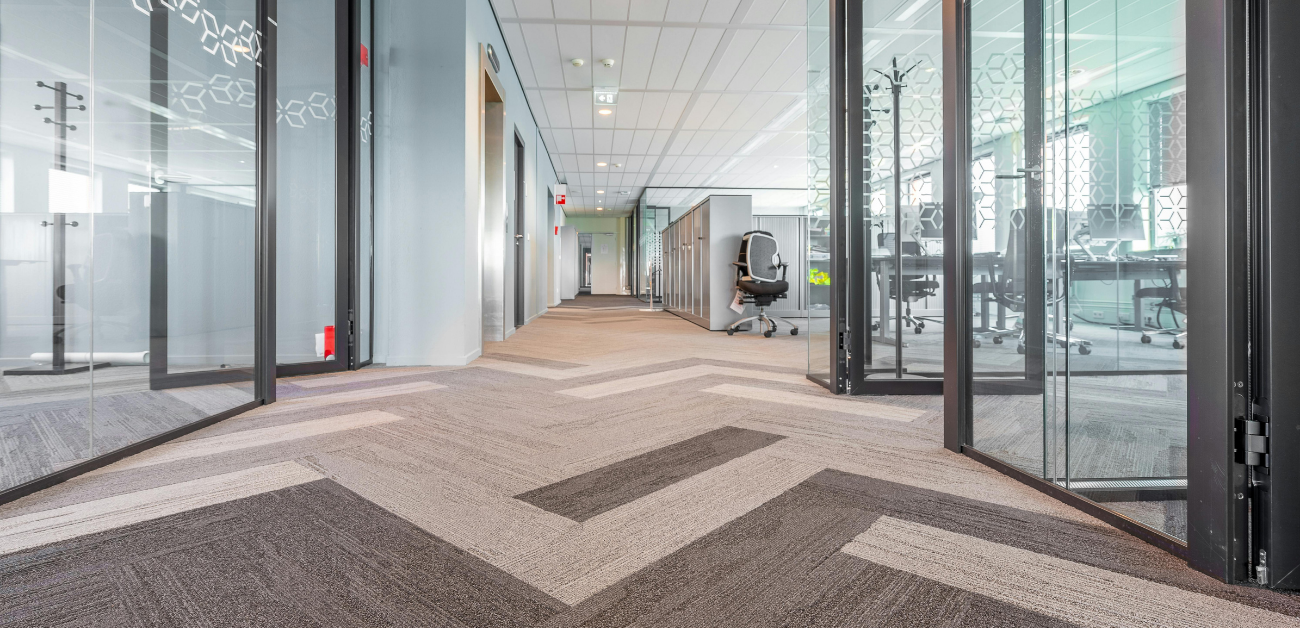
Patterns on floors are rarely observed directly. Instead, they are perceived peripherally as people walk, sit, and work within a space. This peripheral viewing changes how the pattern is interpreted. Subtle shifts in tone or texture can register as calm structure, while strong contrasts or dense motifs may feel disruptive even when they are not consciously noticed.
Scale is particularly sensitive at ground level. Patterns that are too small can create visual noise, especially across large open areas, while oversized motifs may dominate the space and interfere with movement cues. The relationship between pattern size and viewing distance must be carefully considered, as floors are experienced from multiple angles and heights throughout the day.
Designing rhythm without distraction is the key challenge. Successful patterns establish a visual cadence that supports flow and orientation without pulling focus. In custom printed vinyl flooring, this balance ensures that the pattern enhances spatial legibility while remaining comfortable for prolonged exposure.
Zoning Without Walls: Using Pattern to Define Space
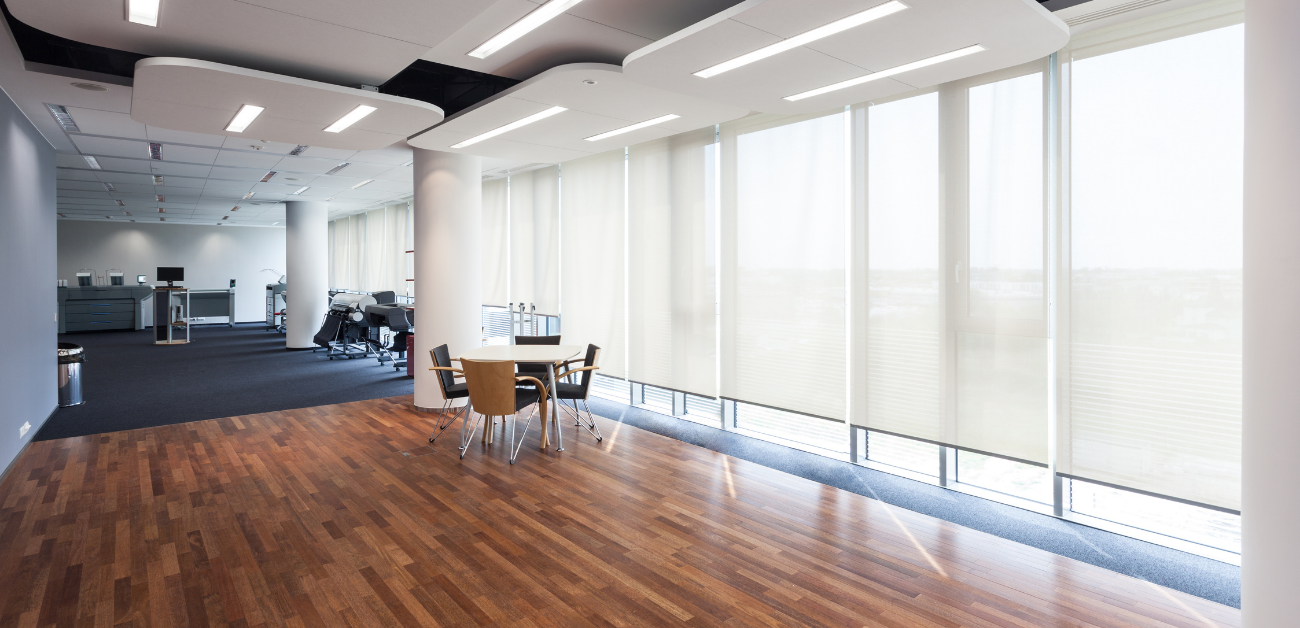
Open offices and flexible layouts rely on subtle cues to organise space without enclosing it. As physical barriers are reduced, visual signals become increasingly important in helping people understand where to move, gather, or focus. Flooring plays a central role in this process because it spans across zones and remains visible at all times.
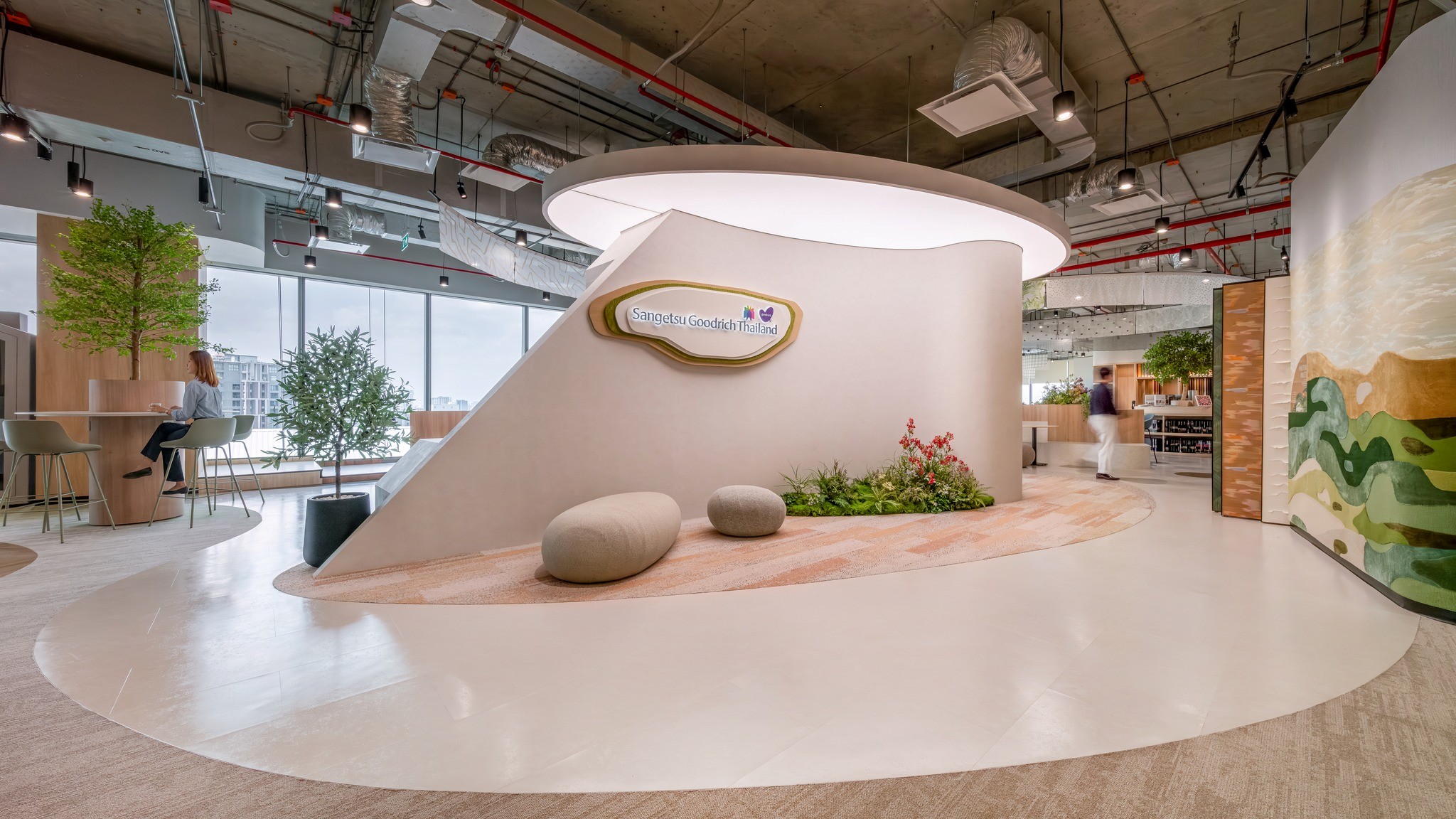
Patterns can act as a quiet zoning tool. Changes in motif, direction, or density can differentiate collaboration areas from circulation paths or individual work zones. These shifts guide movement intuitively, reducing the need for signage or furniture to perform that function. When designed carefully, flooring patterns create spatial clarity while preserving openness.
This is where a custom printed vinyl flooring pattern adds value. Custom patterns allow designers to tailor zoning cues precisely to layout and use, ensuring that transitions feel intentional rather than arbitrary. The result is an office environment that remains flexible yet legible, supporting daily activity without visual clutter.
Brand Expression Without Visual Overload
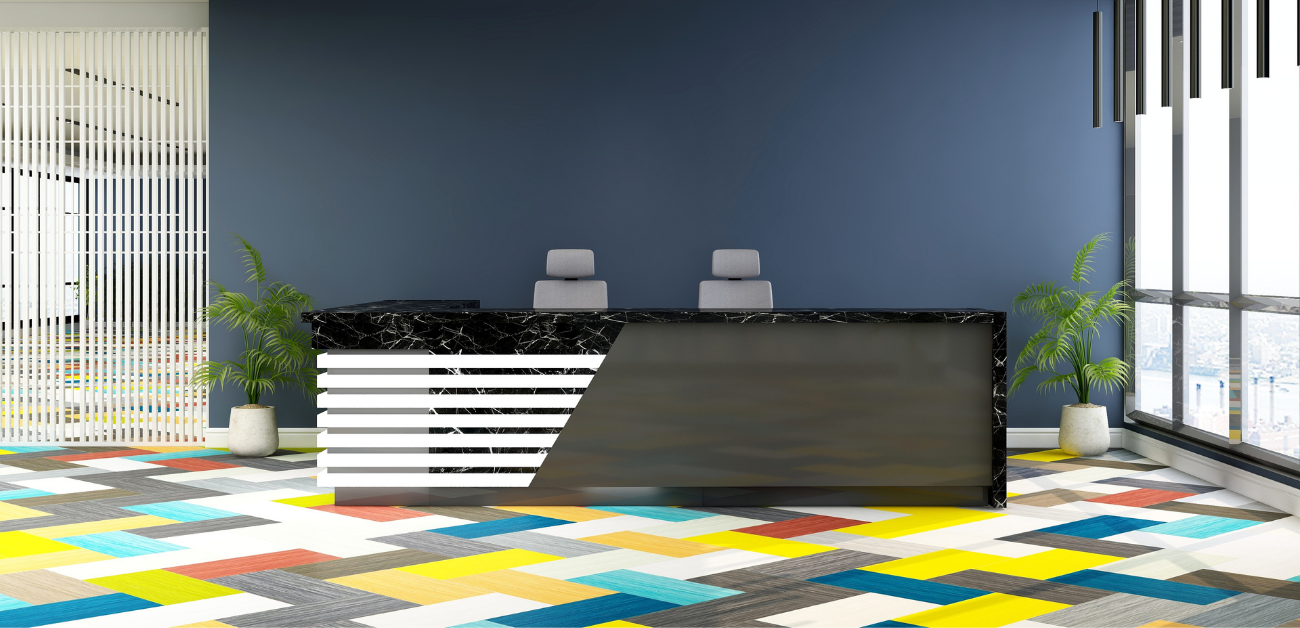
Office environments often aim to reflect organisational identity, but direct branding can easily become intrusive. Flooring offers an opportunity to express character in a more restrained way. Through colour, rhythm, or abstract pattern language, brand values can be translated into subtle visual cues that feel integrated rather than imposed.
The challenge lies in balance. Overly literal graphics or high-contrast motifs risk drawing attention away from the work and creating visual fatigue. Subtle patterning, on the other hand, can reinforce identity while remaining comfortable for long-term exposure. Flooring is experienced continuously, making restraint especially important.
When integrating custom printed vinyl flooring, successful brand expression often avoids logos and direct imagery. Instead, it relies on tonal relationships and spatial rhythm that align with brand personality. This approach allows identity to be felt rather than announced, supporting a professional atmosphere that remains cohesive and calm.
Durability Meets Design: Living With Pattern Every Day
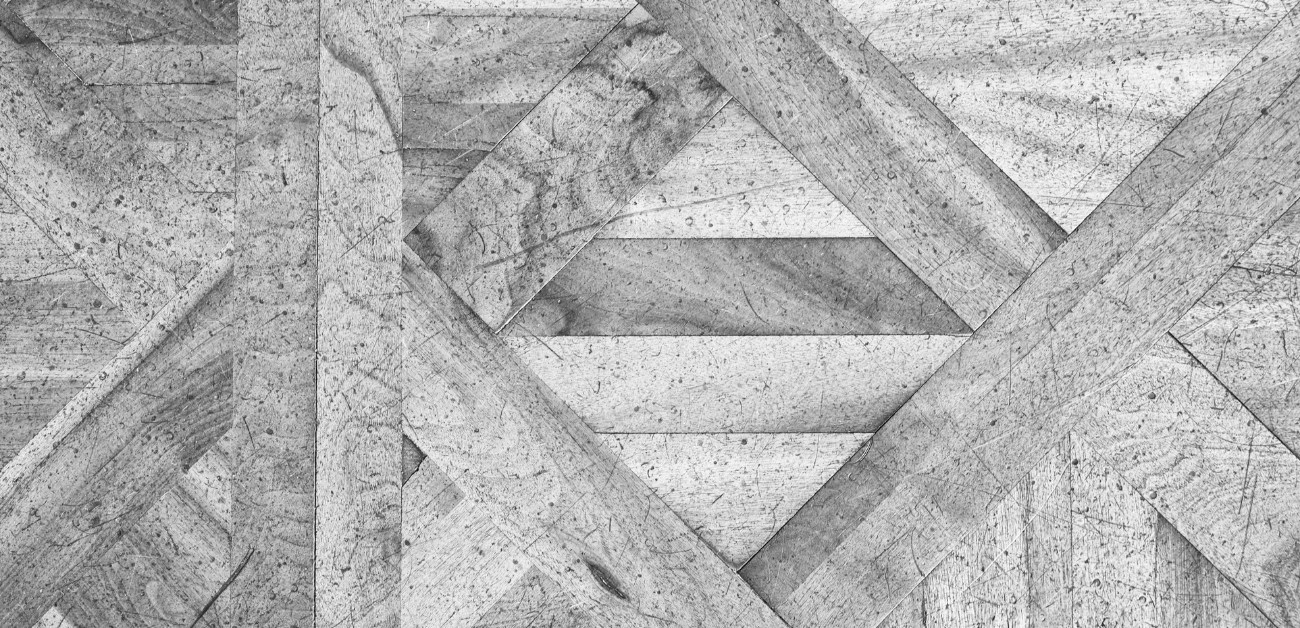
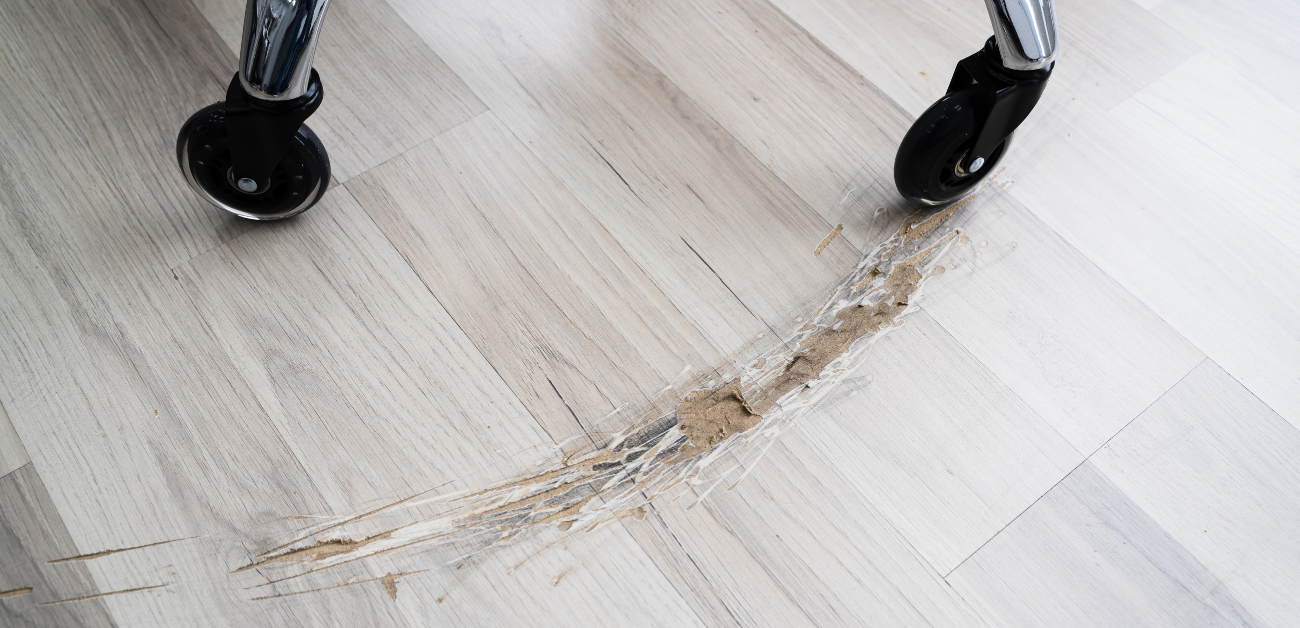
Office floors are subjected to constant movement, furniture changes, and daily wear. Patterns must therefore be designed not only for visual effect but also for how they will age. High-contrast designs may show wear more quickly, while subtle variation can help conceal scuffs and traffic paths over time.
Living with a patterned floor means encountering it repeatedly, often without conscious attention. Designs that are too assertive can become tiring, while those with balanced contrast tend to settle into the background as part of the environment. Longevity depends on this visual tolerance as much as material performance.
With a custom printed vinyl flooring, designers can anticipate wear patterns and incorporate them into the design logic. This foresight ensures that floors remain visually coherent and comfortable throughout their lifecycle.
When Custom Patterns Work and When They Do Not
Custom patterns are most effective in spaces that benefit from visual guidance or energy, such as collaborative zones, reception areas, or circulation paths. In these contexts, patterns can support movement, orientation, and identity without overwhelming users.
However, not every area benefits from the pattern. Focus rooms, quiet work zones, and spaces intended for prolonged concentration often perform better with more restrained or neutral flooring. Overuse of patterns across all areas can dilute its impact and reduce comfort.
Knowing where to apply a custom printed vinyl flooring and where to step back is a critical design decision. Selective use ensures that the pattern adds clarity and character while preserving balance across the workplace.
Design Responsibility in Workplace Flooring
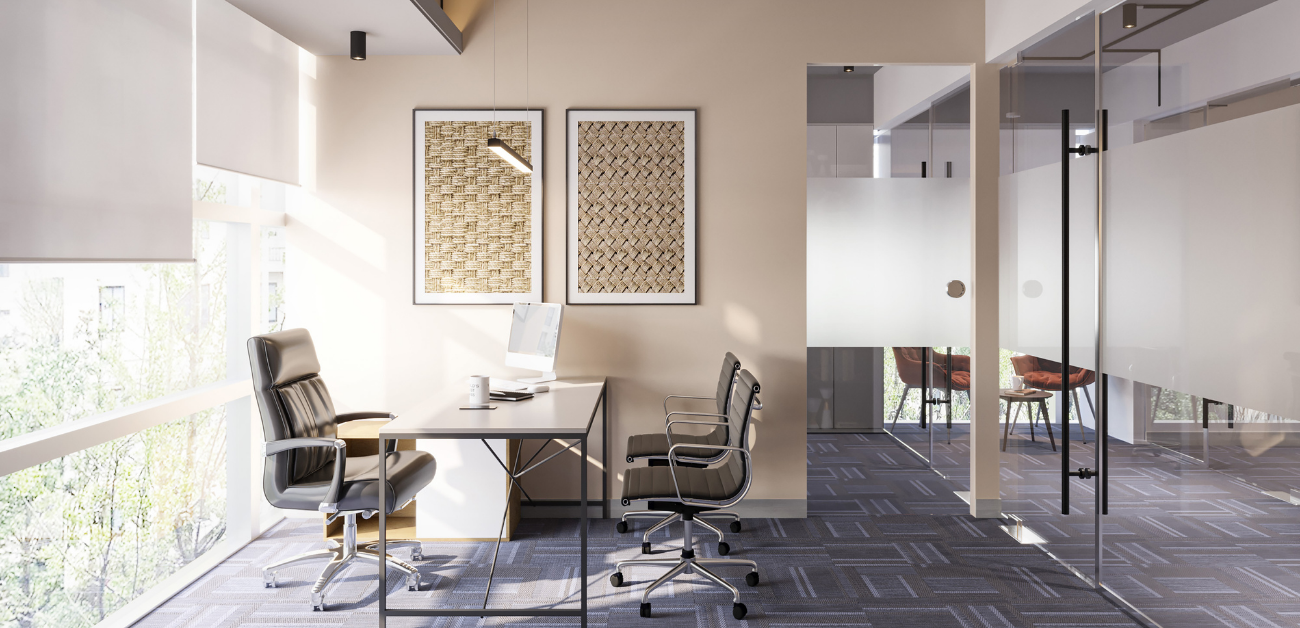
Flooring is one of the most persistent visual elements in an office. It influences comfort, movement, and perception throughout every working day. This persistence carries responsibility, as design decisions made at the floor level affect a wide range of users over long periods.
Design responsibility involves understanding how pattern interacts with human behaviour. Floors should support focus and ease rather than demand attention. When patterns are thoughtfully scaled and placed, they enhance the workplace experience without introducing fatigue.
Using custom printed vinyl flooring for offices means prioritising clarity, restraint, and longevity. When these principles guide design, flooring becomes a supportive layer that strengthens the workplace rather than competing with it.
Conclusion: Flooring Patterns as Part of Workplace Strategy
Office flooring patterns are no longer purely aesthetic choices. They are strategic tools that influence how spaces function and how people feel within them. Through pattern, designers can guide movement, define zones, and express identity without erecting physical barriers.
The value of a custom printed vinyl flooring for offices lies in intentional design. Successful projects balance visual interest with long-term comfort, ensuring that patterns remain supportive rather than distracting. This balance requires an understanding of perception, scale, and daily use.
Within this design-led approach, Goodrich Global works with workplace projects that value material expression and consistency. Its focus on thoughtful pattern application reflects an understanding that flooring, when designed with care, becomes an integral part of a well-functioning office environment.