Interior Design
HDB Renovation Rules: What You Can and Cannot Do
Why HDB Renovation Rules Exist
The Housing and Development Board (HDB) has established a comprehensive set of renovation guidelines to ensure the safety, structural integrity, and harmonious living conditions of its flats. With over one million HDB flats housing approximately 80 per cent of Singapore’s resident population, these rules protect both individual homeowners and their neighbours.
Understanding HDB renovation rules before you begin planning your project is essential. Violations can result in enforcement action, fines, and the requirement to reinstate any unauthorised works at your own expense. More importantly, some prohibited works can compromise the structural safety of the entire block.
This guide summarises the key rules that apply to HDB flat renovations, covering structural works, finishes, timing restrictions, and approval processes. While this overview is comprehensive, always refer to HDB’s official guidelines and consult your appointed contractor for the most current regulations.
Structural Works: What You Cannot Change
HDB takes a strict approach to any works that affect the structural integrity of the building. Certain elements are absolutely prohibited from modification.
You cannot alter or remove:
- Structural walls, columns, and beams — these carry the load of the building and must remain intact
- Floor slabs — you cannot cut through or reduce the thickness of any floor slab
- External walls — the outer envelope of the building must not be modified
- Reinforced concrete elements within the flat
You may be able to modify (with approval):
- Non-structural partition walls — some internal walls can be removed or repositioned, but only with HDB’s written approval and engagement of a Professional Engineer (PE)
- The household shelter hatch — while the shelter itself cannot be demolished, the hatch can be replaced with an approved alternative
Before making any assumptions about which walls are structural and which are not, engage a qualified contractor or PE to assess your flat. The consequences of removing a load-bearing wall are severe and potentially dangerous.
Permitted Renovation Works
Many renovation activities are permitted without specific HDB approval, though you must still engage a registered HDB renovation contractor and comply with general guidelines.
Works that typically do not require a permit include:
- Repainting walls and ceilings within the flat
- Installing, replacing, or removing flooring materials (including overlay installations)
- Applying wallpaper or wall coverings
- Installing built-in carpentry such as wardrobes, kitchen cabinets, and shelving
- Replacing sanitary fittings (basins, toilets, taps) on a like-for-like basis
- Installing or replacing curtain tracks and window treatments
- Electrical works such as adding power points, light fittings, and switches
These works still need to be carried out by qualified tradespeople and must comply with relevant codes and standards — for instance, electrical works must meet the requirements of the Electricity Act.
Works That Require a Permit
Certain renovation activities require you to obtain a renovation permit from HDB before work begins. Your appointed contractor will typically handle the application on your behalf.
A permit is required for:
- Hacking of floor tiles, wall tiles, or screeding
- Demolition or erection of non-structural walls (subject to PE assessment)
- Relocation of sanitary or plumbing fixtures to different positions
- Installation of reinforcement for heavy items such as feature walls or overhead storage
- Works involving the main door or gate
The permit application is submitted through HDB’s e-services portal by your registered renovation contractor. Processing typically takes a few working days, during which time no renovation work should commence on the items requiring approval.
Renovation Hours and Noise Restrictions
HDB imposes strict renovation hours to minimise disturbance to neighbours. These must be observed without exception.
| Day | Permitted Hours | Noisy Works Allowed |
|---|---|---|
| Monday to Saturday | 9:00 am to 6:00 pm | Yes (within hours) |
| Sunday | Not permitted | No |
| Public holidays | Not permitted | No |
Noisy works — including hacking, drilling, and hammering — are subject to additional restrictions. These are only allowed on weekdays and Saturdays within the permitted hours. Quiet works such as painting, wallpapering, and vinyl flooring installation (particularly click-lock types, which generate minimal noise) are generally less disruptive and more neighbour-friendly.
The total renovation period is capped at three months from the date of the renovation permit. Extensions can be requested but must be justified.
Finishes and Materials: What You Should Know
While HDB generally does not prescribe specific finish materials for the interior of your flat, there are some important considerations to keep in mind.
Flooring: You are free to choose your flooring material, whether it is tiles, vinyl, carpet, timber, or any other suitable product. If hacking existing tiles, a permit is required. Overlay installations — such as laying vinyl over existing tiles — do not require hacking and are therefore faster and less disruptive.
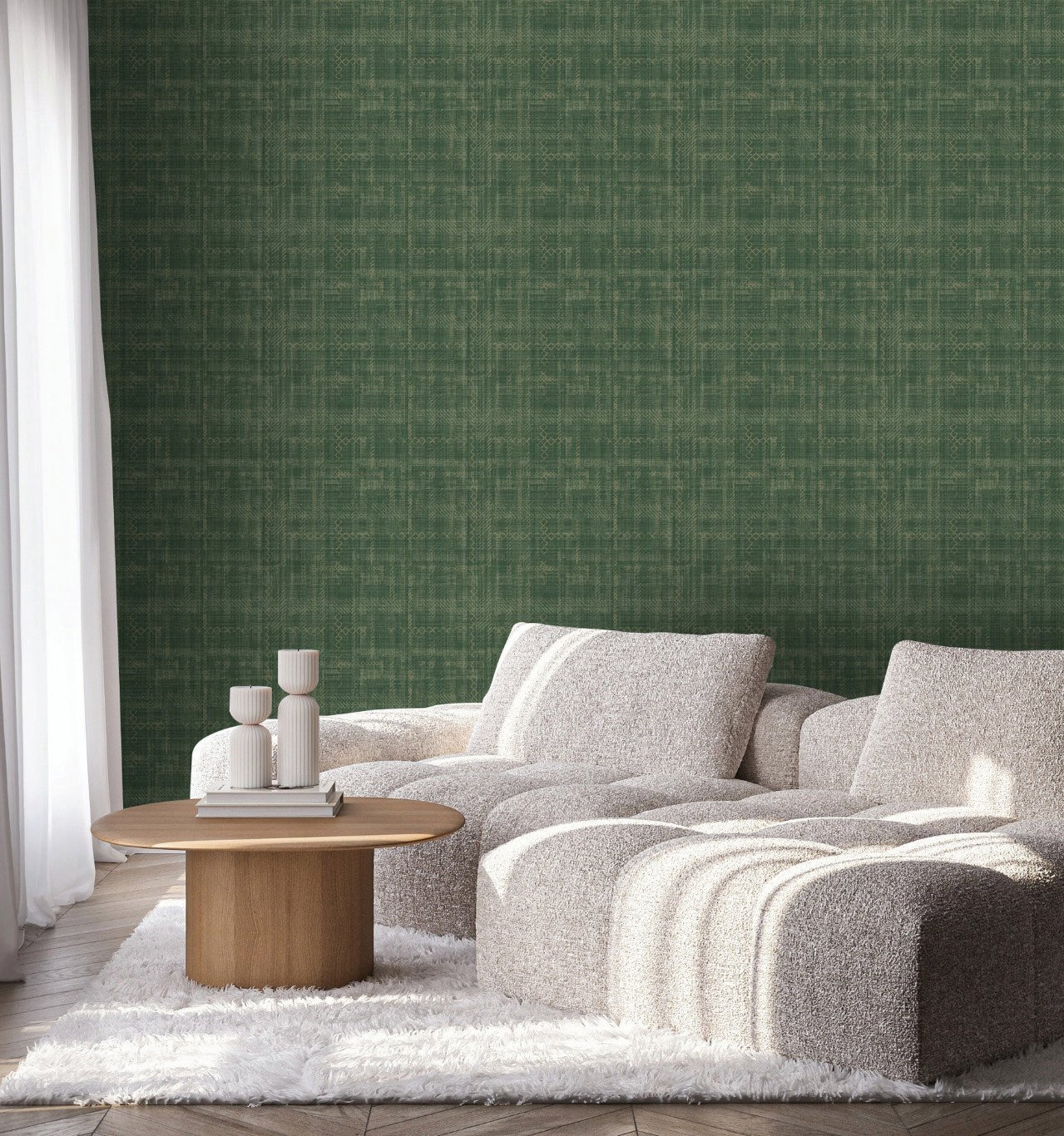
Walls: Interior walls can be painted, wallpapered, or clad in various materials. However, the use of heavy cladding may require additional structural assessment. Wallpaper and wallcoverings are a popular, lightweight option that transforms the look of a room without structural implications.
Ceiling: False ceilings can be installed for aesthetic purposes and to conceal air-conditioning ductwork. However, they must not reduce the clear ceiling height below the minimum specified by HDB.
Windows: Window grilles may be installed on the interior side. Replacement of window panels must use approved materials and be carried out by BCA-registered contractors. External awnings require separate approval.
Engaging the Right Contractor
All renovation works in HDB flats must be carried out by contractors listed on HDB’s Directory of Renovation Contractors. This requirement exists to ensure that contractors meet minimum standards of competency, insurance coverage, and compliance with HDB’s guidelines.
When selecting a contractor, consider the following:
- Verify their registration status on HDB’s directory
- Obtain at least three detailed quotations for comparison
- Check references and, if possible, visit completed projects
- Ensure the quotation clearly specifies all materials, finishes, and scope of work
- Confirm that the contractor will handle all permit applications and regulatory compliance
A well-informed homeowner is the best safeguard against renovation problems. Understanding the rules empowers you to make good decisions and hold your contractor accountable.
Consequences of Non-Compliance
Violating HDB renovation guidelines can have serious consequences. HDB conducts regular inspections and also investigates complaints from neighbours. If unauthorised works are discovered, the homeowner may face several outcomes.
The most common enforcement action is a directive to reinstate the flat to its original condition at the homeowner’s expense. This means undoing the unauthorised work, which can be costly and disruptive — particularly if walls have been removed or structural elements altered. The reinstatement must be completed within the timeframe specified by HDB, and the homeowner bears the full cost.
In more serious cases, HDB may impose financial penalties. Contractors who carry out unauthorised works may also face penalties, including removal from HDB’s directory. For works that compromise structural safety, legal action under the Building Control Act is possible.
The simplest way to avoid these consequences is to engage a reputable, registered contractor who understands HDB’s guidelines and to seek written approval for any works that require a permit before construction begins. When in doubt, consult HDB directly — the cost of a query is nothing compared to the cost of remediation. Neighbours who notice unauthorised works can report them to HDB, so compliance is not just a matter of principle but of practical self-interest within the close-knit community of an HDB block.
Book an appointment with our design consultants. Visit Goodrich Global to explore flooring, wallcoverings, and fabric options that comply with HDB guidelines and elevate your home.