Articles / Carpet & Flooring / Commercial Interiors / Healthcare Interiors
Heavy Duty Hotel Carpet Installation: A Practical Guide for Hospitality Projects

Introduction: Why Quality Installation Matters for Hotel Carpets
Hotel carpets are subjected to constant pressure from foot traffic, luggage movement, housekeeping equipment, and daily cleaning routines. Corridors, guest rooms, and public areas experience continuous use, making durability a core requirement rather than a luxury. Even high-quality carpets can fail prematurely if they are not installed correctly for these conditions.
In many hotel projects, carpet problems such as rippling, seam separation, and uneven wear are not caused by the material itself. They are the result of poor installation practices, inadequate subfloor preparation, or incorrect fixing methods. These failures lead to higher maintenance costs, guest dissatisfaction, and frequent replacement.
This is why heavy duty hotel carpet installation is a performance-critical service. It focuses on proper preparation, secure fixing, and installation methods designed to withstand heavy use. When executed correctly, heavy duty hotel carpet installation protects the carpet investment and supports long-term operational performance in demanding hotel environments.
What does Heavy Duty Hotel Carpet Installation Mean
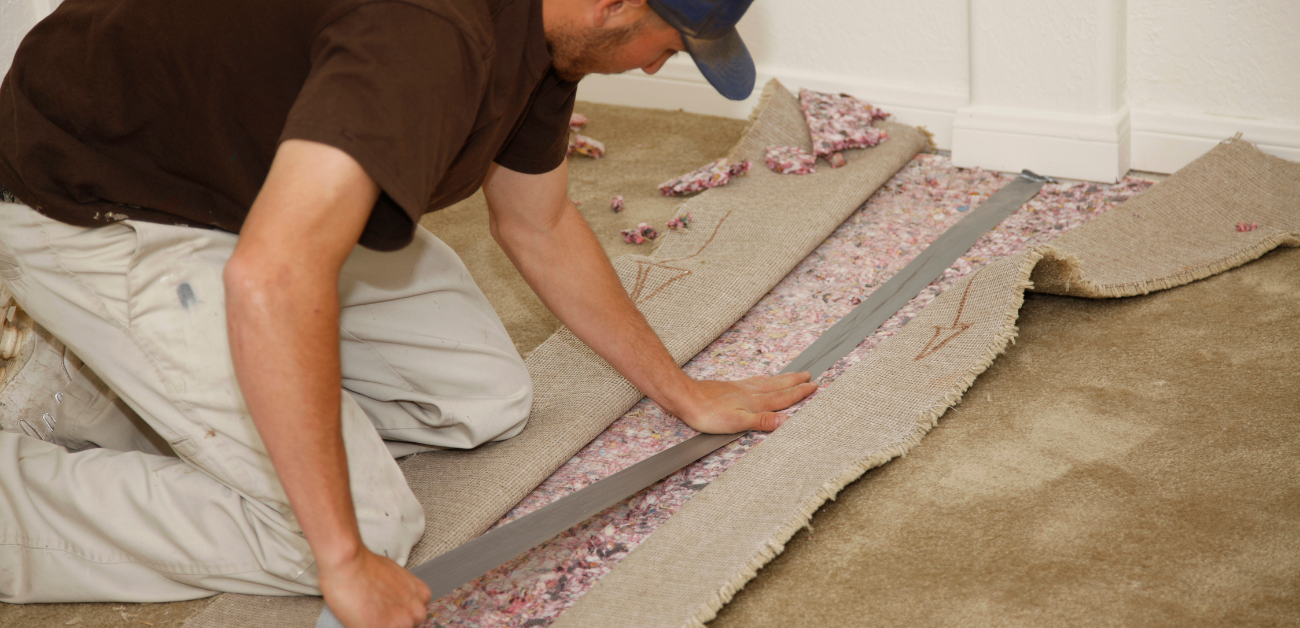
Heavy duty hotel carpet installation goes beyond standard carpet fitting practices used in residential or low-traffic spaces. Standard installation methods may be sufficient for light use, but hotels require approaches designed to handle continuous foot traffic, frequent cleaning, and heavy equipment movement. Heavy duty installation focuses on long-term stability rather than short-term appearance.
Subfloor preparation is a critical part of the process. Uneven or poorly prepared subfloors can lead to carpet movement, seam failure, and premature wear. Heavy duty hotel carpet installation includes thorough subfloor assessment, levelling where required, and moisture control to ensure a stable base. Fixing methods are also more robust, often involving full-spread adhesives or reinforced installation systems that prevent shifting over time.
Hotels require specialised installation standards because their operational environment is demanding and unforgiving. Guest expectations, safety requirements, and maintenance schedules leave little room for installation errors. Heavy duty hotel carpet installation addresses these realities by prioritising durability, secure fixing, and consistent performance across high-traffic hotel spaces.
Where Hotels Require Heavy Duty Carpet Installation Most
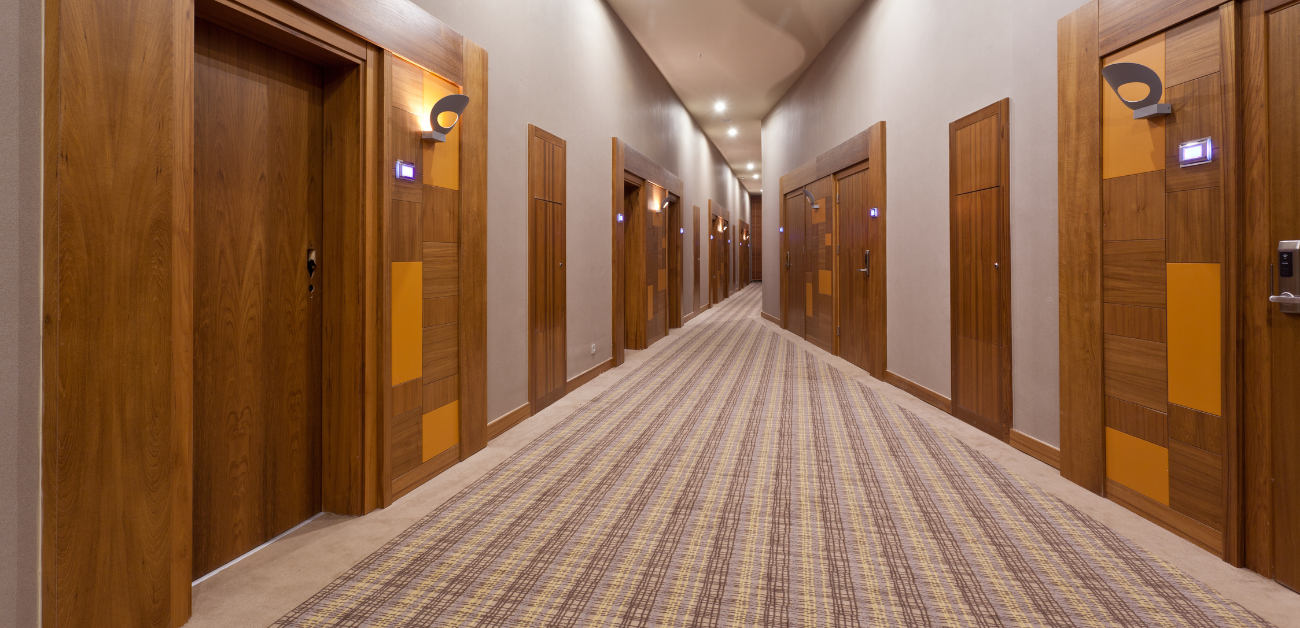
Not all areas within a hotel experience the same level of stress, which is why heavy duty hotel carpet installation is especially important in specific zones. Corridors are among the highest traffic areas, with constant movement of guests, luggage trolleys, and housekeeping equipment. Guest rooms and suites also require durable installation, as furniture movement and daily use place ongoing strain on carpet surfaces and seams.
Staircases, elevator lobbies, and transition zones demand particular attention. These areas concentrate foot traffic and are subject to directional movement, increasing wear at edges and seams. Heavy duty hotel carpet installation in these zones ensures secure fixing and reduces the risk of lifting or fraying over time.
Public areas such as lounges, executive floors, and conference spaces often combine high traffic with aesthetic expectations. In contrast, back-of-house spaces like staff corridors and service areas require durability over appearance. In both cases, heavy duty hotel carpet installation supports safety, longevity, and operational reliability across diverse hotel environments.
Technical Requirements for Heavy Duty Hotel Carpet Installation
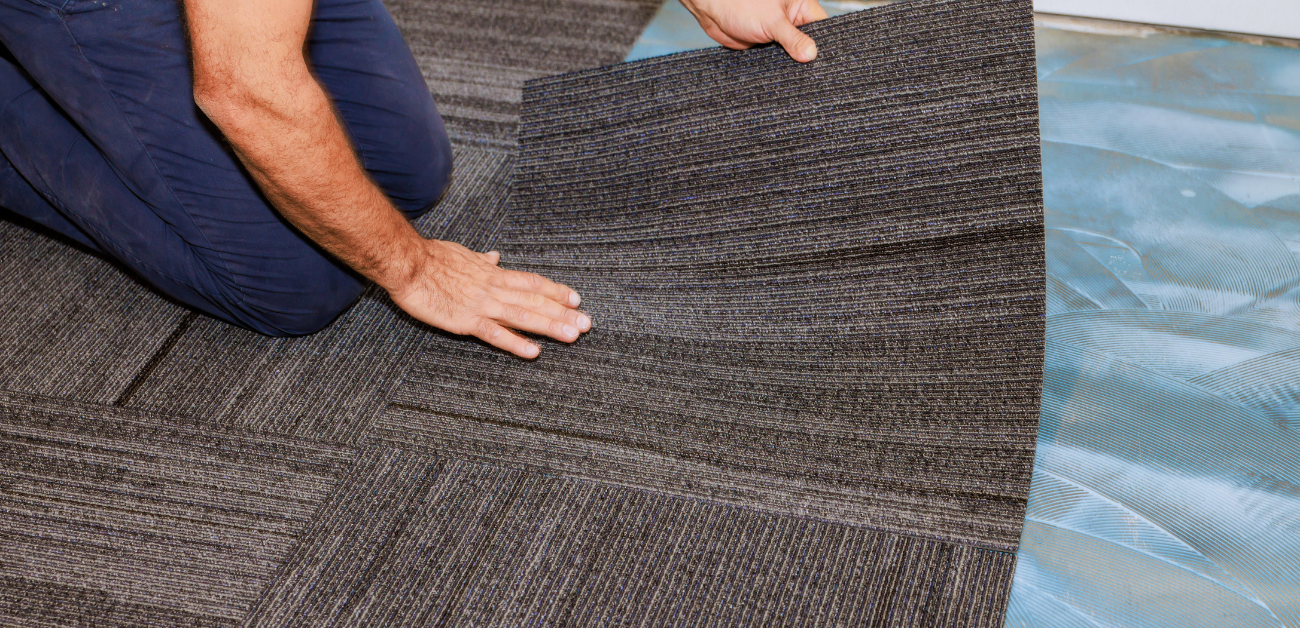
Effective heavy duty hotel carpet installation depends on meeting specific technical requirements that support long-term performance. Adhesive selection is a key factor. Hotels typically require high-strength, full-spread adhesives that provide consistent bonding across the entire carpet surface. These adhesives help prevent movement, bubbling, and seam separation under continuous use. Underlay systems, where specified, must be compatible with heavy traffic conditions and not compress unevenly over time.
Fixing systems also play a critical role. Secure fixing methods ensure carpets remain stable despite frequent rolling loads from luggage carts, service trolleys, and cleaning equipment. Proper fixing reduces stress on seams and edges, which are common failure points in hotel carpets.
Seam integrity and edge detailing require careful execution. Seams must be precisely aligned, securely bonded, and positioned to minimise visual impact and wear. Edges at doorways, transitions, and stair nosings must be reinforced to prevent fraying and lifting.
Heavy duty hotel carpet installation must also account for tolerance to constant rolling and cleaning equipment. Proper installation ensures carpets retain appearance and safety despite repeated mechanical stress.
Installation Challenges in Operating Hotels

Carpet installation in live hotel environments involves challenges that go beyond technical execution. With heavy duty hotel carpet installation, work is often carried out while the property remains partially or fully operational. This makes phased installation essential, allowing floors, corridors, or entire wings to be completed in stages without disrupting guest access or core services. Careful sequencing helps hotels maintain service continuity throughout the upgrade process.
Noise and disturbance control are also critical considerations. Installation activities must be carefully managed to minimise disruption to guests, particularly in rooms adjacent to work areas. This typically requires scheduling works during low-occupancy periods or within specific time windows agreed with hotel management to protect guest comfort and satisfaction.
Operational coordination adds another layer of complexity. Housekeeping, maintenance, and front-of-house teams depend on clear access routes and predictable workflows. Heavy duty hotel carpet installation must therefore be planned in close coordination with hotel staff to avoid conflicts with daily operations and service schedules.
Ultimately, the objective is to minimise downtime and disruption. Efficient planning, experienced installation teams, and clear communication allow work to progress smoothly, ensuring carpets are upgraded without compromising the guest experience or overall hotel productivity.
Performance, Durability, and Maintenance Outcomes
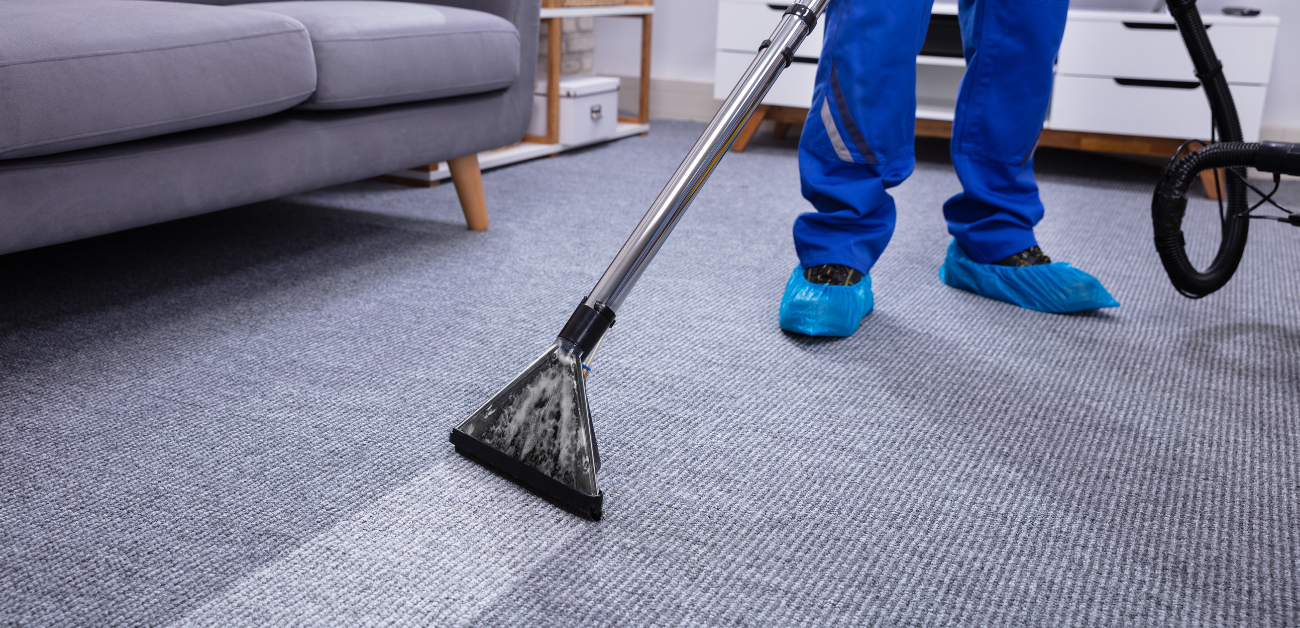
The long-term performance of hotel carpets depends heavily on the quality of installation. Proper heavy duty hotel carpet installation ensures carpets are securely fixed, seams remain stable, and surfaces wear evenly over time. This structural stability reduces stress on fibres and backing materials, helping carpets maintain integrity even under continuous foot traffic.
Installation quality also has a direct impact on day-to-day maintenance. Well-installed carpets perform better during routine vacuuming and deep-cleaning, as they are less prone to movement, edge lifting, or seam damage. This supports a consistent appearance, preserves texture, and helps prevent early wear issues such as matting or fraying.
By improving durability and simplifying maintenance, heavy duty hotel carpet installation plays a key role in reducing premature replacement. Carpets that are installed correctly last longer, require fewer repairs, and maintain visual quality throughout their service life. In hotel environments where downtime and refurbishment are disruptive, investing in proper installation delivers measurable long-term cost savings and operational benefits.
Compliance, Safety, and Hospitality Standards
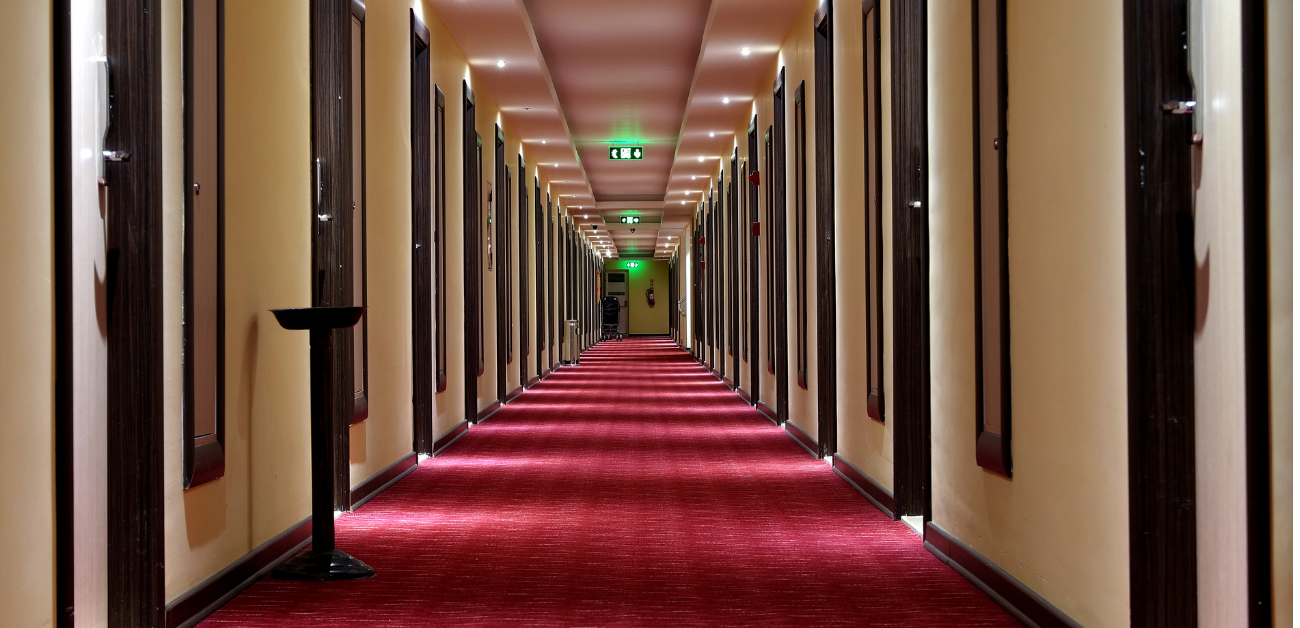
Hotel carpet installation must meet strict safety and regulatory requirements. Fire performance is a primary consideration, as carpets must comply with hospitality fire safety standards and be installed in a way that preserves their certified ratings. Slip resistance and surface stability are also critical, particularly in corridors, staircases, and transition areas where guest movement is constant.
Documentation and quality control play an essential role in maintaining compliance. Accurate records of carpet materials, fixing methods, and installation procedures help demonstrate that work has been carried out in accordance with specified standards. This documentation supports inspections, audits, and long-term maintenance planning throughout the lifecycle of the carpet.
Professional heavy duty hotel carpet installation reduces operational risk by addressing safety and compliance from the outset. Secure fixing, stable seams, and proper edge detailing minimise trip hazards, help maintain fire safety performance, and reduce the risk of premature failure. By meeting hospitality standards through professional installation, hotels protect guests and staff while ensuring consistent, reliable operational performance.
Conclusion: Why Heavy Duty Hotel Carpet Installation Is a Long-Term Investment

In hospitality environments, carpet installation is not a finishing step – it is a foundational decision that shapes safety, durability, maintenance efficiency, and guest experience for years to come. Heavy duty hotel carpet installation provides the structural reliability needed to withstand constant foot traffic, intensive cleaning cycles, and operational pressure, while reducing disruption and controlling long-term costs.
Short-term savings achieved through rushed or poorly planned installation often lead to premature wear, repeated repairs, and avoidable downtime. In contrast, professional installation grounded in proper planning, sequencing, and technical execution protects the flooring investment and extends its service life. The result is smoother operations, more predictable maintenance, and consistently high presentation standards across hotel interiors.
For hotel owners, operators, and project teams, choosing the right installation partner is as important as selecting the carpet itself. Within the broader hotel flooring and installation landscape, Goodrich Global works alongside hospitality projects that prioritise long-term performance, operational continuity, and risk reduction. By approaching installation as a strategic investment rather than a short-term task, hotels can safeguard their interiors, enhance guest comfort, and achieve lasting value throughout the life of the carpet. If you’d like to align your next hotel project with installation strategies built for durability, compliance, and operational efficiency, engaging early with an experienced team can make all the difference.